Mexican Fern (Anemia mexicana) – Benefits, Care & Growing Guide | ePlant AI
Mexican Fern (Anemia mexicana)
Anemia mexicana, the Mexican Fern, is a small terrestrial fern from Mexico and Central America, noted for delicate fronds and unique fertile leaves.
Anemia mexicana, commonly known as the Mexican Fern, is a fascinating fern species belonging to the family Anemiaceae. This plant is recognized for its unique frond structure and its presence in specific ecological niches within its native range. Understanding Anemia mexicana provides insight into the diversity of fern species and their adaptations to varied environments.
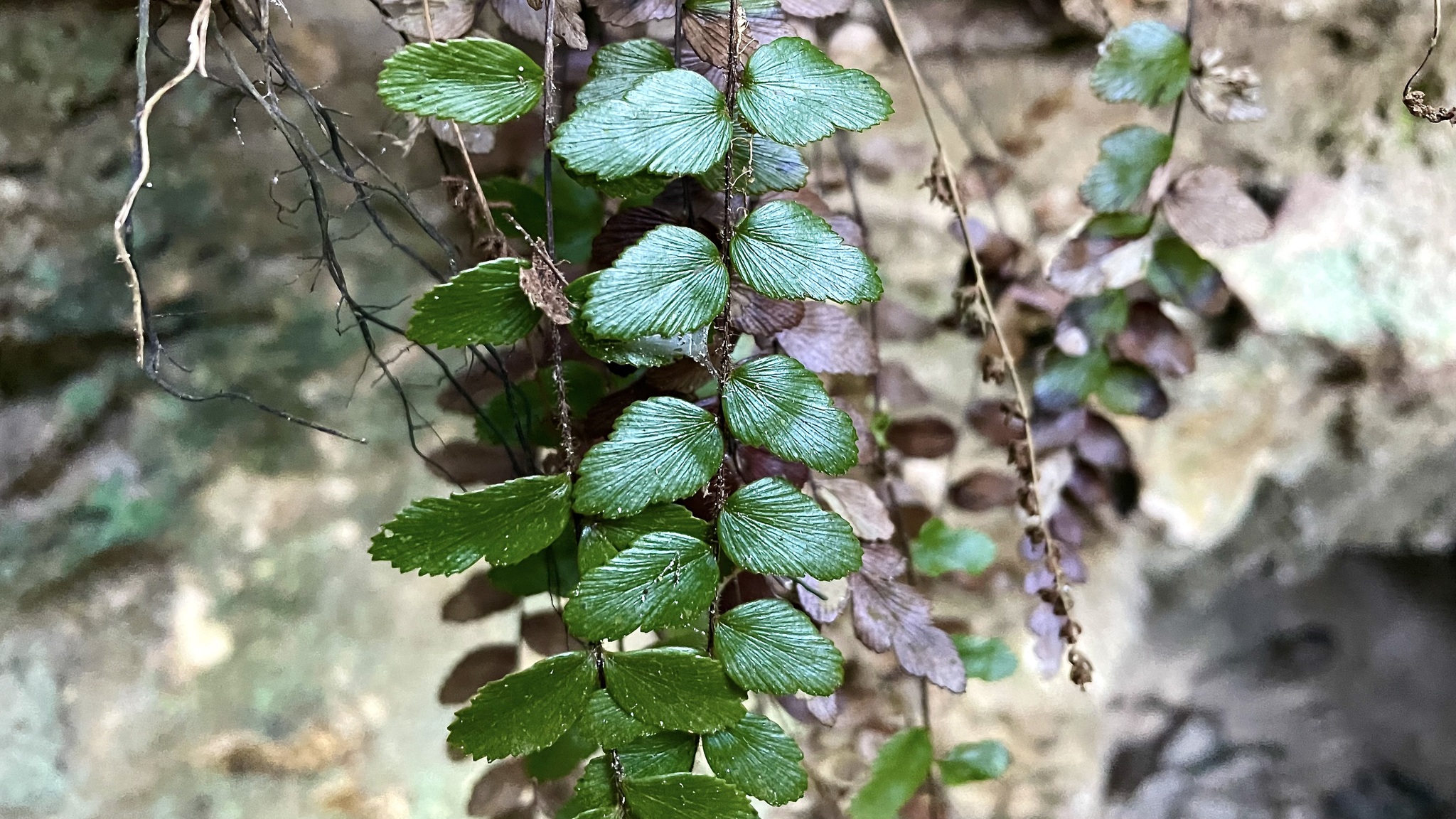
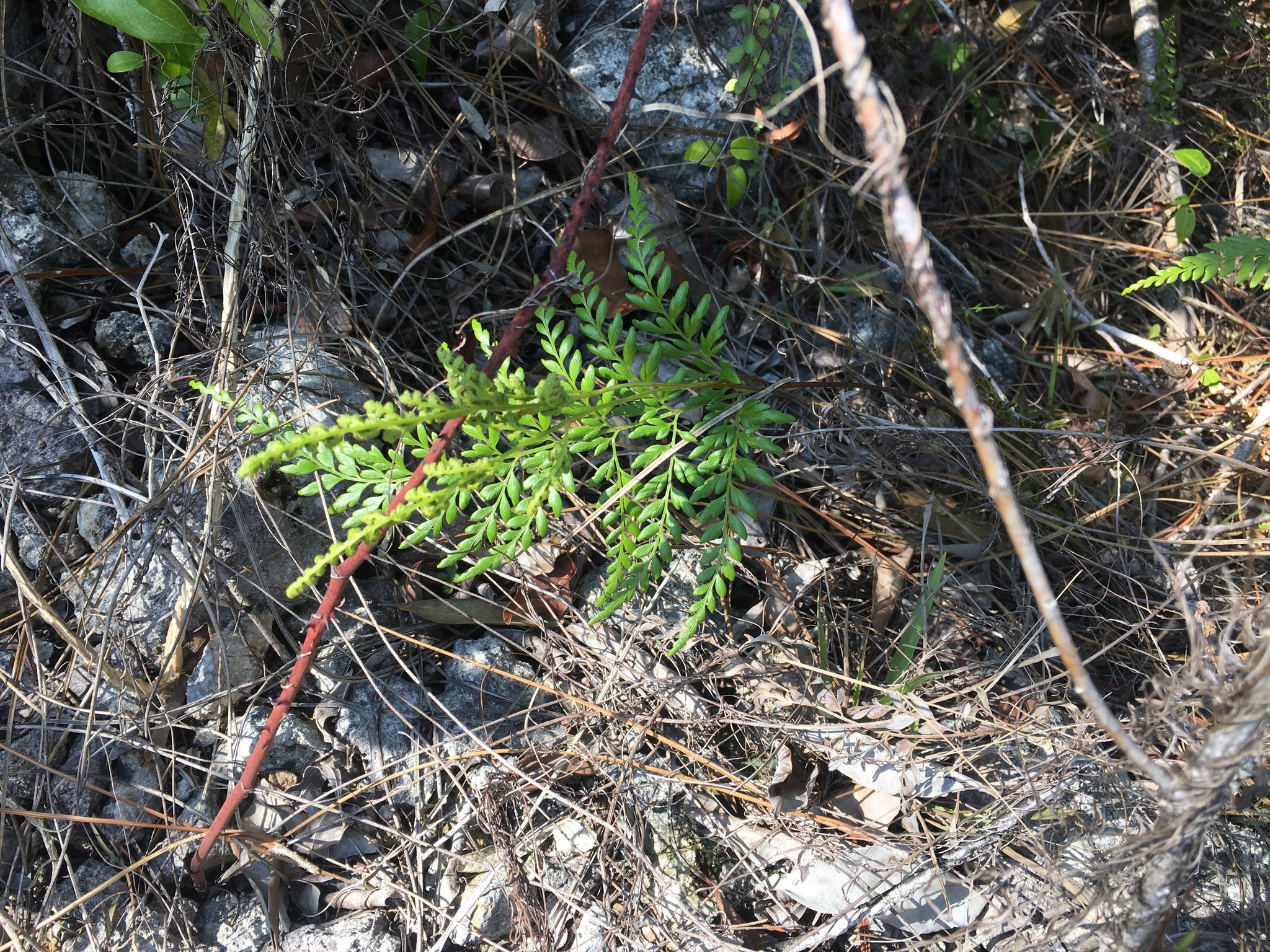
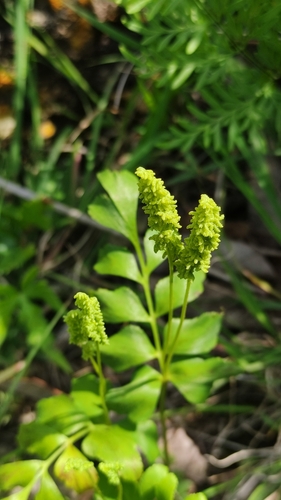
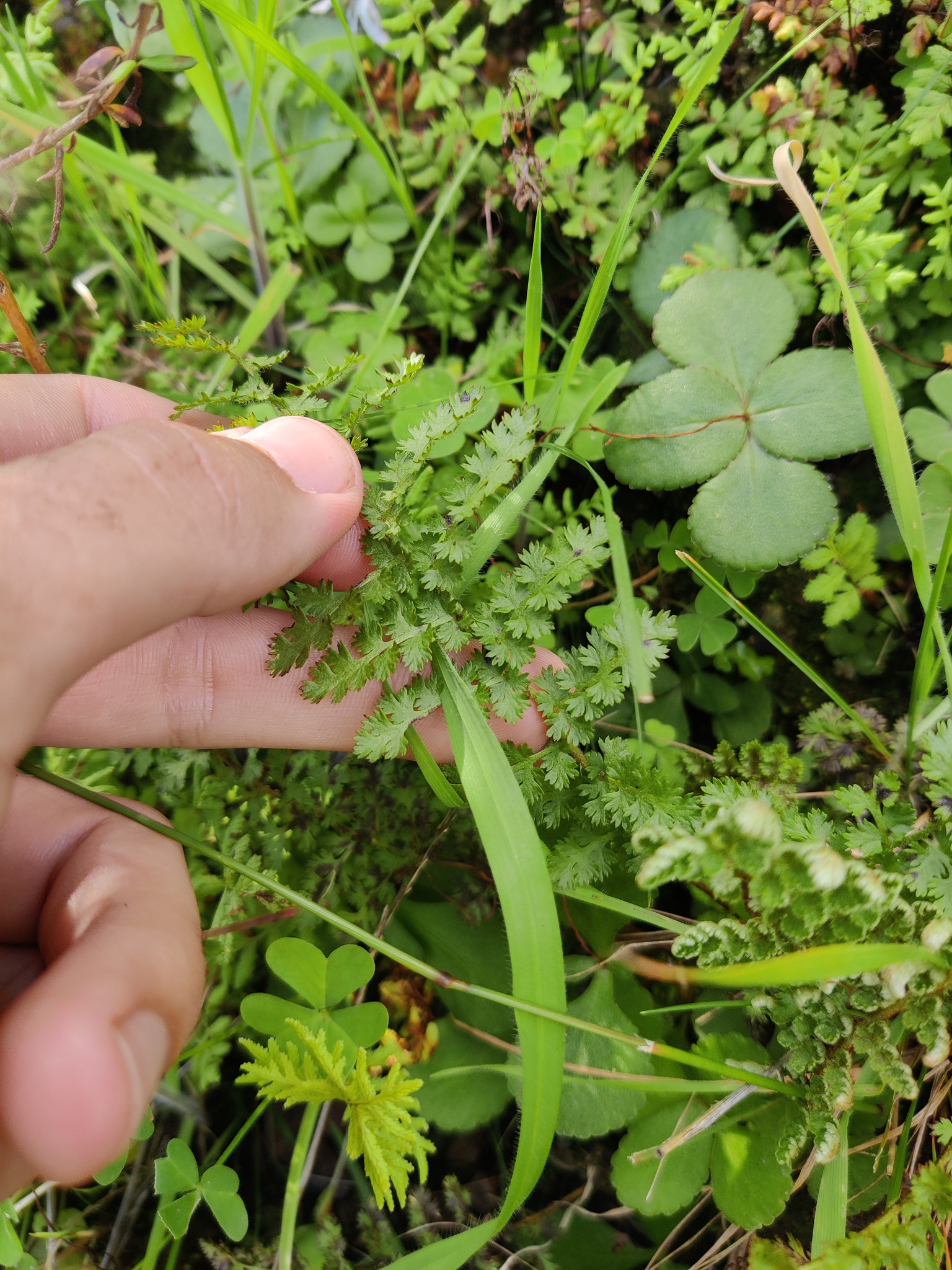
Physically, Anemia mexicana exhibits a distinctive growth habit. It is a terrestrial fern, typically forming clumps of fronds. The fronds themselves are dimorphic, meaning they have two distinct forms. The sterile fronds are pinnately compound, with leaflets that are generally ovate to lanceolate in shape and possess serrated or toothed margins. These sterile fronds are responsible for photosynthesis. In contrast, the fertile fronds are highly modified. They are bipinnate and bear the sporangia, which contain the spores, on specialized, contracted pinnae. This differentiation between sterile and fertile fronds is a key characteristic of the genus Anemia. The size of Anemia mexicana can vary, but mature plants typically reach a moderate height, with fronds extending upwards. The rhizome, the underground stem, is usually short and erect, from which the fronds emerge.
The native distribution of Anemia mexicana is primarily within Mexico, as its common name suggests. It thrives in specific natural habitats, often found in rocky areas, open woodlands, and along stream banks. These habitats are typically characterized by well-drained soils and a degree of shade, though some species within the Anemia genus can tolerate more open, sunnier conditions depending on moisture availability. Cultivation requirements for Anemia mexicana generally mirror its natural habitat. It prefers well-drained, loamy soil and partial shade. Consistent moisture is important, but waterlogged conditions should be avoided. Protection from extreme cold is also advisable in regions outside its native temperate or subtropical zones.
While Anemia mexicana is not widely cultivated for ornamental purposes compared to some other fern species, its unique frond morphology makes it of interest to fern enthusiasts and collectors. Its ecological importance lies in its role within its native ecosystems, contributing to ground cover and providing habitat for small organisms. There is no established scientific documentation regarding medicinal, culinary, or significant economic uses for Anemia mexicana.
An interesting characteristic of Anemia mexicana, shared with other members of its genus, is the specialized structure of its fertile fronds. The sporangia are borne on contracted, often segmented pinnae that can appear quite different from the broad, flat leaflets of the sterile fronds. This adaptation likely serves to protect the developing spores and facilitate spore dispersal. The ability to produce two distinct types of fronds allows the plant to efficiently manage both photosynthetic activity and reproduction, a testament to the evolutionary strategies employed by ferns.
Well-draining, humus-rich potting mix. A mix for ferns or a general potting mix with added perlite works well.
Temperature
Average room temperatures.
Habitat
Outdoor, Indoor, Greenhouse
Fertilizer
Feed during growing season.
Care Requirements
Light
Bright, indirect light.
Avoid direct sunlight.
Water
Keep soil consistently moist.
Water when the top inch of soil is dry.
Soil
Well-draining, humus-rich potting mix. A mix for ferns or a general potting mix with added perlite works well.
Temperature
Average room temperatures.
Ideal range 18-24°C, avoid cold drafts.
Habitat
Outdoor, Indoor, Greenhouse
Fertilizer
Feed during growing season.
Diluted balanced liquid fertilizer every 4-6 weeks.
Plant Overview
Plant Type
Fern
Plant Category
Foliage, Ornamental
Plant Place Type
Ground, Pot
Plant Environment
Outdoor, Indoor, Greenhouse
Lifespan
Perennials
Plant Height
0.3-0.6 m
Spread
0.3-0.6 m
Growth Rate
Slow
Dormancy
None
Leaf Color
Green
Leaf Type
Fronds
Image Gallery
Flowering & Fruiting Cycles
Monthly activity intensity for bloom and fruit across both hemispheres.
Northern hemisphere
Flowering & fruiting calendar
Peak bloom · AugPeak fruit · Sep
FloweringFruiting
Southern hemisphere
Flowering & fruiting calendar
Peak bloom · MayPeak fruit · Jun
FloweringFruiting
Taxonomy
kingdomPlantae
divisionTracheophyta
classPolypodiopsida
orderSchizaeales
familyAnemiaceae
genusAnemia
speciesAnemia mexicana
Toxicity
Toxic for humans
No
Rating: 0/5
Toxic for pets
No
Rating: 0/5
Edible
No
Additional Care Tips
Water thoroughly when the top inch of soil feels dry. Ensure good drainage to prevent root rot. In dry conditions, misting can be beneficial.
Remove any dead, damaged, or yellowing fronds at the base of the plant. This helps maintain a tidy appearance and encourages new growth.
Easily propagated from spores or by division of established clumps. Division is best done in spring when new growth begins.
Repot every 2-3 years or when the plant becomes root-bound. Use a pot only slightly larger than the previous one, with fresh, well-draining potting mix.
FAQs
Why are the fronds of Anemia mexicana different?
Anemia mexicana exhibits dimorphism, meaning its fertile fronds, which bear spores, look different from its sterile fronds, which are primarily for photosynthesis.
How often should I water my Mexican Fern?
Keep the soil consistently moist but not soggy. Water when the top inch of soil feels dry to the touch, typically once or twice a week depending on conditions.
Can Anemia mexicana tolerate low light?
While it prefers bright, indirect light, it can tolerate lower light conditions, though growth may be slower and fronds less vibrant.
What is the ideal humidity for Anemia mexicana?
This fern thrives in high humidity environments. Regular misting, a humidifier, or placing it on a pebble tray filled with water can help maintain adequate moisture.
How do I propagate Anemia mexicana?
Propagation can be done by dividing mature clumps in spring or by sowing spores on a suitable medium. Division is generally easier for home growers.