Mexican Plum Tree (Prunus mexicana) – Growing Guide, Care & Benefits | ePlant AI
Mexican Plum (Prunus mexicana)
Mexican Plum (Prunus mexicana) is a small deciduous tree or large shrub native to North America, known for its attractive spring flowers and edible fruit.
Prunus mexicana, commonly known as Mexican Plum, is a deciduous shrub or small tree native to North America. This species holds significance as a valuable component of its native ecosystems and as a resilient ornamental plant. Its ability to thrive in challenging conditions makes it a noteworthy subject for both ecological and horticultural interest.
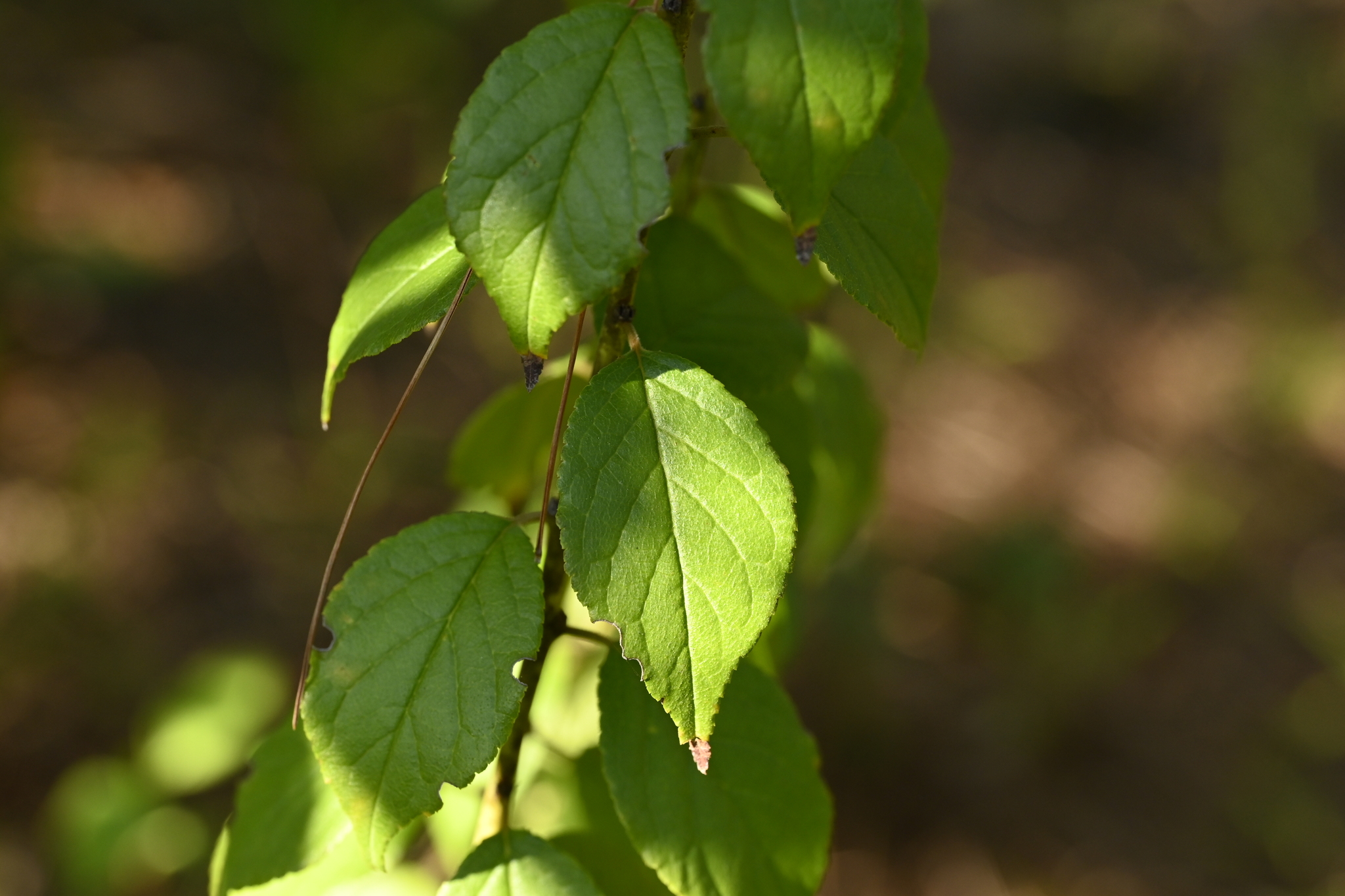
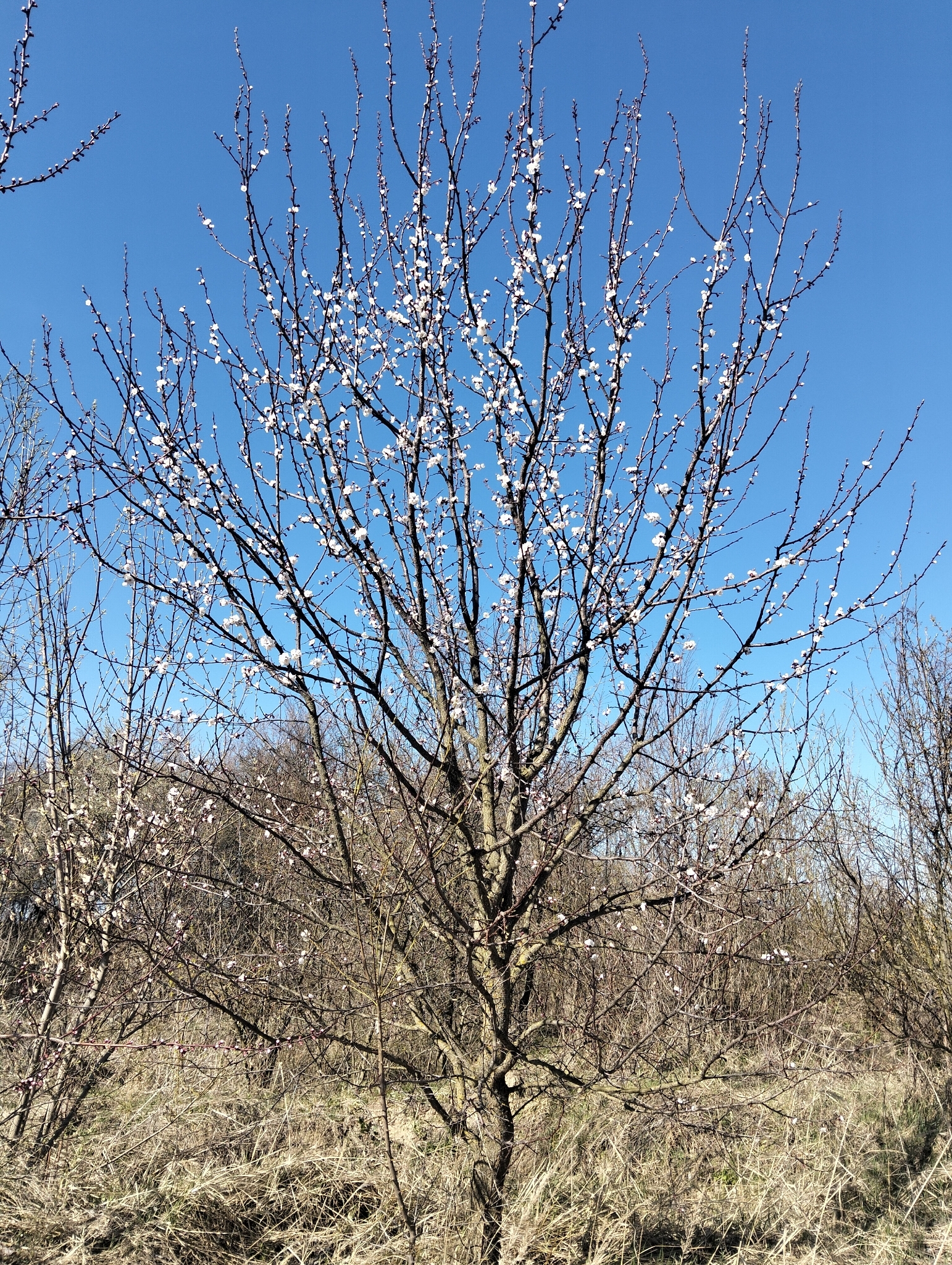
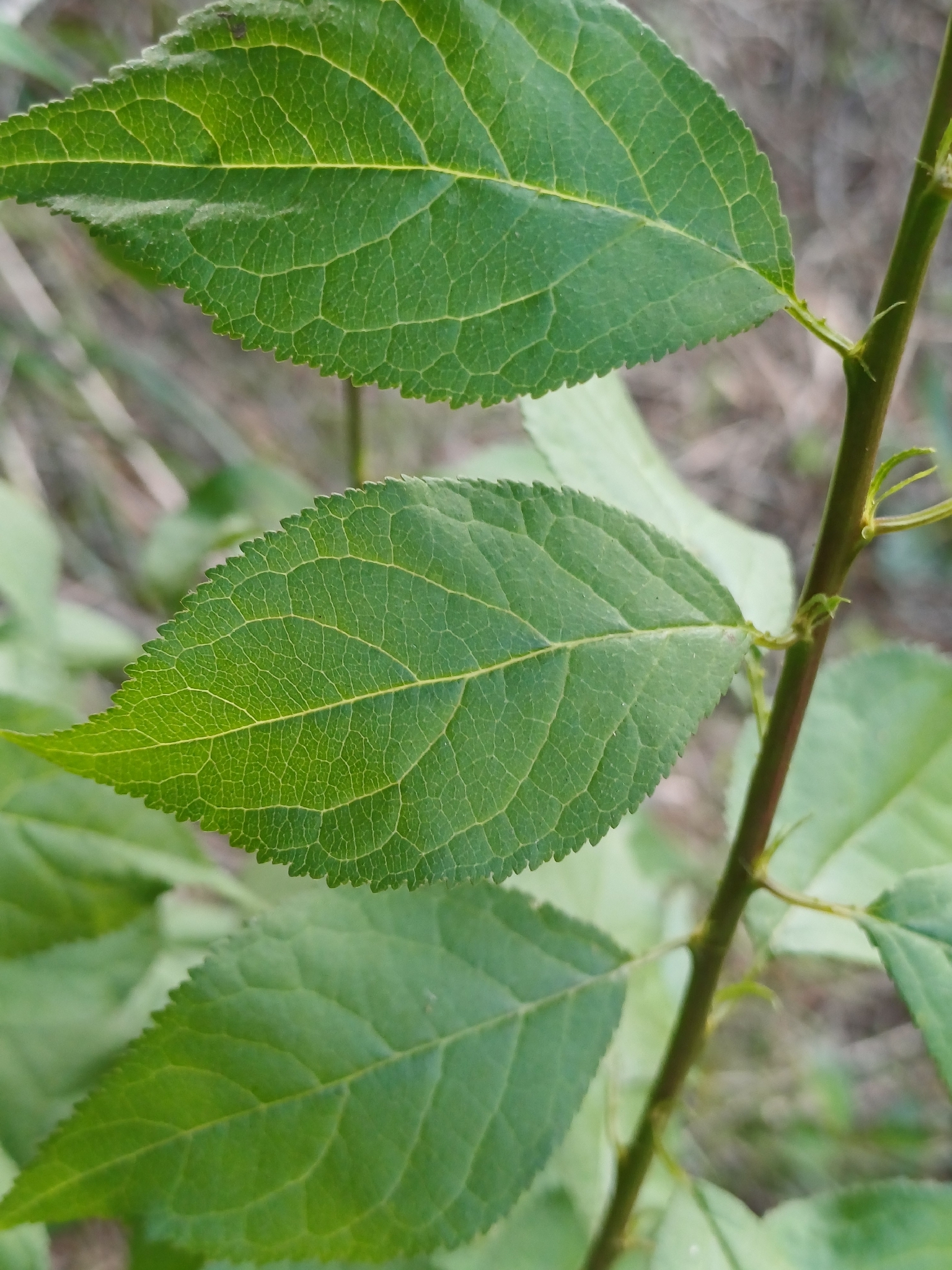
Physically, Prunus mexicana typically grows to a height of 15 to 30 feet, with a similar spread, forming a rounded or irregular crown. The bark is dark brown to black, often fissured with age, providing a textured visual element. Its leaves are alternate, simple, and ovate to elliptical in shape, measuring approximately 2 to 4 inches in length. The leaf margins are finely serrated, and the leaves are typically glossy green on the upper surface and paler beneath. In early spring, before the leaves fully emerge, the plant produces abundant clusters of small, fragrant white flowers. These flowers are typically borne in fascicles and have five petals, contributing to the plant's early spring ornamental appeal. Following successful pollination, the flowers develop into small, drupe-like fruits. The fruits are ovoid, about 1 inch in diameter, and ripen from red to a dark purple or black color in late summer or early fall. Each fruit contains a single, hard seed.
The native distribution of Prunus mexicana extends across a significant portion of the south-central United States, including Texas, Oklahoma, and parts of Arkansas and Louisiana, as well as into northeastern Mexico. It is commonly found in a variety of natural habitats, often preferring well-drained soils in open woodlands, prairies, rocky slopes, and along stream banks. This species demonstrates considerable adaptability and can tolerate a range of soil types, from sandy to clay, as long as they are not waterlogged. Cultivation requirements are generally straightforward; it thrives in full sun to partial shade and is known for its drought tolerance once established. Its resilience to heat and dry conditions makes it a suitable choice for xeriscaping and for areas with limited water resources.
Prunus mexicana plays a role in supporting local wildlife. The fruits are a food source for various birds and small mammals. Ecologically, it contributes to habitat structure and soil stabilization in its native range. While not a primary agricultural crop, the fruits have been historically used by indigenous peoples and settlers for consumption, often processed into jams, jellies, or dried for later use. The tartness of the fruit makes it more palatable when cooked or sweetened. Ornamentally, its profuse spring bloom and attractive fruit display make it a desirable landscape plant, particularly in naturalistic settings.
An interesting characteristic of Prunus mexicana is its ability to form thickets, especially when growing in favorable conditions, which can provide valuable cover for wildlife. Its early blooming period also signifies the arrival of spring, making it an important phenological indicator in its native environment. The plant's hardiness and adaptability to diverse environmental conditions underscore its ecological importance and horticultural value.
Adaptable to various soil types, but prefers well-drained, loamy soil. Tolerant of clay and alkaline conditions.
Temperature
Adaptable
Habitat
Outdoor
Fertilizer
Light feeding
Care Requirements
Light
Full sun to partial shade
Prefers at least 6 hours of direct sunlight daily.
Water
Moderate, consistent moisture
Water regularly, especially during dry spells. Allow soil to dry slightly between waterings.
Soil
Adaptable to various soil types, but prefers well-drained, loamy soil. Tolerant of clay and alkaline conditions.
Temperature
Adaptable
Thrives in temperate climates, tolerates heat and cold.
Habitat
Outdoor
Fertilizer
Light feeding
Apply balanced fertilizer in early spring if needed.
Plant Overview
Plant Type
Tree, Shrub
Plant Category
Flowering, Fruit, Ornamental
Plant Place Type
Ground, Garden
Plant Environment
Outdoor
Lifespan
Perennials
Plant Height
4.5-7.5 m
Spread
3-6 m
Growth Rate
Moderate
Dormancy
Yes
Leaf Color
Green
Leaf Type
Simple
Flower Size
1-1.5 cm
Image Gallery
Flowering & Fruiting Cycles
Monthly activity intensity for bloom and fruit across both hemispheres.
Northern hemisphere
Flowering & fruiting calendar
Peak bloom · AprPeak fruit · Sep
FloweringFruiting
Southern hemisphere
Flowering & fruiting calendar
Peak bloom · OctPeak fruit · May
FloweringFruiting
Synonyms
Prunus fultonensis Sarg.
Prunus lanata (Sudw.) Mack. & Bush
Prunus polyandra Sarg.
Prunus reticulata Sarg.
Taxonomy
kingdomPlantae
divisionTracheophyta
classMagnoliopsida
orderRosales
familyRosaceae
genusPrunus
speciesPrunus mexicana
Toxicity
Toxic for humans
No
Rating: 0/5
Toxic for pets
No
Rating: 0/5
Edible
Yes
Additional Care Tips
Provide consistent moisture, particularly when establishing and during fruiting. Reduce watering in dormancy. Drought tolerant once established.
Prune in late winter or early spring before new growth begins. Remove dead, damaged, or crossing branches. Can be pruned to shape as a tree or shrub. Avoid heavy pruning after flowering.
Easily propagated from seed, which requires stratification. Can also be propagated from cuttings or root suckers, though these methods are less common for home gardeners.
Not typically grown in pots. If container-grown, repot every 2-3 years in spring into a slightly larger pot with fresh potting mix to prevent root-bound conditions.
FAQs
When is the best time to plant Mexican Plum?
The best time to plant Mexican Plum is in late fall after leaf drop or early spring before new growth begins, allowing the roots to establish.
Can Mexican Plum be grown in containers?
While possible, Mexican Plum is a tree that typically grows large and is best suited for in-ground planting. Container growing may stunt its growth and limit fruit production.
How do I care for a Mexican Plum tree in winter?
Mexican Plum is deciduous and enters dormancy in winter. It requires no special care beyond ensuring it is well-watered before the ground freezes if planted recently.
Are the fruits of Prunus mexicana edible?
Yes, the fruits of Prunus mexicana are edible and can be used to make jams, jellies, or eaten fresh after ripening.
What kind of soil does Mexican Plum prefer?
Mexican Plum is adaptable to many soil types but thrives in well-drained, loamy soil. It can tolerate clay and slightly alkaline conditions.