Mexican Stonecrop (Sedum mexicanum)

Lemon Sedum
Mexican Sedum
Mexican Stonecrop
Time Flower

Mexican Stonecrop (Sedum mexicanum) is a low-growing succulent with bright green, fleshy leaves and clusters of yellow star-shaped flowers in summer.

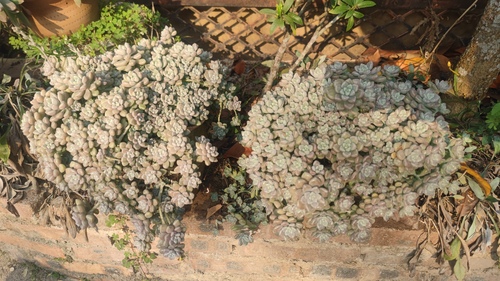
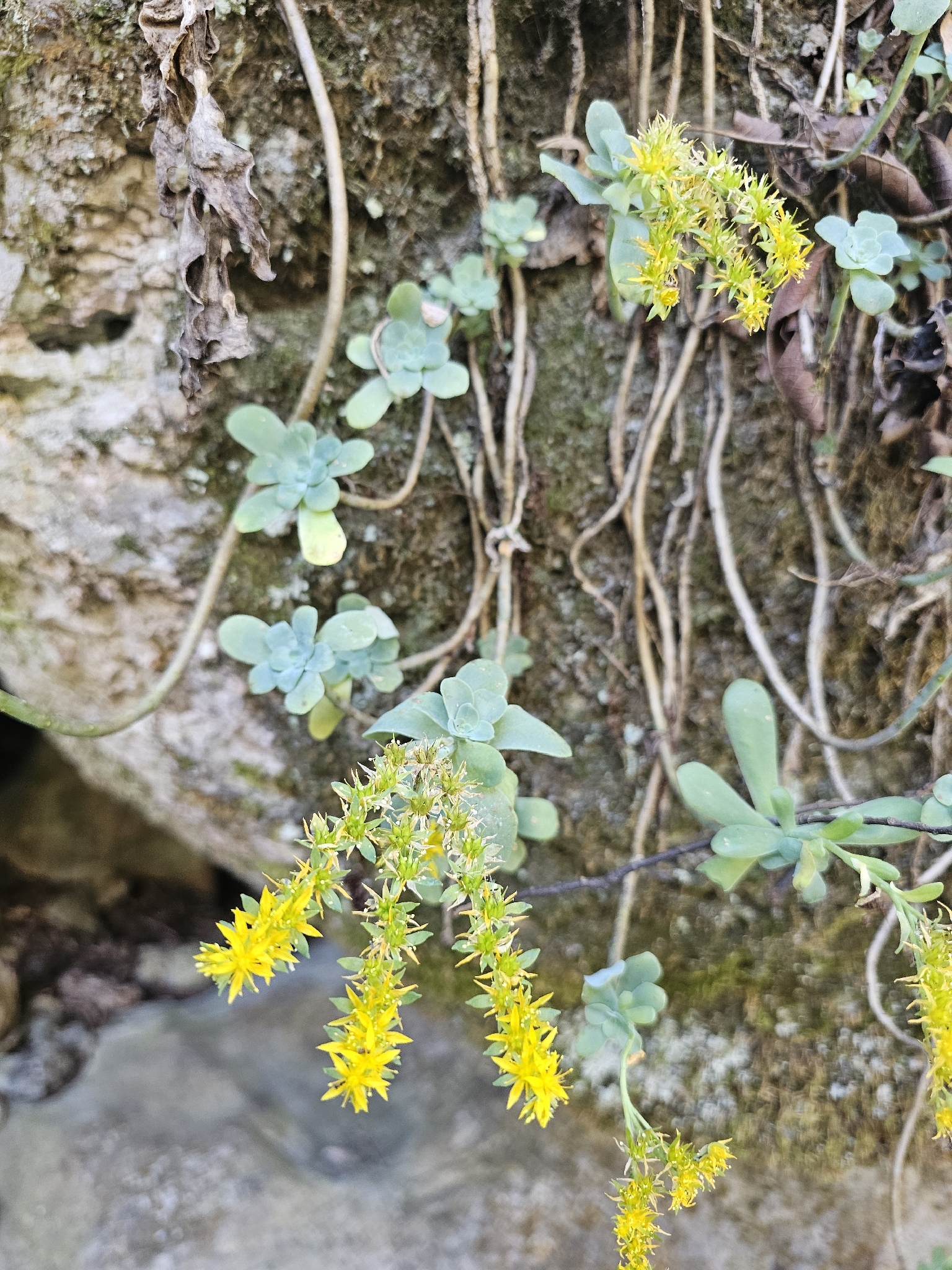
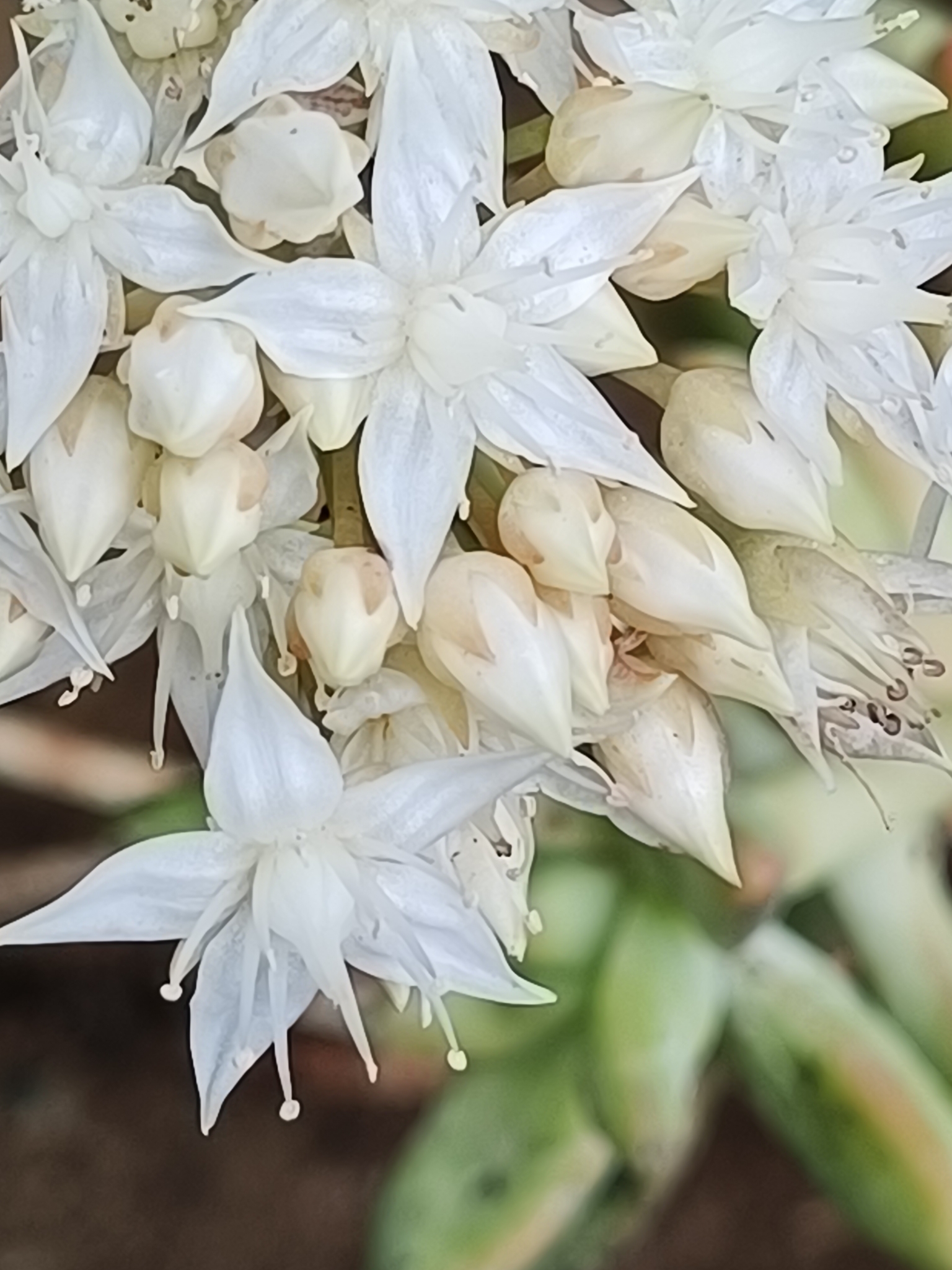
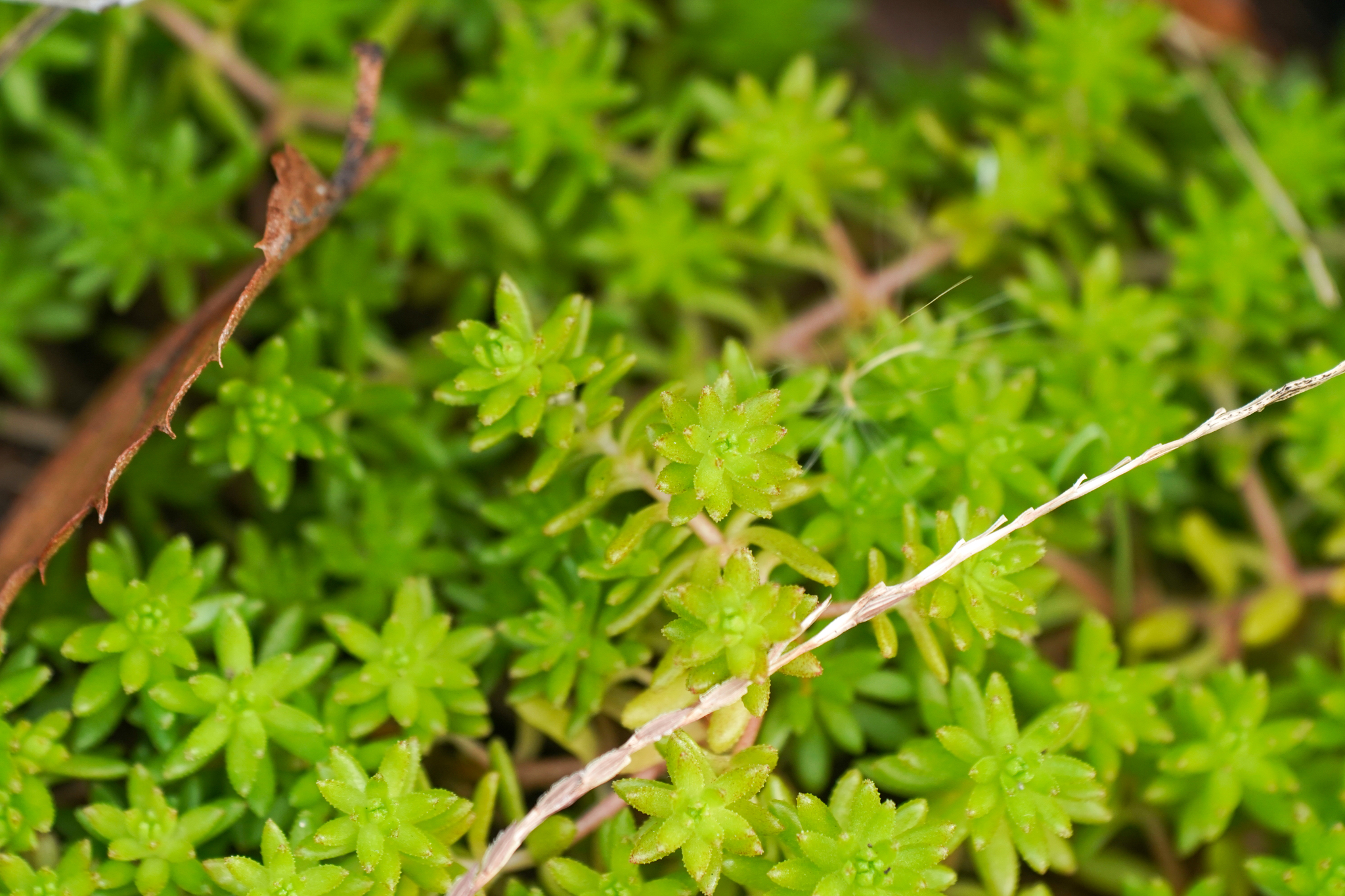
Sedum mexicanum, commonly known as Mexican Stonecrop, is a succulent perennial that offers a vibrant splash of green and yellow to landscapes. This species belongs to the Crassulaceae family, a diverse group of plants renowned for their water-storing capabilities and often striking architectural forms. Mexican Stonecrop is valued for its ease of cultivation and its ability to thrive in conditions that might challenge many other garden plants, making it a popular choice for rock gardens, borders, and as a groundcover. Physically, Sedum mexicanum typically forms a low-growing, spreading mat of fleshy stems. These stems can reach lengths of up to 30 centimeters, often rooting where they touch the soil, which contributes to its effective groundcover habit. The leaves are a key distinguishing feature, being succulent, elongated, and somewhat flattened, with a glossy, bright green appearance. They are arranged alternately along the stems, giving the plant a dense and attractive foliage display throughout the growing season. During the summer months, Sedum mexicanum produces clusters of small, star-shaped flowers. These blooms are typically a bright yellow, providing a cheerful contrast to the green foliage. The flowers are borne on short stalks that rise slightly above the main body of the plant. Following flowering, small, dry seed capsules develop, though propagation is more commonly achieved through vegetative means. The native distribution of Sedum mexicanum is primarily within Mexico, where it is found in arid and semi-arid regions. It typically grows in rocky outcrops, crevices, and open, well-drained soils, often in areas that receive ample sunlight. Its natural habitat has shaped its cultivation requirements, which are quite straightforward. Sedum mexicanum thrives in full sun to partial shade, with full sun generally promoting the most compact growth and abundant flowering. It is exceptionally drought-tolerant once established, a characteristic stemming from its succulent leaves which store water. Well-drained soil is paramount; it performs best in sandy or gravelly conditions and will not tolerate waterlogged sites, which can lead to root rot. It is also known for its hardiness, tolerating a range of temperatures, although extreme cold may cause dieback in less protected areas. While not widely recognized for significant medicinal, culinary, or economic uses, Sedum mexicanum holds considerable ornamental value. Its low-growing habit, attractive foliage, and bright yellow flowers make it an excellent choice for adding texture and color to gardens, particularly in rock gardens, xeriscapes, and as a drought-tolerant groundcover. Its ability to suppress weeds and stabilize soil on slopes further enhances its utility. An interesting adaptation of Sedum mexicanum, common to many succulents, is its CAM (Crassulacean Acid Metabolism) photosynthesis. This metabolic pathway allows the plant to open its stomata (pores) at night to absorb carbon dioxide, minimizing water loss during the hot, dry days. This is a crucial adaptation for survival in its native arid environment and contributes to its remarkable drought tolerance in cultivation.

Above information is sourced from Wikipedia

Sunlight

Prefers full sun to partial shade.

Watering

Allow soil to dry out completely between waterings.

Soil

Well-drained

Temperature

Prefers average room temperatures.

Fertilizer

Feed sparingly during the growing season.

Care Requirements

Light

Prefers full sun to partial shade.

Morning sun is ideal; intense afternoon sun in hot climates can scorch leaves.

Watering

Allow soil to dry out completely between waterings.

Prefers infrequent watering, especially in cooler months.

Soil

Well-drained

Temperature

Prefers average room temperatures.

Tolerates heat well; protect from hard freezes. Ideal range 18-24°C.

Fertilizer

Feed sparingly during the growing season.

Use a diluted succulent fertilizer once or twice in spring/summer.

Plant Overview

Plant Type

Succulent

Plant Category

Ornamental

Plant Place Type

Garden, Pot

Lifespan

Perennial

Plant Height

0.1-0.2 m

Spread

0.5-1 m

Growth Rate

Moderate

Dormancy

None

Leaf Color

Green

Leaf Type

Fleshy

Flower Size

1-2 cm

Optimal Sunlight Lux

60000

Image Gallery

Flowering & Fruiting Cycles

Monthly activity intensity for bloom and fruit across both hemispheres.

Northern hemisphere

Flowering & fruiting calendar

Peak bloom · AugPeak fruit · Sep
FloweringFruiting
02468JanFebMarAprMayJunJulAugSepOctNovDecActivity intensityMonths84
Southern hemisphere

Flowering & fruiting calendar

Peak bloom · AprPeak fruit · Apr
FloweringFruiting
02468JanFebMarAprMayJunJulAugSepOctNovDecActivity intensityMonths84
Taxonomy
  • kingdomPlantae
  • divisionTracheophyta
  • classMagnoliopsida
  • orderSaxifragales
  • familyCrassulaceae
  • genusSedum
  • speciesSedum mexicanum
Toxicity

Toxic for humans

No

Rating: 0/5

Toxic for pets

No

Rating: 0/5

Additional Care Tips

Allow the soil to dry out completely between waterings. Overwatering is the most common cause of root rot. Water thoroughly when dry, ensuring good drainage. Reduce watering significantly during winter dormancy to prevent waterlogged conditions and potential fungal issues.

Prune Sedum mexicanum primarily to maintain shape and remove dead or damaged stems. Pinch back leggy growth in spring to encourage bushier, more compact form. Pruning after flowering can tidy up the plant and prevent self-seeding if unwanted.

Easily propagated from stem cuttings. Take cuttings in spring or summer, allow them to callus for a few days, and then plant in well-draining soil. Cuttings root readily, often within a few weeks, making it a simple way to increase your plant collection.

Repot Sedum mexicanum every 2-3 years, or when it becomes root-bound. Use a fast-draining succulent or cactus potting mix. Choose a pot only slightly larger than the current one, ensuring it has drainage holes to prevent waterlogging.

FAQs

How much sun does Sedum mexicanum need?

Sedum mexicanum thrives in full sun to partial shade. It prefers at least 6 hours of direct sunlight per day for best flowering and compact growth.

What type of soil is best for Mexican Stonecrop?

This succulent prefers well-draining soil. Sandy or gritty potting mixes are ideal to prevent waterlogging, which can lead to root rot.

How often should I water Sedum mexicanum?

Water moderately when the soil is dry to the touch. Allow the soil to dry out completely between waterings, especially in cooler months. It is very drought tolerant.

Is Sedum mexicanum cold hardy?

Sedum mexicanum is moderately cold hardy, generally tolerating temperatures down to -6.7 degrees Celsius (20 degrees Fahrenheit). In colder climates, it may need winter protection or to be grown as an annual.

How do I propagate Sedum mexicanum?

Propagation is easy from stem cuttings. Simply take cuttings, allow them to callus for a few days, and then plant them in well-draining soil. They will root readily.