Mexican Thistle (Cirsium mexicanum) – Benefits, Growing Guide & Care | ePlant AI
Mexican Thistle (Cirsium mexicanum)
Mexican Thistle (Cirsium mexicanum) is a spiny herbaceous perennial native to Mexico, known for its vibrant purple flower heads and ecological importance.
Cirsium mexicanum, commonly known as Mexican Thistle, is a herbaceous perennial belonging to the Asteraceae family, a diverse group that includes many familiar wildflowers and cultivated plants. This species is recognized for its distinctive thistle characteristics and its presence within its native range.
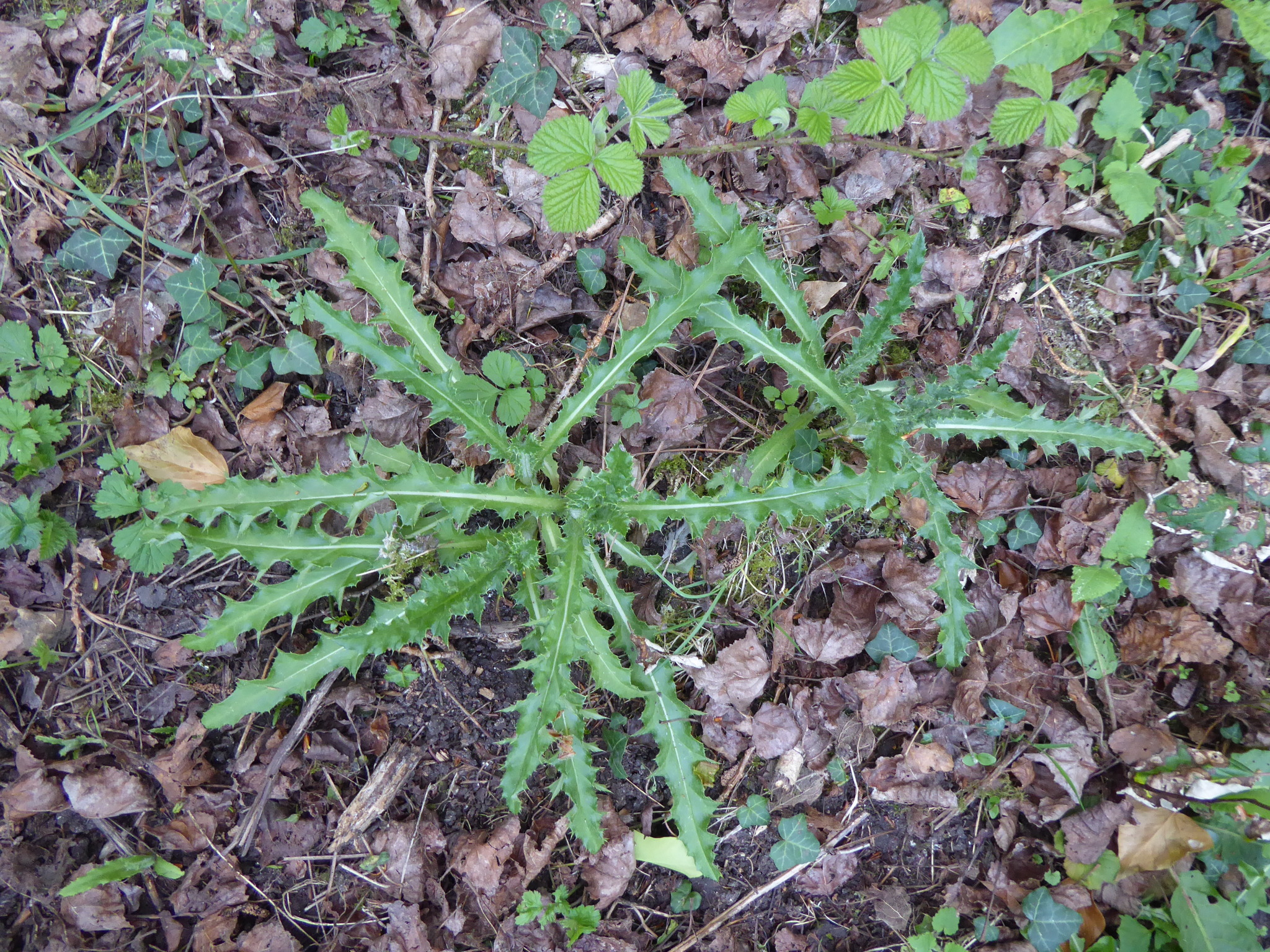
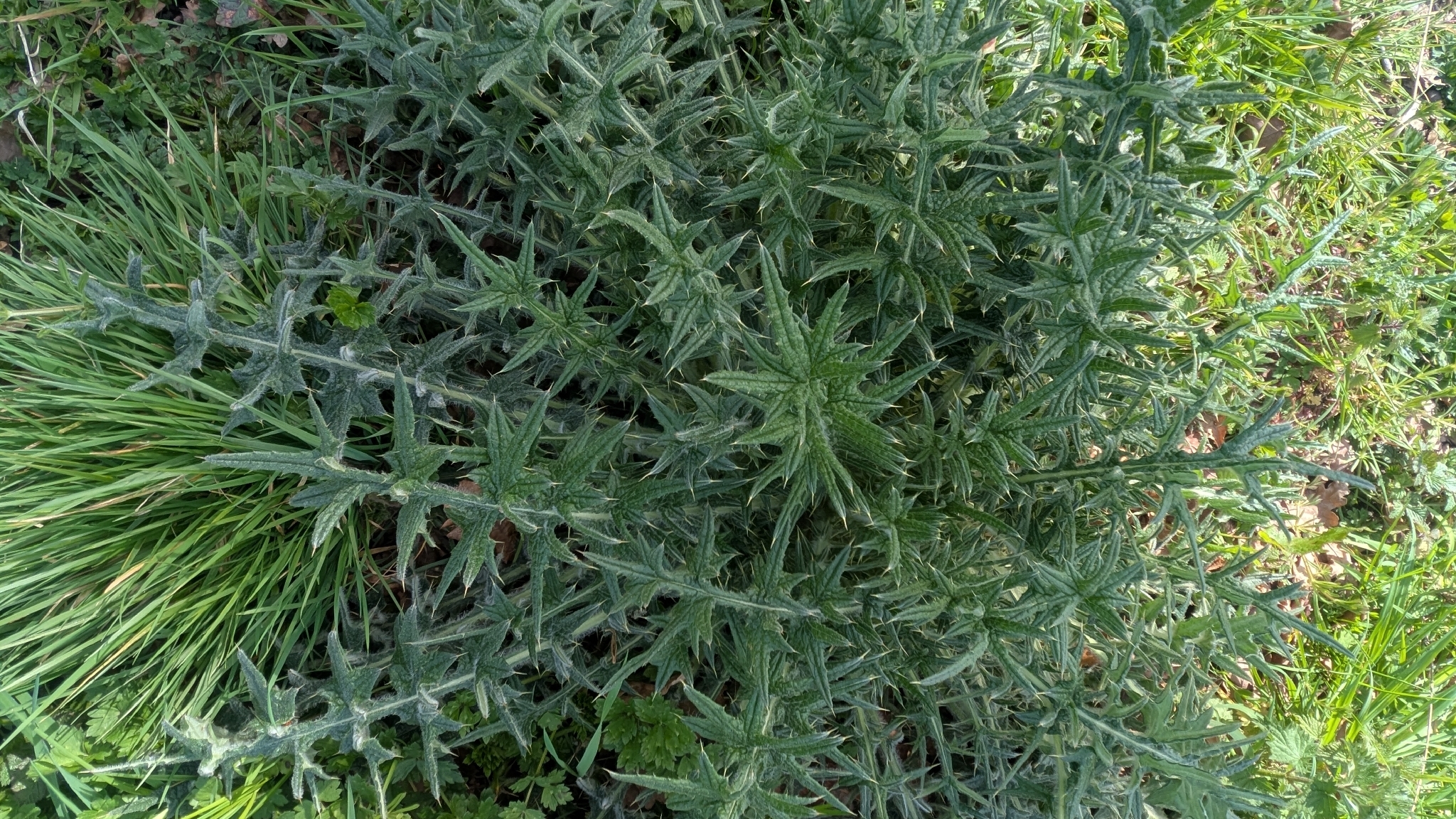
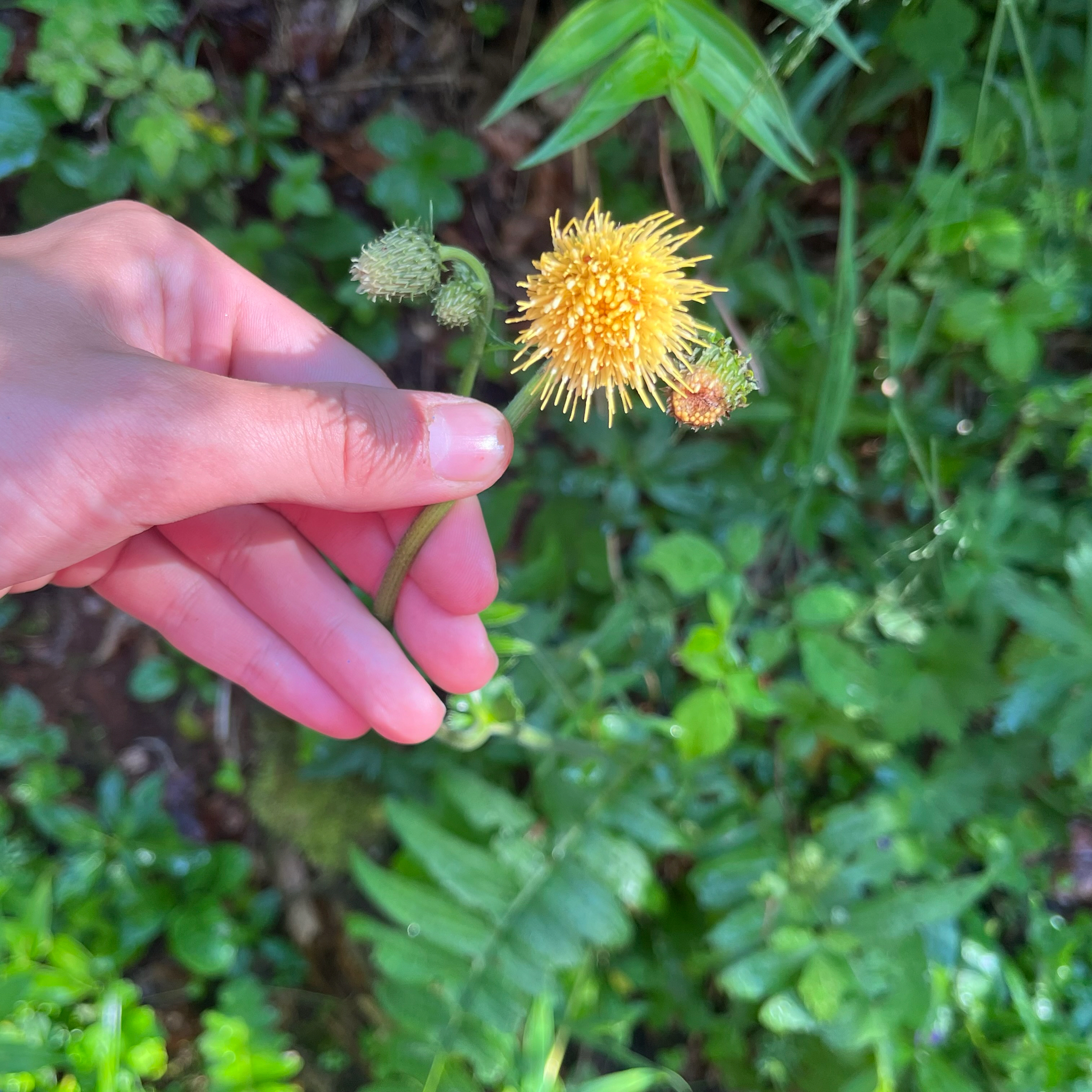
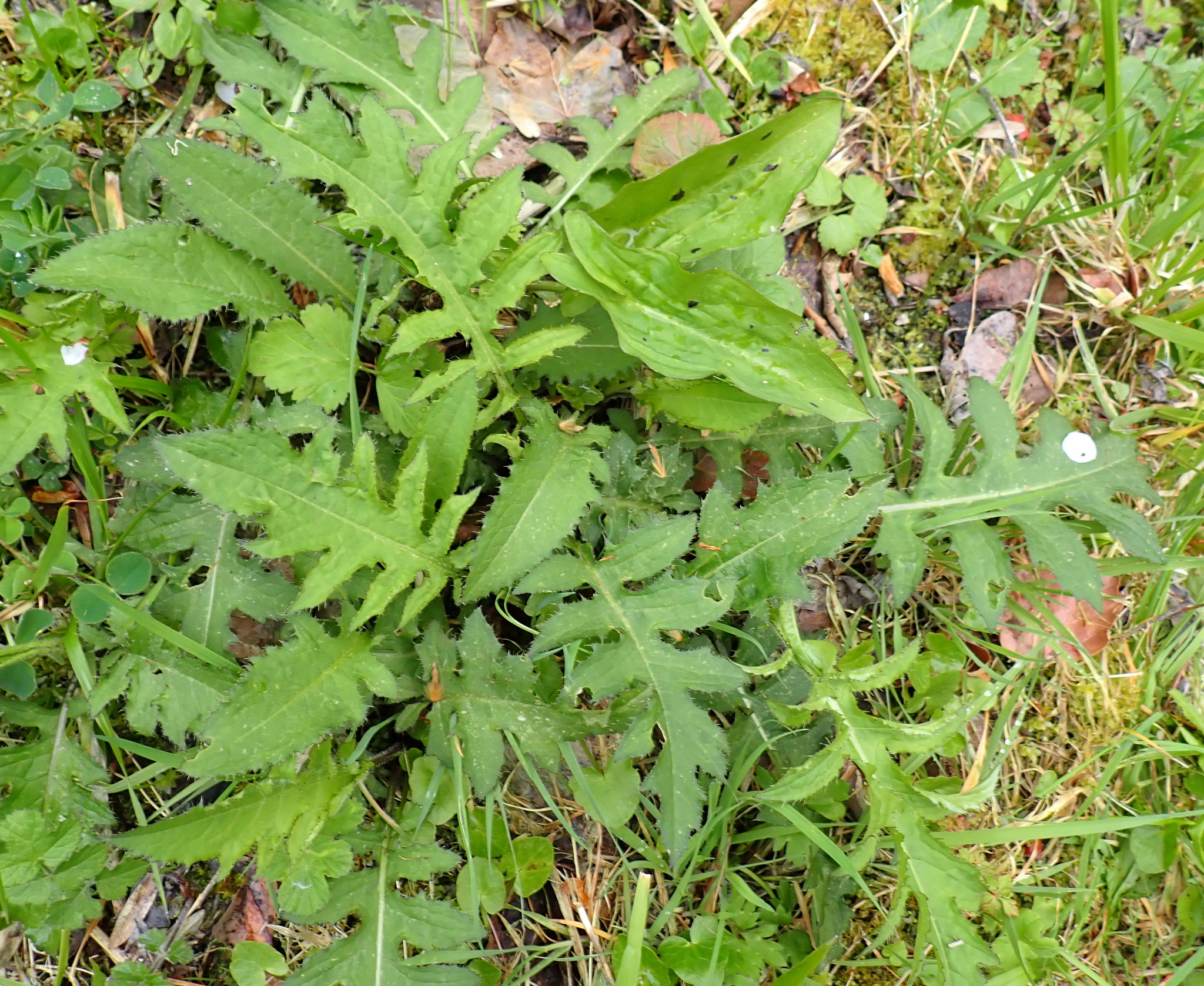
Physically, Cirsium mexicanum typically presents as an erect plant, often reaching heights of 0.5 to 1.5 meters. Its growth habit is generally solitary or forms loose clumps. The stems are usually ribbed and can be sparsely to moderately spiny. The leaves are arranged alternately along the stem. They are typically pinnately lobed or divided, with toothed or spiny margins, a characteristic feature of many thistles. The upper surface of the leaves is often glabrous or sparsely hairy, while the underside may be more pubescent. The root system is typically taprooted, contributing to its resilience. The plant produces composite flower heads, characteristic of the Asteraceae family. These flower heads are borne singly or in small clusters at the apex of the stems. The involucre, the whorl of bracts surrounding the base of the flower head, is typically imbricated and may bear spiny appendages. The ray florets are absent, and the flower heads are composed entirely of tubular disc florets, which are usually purplish or pinkish in color. Following pollination, the fruits develop as achenes, which are small, dry, indehiscent fruits, each typically crowned with a pappus of bristles. This pappus aids in wind dispersal of the seeds.
The native distribution of Cirsium mexicanum is primarily within Mexico, where it inhabits a range of natural environments. It is often found in grasslands, open woodlands, and disturbed areas, typically at moderate to high elevations. Its habitat preferences suggest a need for well-drained soils and a climate that can support its growth cycle. While specific cultivation requirements are not extensively documented for widespread horticultural use, its native habitat suggests it would likely perform best in sunny locations with average to poor soil fertility and good drainage. It is generally considered a hardy plant within its native ecological niche.
The ecological role of Cirsium mexicanum is primarily as a component of its native grassland and open woodland ecosystems. Like other thistles, its flowers can provide a nectar source for pollinators, and its seeds may be consumed by birds. Its spiny nature can offer some protection against herbivores. Scientifically documented medicinal, culinary, or economic uses for Cirsium mexicanum are not widely established or recognized in mainstream botanical literature. Therefore, any such claims would require rigorous scientific verification.
An interesting characteristic of Cirsium mexicanum, shared with many members of the Cirsium genus, is its adaptation to arid or semi-arid conditions, often indicated by its spiny foliage which can reduce water loss and deter herbivores. The development of a robust taproot system further aids in accessing water resources in drier environments. The pappus on its achenes is a classic example of an adaptation for anemochory, or wind dispersal, allowing the species to colonize new areas.
Water regularly, allowing soil to dry slightly between waterings.
Soil
Well-draining soil; adaptable to various soil types.
Temperature
Thrives in moderate temperatures.
Habitat
Outdoor
Fertilizer
Fertilize sparingly in spring with a balanced fertilizer.
Care Requirements
Light
Prefers full sun but tolerates partial shade.
More sun leads to better flowering.
Water
Water regularly, allowing soil to dry slightly between waterings.
Avoid overwatering.
Soil
Well-draining soil; adaptable to various soil types.
Temperature
Thrives in moderate temperatures.
Ideal growing range is 15-25 °C.
Habitat
Outdoor
Fertilizer
Fertilize sparingly in spring with a balanced fertilizer.
Avoid over-fertilization.
Plant Overview
Plant Type
Herb
Plant Category
Flowering, Ornamental
Plant Place Type
Ground, Garden
Plant Environment
Outdoor
Lifespan
Perennials
Plant Height
0.6-1.5 m
Spread
0.3-0.6 m
Growth Rate
Moderate
Dormancy
None
Leaf Color
Green
Leaf Type
Lobed, spiny
Flower Size
3-5 cm
Image Gallery
Flowering & Fruiting Cycles
Monthly activity intensity for bloom and fruit across both hemispheres.
Northern hemisphere
Flowering & fruiting calendar
Peak bloom · AugPeak fruit · Aug
FloweringFruiting
Southern hemisphere
Flowering & fruiting calendar
Peak bloom · AprPeak fruit · May
FloweringFruiting
Synonyms
Carduus mexicanus (DC.) Greene
Cirsium costaricense (Pol.) Petr.
Cirsium costaricense Klatt ex T.Durand & Piit.
Cirsium portoricense (Kuntze) Petr.
Cnicus costaricensis Pol.
Cnicus mexicanus (DC.) Hemsl.
Cnicus portoricensis Kuntze
Taxonomy
kingdomPlantae
divisionTracheophyta
classMagnoliopsida
orderAsterales
familyAsteraceae
genusCirsium
speciesCirsium mexicanum
Toxicity
Toxic for humans
No
Rating: 0/5
Toxic for pets
No
Rating: 0/5
Edible
No
Additional Care Tips
Water consistently, especially during dry periods. Allow the top inch of soil to dry out between waterings to prevent root rot. Reduce watering in cooler months.
Prune after flowering to remove spent blooms and shape the plant. Cut back dead or damaged stems in late winter or early spring before new growth begins.
Propagate by seed sown in spring or fall, or by division of clumps in early spring. Seeds may benefit from stratification.
Not typically repotted as it is usually grown outdoors in the ground. If grown in a container, repot in spring every 2-3 years into a slightly larger pot with fresh potting mix.
FAQs
Is Mexican Thistle invasive?
Cirsium mexicanum is not generally considered invasive. It is native to Mexico and typically behaves as a well-behaved perennial in garden settings.
What are the care requirements for Mexican Thistle?
It requires full sun to partial shade, well-draining soil, and regular watering. It is relatively low-maintenance once established.
When does Mexican Thistle bloom?
Mexican Thistle typically blooms from summer through fall, producing vibrant purple or pink flower heads.
Can Mexican Thistle be grown in containers?
Yes, it can be grown in containers, provided the pot is large enough and has good drainage. Ensure consistent watering and adequate sunlight.
Does Mexican Thistle attract pollinators?
Yes, its nectar-rich flowers are highly attractive to bees, butterflies, and other beneficial insects, making it a good choice for pollinator gardens.