Michaelmas Daisy (Symphyotrichum novi-belgii)

Common Michaelmas Daisy
Confused Michaelmas Daisy
Herfstaster (dutch)
Long-Leaved Aster
Michaelmas Daisy

Symphyotrichum novi-belgii, or Michaelmas Daisy, is a perennial herb with abundant late-season flowers in blue, purple, pink, and white. It attracts pollinators and thriv

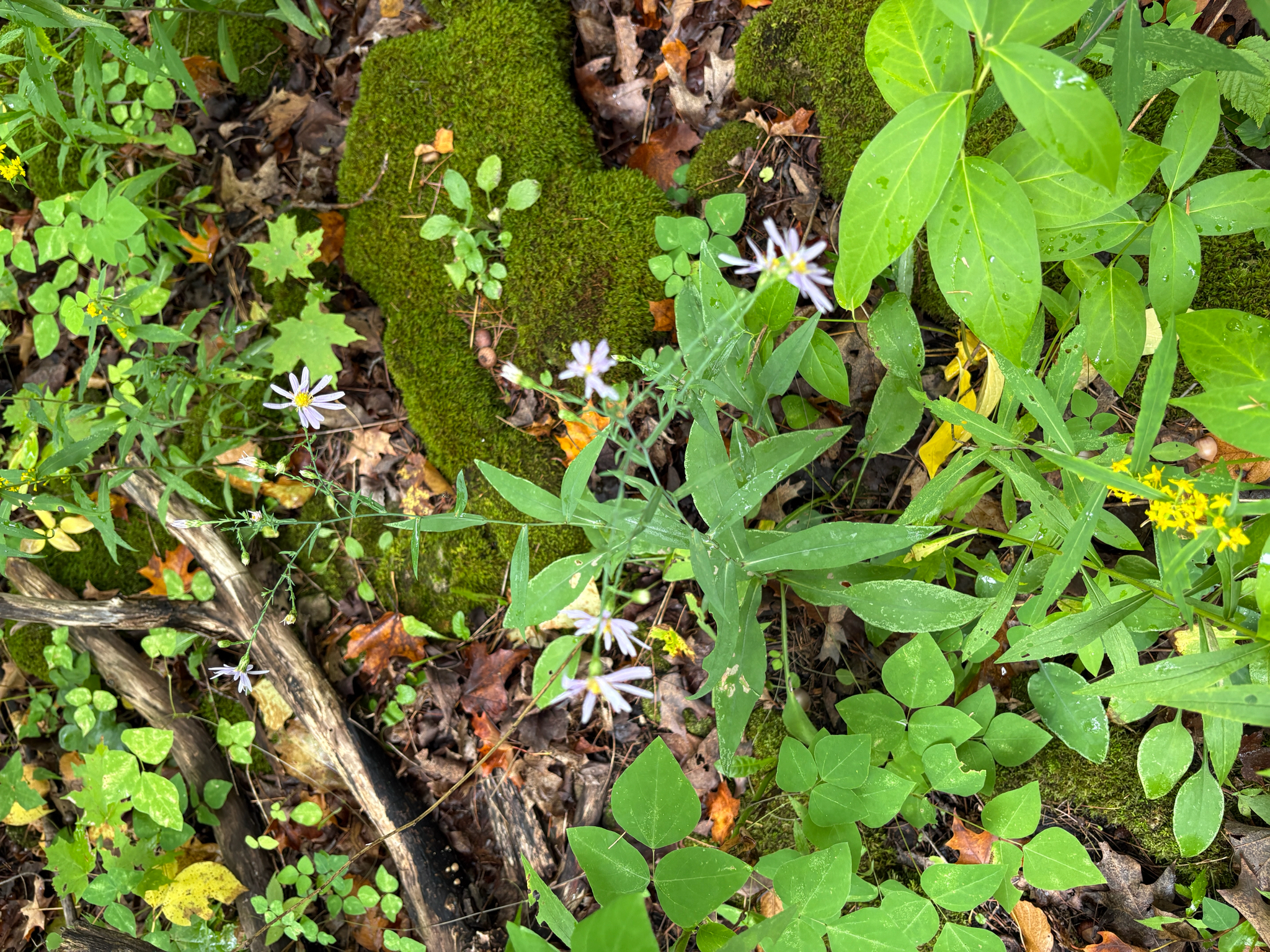
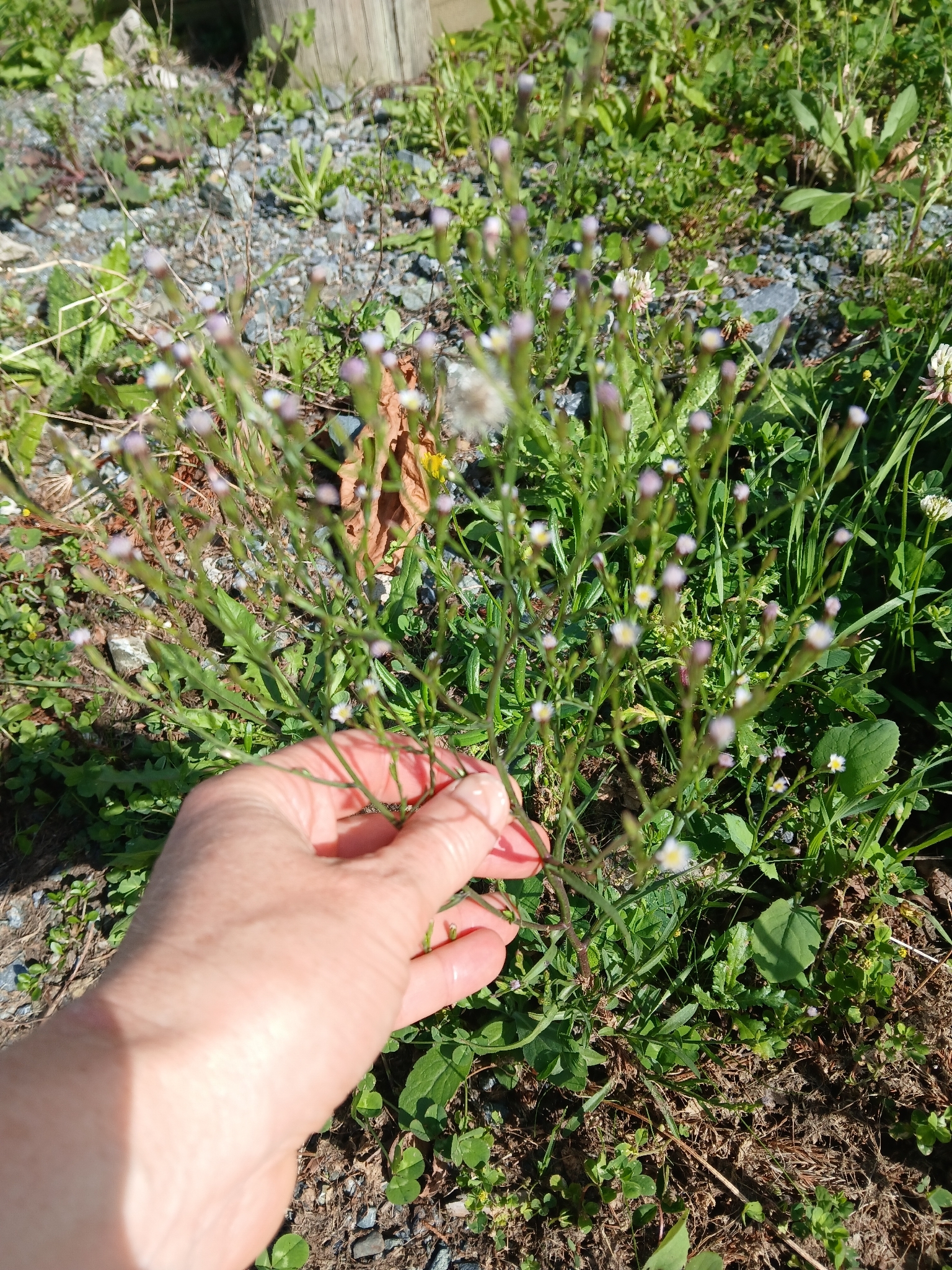
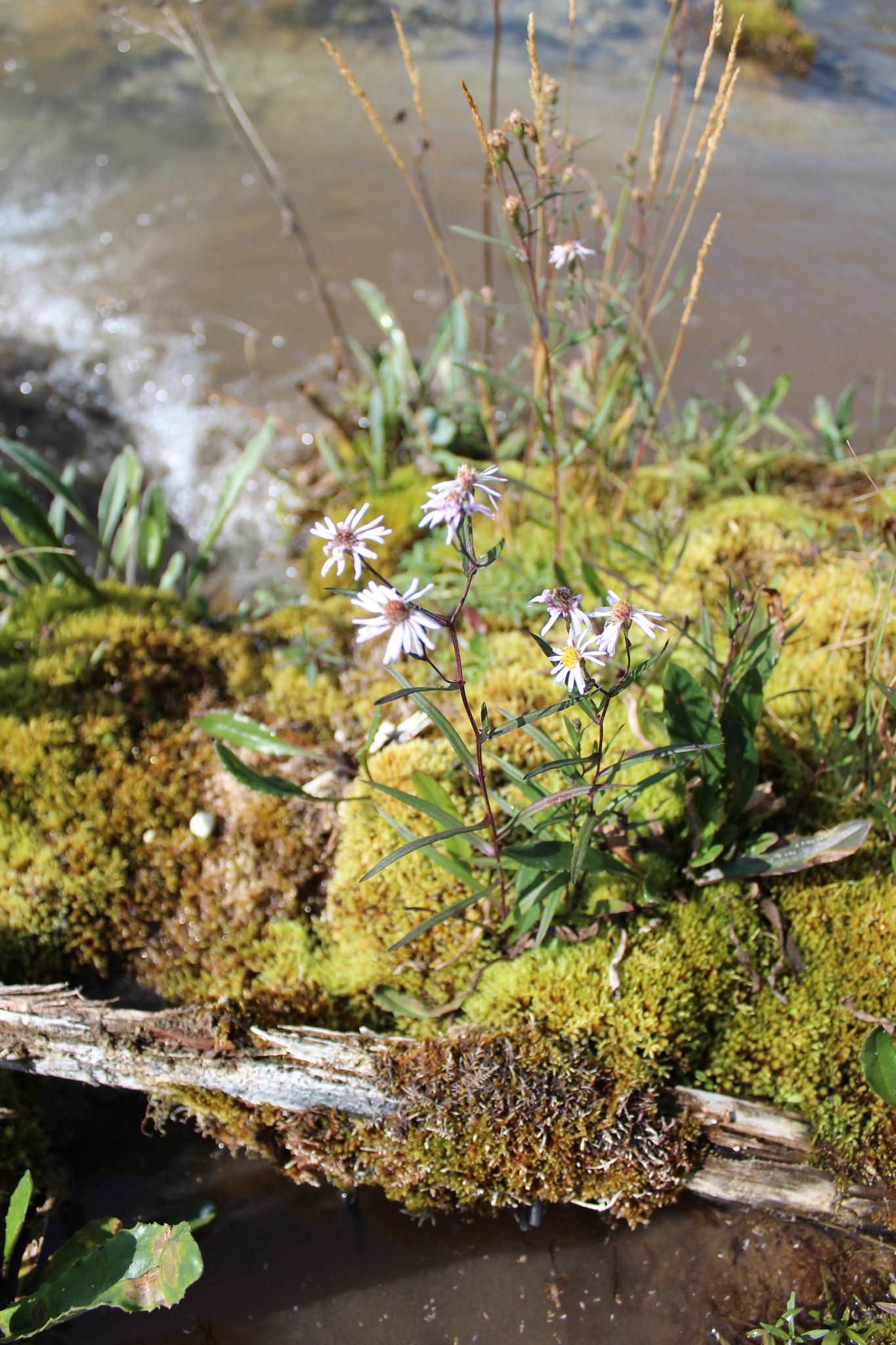
Symphyotrichum novi-belgii, commonly known as the Michaelmas Daisy, is a perennial herbaceous plant celebrated for its late-season floral display. This species belongs to the Asteraceae family, a diverse group that includes many familiar flowering plants. The Michaelmas Daisy is a significant ornamental plant, particularly valued for its ability to provide color in gardens as summer wanes and autumn approaches. Its name, "Michaelmas Daisy," refers to its typical blooming period around Michaelmas, a Christian feast day observed on September 29th. The growth habit of Symphyotrichum novi-belgii is typically clump-forming, with erect stems that can reach heights ranging from 30 to 120 centimeters, depending on the specific cultivar and growing conditions. The stems are generally smooth or slightly hairy. The leaves are alternate, simple, and vary in shape along the stem. Basal leaves are often spatulate or oblanceolate and may wither before flowering, while the stem leaves are typically lanceolate to oblong, with entire or finely toothed margins. The most striking feature of Symphyotrichum novi-belgii is its inflorescence, which consists of numerous daisy-like flower heads. These flower heads are typically 2 to 4 centimeters in diameter and feature ray florets that are most commonly violet-blue, but can also be pink or white, surrounding a central disc of yellow to brownish-yellow disc florets. The fruit is an achene, a small, dry, indehiscent fruit containing a single seed, often topped with a pappus of bristles that aids in wind dispersal. Symphyotrichum novi-belgii is native to eastern North America, where it naturally occurs in coastal areas, salt marshes, sandy shores, and open woodlands. It thrives in moist, well-drained soils and prefers full sun to partial shade. While its native range is specific, it has been widely cultivated and naturalized in many parts of the world due to its horticultural appeal. In cultivation, it adapts to a variety of soil types, provided they are not waterlogged, and benefits from regular watering, especially during dry periods. Deadheading spent flowers can encourage further blooming and prevent self-seeding. The ecological role of Symphyotrichum novi-belgii is primarily as a nectar and pollen source for a variety of pollinators, including bees and butterflies, during the late summer and autumn when many other flowering plants are past their peak. Its seeds are also consumed by some small birds. Ornamentally, it is a popular choice for borders, cottage gardens, and naturalistic plantings, providing vibrant color and attracting beneficial insects. While not widely recognized for medicinal or culinary uses, its primary importance lies in its aesthetic contribution to landscapes and its support of local ecosystems through its role as a food source for wildlife. Interesting adaptations include its ability to tolerate saline conditions in its native coastal habitats and its late blooming period, which synchronizes with the needs of migratory insects.

Above information is sourced from Wikipedia

Sunlight

Full sun to partial shade

Watering

Consistently moist, well-drained soil

Soil

Well-drained, fertile, moist loam or clay

Temperature

Hardy in temperate zones, thrives in 15-25 °C

Habitat

Outdoor

Fertilizer

Light feeding in spring

Care Requirements

Light

Full sun to partial shade

Water

Consistently moist, well-drained soil

Soil

Well-drained, fertile, moist loam or clay

Temperature

Hardy in temperate zones, thrives in 15-25 °C

Habitat

Outdoor

Fertilizer

Light feeding in spring

Plant Overview

Plant Type

Herb

Plant Category

Flowering, Ornamental

Plant Place Type

Ground, Garden, Pot

Plant Environment

Outdoor

Lifespan

Perennials

Plant Height

0.6-1.5 m

Spread

0.3-0.9 m

Growth Rate

Medium to fast

Dormancy

Winter

Leaf Color

Green

Leaf Type

Simple, Lanceolate

Flower Size

2-5 cm

Optimal Sunlight Lux

70000

Weed Status

Yes

Image Gallery

Flowering & Fruiting Cycles

Monthly activity intensity for bloom and fruit across both hemispheres.

Northern hemisphere

Flowering & fruiting calendar

Peak bloom · OctPeak fruit · Nov
FloweringFruiting
02468JanFebMarAprMayJunJulAugSepOctNovDecActivity intensityMonths85
Southern hemisphere

Flowering & fruiting calendar

Peak bloom · DecPeak fruit · Feb
FloweringFruiting
02468JanFebMarAprMayJunJulAugSepOctNovDecActivity intensityMonths85
Synonyms
Amellus novi-belgii (L.) Opiz
Aster novi-belgii L.
Taxonomy
  • kingdomPlantae
  • divisionTracheophyta
  • classMagnoliopsida
  • orderAsterales
  • familyAsteraceae
  • genusSymphyotrichum
  • speciesSymphyotrichum novi-belgii
Toxicity

Toxic for humans

No

Rating: 0/5

Toxic for pets

No

Rating: 0/5

Edible

No

Additional Care Tips

Michaelmas Daisies prefer consistently moist soil, especially during dry periods. Water deeply at the base of the plant, ensuring the soil is thoroughly saturated but not waterlogged. Reduce watering frequency in cooler, wetter weather or during dormancy. Avoid overhead watering to minimize fungal issues.

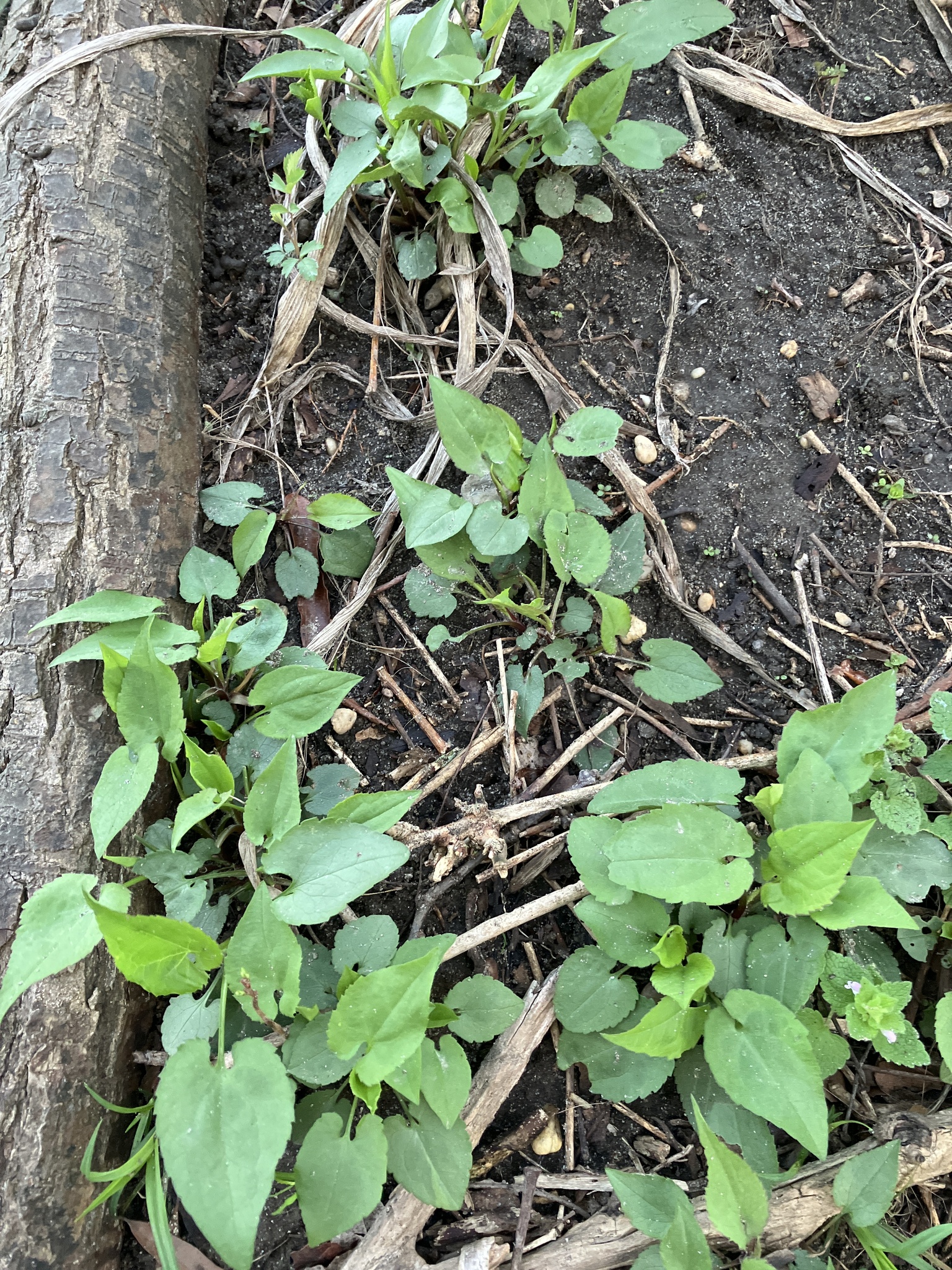
Prune in late spring or early summer by pinching back stems to encourage bushier growth and more flowers. Deadhead spent blooms to prolong flowering and prevent self-seeding. Cut back all stems to ground level after the first hard frost in late autumn or early winter to prepare for dormancy and prevent disease.

Easily propagated by division in early spring every 2-3 years to maintain vigor and control spread. Cuttings can be taken in late spring or early summer from non-flowering shoots. Seeds can also be sown, though cultivars may not come true from seed. Division is the most common and effective method.

For container-grown plants, repot every 1-2 years in early spring into a slightly larger pot with fresh, well-draining potting mix. This refreshes the soil and provides more space for root growth. When dividing, replant smaller sections into new pots or garden locations. Ensure good drainage in the new container.

FAQs

When do Michaelmas Daisies typically bloom?

Michaelmas Daisies (Symphyotrichum novi-belgii) are known for their late-season blooms, typically flowering from late August through October or even November, providing vibrant color as other garden plants fade.

What are the ideal growing conditions for Michaelmas Daisies?

These plants thrive in full sun to partial shade and prefer consistently moist, well-drained soil. They are adaptable to various soil types, including loam and clay, as long as drainage is adequate.

Are Michaelmas Daisies considered invasive?

While not always invasive, Symphyotrichum novi-belgii can spread vigorously through rhizomes and self-seeding, especially in favorable conditions. Regular division every few years helps manage its spread and maintain plant vigor.

How should I prune my Michaelmas Daisies?

Pinch back stems in late spring or early summer to encourage bushier growth and more flowers. Deadhead spent blooms to prolong flowering. After the first hard frost, cut all stems back to ground level for winter dormancy.

Are Michaelmas Daisies safe for pets?

Yes, Michaelmas Daisies (Symphyotrichum novi-belgii) are generally considered non-toxic to common household pets like dogs, cats, and horses, according to authoritative sources such as the ASPCA.