Michigan Lily (Lilium michiganense) – Benefits, Growing Guide & Care | ePlant AI
Michigan Lily (Lilium michiganense)
Lilium michiganense, the Michigan Lily, is a tall perennial wildflower native to North America, featuring vibrant orange-red flowers and an upright growth habit.
Lilium michiganense, commonly known as the Michigan Lily, is a striking native wildflower found in North America, celebrated for its vibrant orange-red blooms and its ecological role within its natural communities. This perennial herbaceous plant is a member of the Liliaceae family, distinguished by its elegant stature and showy inflorescence.
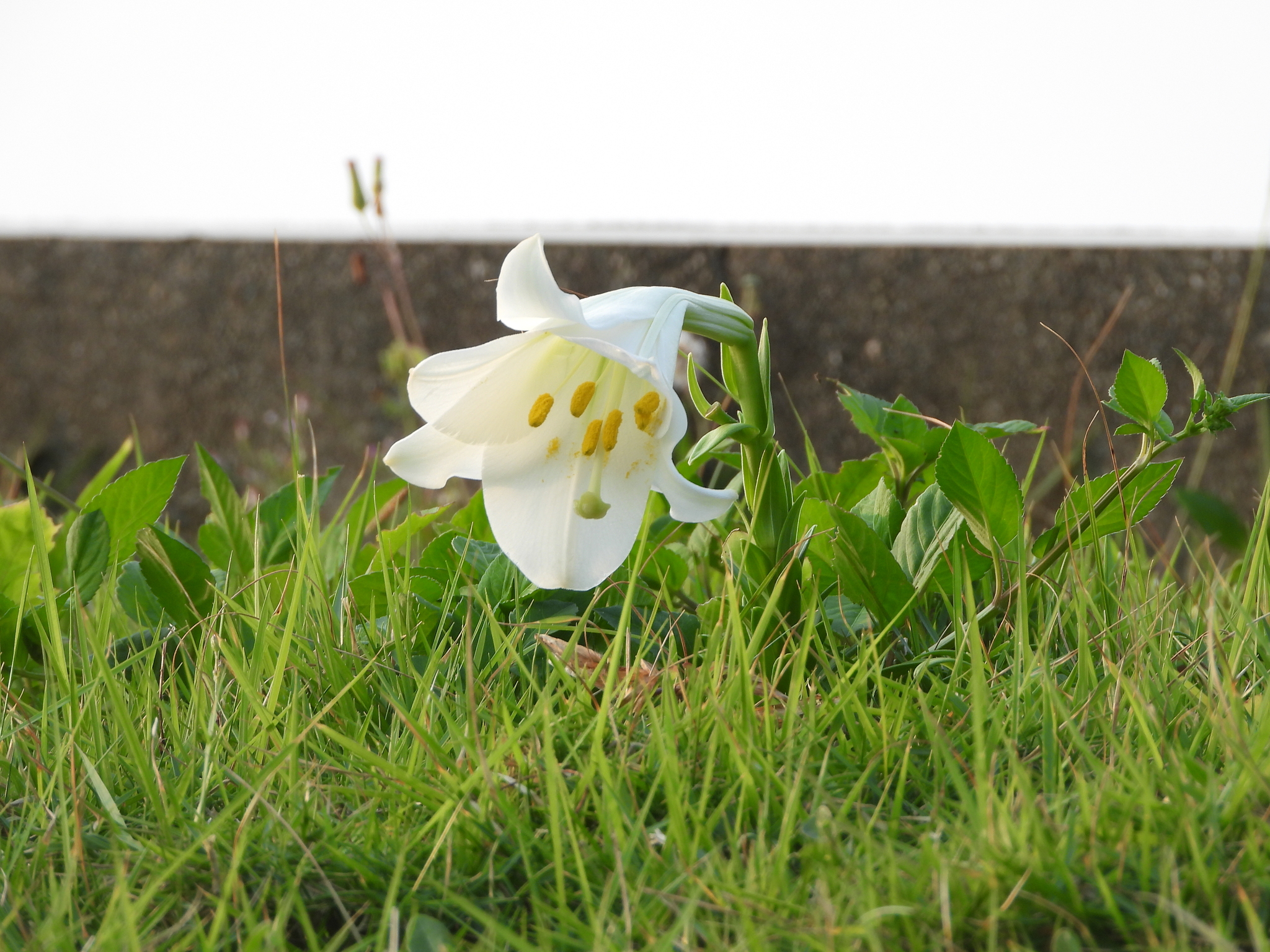
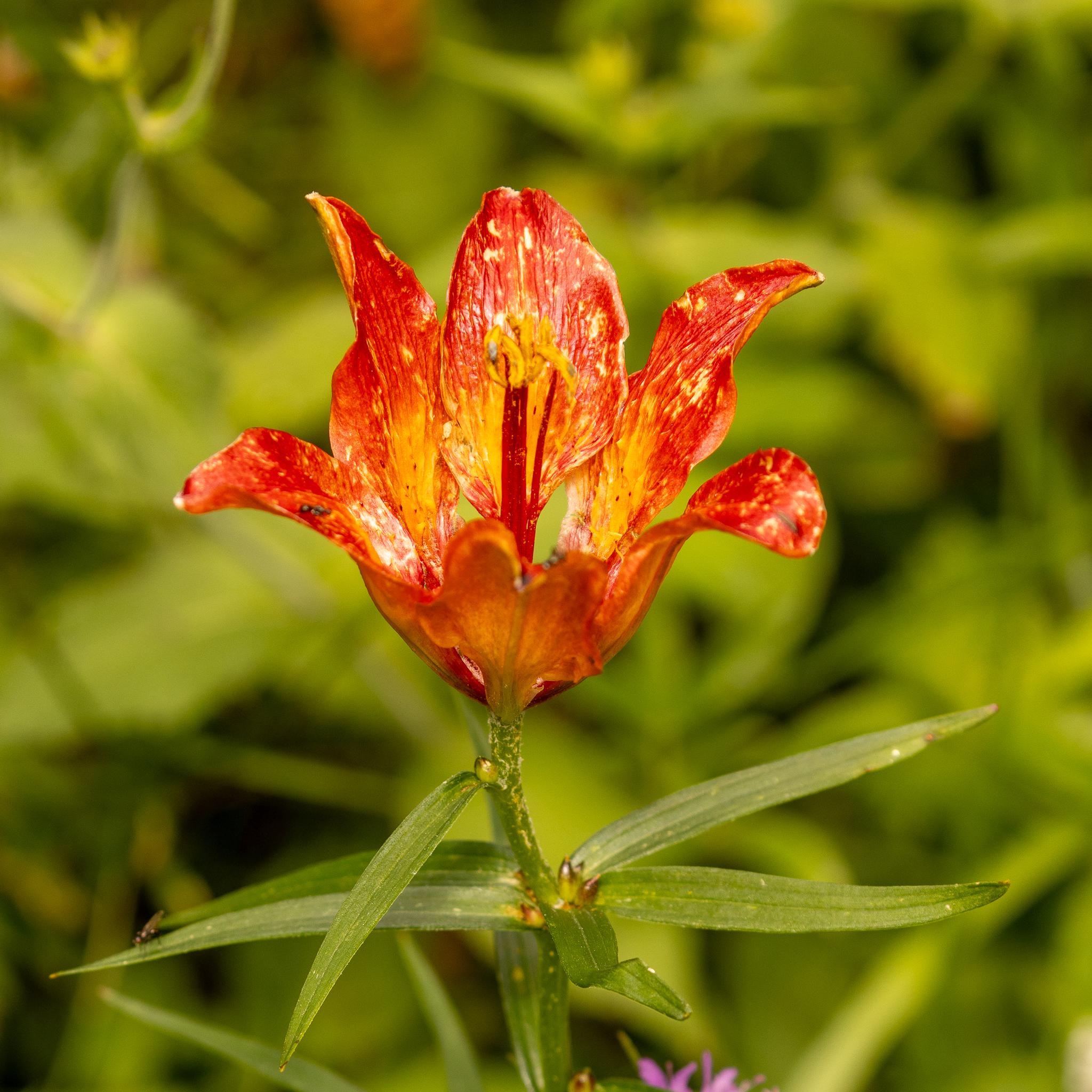
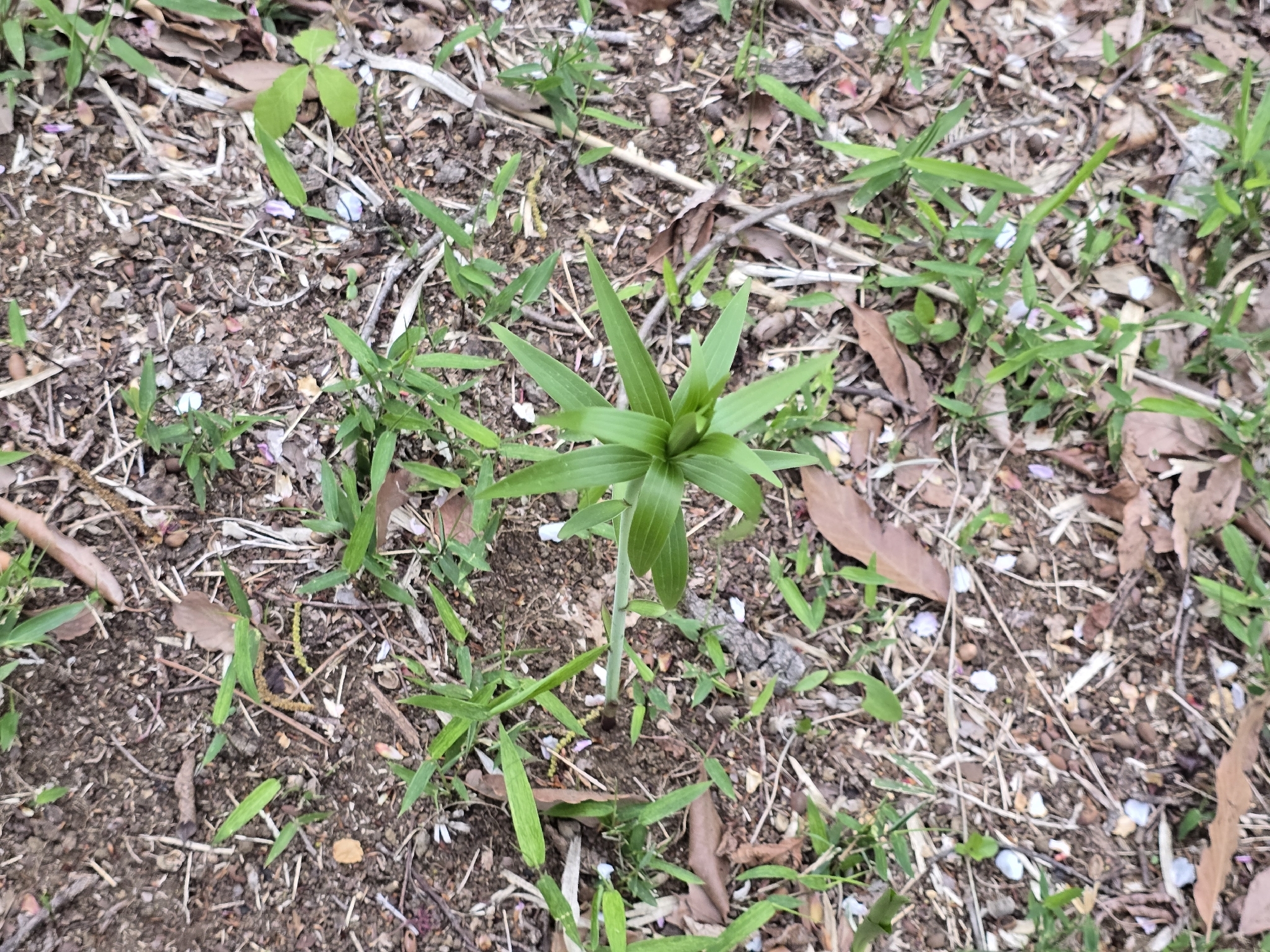
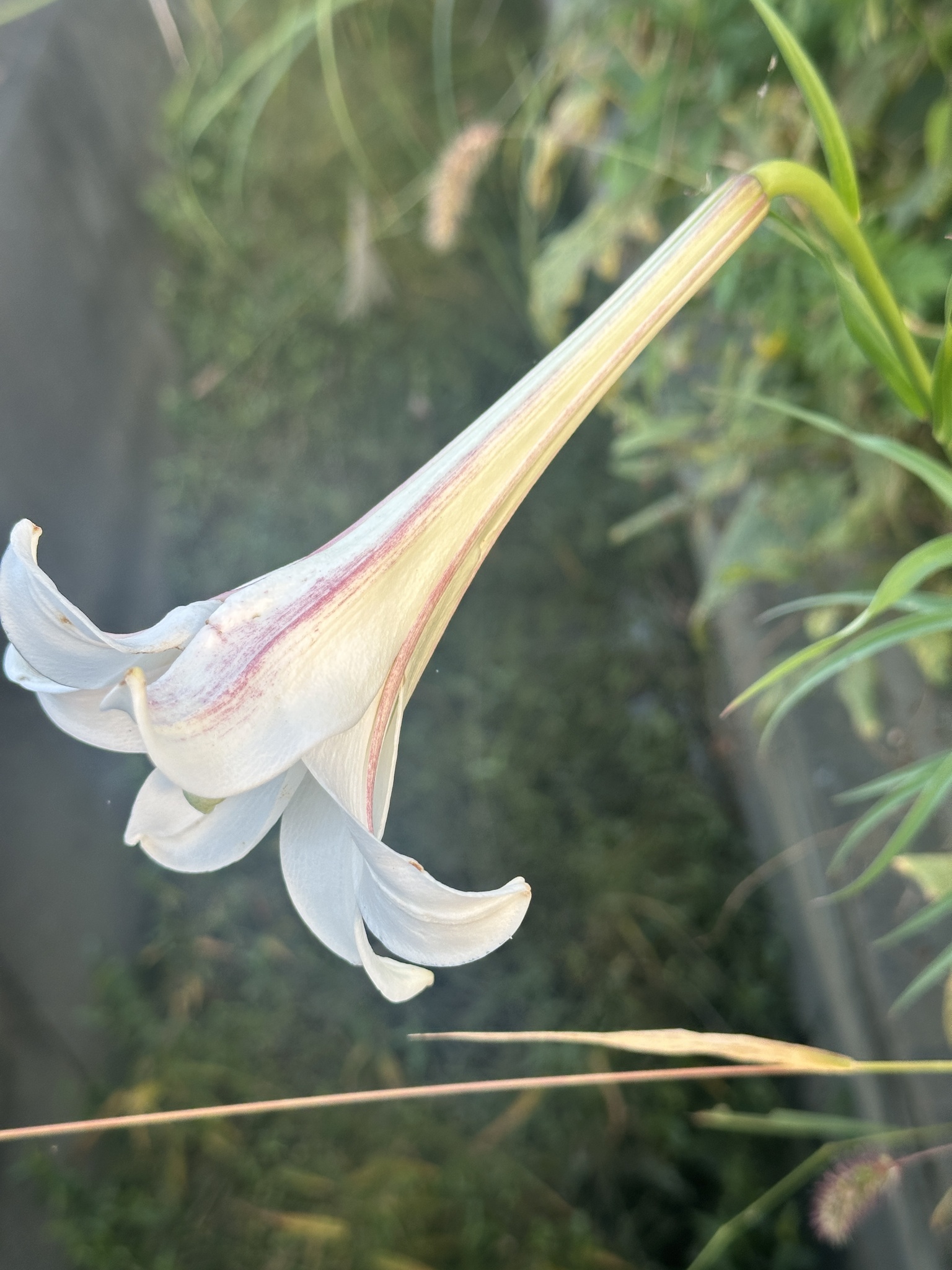
The Michigan Lily typically grows from a bulb, reaching heights of 2 to 6 feet (approximately 0.6 to 1.8 meters). Its stems are erect and unbranched, often bearing a whorl of leaves at intervals. The leaves are lanceolate to oblong, with smooth margins and parallel venation, characteristic of monocots. They are arranged alternately along the stem, though whorled arrangements can also occur, particularly towards the upper portion of the plant. The most captivating feature of Lilium michiganense is its flower. The blooms are large, nodding, and trumpet-shaped, typically measuring 3 to 4 inches (7.5 to 10 cm) in diameter. They possess six recurved tepals (petals and sepals that are indistinguishable), which are reflexed backward, revealing prominent stamens with orange anthers. The color of the petals ranges from a rich orange to a deep reddish-orange, often adorned with dark maroon spots or flecks, adding to their visual appeal. Following flowering, the plant produces a capsule containing numerous small, flat seeds.
Lilium michiganense is native to a significant portion of the eastern and central United States, extending into parts of Canada. Its natural habitat includes moist to wet meadows, prairies, open woodlands, and along the edges of marshes and streams. It thrives in full sun to partial shade and prefers consistently moist, well-drained soils rich in organic matter. While it is adapted to natural wetland environments, it can also be cultivated in garden settings that mimic these conditions, requiring ample moisture and good air circulation.
The ecological importance of the Michigan Lily lies in its contribution to native plant communities and its role as a food source for various wildlife. Its nectar can attract pollinators such as bees and butterflies, and its seeds may be consumed by birds. Ornamentally, it is highly valued for its spectacular flowers, making it a desirable addition to native plant gardens, wildflower meadows, and naturalistic landscapes. Its robust growth and striking coloration provide a significant visual impact during its blooming period.
An interesting characteristic of Lilium michiganense is its ability to adapt to varying moisture levels within its preferred habitats. While it favors moist conditions, it can tolerate periods of drier soil as long as its overall needs for hydration are met. The recurved nature of its tepals is a common adaptation in lilies, allowing for efficient pollination by insects that can access the nectar within the flower. The dark spotting on the petals may serve as nectar guides, directing pollinators towards the flower's reproductive parts. The Michigan Lily is a testament to the beauty and resilience of North American wildflowers, offering both aesthetic pleasure and ecological benefit.
Keep soil consistently moist, especially during active growth and flowering.
Soil
Adaptable to various soil types, but thrives in well-drained, fertile loam.
Temperature
Thrives in moderate temperatures during the growing season.
Habitat
Outdoor
Fertilizer
Feed in early spring with a balanced slow-release fertilizer.
Care Requirements
Light
Prefers full sun to partial shade.
Afternoon shade is beneficial in hot climates.
Water
Keep soil consistently moist, especially during active growth and flowering.
Water deeply when top inch of soil is dry.
Soil
Adaptable to various soil types, but thrives in well-drained, fertile loam.
Temperature
Thrives in moderate temperatures during the growing season.
Prefers 15-25 °C.
Habitat
Outdoor
Fertilizer
Feed in early spring with a balanced slow-release fertilizer.
Avoid over-fertilizing to prevent weak stems.
Plant Overview
Plant Type
Herb
Plant Category
Flowering, Ornamental
Plant Place Type
Ground, Garden
Plant Environment
Outdoor
Lifespan
Perennials
Plant Height
1-2 m
Spread
0.5-1 m
Growth Rate
Moderate
Dormancy
Yes
Leaf Color
Green
Leaf Type
Lanceolate
Flower Size
7-10 cm
Image Gallery
Flowering & Fruiting Cycles
Monthly activity intensity for bloom and fruit across both hemispheres.
Northern hemisphere
Flowering & fruiting calendar
Peak bloom · JulPeak fruit · Sep
FloweringFruiting
Southern hemisphere
Flowering & fruiting calendar
Peak bloom · SepPeak fruit · Nov
FloweringFruiting
Taxonomy
kingdomPlantae
divisionTracheophyta
classLiliopsida
orderLiliales
familyLiliaceae
genusLilium
speciesLilium michiganense
Toxicity
Toxic for humans
No
Rating: 0/5
Toxic for pets
No
Rating: 0/5
Edible
No
Additional Care Tips
Keep the soil consistently moist, especially during the growing season and flowering. Reduce watering slightly in fall as the plant begins to go dormant.
Remove spent flower stalks after blooming to prevent seed formation and encourage energy for next year's growth. Cut back dead foliage in late fall or early spring before new growth emerges.
Easily propagated by division of rhizomes in early spring or fall. Seeds can be sown in fall for stratification, but division is more reliable for maintaining parent plant characteristics.
Not typically grown in pots, but if so, repot every 2-3 years in early spring using fresh, well-draining potting mix to refresh the soil and provide more space.
FAQs
How tall does Lilium michiganense get?
Lilium michiganense typically grows to a height of 1 to 2 meters, making it a tall and prominent feature in the garden.
What kind of soil does the Michigan Lily prefer?
The Michigan Lily prefers well-drained, fertile loam but is adaptable to various soil types. Good drainage is key to prevent root rot.
When is the best time to plant Lilium michiganense?
The best time to plant or divide Lilium michiganense is in early spring or fall when the plant is dormant or just beginning to emerge.
Does Lilium michiganense need full sun?
While it can tolerate full sun, Lilium michiganense also thrives in partial shade. In hotter climates, some afternoon shade is beneficial to prevent scorching.
Is Lilium michiganense poisonous to pets?
No, Lilium michiganense is not considered poisonous to pets. However, it is always wise to prevent pets from ingesting any plant material.