Miconia Argentea Tree (Miconia argentea) – Benefits, Growing Guide & Care | ePlant AI
Miconia Argentea (Miconia argentea)
Miconia argentea is a fast-growing shrub or small tree native to the Americas, valued for its silvery foliage and ornamental appeal.
Miconia argentea is a species of flowering plant in the family Melastomataceae. This species is recognized for its distinctive silvery foliage and its role within its native ecosystems. As a member of the Miconia genus, which comprises a large and diverse group of neotropical plants, Miconia argentea contributes to the botanical richness of its natural range.
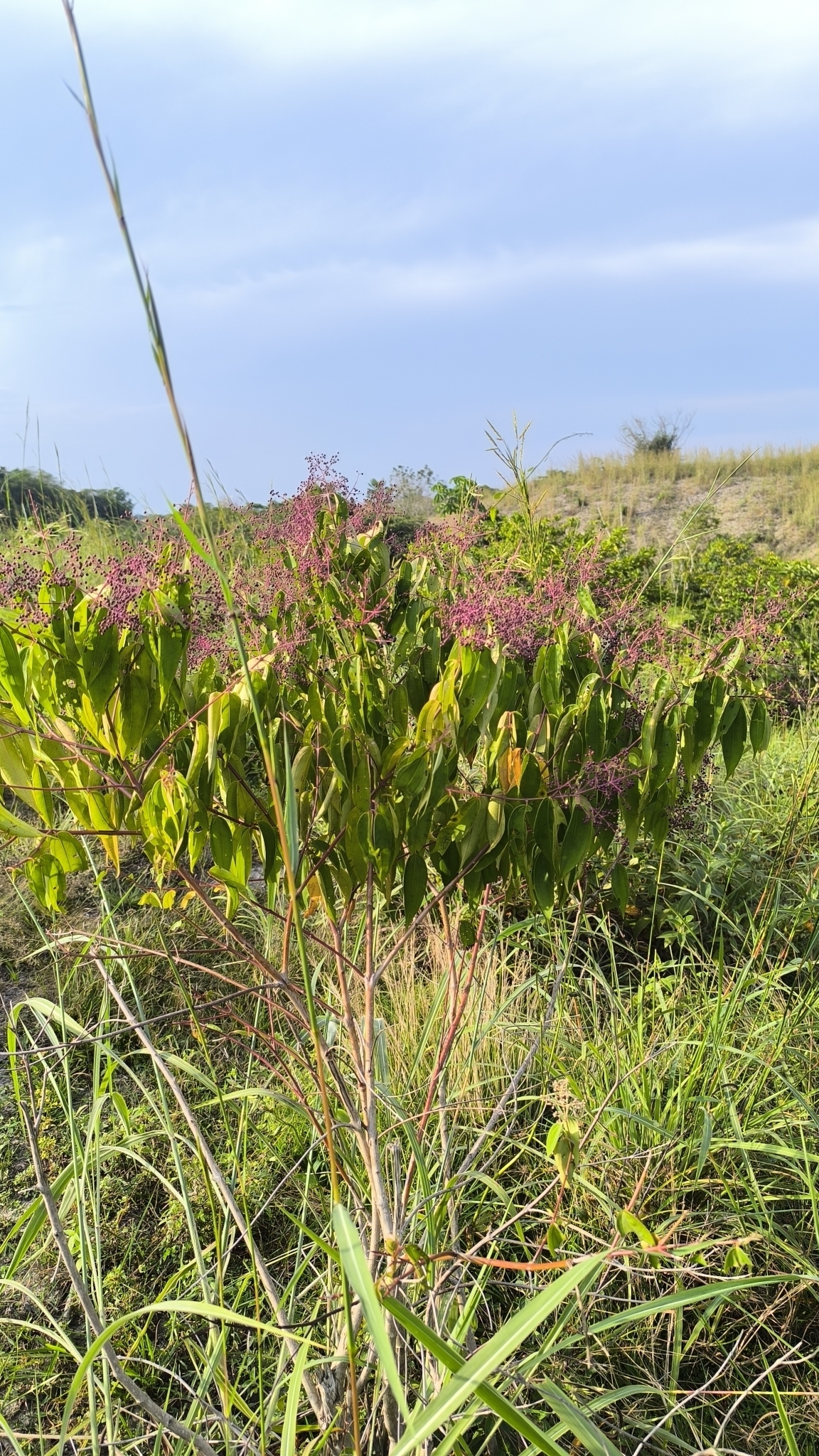
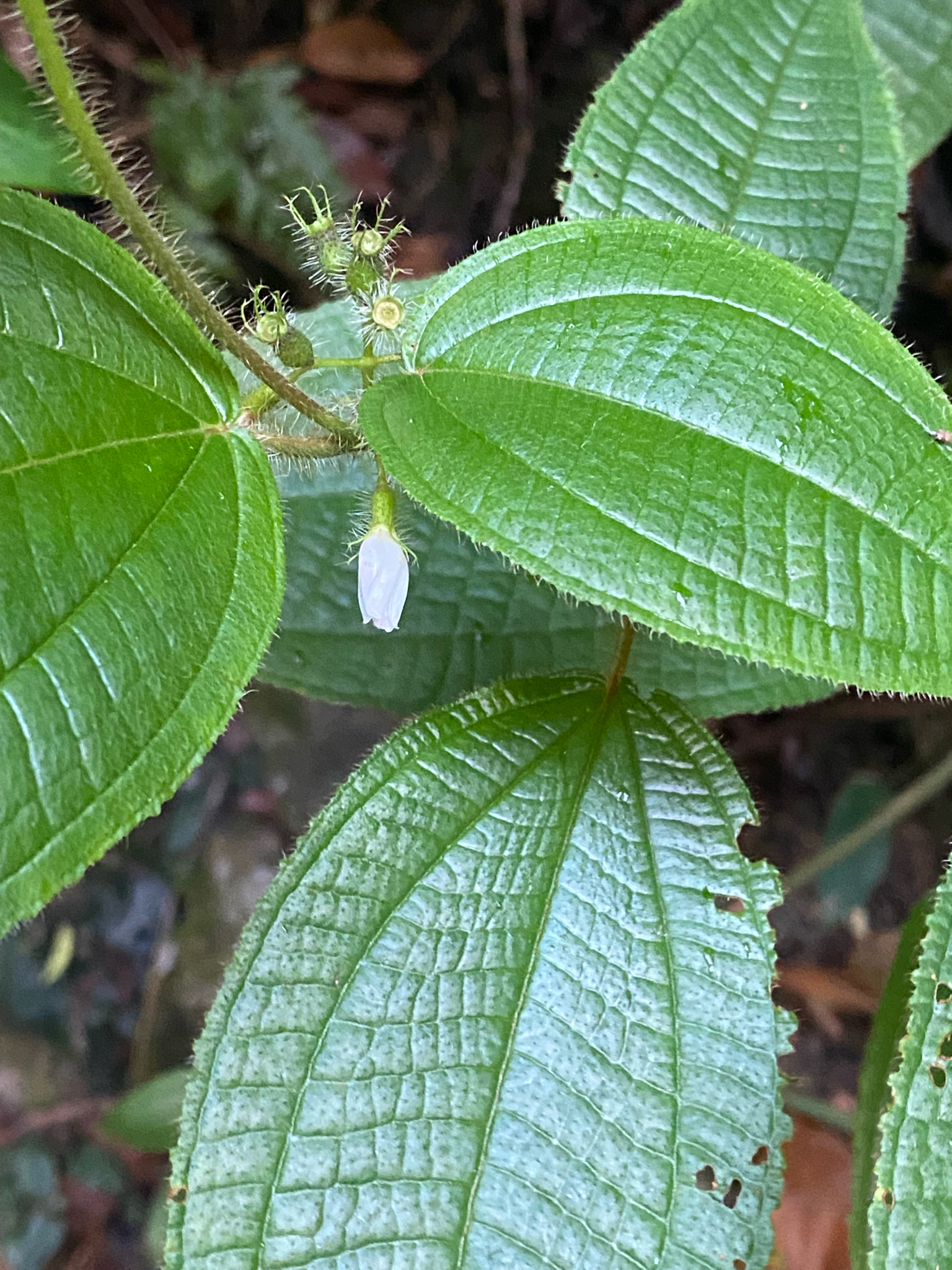
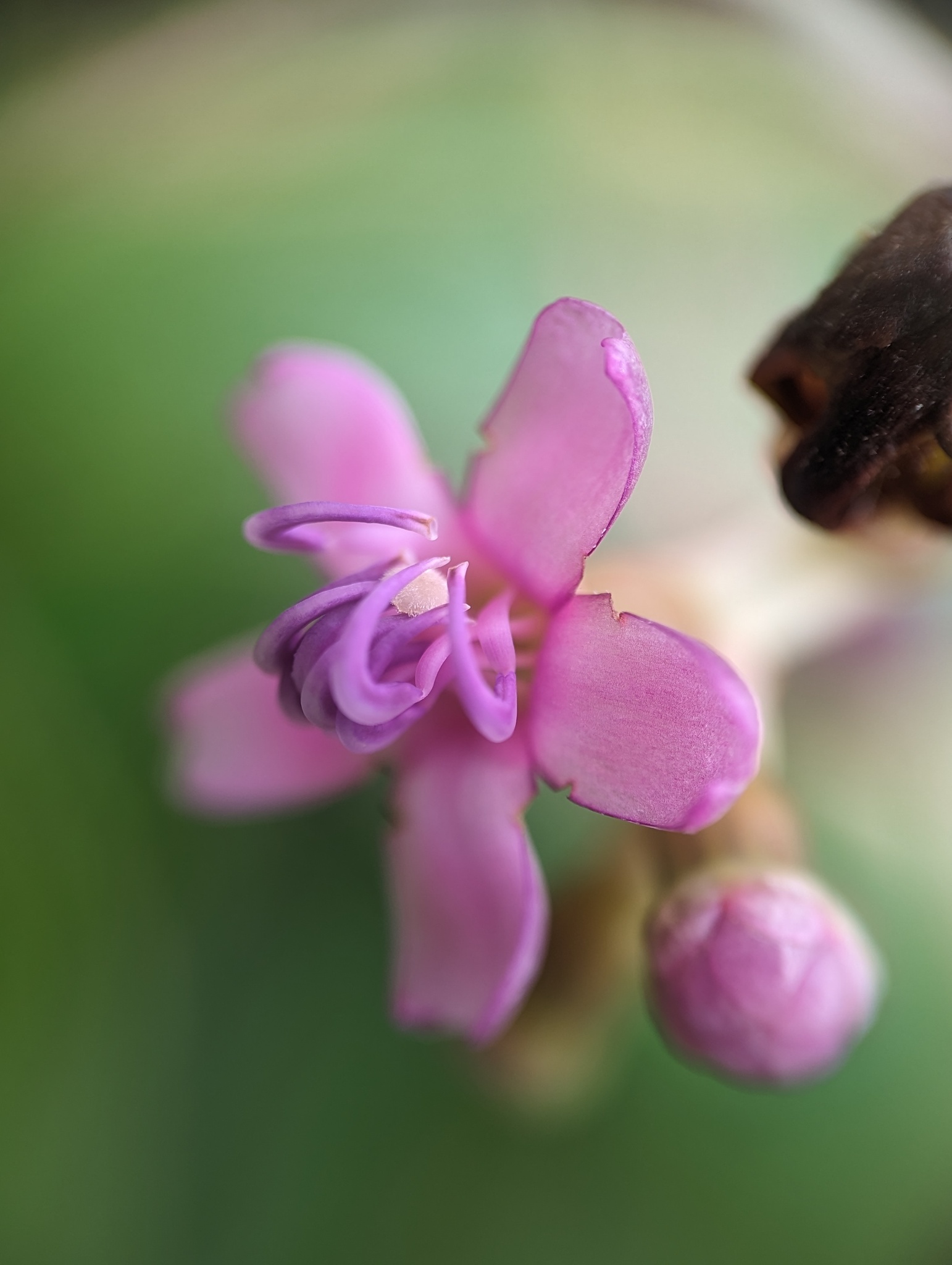
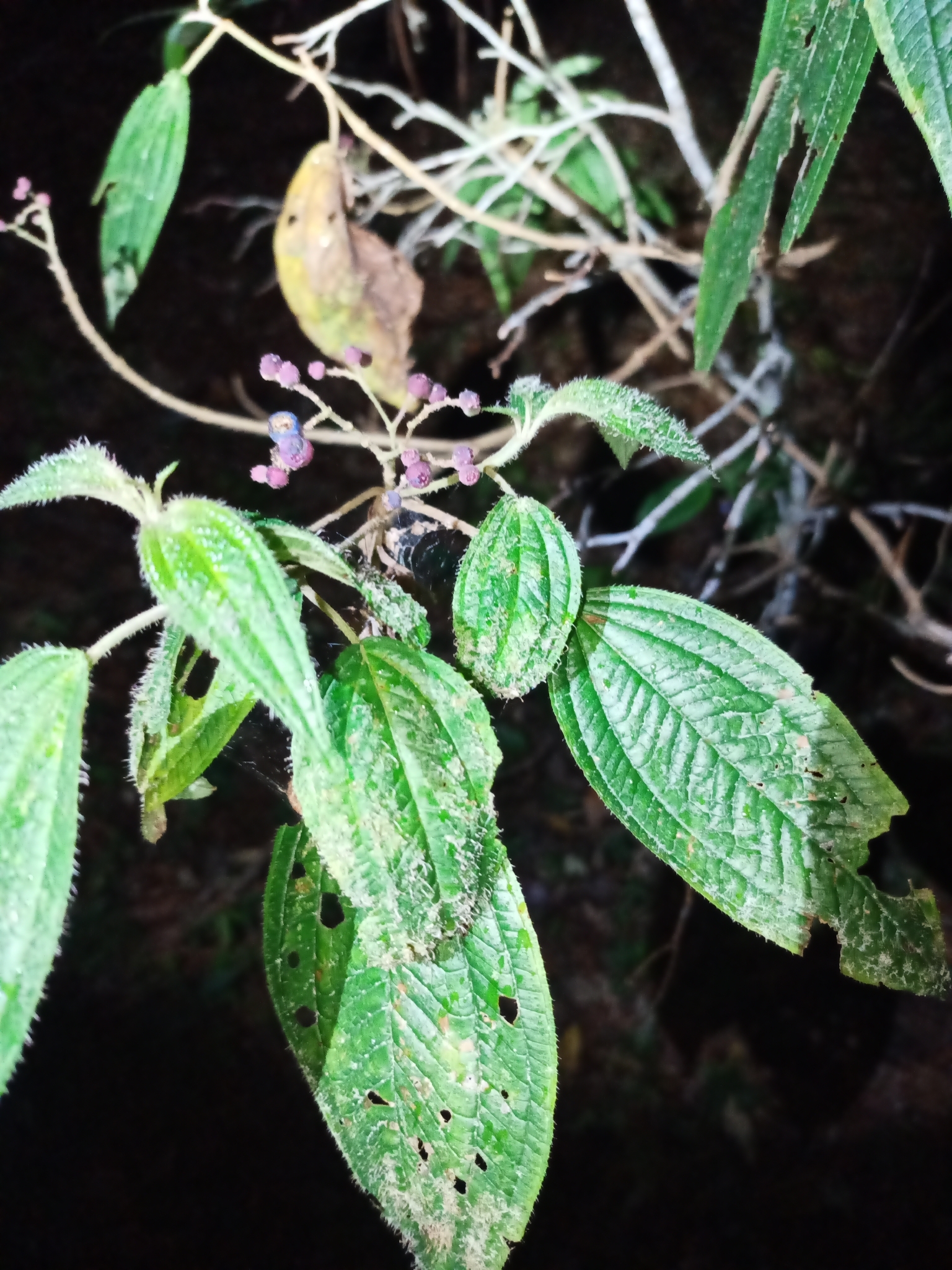
Physically, Miconia argentea typically presents as a shrub or small tree, reaching heights that can vary but are often within the range of 2 to 8 meters. Its growth habit is generally upright. The most striking feature of this plant is its leaves, which are ovate to elliptical in shape and possess a notable silvery sheen on their upper surface, a characteristic that gives the species its common name and scientific epithet. The undersides of the leaves are often a contrasting color, typically reddish or purplish. The inflorescences are panicles bearing numerous small flowers. These flowers are usually white or pale pink and have four petals. Following flowering, the plant produces small, globose fruits, which are typically dark purple to black when mature. The bark is generally smooth and gray.
The native distribution of Miconia argentea is primarily in Central and South America, extending from Mexico southwards through Central America and into parts of northern South America. It thrives in a variety of natural habitats, often found in humid tropical and subtropical forests, including cloud forests and montane rainforests. It can be encountered at elevations ranging from near sea level to higher altitudes. In cultivation, Miconia argentea generally prefers well-drained soils and a climate that mimics its native tropical or subtropical environment. It often performs best in areas with consistent moisture and protection from frost.
While Miconia argentea is not widely cultivated for specific agricultural or culinary purposes, it holds ecological significance within its native habitats. Its fruits are consumed by various birds and other wildlife, playing a role in seed dispersal and supporting local biodiversity. The plant's dense foliage can also provide habitat and shelter for small animals. Ornamentally, the silvery foliage of Miconia argentea makes it an attractive specimen plant for gardens in suitable climates, offering a unique textural and color element. Scientific research sometimes investigates the phytochemical properties of Miconia species, though specific well-established medicinal or economic uses for Miconia argentea are not widely documented in general literature.
An interesting characteristic of Miconia argentea, common to many Melastomataceae, is the prominent venation pattern on its leaves, where typically three to five main veins run parallel from the base to the apex, often giving the leaves a distinct ribbed appearance. The silvery appearance of the leaves is due to specialized epidermal structures, which can help reflect excess sunlight and reduce water loss, adaptations beneficial in its often humid but sometimes exposed forest environments.
Water regularly, allowing soil to dry slightly between waterings.
Soil
Well-draining soil is essential. Prefers slightly acidic to neutral pH.
Temperature
Ideal growing range is 18-25 °C.
Habitat
Outdoor, Indoor, Greenhouse
Fertilizer
Feed with a balanced liquid fertilizer during the growing season.
Care Requirements
Light
Prefers full sun to partial shade.
Provide afternoon shade in hot climates.
Water
Water regularly, allowing soil to dry slightly between waterings.
Avoid waterlogged conditions.
Soil
Well-draining soil is essential. Prefers slightly acidic to neutral pH.
Temperature
Ideal growing range is 18-25 °C.
Can tolerate brief dips but avoid frost.
Habitat
Outdoor, Indoor, Greenhouse
Fertilizer
Feed with a balanced liquid fertilizer during the growing season.
Reduce feeding in fall and winter.
Plant Overview
Plant Type
Shrub, Tree
Plant Category
Ornamental, Foliage
Plant Place Type
Ground, Garden, Pot
Plant Environment
Outdoor, Indoor, Greenhouse
Lifespan
Perennials
Plant Height
3-6 m
Spread
2-4 m
Growth Rate
Fast
Dormancy
None
Leaf Color
Silver, Gray, Green
Leaf Type
Simple
Flower Size
0.5-1 cm
Image Gallery
Flowering & Fruiting Cycles
Monthly activity intensity for bloom and fruit across both hemispheres.
Northern hemisphere
Flowering & fruiting calendar
Peak bloom · JulPeak fruit · Jul
FloweringFruiting
Southern hemisphere
Flowering & fruiting calendar
Peak bloom · MarPeak fruit · Mar
FloweringFruiting
Synonyms
Acinodendron argenteum Kuntze
Cremanium compressum Benth.
Melastoma argenteum Sw.
Miconia longistyla Seem.
Miconia procera Naudin
Taxonomy
kingdomPlantae
divisionTracheophyta
classMagnoliopsida
orderMyrtales
familyMelastomataceae
genusMiconia
speciesMiconia argentea
Toxicity
Toxic for humans
No
Rating: 0/5
Toxic for pets
No
Rating: 0/5
Edible
No
Additional Care Tips
Water thoroughly when the top inch of soil feels dry. Miconia argentea prefers consistent moisture but dislikes waterlogged conditions, which can lead to root rot.
Prune to maintain shape and size, and to remove any dead or damaged branches. Can be pruned hard to encourage bushier growth. Best done in late winter or early spring before new growth begins.
Easily propagated from stem cuttings taken in spring or summer. Root cuttings in a well-draining medium. Seeds can also be sown, but germination may be slow and variable.
Repot young plants annually or when root-bound. Mature plants can be repotted every 2-3 years. Use a well-draining potting mix and a pot that is slightly larger than the previous one.
FAQs
How often should I water Miconia argentea?
Water thoroughly when the top inch of soil feels dry. Ensure good drainage to prevent root rot, and reduce watering in cooler months.
What kind of light does Miconia argentea need?
It thrives in full sun to partial shade. In very hot climates, it benefits from afternoon shade to protect its leaves from scorching.
Can Miconia argentea be grown indoors?
Yes, Miconia argentea can be grown indoors as a houseplant, provided it receives adequate light and is kept in well-draining soil. It may not reach its full outdoor size.
When is the best time to prune Miconia argentea?
The best time to prune is in late winter or early spring before the new growth starts. This helps shape the plant and encourages vigorous new growth.
Is Miconia argentea toxic to pets?
Miconia argentea is not considered toxic to pets. However, it is always best to prevent pets from ingesting any plant material.