Mikania Glomerata (Mikania glomerata)

Lingering Long-Leaf

Mikania glomerata is a perennial herbaceous plant native to South America, known for its medicinal properties, particularly as an expectorant.

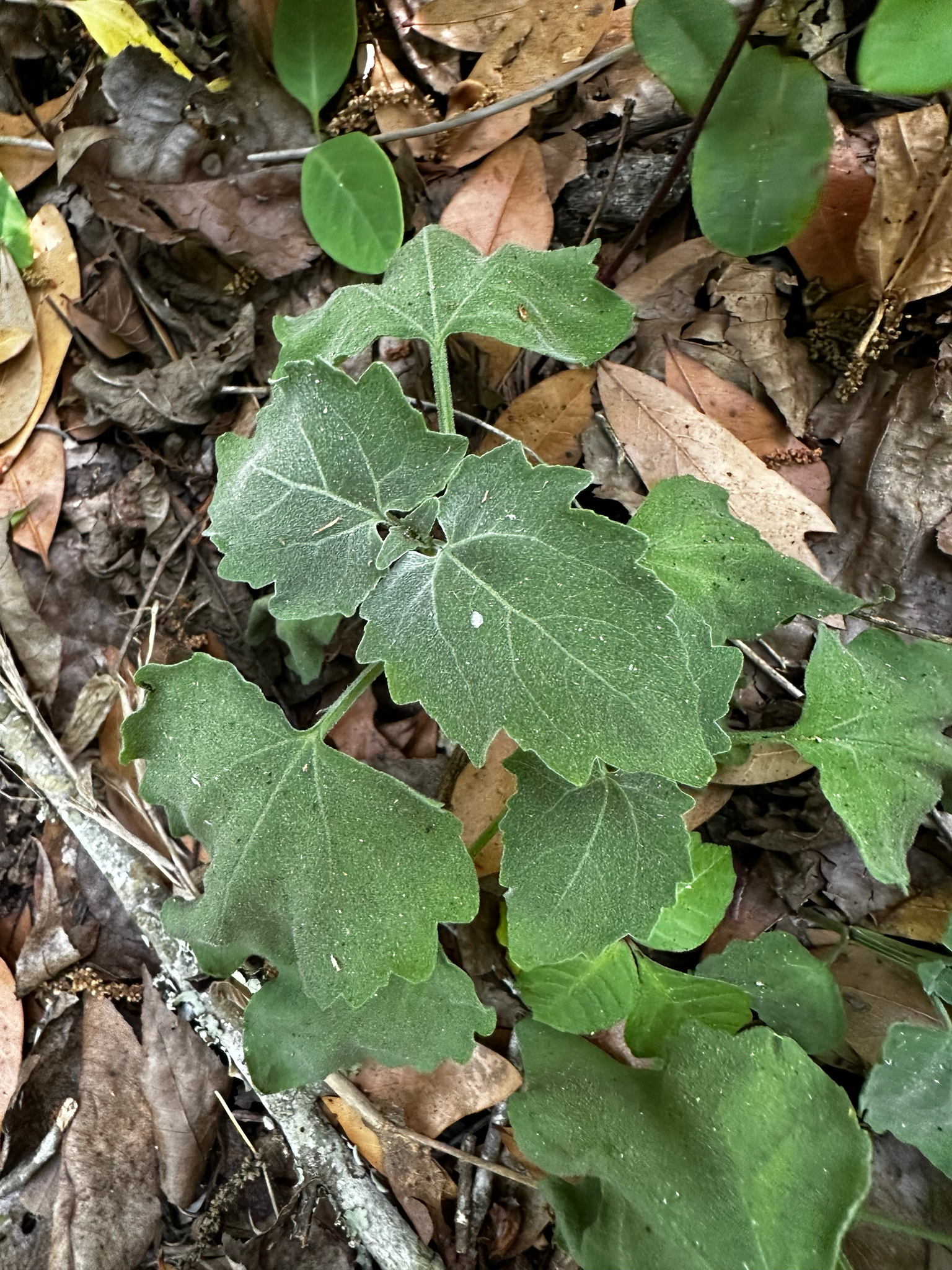
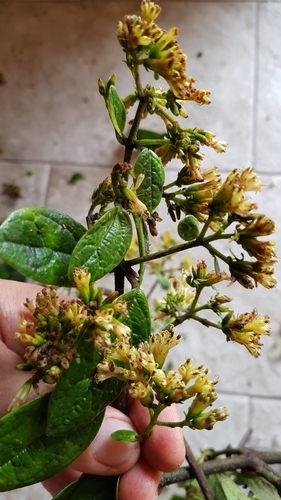
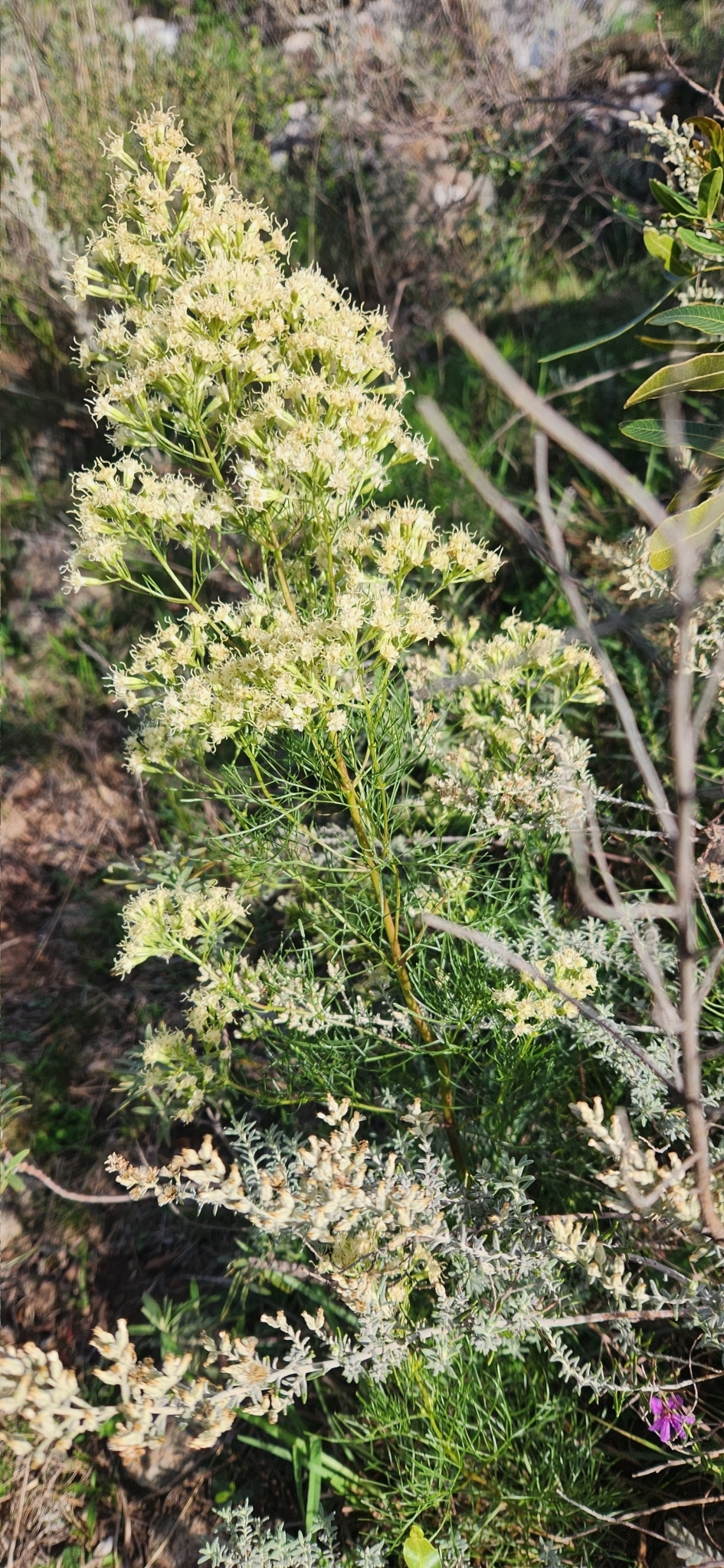
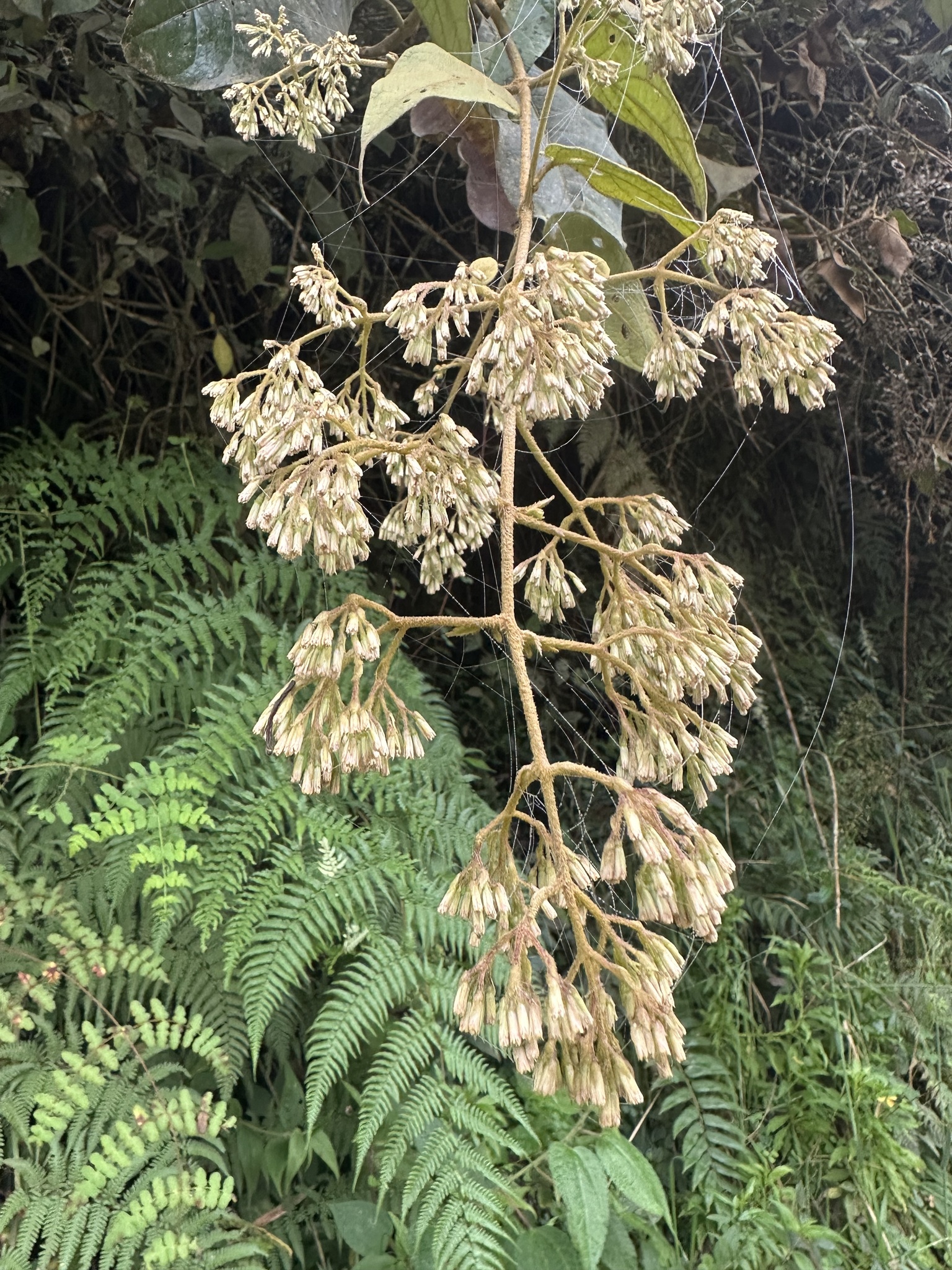
Mikania glomerata is a species of flowering plant in the family Asteraceae, commonly known by its scientific name. This herbaceous perennial vine is recognized for its vigorous growth and its presence in various ecosystems. It plays a role in the botanical landscape of its native regions, contributing to the biodiversity of these areas. Physically, Mikania glomerata is characterized by its vining habit, often climbing over other vegetation or structures. The stems can reach considerable lengths, typically twining as they ascend. Its leaves are arranged oppositely along the stem and are generally ovate to deltoid in shape, with serrated or toothed margins. The leaf surface is typically glabrous or sparsely pubescent. The plant produces inflorescences composed of numerous small, tubular florets, usually white or cream-colored, clustered in dense heads. These flower heads are arranged in terminal or axillary panicles. Following flowering, the plant develops small, achene-like fruits, each bearing a pappus of bristles that aids in wind dispersal. The native distribution of Mikania glomerata is primarily within South America, extending across various countries including Brazil, Argentina, and Paraguay. It thrives in a range of natural habitats, often found in disturbed areas, along forest edges, in savannas, and in riparian zones. This adaptability allows it to colonize diverse environments. While it is a wild species, its cultivation requirements are generally straightforward, favoring well-drained soils and locations that receive adequate sunlight. It can tolerate a variety of soil types but performs best in fertile, moist conditions. Mikania glomerata holds notable significance, particularly in traditional medicine. It has been historically used for its perceived medicinal properties, with various preparations derived from its leaves and stems. Scientific research has explored some of these traditional uses, investigating the plant's chemical constituents and their potential effects. Beyond its medicinal applications, it contributes to the ecological structure of its native habitats, providing cover and resources for local fauna. An interesting characteristic of Mikania glomerata is its rapid growth rate, allowing it to quickly establish itself in suitable environments. The plant's ability to produce a profusion of small flowers attracts pollinators, contributing to the local insect populations. The dispersal mechanism of its seeds via wind further aids in its propagation and colonization of new areas. Its presence in the understory and along the edges of forests highlights its role as a pioneer species in certain disturbed landscapes.

Above information is sourced from Wikipedia

Sunlight

Bright, Indirect Light

Watering

Consistent Moisture

Soil

Well-drained

Temperature

Average Room Temperature

Fertilizer

Regular Feeding During Growth

Care Requirements

Light

Bright, Indirect Light

Prefers bright, indirect sunlight. Can tolerate some direct morning sun.

Watering

Consistent Moisture

Keep soil moist but not waterlogged.

Soil

Well-drained

Temperature

Average Room Temperature

Thrives in temperatures between 18-25°C. Avoid cold drafts and sudden temperature fluctuations.

Fertilizer

Regular Feeding During Growth

Fertilize every 4-6 weeks with a balanced liquid fertilizer during spring and summer.

Plant Overview

Plant Type

Vine

Plant Category

Ornamental

Plant Place Type

Garden

Lifespan

Perennial

Plant Height

300-500 cm

Spread

100-200 cm

Growth Rate

Fast

Dormancy

None

Leaf Color

Green

Leaf Type

Simple

Flower Size

Small

Optimal Sunlight Lux

40000

Image Gallery

Flowering & Fruiting Cycles

Monthly activity intensity for bloom and fruit across both hemispheres.

Northern hemisphere

Flowering & fruiting calendar

Peak bloom · AugPeak fruit · Sep
FloweringFruiting
02468JanFebMarAprMayJunJulAugSepOctNovDecActivity intensityMonths85
Southern hemisphere

Flowering & fruiting calendar

Peak bloom · AprPeak fruit · Mar
FloweringFruiting
02468JanFebMarAprMayJunJulAugSepOctNovDecActivity intensityMonths85
Synonyms
Cacalia trilobata Vell.
Corynanthelium moronoa Kunze
Mikania hatschbachii G.M.Barroso
Mikania hederifolia DC.
Mikania scansoria DC.
Willoughbya glomerata (Spreng.) Kuntze
Willoughbya moronoa (Kunze) Kuntze
Taxonomy
  • kingdomPlantae
  • divisionTracheophyta
  • classMagnoliopsida
  • orderAsterales
  • familyAsteraceae
  • genusMikania
  • speciesMikania glomerata
Toxicity

None

Additional Care Tips

Mikania glomerata prefers consistently moist soil but not waterlogged. Water thoroughly when the top 2-3 cm of soil feels dry. Reduce watering slightly in cooler months, but avoid letting the soil dry out completely. Ensure good drainage to prevent root rot.

Prune Mikania glomerata regularly to maintain its shape and encourage bushier growth. Trim back leggy stems to about one-third their length. Remove any dead or damaged foliage as needed. Pruning can be done year-round, but is most effective in spring.

Propagate Mikania glomerata through stem cuttings. Take 10-15 cm cuttings from healthy stems, remove lower leaves, and dip in rooting hormone. Plant the cuttings in moist potting mix or water. Roots usually develop within a few weeks.

Repot Mikania glomerata every 1-2 years, or when the plant becomes root-bound. Choose a pot that is slightly larger than the current one. Use a well-draining potting mix. Repotting is best done in spring before the active growing season begins.

FAQs

What are the main uses of Mikania glomerata?

Mikania glomerata is primarily used in traditional medicine for its expectorant and anti-inflammatory properties, particularly for respiratory issues.

Is Mikania glomerata easy to grow?

It thrives in tropical and subtropical climates with well-drained soil and adequate sunlight. It can be propagated by seeds or cuttings.

What is the origin of Mikania glomerata?

Mikania glomerata is native to South America, commonly found in Brazil and surrounding regions.

Are there any ornamental uses for Mikania glomerata?

While not primarily ornamental, its natural growth habit can be suitable for informal or naturalized garden settings.

How is Mikania glomerata typically prepared for medicinal use?

The leaves are commonly used to prepare teas, infusions, or decoctions for therapeutic purposes.