Skip to plant details

Piper PeltatumPiper peltatum

Also known as Cowfoot · Cowheel Bush · Large-Leaf Finger Tree

  • Type: Herb
  • Sunlight: Bright, indirect light
  • Water: Keep soil consistently moist
  • Temperature: Warm temperatures

Piper peltatum is a species of flowering plant in the family Piperaceae. Native to the Americas, it features heart-shaped leaves and is known for its ornamental appeal in

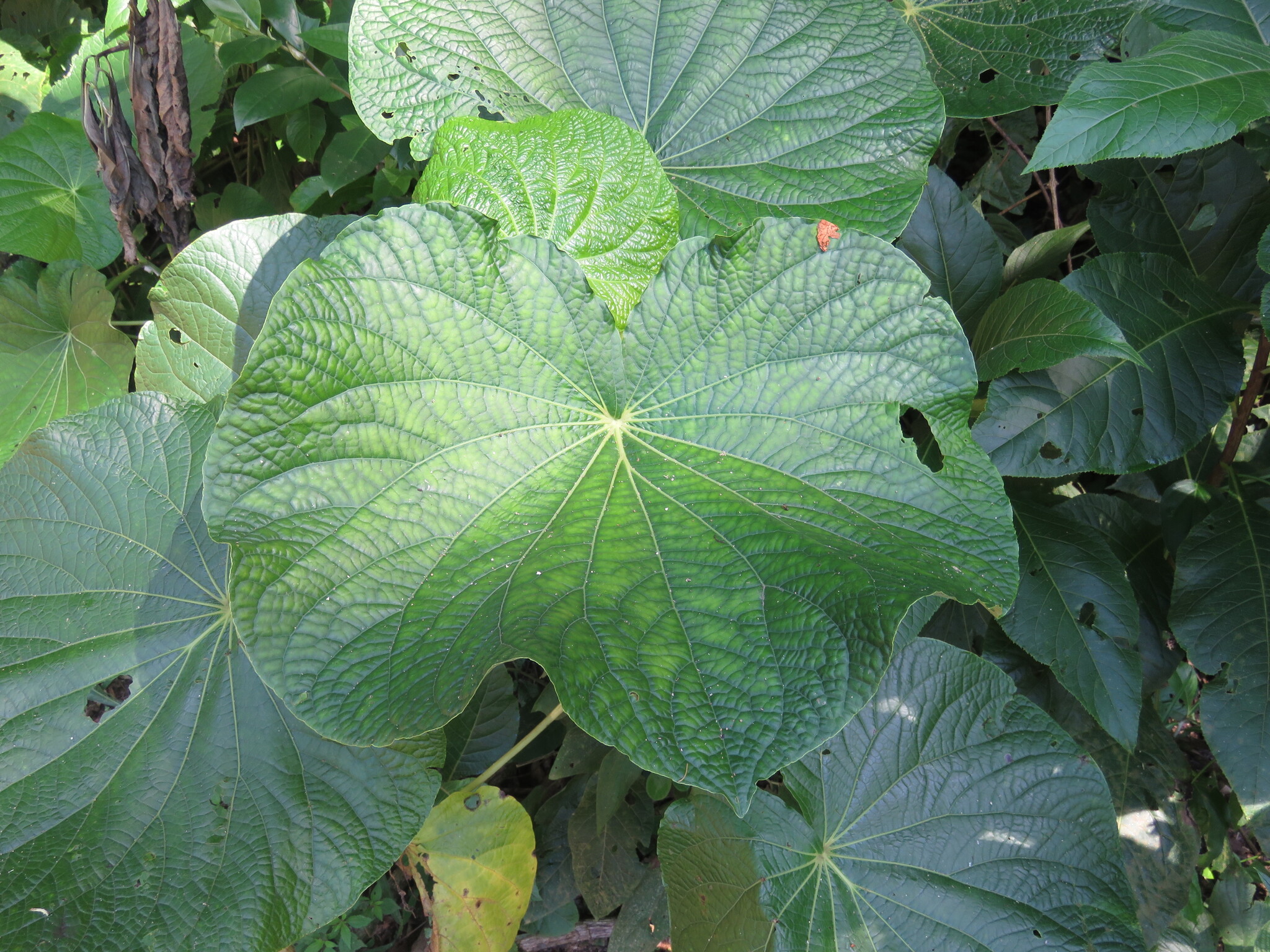
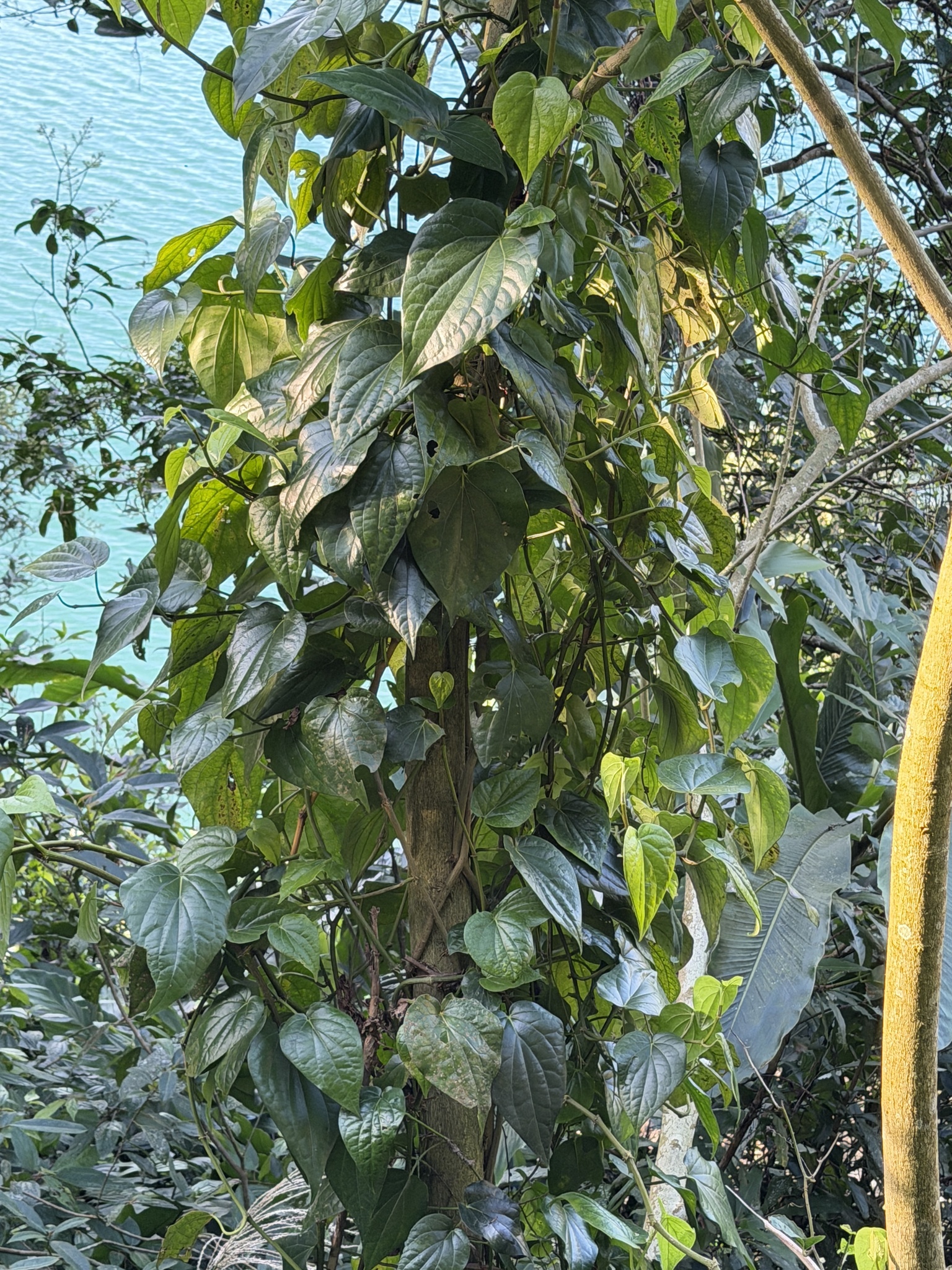
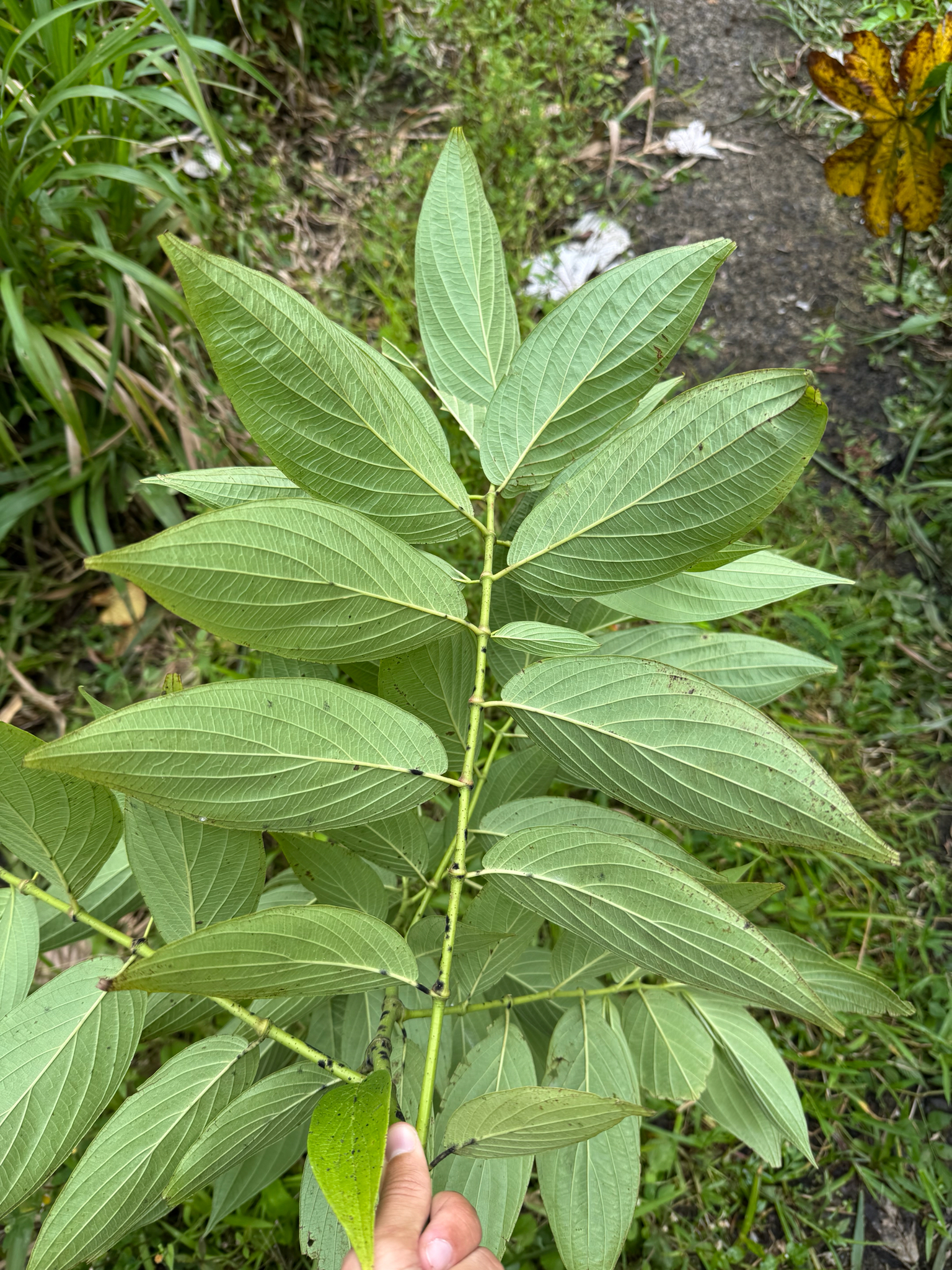
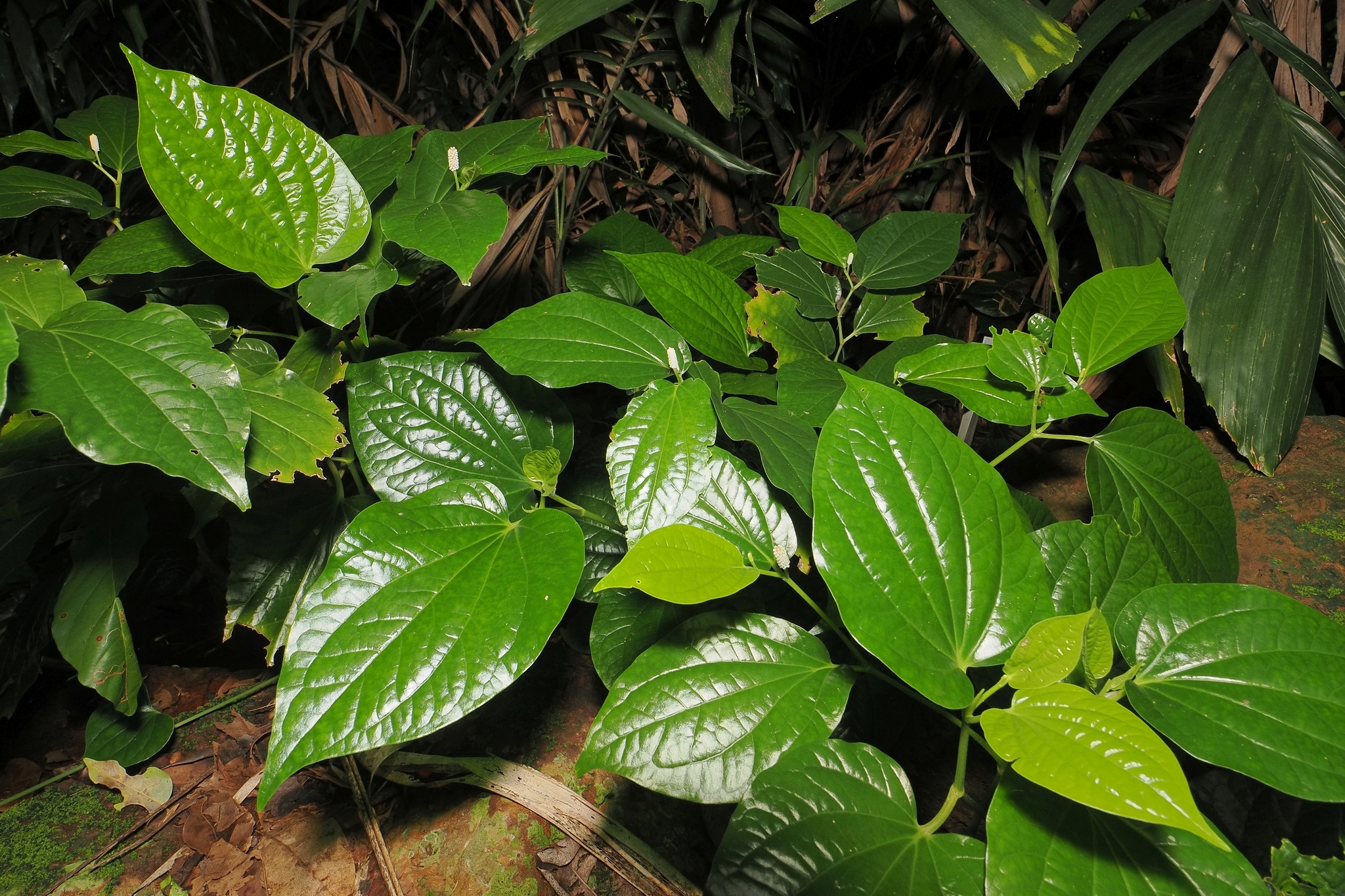
Piper peltatum is a herbaceous perennial plant belonging to the Piperaceae family, commonly known as the pepper family. This species is recognized for its distinctive peltate leaves and its presence in tropical ecosystems. Understanding Piper peltatum provides insight into the diversity of understory vegetation in its native regions and its ecological interactions. Physically, Piper peltatum is characterized by its erect or sprawling growth habit, typically reaching a moderate height. The most striking feature of this plant is its leaves, which are peltate, meaning the petiole (leaf stalk) is attached to the underside of the leaf blade, not at the margin. These leaves are generally large, ovate to orbicular in shape, and can be smooth or slightly textured. The inflorescences are usually slender spikes bearing small, inconspicuous flowers. Following flowering, the plant produces small berries, which are characteristic of the Piper genus. The stem is herbaceous and can be somewhat woody at the base in older specimens. The native distribution of Piper peltatum is primarily within tropical and subtropical regions of the Americas. It thrives in humid environments, often found in the understory of rainforests, along stream banks, and in disturbed areas with adequate moisture and shade. Cultivation requirements for Piper peltatum generally mirror its natural habitat. It prefers well-drained, fertile soil and consistent moisture. Partial shade is ideal, as direct sunlight can scorch its leaves. Propagation is typically achieved through cuttings or seeds. While specific widespread economic or medicinal uses for Piper peltatum are not extensively documented in widely accessible scientific literature compared to other Piper species, plants within the Piper genus are known for their diverse chemical compounds. Some species of Piper are utilized in traditional medicine, as spices, or for their aromatic properties. However, any such applications must be verified specifically for Piper peltatum through rigorous scientific research. Ecologically, Piper peltatum contributes to the biodiversity of its habitat, providing shelter and potentially food resources for local fauna. Its peltate leaf structure may offer unique adaptations for light interception or water management in its shaded environment. Further research into its specific phytochemical profile and ecological role would offer deeper understanding of this species.

Photograph © Aleix · CC-BY-NC-SA

Piper Peltatum Care Summary

At-a-glance light, water, soil, and growing conditions from plant data

Light

Bright, indirect light

75% intensity

Avoid direct sunlight which can scorch leaves

Watering

Keep soil consistently moist

75% intensity

Avoid waterlogged conditions

Soil

Well-draining potting mix

50% intensity

Temperature

Warm temperatures

75% intensity

Prefers 20-27°C, avoid drafts and sudden drops

Fertilizer

Moderate feeding during growing season

50% intensity

Use balanced liquid fertilizer diluted

Piper Peltatum Quick Facts

Key traits and growing stats from plant data

Plant Type
Herb
Plant Place Type
Pot
Lifespan
Perennial
Plant Height
0.3-1.0 m
Spread
0.3-0.6 m
Growth Rate
Moderate
Dormancy
None
Leaf Color
Green
Leaf Type
Simple
Flower Size
0.5-1 cm
Optimal Sunlight Lux
7000

Care guide for Piper Peltatum

Watering, pruning, propagation, and repotting details from plant data

Water

Keep the soil consistently moist but not waterlogged. Water thoroughly when the top 2-3 cm of soil feels dry. Reduce watering slightly during cooler months, but avoid letting the plant dry out completely.

Ensure good drainage to prevent root rot, especially in containers.

Pruning

Prune to maintain desired shape and size, and to encourage bushier growth. Remove any yellowing or damaged leaves promptly. Pinch back the tips of stems to promote branching.

Pruning can be done at any time, but is most effective in spring before new growth begins.

Propagation

Propagate Piper peltatum through stem cuttings. Take 10-15 cm cuttings from healthy stems, ensuring each has at least two nodes. Remove lower leaves and plant in moist potting mix or water.

Rooting typically occurs within 3-4 weeks in warm, humid conditions.

Repotting

Repot your Piper peltatum every 1-2 years, or when it becomes root-bound. Choose a pot that is only slightly larger than the current one, with drainage holes.

Use a well-draining potting mix, such as a blend of peat moss, perlite, and soil. Repot in spring.

Identify plants like this with ePlant

Snap a photo to get care tips and match similar species on the go.

Try for Free

Flowering & Fruiting Cycles

Monthly activity intensity for bloom and fruit across both hemispheres.

Northern hemisphere

Flowering & fruiting calendar

Peak bloom · JunPeak fruit · Jul
FloweringFruiting
02468JanFebMarAprMayJunJulAugSepOctNovDecActivity intensityMonths89
Southern hemisphere

Flowering & fruiting calendar

Peak bloom · JunPeak fruit · Jul
FloweringFruiting
02468JanFebMarAprMayJunJulAugSepOctNovDecActivity intensityMonths89

Piper Peltatum Names & Synonyms

Common names and botanical synonyms

Common Names

  • Cowfoot
  • Cowheel Bush
  • Large-Leaf Finger Tree
  • Monkey Hand
  • Monkey's-Hand
  • Pariparoba

Synonyms

  • Heckeria peltata (L.) Kunth
  • Heckeria scutata (Willd. ex A.Dietr.) Kunth
  • Heckeria speciosa (Kunth) Kunth
  • Lepianthes peltata (L.) Raf. ex R.A.Howard
  • Peperidia peltata (L.) Kostel.
  • Peperomia peltata (L.) A.Dietr.
  • Peperomia pruinosa Kunth
  • Peperomia scutata A.Dietr.
  • Peperomia speciosa (Kunth) Kunth
  • Piper fasciculatum Ruiz & Pav.
  • Piper gemellum Willd. ex Link
  • Piper ottonis (Miq.) C.DC.
  • Piper pruinosum Kunth
  • Piper scutiphyllum Ham.
  • Piper speciosum Kunth
  • Pothomorphe almirantensis Trel.
  • Pothomorphe baileyorum Trel.
  • Pothomorphe hirsuta Bartl.
  • Pothomorphe lessertiana Miq.
  • Pothomorphe ottonis Miq.
  • Pothomorphe peltata (L.) Miq.
  • Pothomorphe pruinosa Miq.
  • Pothomorphe scutata Miq.
  • Pothomorphe speciosa (Kunth) Miq.
  • Pothomorphe tecumensis Trel.

Piper Peltatum Taxonomy

Botanical classification

Taxonomic classification of Piper Peltatum
RankName
kingdomPlantae
divisionTracheophyta
classMagnoliopsida
orderPiperales
familyPiperaceae
genusPiper
speciesPiper peltatum

Piper Peltatum FAQs

Answers based on plant encyclopedia data

What are the preferred growing conditions for Piper peltatum?

Piper peltatum thrives in warm, humid climates with partial shade and well-draining soil. It prefers consistently moist conditions.

How tall does Piper peltatum typically grow?

Piper peltatum usually grows to a height of approximately 30 to 60 centimeters.

Is Piper peltatum suitable for container gardening?

Yes, Piper peltatum can be grown in containers, provided they are large enough to accommodate its root system and drainage is adequate.

What kind of soil does Piper peltatum prefer?

It prefers rich, organic, well-draining soil. A slightly acidic to neutral pH is ideal.

Does Piper peltatum require much maintenance?

Piper peltatum generally requires moderate maintenance, including regular watering, occasional fertilization, and pruning to maintain shape if desired.