Grandleaf Seagrape Tree (Coccoloba pubescens) – Benefits, Growing Guide & Care | ePlant AI
Grandleaf Seagrape (Coccoloba pubescens)
Grandleaf Seagrape (Coccoloba pubescens) is a large shrub or small tree native to the Caribbean, known for its massive, leathery leaves and edible fruit.
Coccoloba pubescens, commonly known as Grandleaf Seagrape, is a striking member of the Polygonaceae family, notable for its impressive foliage and adaptation to coastal environments. This species is a significant component of its native ecosystems, contributing to coastal stabilization and providing habitat for local fauna.
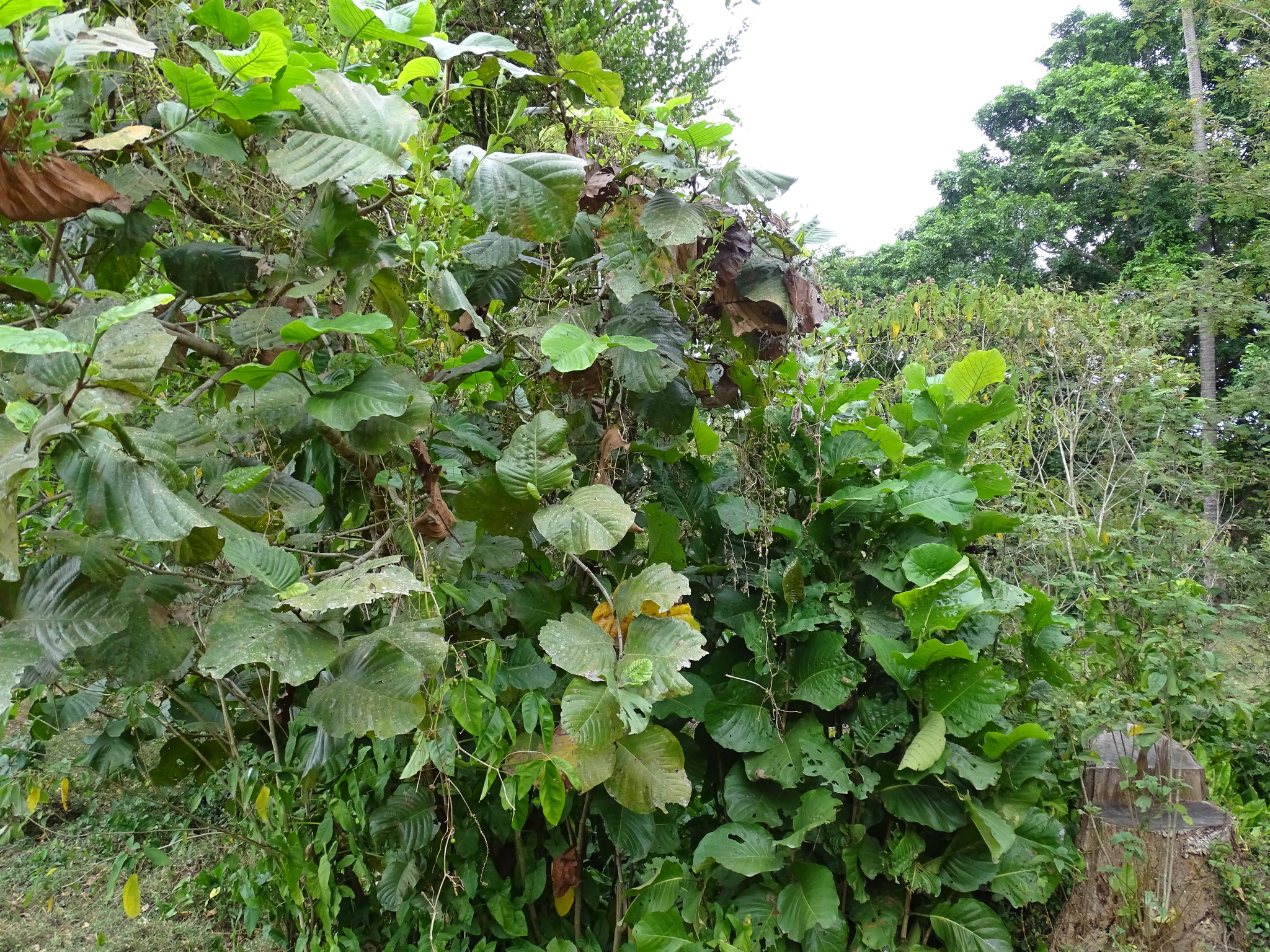
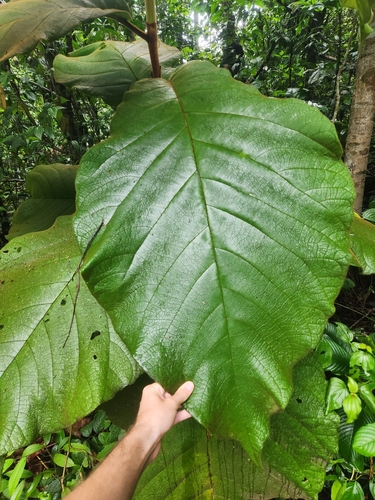
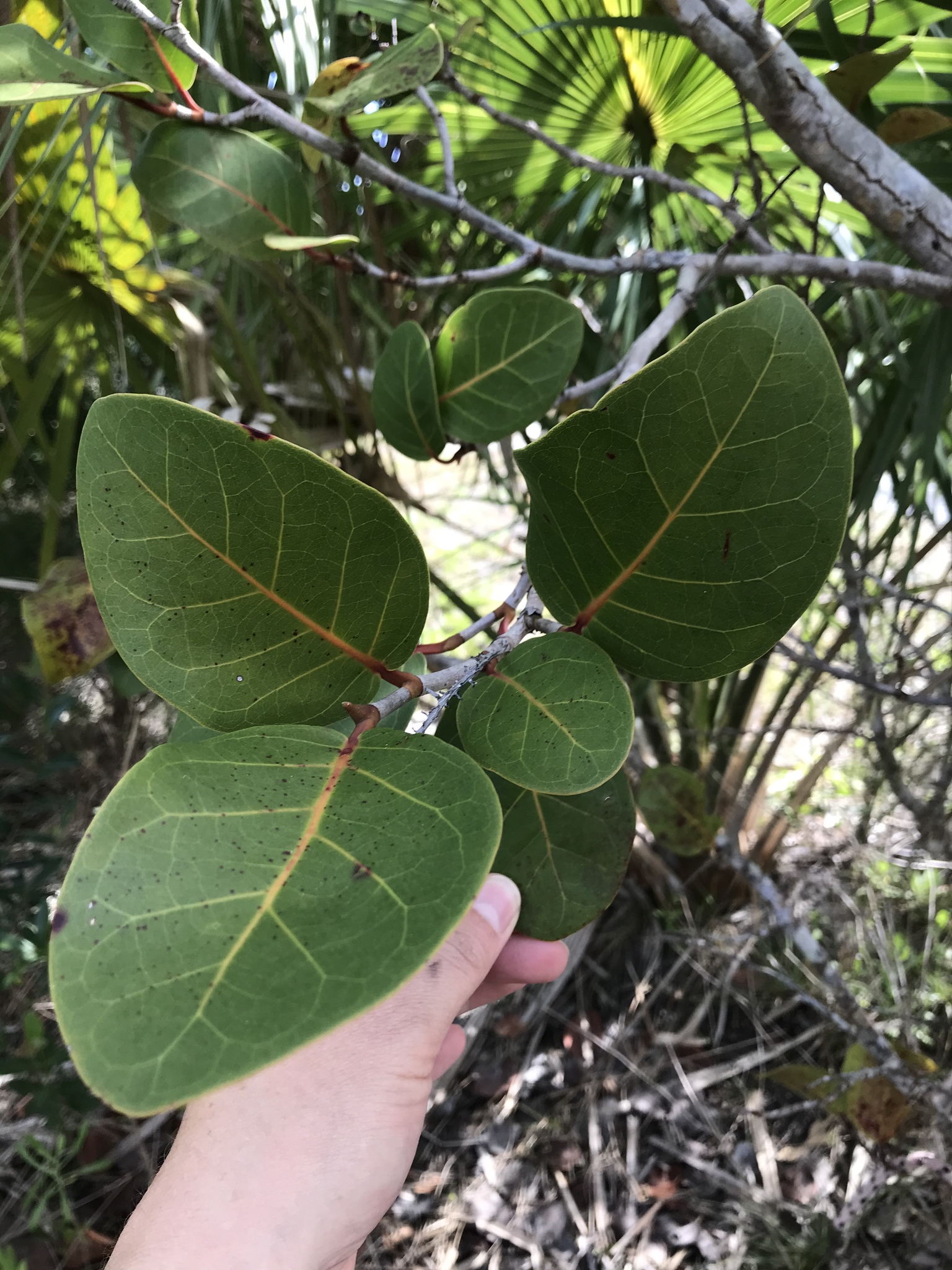
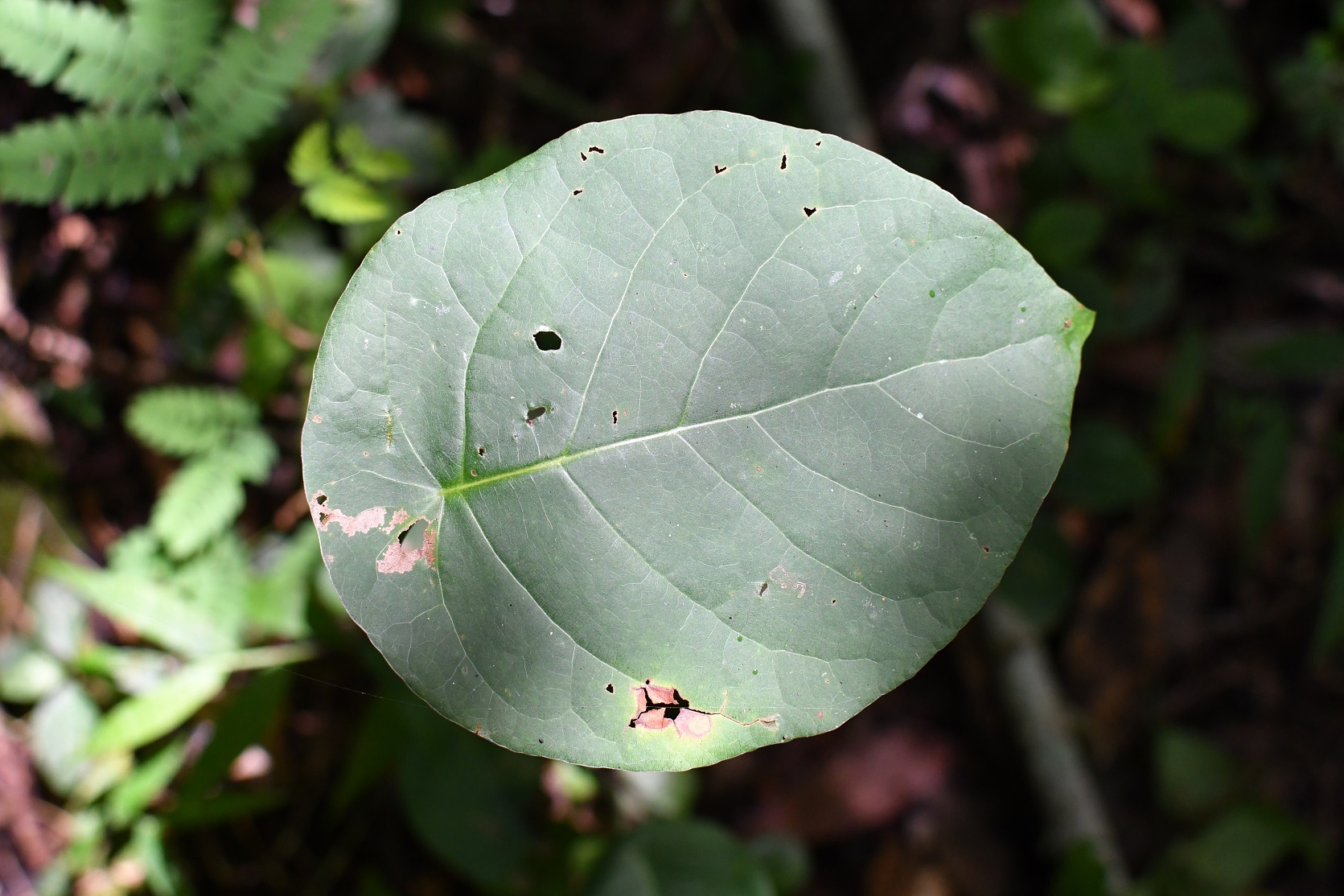
Physically, Coccoloba pubescens is a large shrub or small tree that can reach impressive heights, often exceeding 10 meters. Its most distinguishing feature is its exceptionally large, broadly ovate to orbicular leaves, which can measure up to 50 centimeters in diameter. These leaves are thick, leathery, and prominently veined, with a glossy green upper surface and a paler, often pubescent underside. The leaf margins are typically entire. The plant produces racemes of small, inconspicuous flowers that are typically white or greenish. Following flowering, it develops clusters of fleshy, grape-like fruits, which are globose and typically purple to black when ripe, though variations can occur. The bark is generally smooth and grayish on younger stems, becoming rougher and fissured with age.
The native distribution of Coccoloba pubescens is primarily along the coastal regions of the Caribbean, including islands like Puerto Rico and the Virgin Islands, and extending into parts of Central and South America. It thrives in sandy soils, dunes, and coastal scrub habitats, often in areas exposed to salt spray and strong winds. Its tolerance for these challenging conditions makes it a valuable species for coastal restoration and erosion control. While it is adapted to specific coastal conditions, it can also be cultivated in well-drained soils in tropical and subtropical climates, provided it receives adequate sunlight and protection from prolonged frost.
Ecologically, Coccoloba pubescens plays a role in its native habitat by stabilizing sand dunes and providing a food source for wildlife through its fruits. The fruits are consumed by birds and other animals, aiding in seed dispersal. While not widely cultivated for agricultural purposes, its ornamental value is recognized, particularly for its dramatic foliage and coastal resilience. Scientific literature does not extensively document medicinal, culinary, or significant economic uses for this specific species, with its primary importance lying in its ecological role and aesthetic appeal in suitable landscapes.
An interesting characteristic of Coccoloba pubescens is its ability to withstand harsh coastal conditions, including saline soils and wind. The large, leathery leaves are an adaptation that helps reduce water loss through transpiration in these exposed environments. The robust root system also contributes to its effectiveness in preventing coastal erosion. The clustered fruits, resembling grapes, are a characteristic feature that gives the genus its common name, Seagrape.