Water
Water Mountain Houseleek sparingly, allowing the soil to dry out completely between waterings. Overwatering is the most common cause of rot. Reduce watering significantly during winter dormancy to prevent root rot.
Also known as Alpine House-Leek · Alpine Sempervivum · Mountain House-Leek
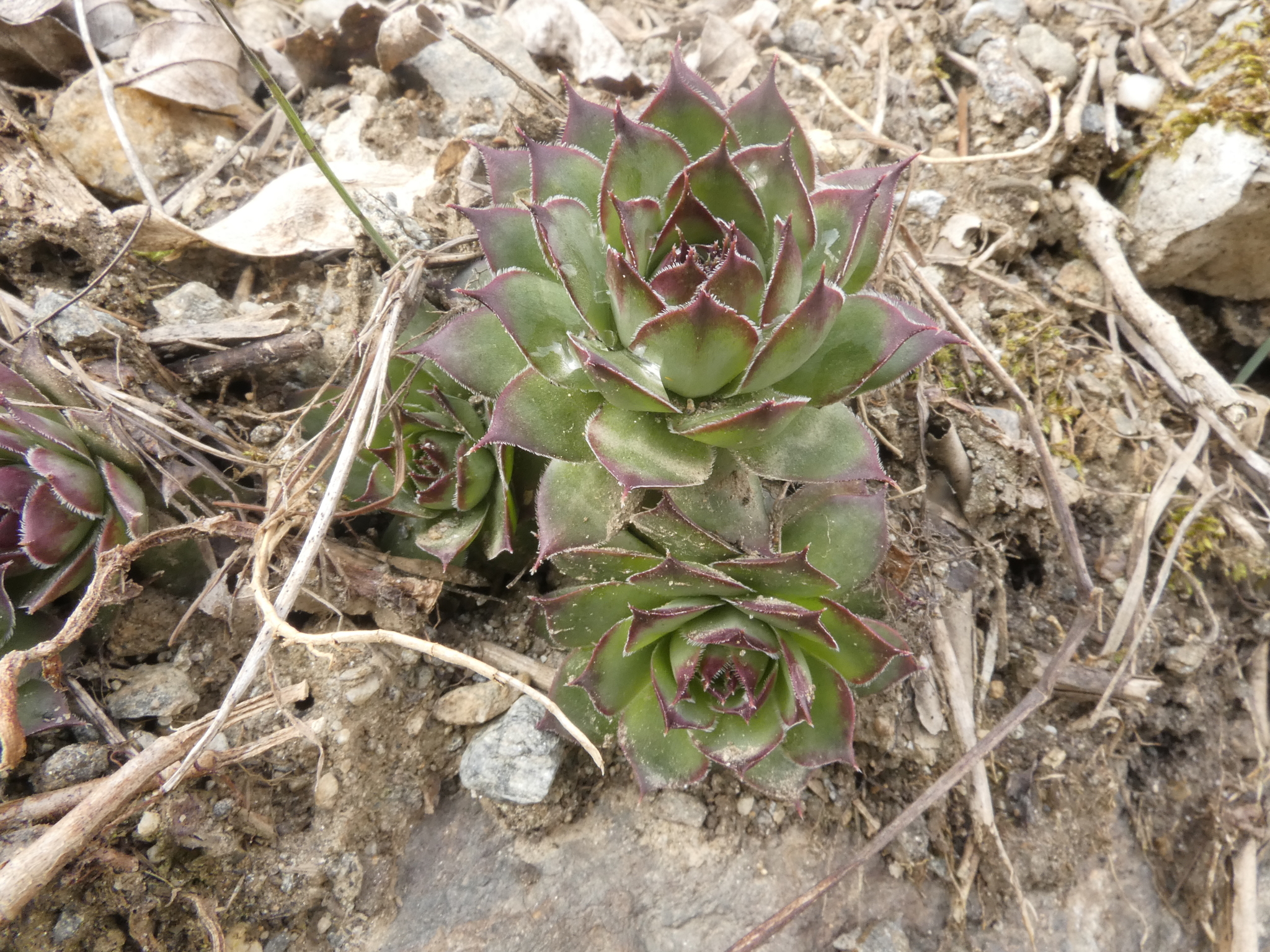
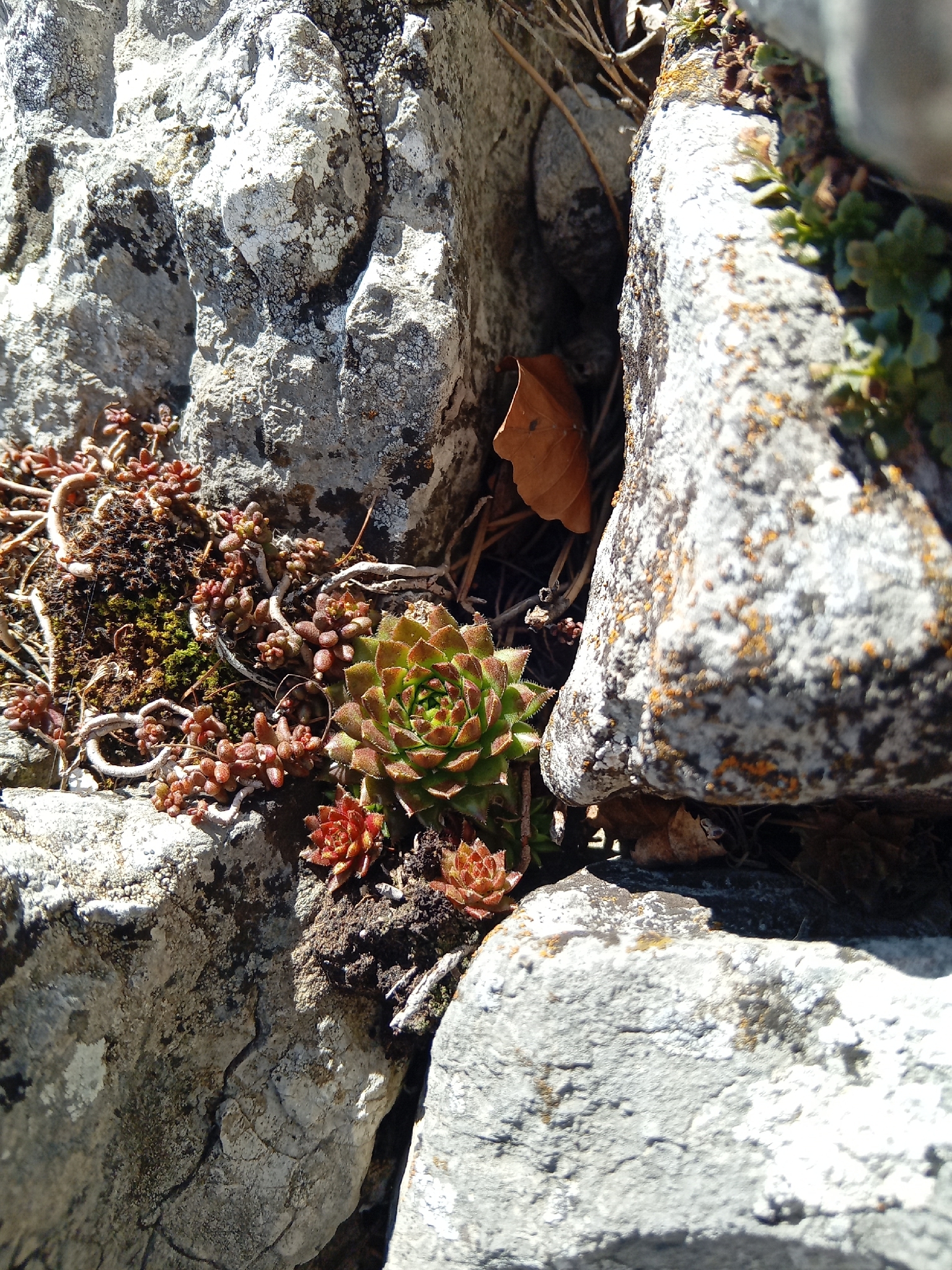
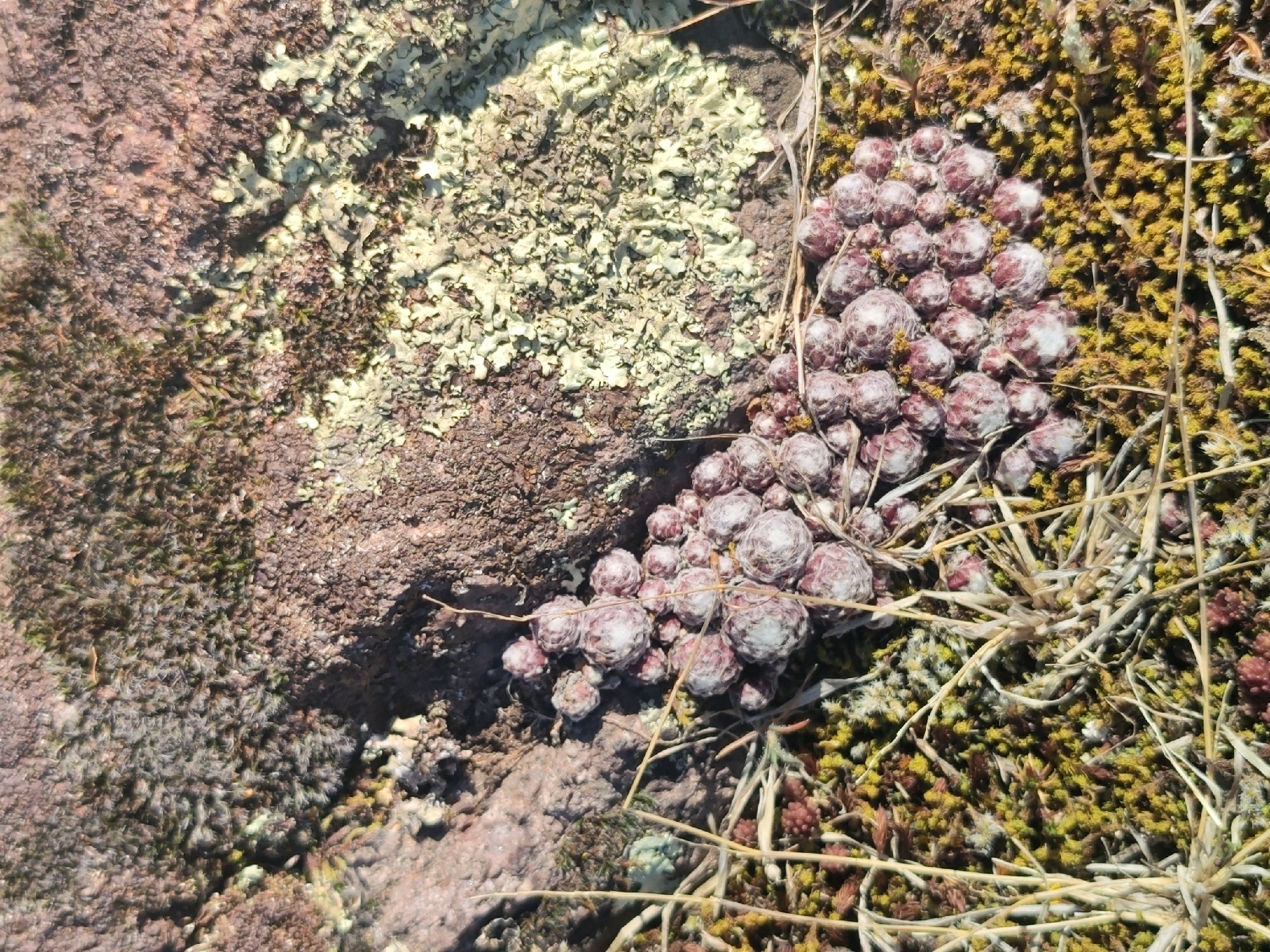
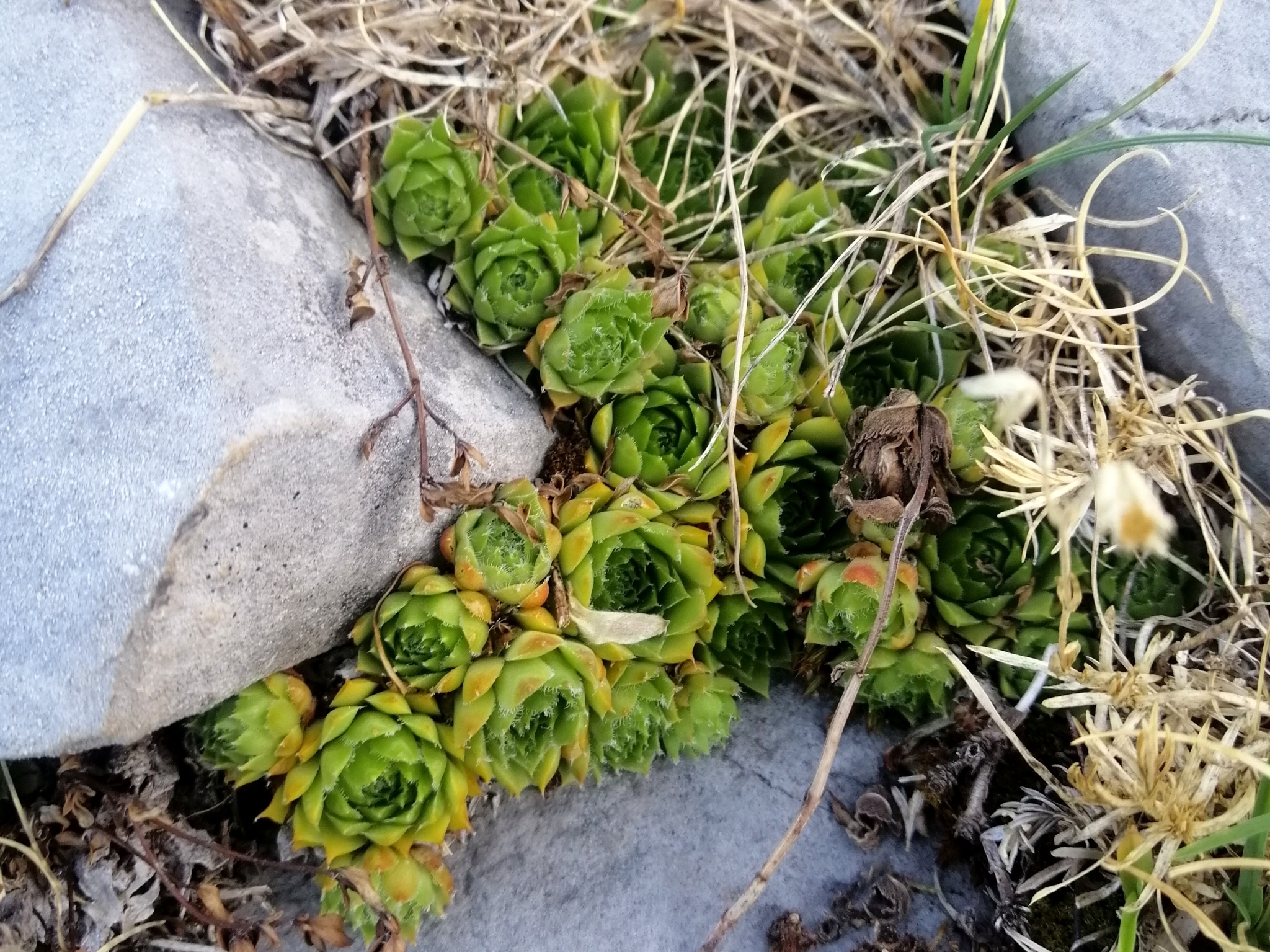
Mountain Houseleek (Sempervivum montanum) is a hardy succulent forming dense rosettes of fleshy leaves, ideal for rock gardens and dry, sunny locations.
At-a-glance light, water, soil, and growing conditions from plant data
Prefers full sun for best compact growth and color. Can tolerate partial shade.
100% intensity
Allow soil to dry completely between waterings. Avoid waterlogging.
25% intensity
Gritty, well-drained soil, sandy loam, rocky
50% intensity
Hardy in cold climates. Prefers moderate temperatures during the growing season. Tolerates heat if drainage is good.
50% intensity
Minimal feeding required. Fertilize once in spring with diluted balanced fertilizer.
25% intensity
Safety information from plant toxicity data
| Attribute | Value |
|---|---|
| Toxic for humans | No 0/5 intensity |
| Toxic for pets | No 0/5 intensity |
Non-toxic
Key traits and growing stats from plant data
Watering, pruning, propagation, and repotting details from plant data
Water Mountain Houseleek sparingly, allowing the soil to dry out completely between waterings. Overwatering is the most common cause of rot. Reduce watering significantly during winter dormancy to prevent root rot.
Pruning is minimal for Sempervivum montanum. Remove any dead or damaged leaves as they appear to maintain a tidy appearance and prevent potential disease. Dead flower stalks can also be trimmed off after blooming.
Propagate Sempervivum montanum easily by offsets (chicks) that form around the mother plant. Gently separate the offsets when they are a good size and pot them in well-draining soil. They root quickly.
Repot Mountain Houseleek every 2-3 years, or when the pot becomes overcrowded with offsets. Use a gritty, well-draining potting mix.
Choose a pot that is only slightly larger than the root ball to avoid excess moisture retention.
Identify plants like this with ePlant AI
Snap a photo to get care tips and match similar species on the go.
Monthly activity intensity for bloom and fruit across both hemispheres.
Flowering & fruiting calendar
Flowering & fruiting calendar
Photos of Mountain Houseleek (Sempervivum montanum)
Where Mountain Houseleek (Sempervivum montanum) is found

Density
Tap map to explore
Common names and botanical synonyms
Botanical classification
| Rank | Name |
|---|---|
| Kingdom | Plantae |
| Division | Tracheophyta |
| Class | Magnoliopsida |
| Order | Saxifragales |
| Family | Crassulaceae |
| Genus | Sempervivum |
| Species | Sempervivum montanum |
Similar in genus Sempervivum
Answers based on plant encyclopedia data