Centranthus Lecoqii (Centranthus lecoqii) – Growing Guide, Care & Benefits | ePlant AI
Centranthus Lecoqii (Centranthus lecoqii)
Centranthus lecoqii is a small, clump-forming perennial native to Corsica and Sardinia, featuring pink to red flowers.
Centranthus lecoqii is a species of flowering plant within the family Caprifoliaceae, notable for its specific ecological niche and distinct morphological features. While not as widely cultivated or recognized as some of its close relatives, it holds significance within its native range as a component of Mediterranean flora. Understanding Centranthus lecoqii provides insight into the biodiversity of arid and rocky environments.
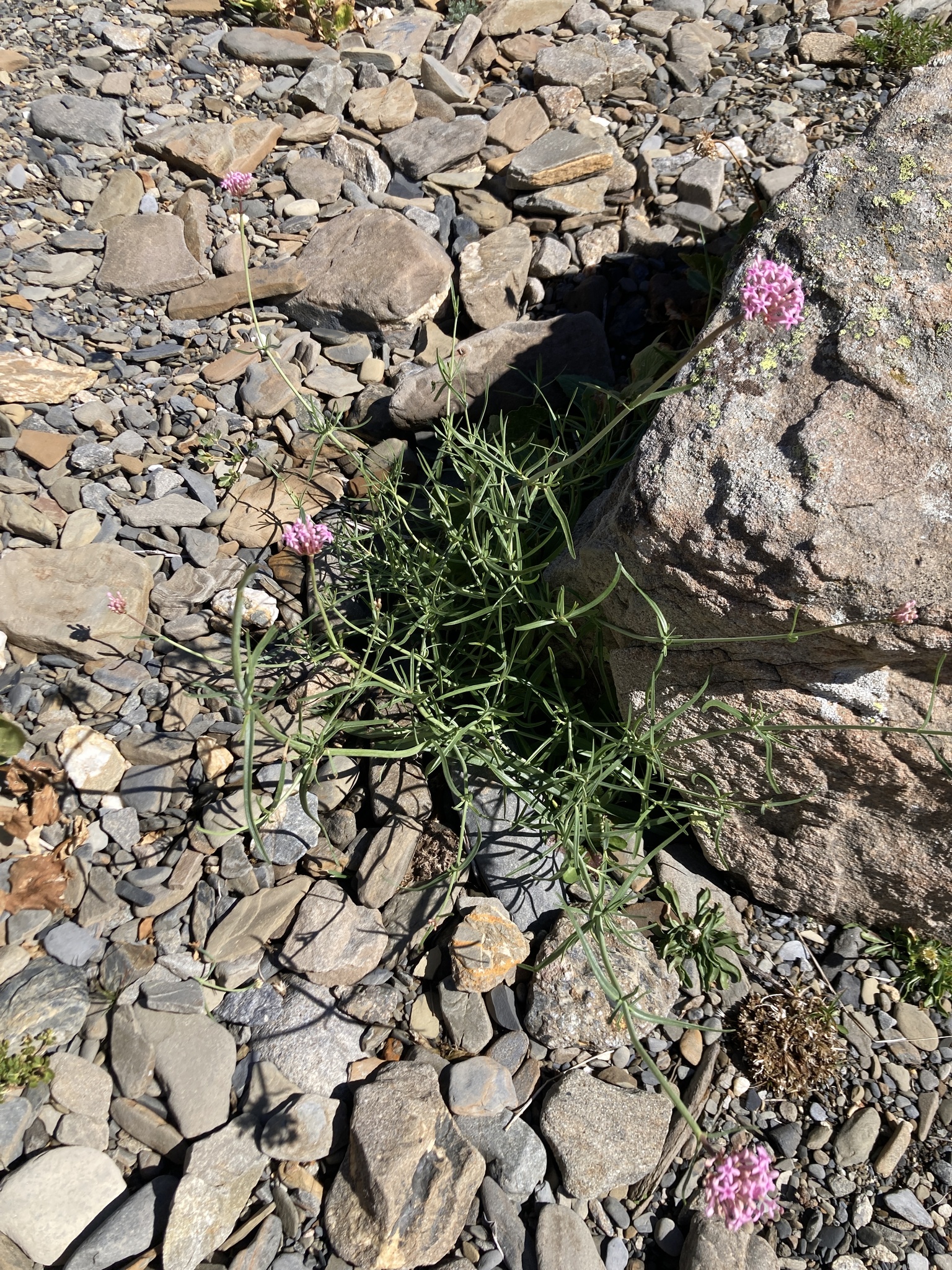
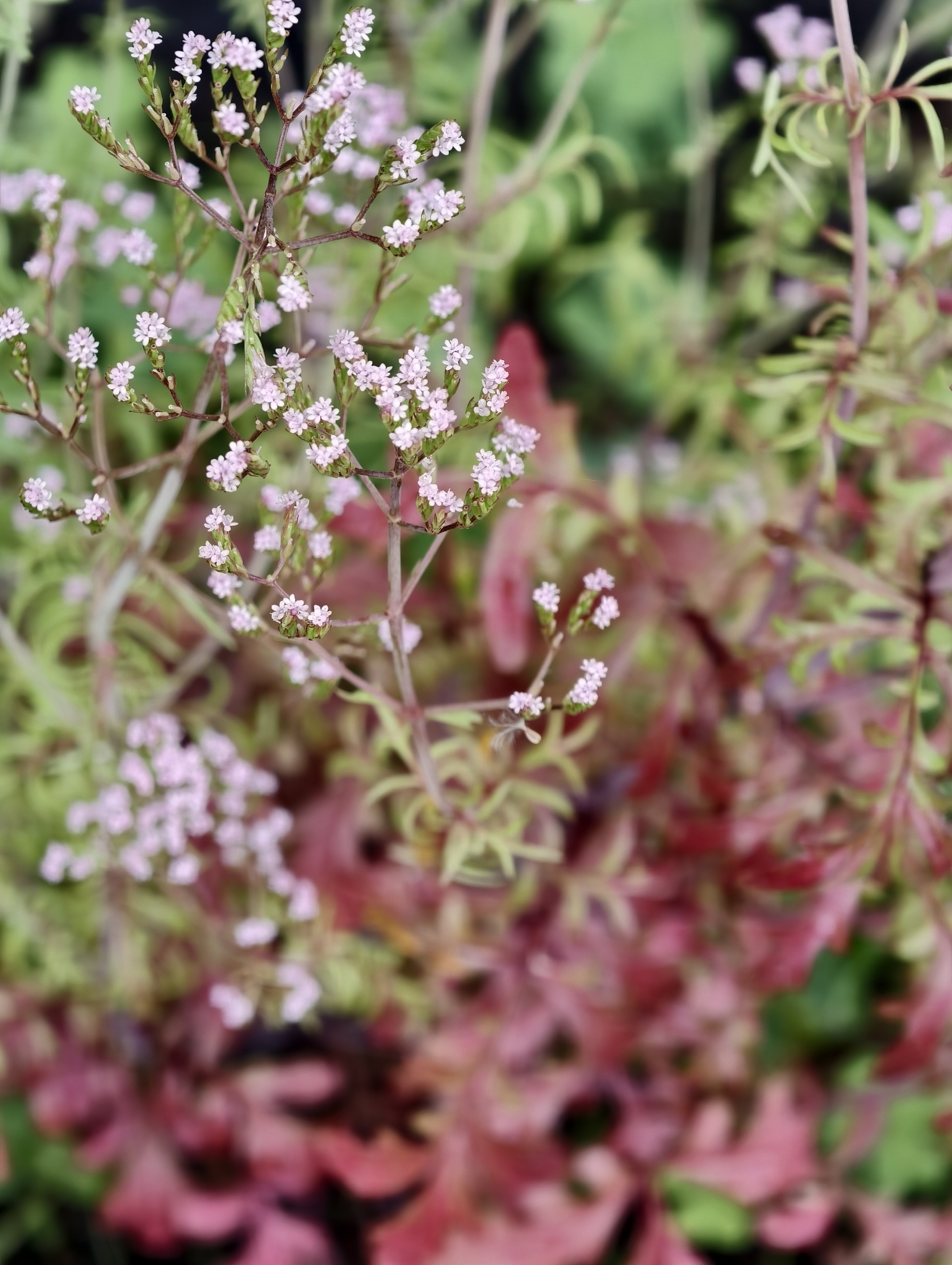
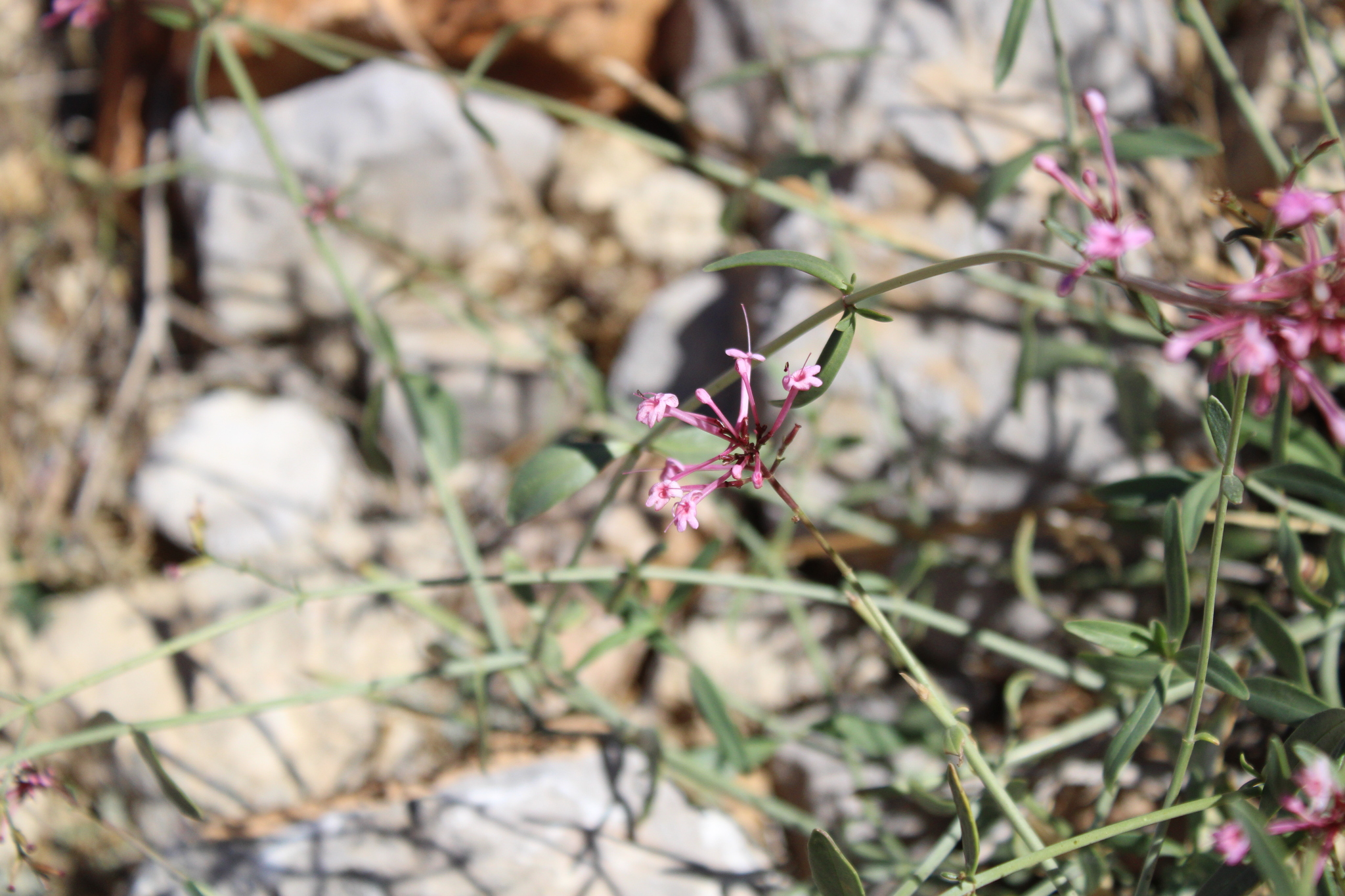
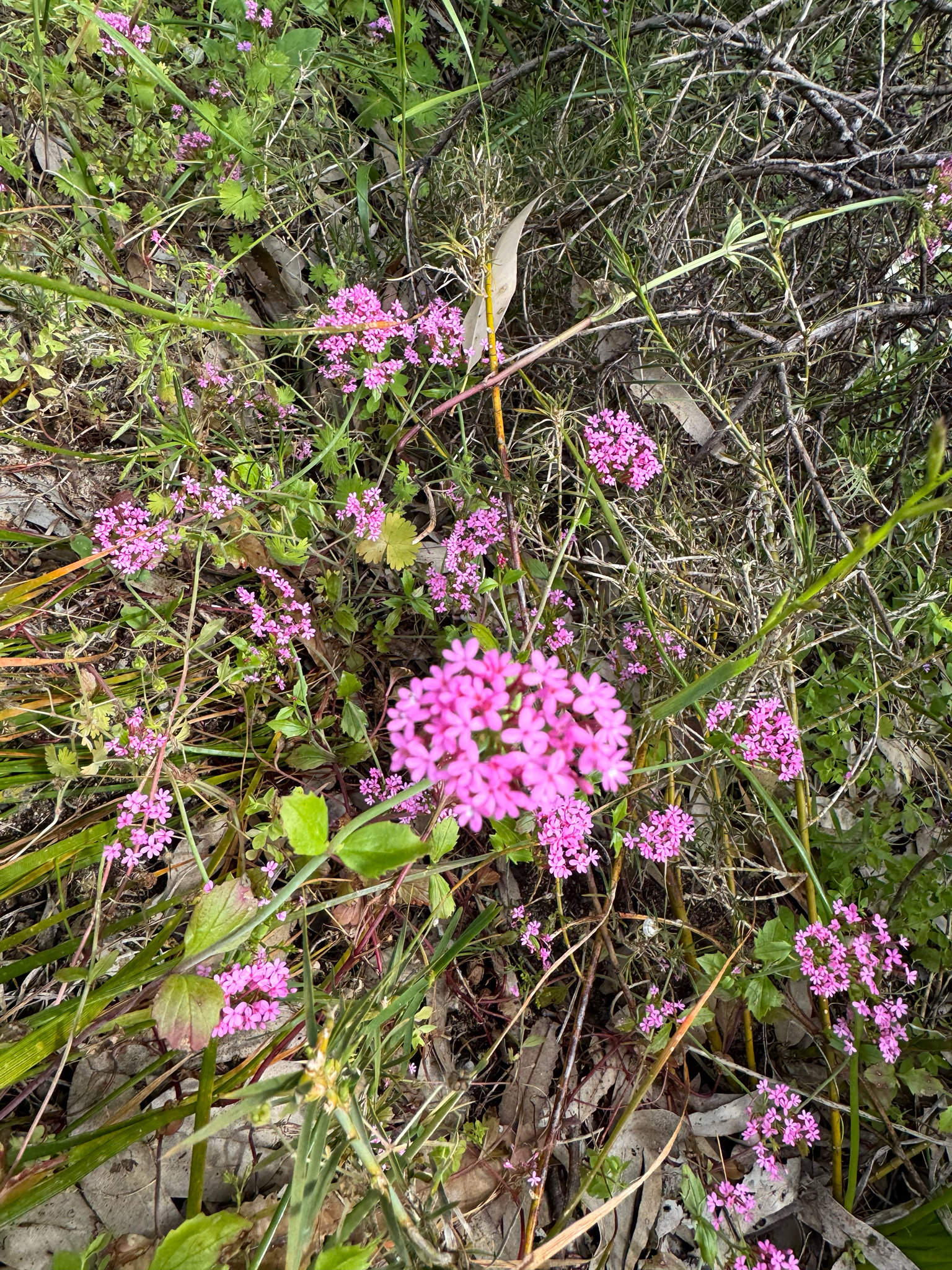
Physically, Centranthus lecoqii typically presents as a perennial herb or subshrub. It often forms a compact, somewhat bushy growth habit, reaching a modest height, generally not exceeding 30 to 50 centimeters. The stems are erect to ascending and can be somewhat woody at the base. Its leaves are arranged oppositely along the stem, characteristic of many species in this family. The leaf shape is generally lanceolate to ovate, with entire or slightly toothed margins. The surface of the leaves can be glabrous or slightly pubescent. The most striking feature of Centranthus lecoqii is its inflorescence. It produces terminal clusters, or cymes, of small, tubular flowers. These flowers are typically fragrant and can range in color from pale pink to deep crimson or white, depending on the specific population and environmental conditions. The blooming period usually occurs during the spring and early summer months. Following successful pollination, the plant develops small, dry fruits, often achenes, which contain the seeds.
The native distribution of Centranthus lecoqii is primarily concentrated in the Mediterranean region, particularly in parts of Southern Europe and North Africa. It thrives in dry, rocky habitats, often found on calcareous soils, scree slopes, and in crevices of rock walls. Its natural habitat is characterized by arid or semi-arid conditions, with significant sun exposure and well-drained soil. In cultivation, Centranthus lecoqii prefers similar conditions: full sun and excellent drainage are paramount. It is well-suited to xeriscaping and rock gardens where water conservation is a priority. While it can tolerate some frost, it is generally considered to be moderately hardy, performing best in Mediterranean or similar climates. Propagation is typically achieved through seeds or cuttings.
Ecologically, Centranthus lecoqii plays a role in supporting local insect populations, particularly pollinators attracted to its flowers. Its ability to colonize harsh, nutrient-poor environments demonstrates adaptations to drought and challenging soil conditions. While specific documented uses in traditional medicine, cuisine, or significant economic importance are not widely established for Centranthus lecoqii, its ornamental value lies in its attractive floral displays and its suitability for dry, sunny gardens. Its presence contributes to the overall biodiversity of its native ecosystems, offering a glimpse into the resilience of plant life in arid landscapes.
Well-drained soil is essential. Tolerates poor, rocky, or sandy soils.
Temperature
Thrives in average room temperatures.
Habitat
Outdoor
Fertilizer
Feed sparingly during the growing season.
Care Requirements
Light
Prefers full sun but tolerates partial shade.
Good for hot, dry locations.
Water
Water when the top inch of soil feels dry.
Reduce watering in winter.
Soil
Well-drained soil is essential. Tolerates poor, rocky, or sandy soils.
Temperature
Thrives in average room temperatures.
Prefers cooler temperatures in winter for dormancy.
Habitat
Outdoor
Fertilizer
Feed sparingly during the growing season.
Use a balanced fertilizer diluted.
Plant Overview
Plant Type
Herb
Plant Category
Flowering, Ornamental
Plant Place Type
Ground, Pot, Garden
Plant Environment
Outdoor
Lifespan
Perennials
Plant Height
0.15-0.3 m
Spread
0.15-0.3 m
Growth Rate
Moderate
Dormancy
Semi-evergreen
Leaf Color
Green
Leaf Type
Simple
Flower Size
0.5-1 cm
Image Gallery
Flowering & Fruiting Cycles
Monthly activity intensity for bloom and fruit across both hemispheres.
Northern hemisphere
Flowering & fruiting calendar
Peak bloom · JunPeak fruit · Aug
FloweringFruiting
Southern hemisphere
Flowering & fruiting calendar
Peak bloom · JulPeak fruit · Aug
FloweringFruiting
Taxonomy
kingdomPlantae
divisionTracheophyta
classMagnoliopsida
orderDipsacales
familyCaprifoliaceae
genusCentranthus
speciesCentranthus lecoqii
Toxicity
Toxic for humans
No
Rating: 0/5
Toxic for pets
No
Rating: 0/5
Edible
No
Additional Care Tips
Water moderately during the growing season, allowing the soil to dry out between waterings. Reduce watering in cooler months.
Deadhead spent flowers to encourage reblooming and maintain a tidy appearance. Cut back plants in late autumn or early spring to promote new growth.
Easily propagated from seed sown in spring or autumn. Can also be propagated by division of established clumps in spring.
If grown in a pot, repot every 2-3 years in spring into fresh, well-draining potting mix. Ensure the new pot has adequate drainage holes.
FAQs
How often should I water Centranthus lecoqii?
Water regularly during the growing season, allowing the top inch of soil to dry out between waterings. Reduce watering significantly in winter.
What kind of soil does Centranthus lecoqii prefer?
It thrives in well-drained soil and can tolerate poor, rocky, or sandy conditions. Good drainage is crucial to prevent root rot.
Does Centranthus lecoqii need pruning?
Deadheading spent flowers encourages more blooms and keeps the plant tidy. Cut back the plant in late autumn or early spring to promote vigorous new growth.
Can Centranthus lecoqii be grown in pots?
Yes, it is well-suited for container growing. Ensure the pot has excellent drainage and use a well-draining potting mix.
Is Centranthus lecoqii a perennial?
Yes, Centranthus lecoqii is a perennial plant, meaning it lives for more than two years and typically regrows each spring.