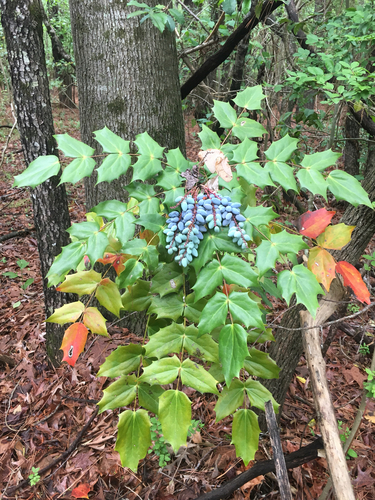
Mahonia aquifolium, commonly known as Oregon grape, is an evergreen shrub native to western North America, featuring holly-like foliage and bright yellow flowers.
Above information is sourced from Wikipedia
Sunlight
Prefers partial shade but tolerates full sun.
Watering
Water moderately, allowing soil to dry slightly between waterings.
Soil
Adaptable to various soil types, but prefers well-drained, slightly acidic to neutral soil. Amending with compost improves fertility and drainage.
Temperature
Thrives in moderate temperatures.
Habitat
Outdoor
Fertilizer
Fertilize in early spring with a balanced, slow-release fertilizer.
Prefers partial shade but tolerates full sun.
Protect from intense afternoon sun in hot climates.
Water moderately, allowing soil to dry slightly between waterings.
Reduce watering in winter.
Adaptable to various soil types, but prefers well-drained, slightly acidic to neutral soil. Amending with compost improves fertility and drainage.
Thrives in moderate temperatures.
Tolerates a range of temperatures, hardy in USDA zones 5-9.
Outdoor
Fertilize in early spring with a balanced, slow-release fertilizer.
Avoid over-fertilizing.
Plant Type
Shrub
Plant Category
Foliage, Ornamental
Plant Place Type
Ground, Garden
Plant Environment
Outdoor
Lifespan
Perennials
Plant Height
1-2 m
Spread
1-2 m
Growth Rate
Moderate
Dormancy
None
Leaf Color
Green, Bronze, Purple
Leaf Type
Evergreen
Flower Size
1 cm
Toxic for humans
No
Rating: 0/5
Toxic for pets
Yes
Rating: 3/5
Edible
No
Contains berbine, which can cause gastrointestinal upset in pets and humans if ingested in large quantities. Parts of the plant are toxic.