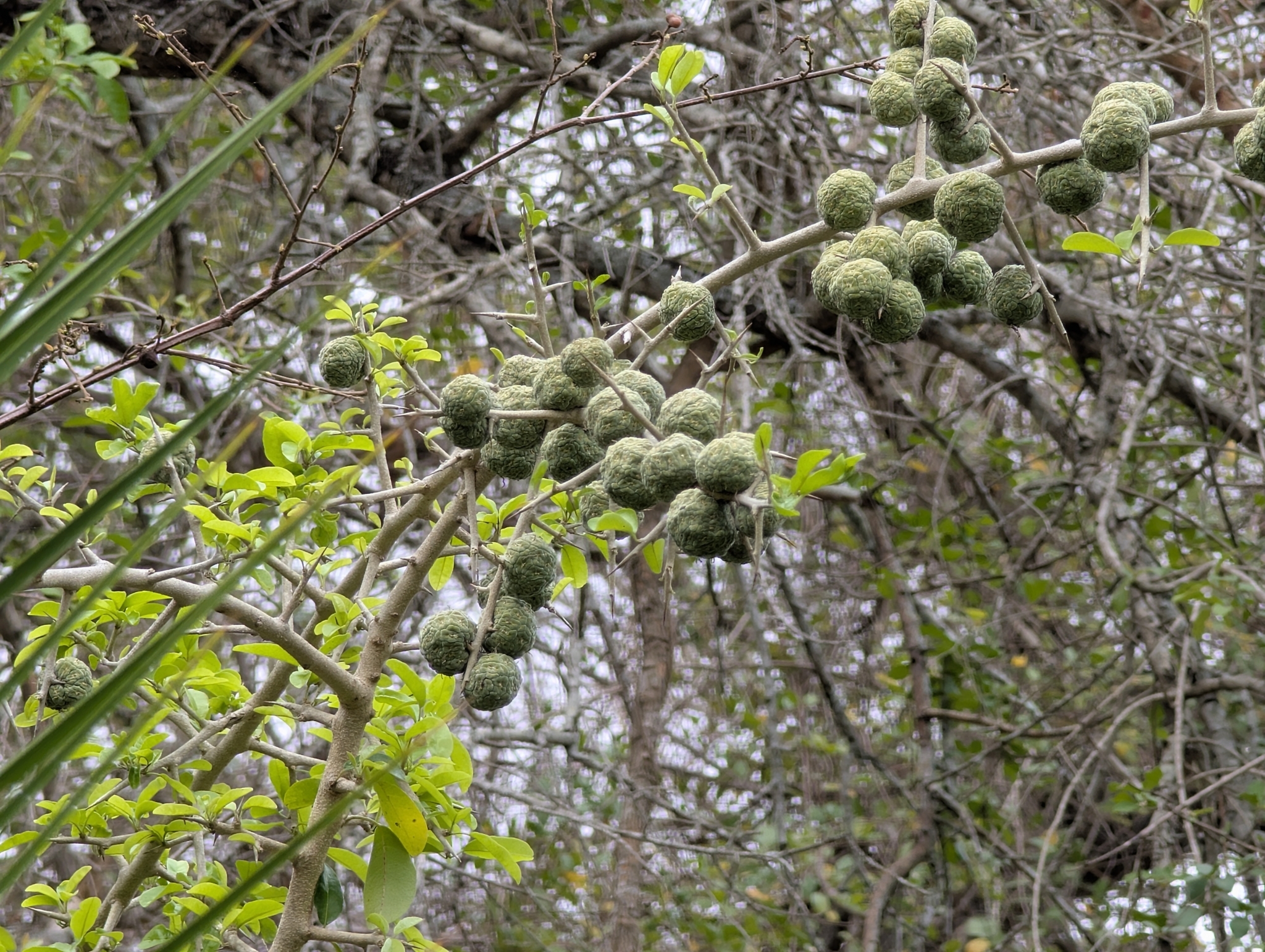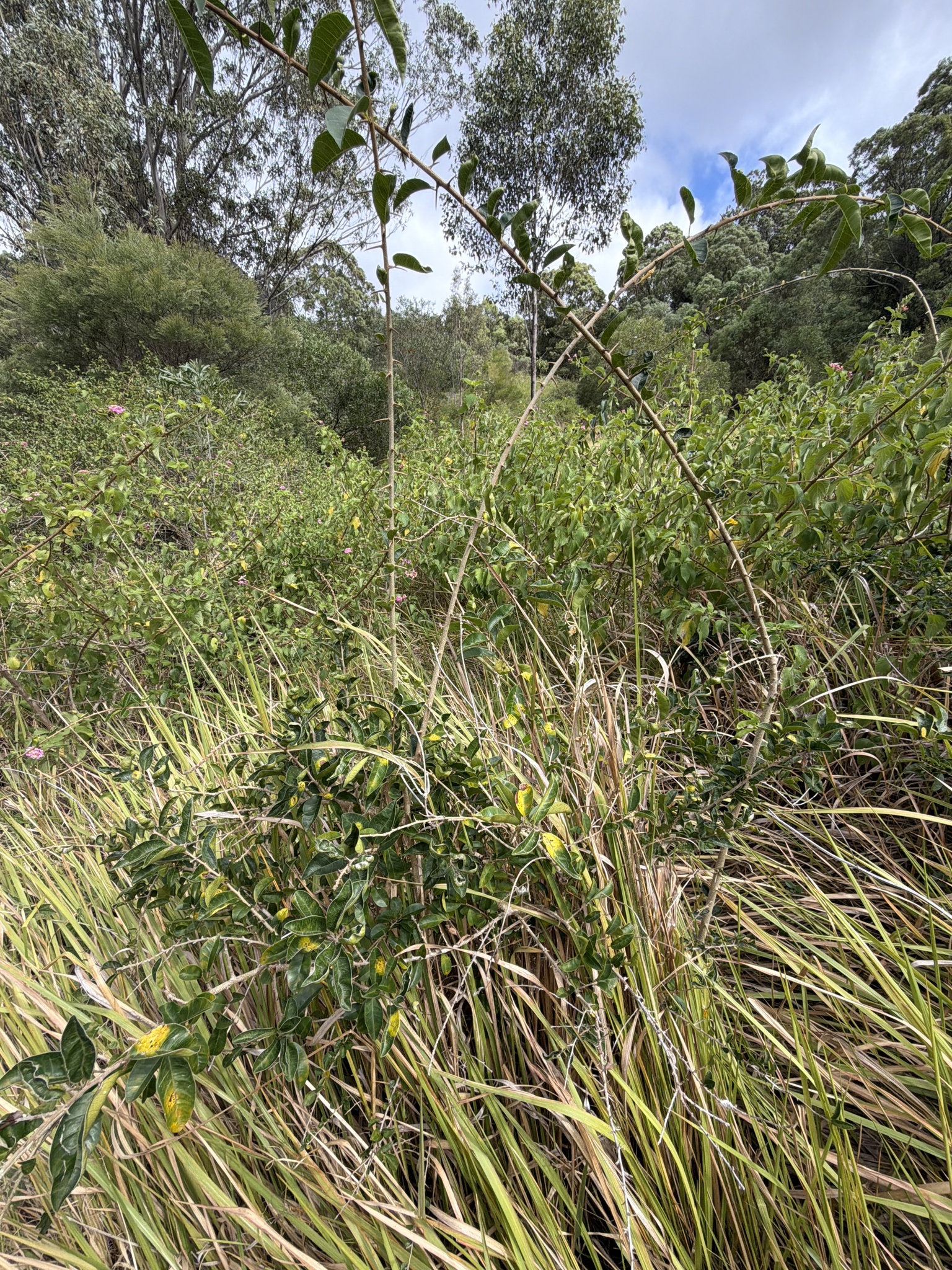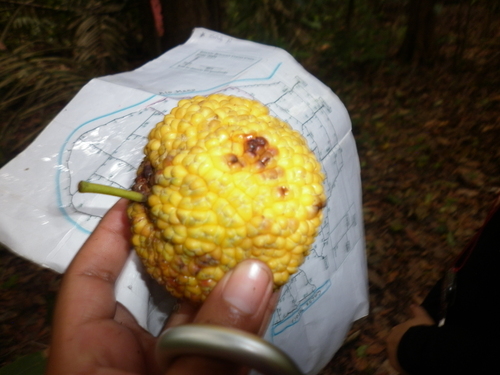
Osage-orange (Maclura pomifera) is a hardy, deciduous tree known for its distinctive large, bumpy, inedible fruits and thorny branches. Valued for its durable wood, used
Above information is sourced from Wikipedia
Sunlight
Requires full sun for optimal growth and fruit production, meaning at least 6-8 hours of direct sunlight daily.
Watering
Water young trees regularly until established. Mature trees are highly drought-tolerant and rarely need supplemental watering.
Soil
Adaptable to a wide range, including poor, clay, sandy, and alkaline soils; prefers well-drained.
Temperature
Extremely hardy, thriving in a broad temperature range from -30°C to 35°C. It is well-suited to temperate climates.
Habitat
Outdoor
Fertilizer
Generally does not require fertilization, especially once established. If growth is poor, a balanced slow-release fertilizer can be applied in spring.
Requires full sun for optimal growth and fruit production, meaning at least 6-8 hours of direct sunlight daily.
Water young trees regularly until established. Mature trees are highly drought-tolerant and rarely need supplemental watering.
Adaptable to a wide range, including poor, clay, sandy, and alkaline soils; prefers well-drained.
Extremely hardy, thriving in a broad temperature range from -30°C to 35°C. It is well-suited to temperate climates.
Outdoor
Generally does not require fertilization, especially once established. If growth is poor, a balanced slow-release fertilizer can be applied in spring.
Plant Type
Tree
Plant Category
Ornamental, Fruit
Plant Place Type
Ground, Garden
Plant Environment
Outdoor
Lifespan
Perennials
Plant Height
6-15 m
Spread
6-12 m
Growth Rate
Fast
Dormancy
Winter
Leaf Color
Green, Yellow
Leaf Type
Simple
Flower Size
0.5-1 cm
Optimal Sunlight Lux
60000
Weed Status
Yes
Toxic for humans
No
Rating: 0/5
Toxic for pets
No
Rating: 0/5
Edible
No
The milky sap can cause skin irritation. Fruits are generally non-toxic but unpalatable and may cause mild gastric upset if ingested.