Skip to plant details

Winged False ButtonweedSpermacoce latifolia

Also known as Broadleaf Buttonweed · Oval-Leaf False Buttonweed · Oval-Leaf False-Buttonweed

  • Type: Herb
  • Sunlight: Moderate to High
  • Water: Moderate
  • Temperature: Moderate

Winged False Buttonweed (Spermacoce latifolia) is a sprawling herbaceous plant with small white flowers, often considered a weed in many regions.

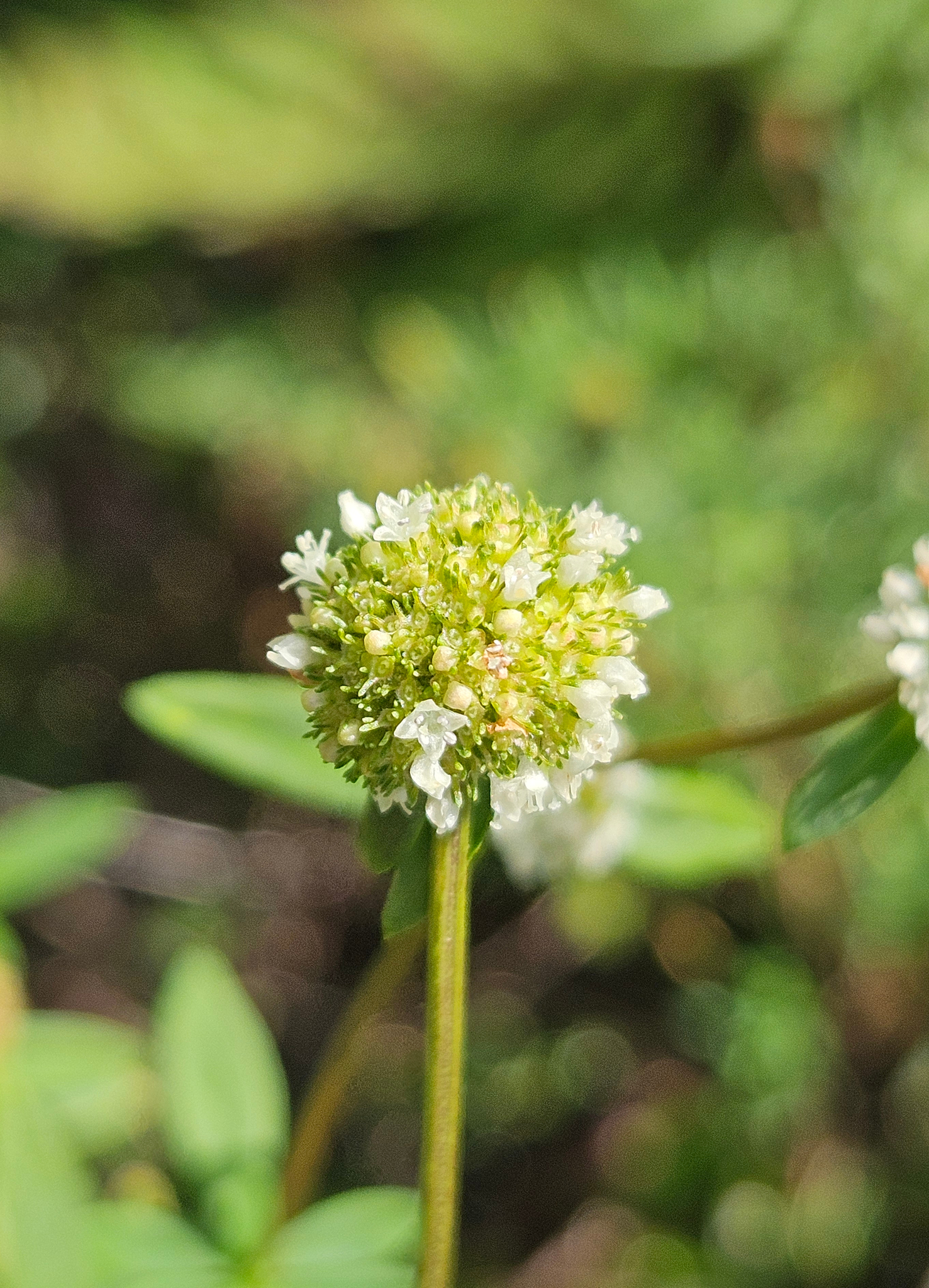
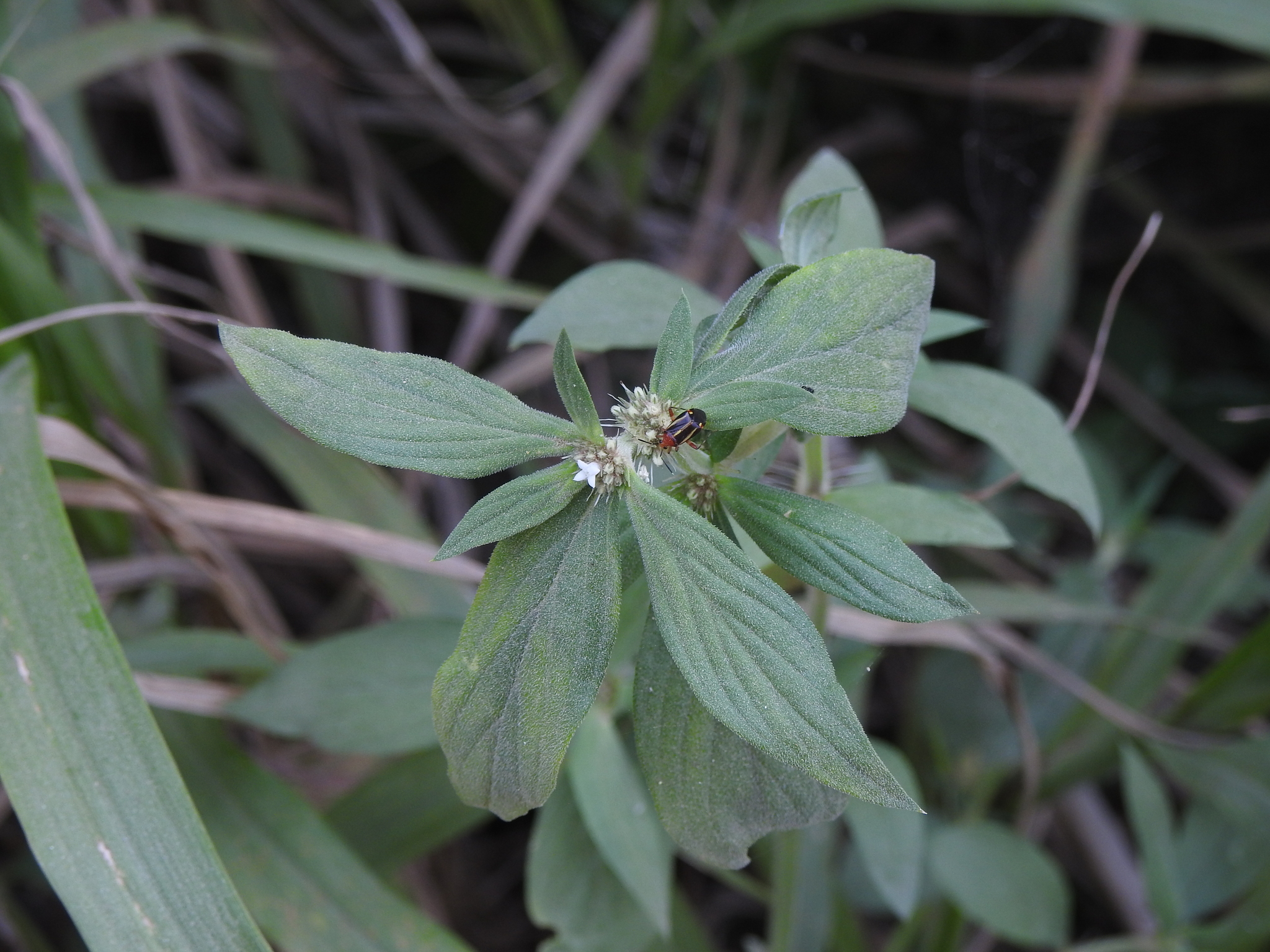
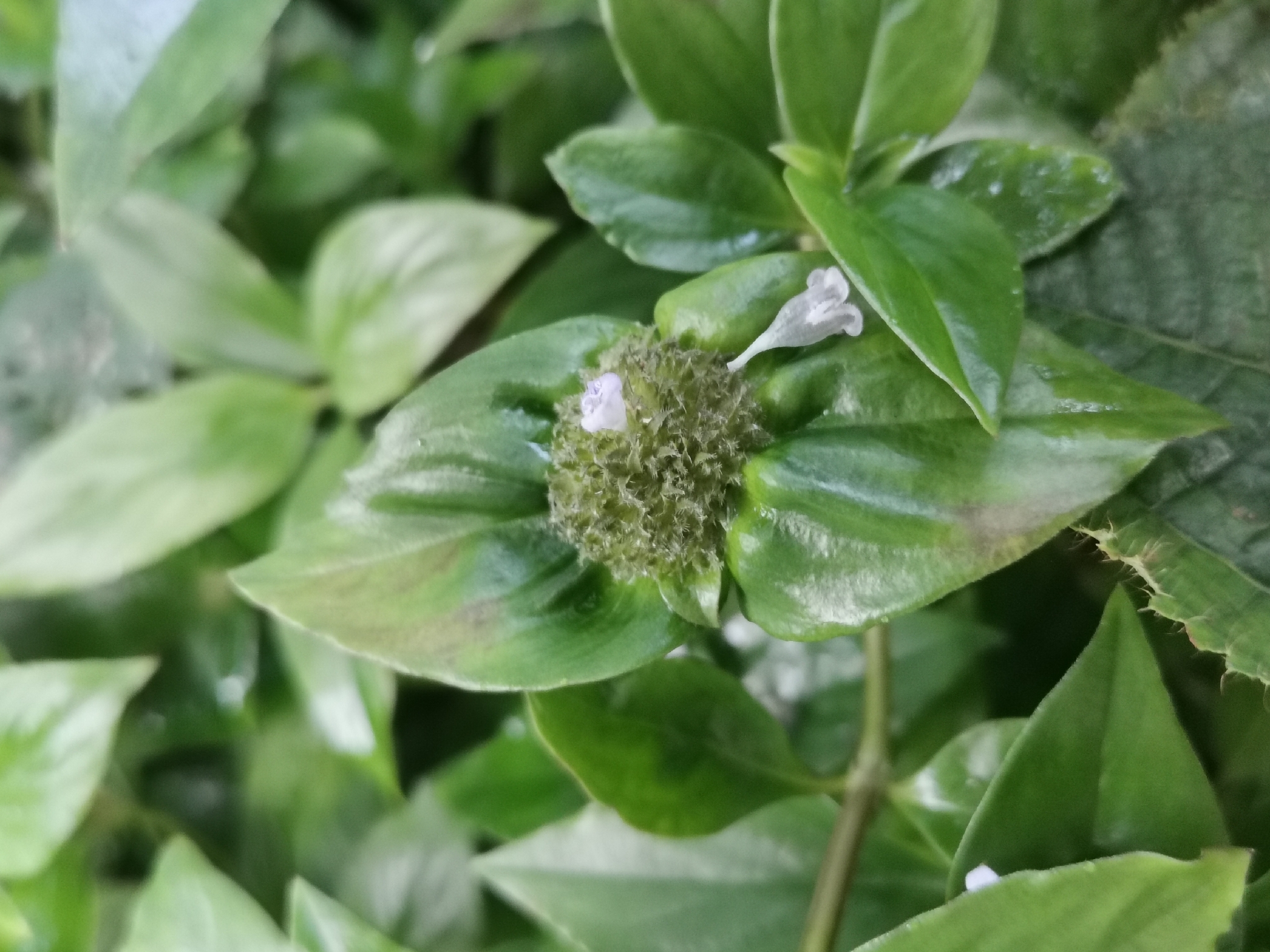
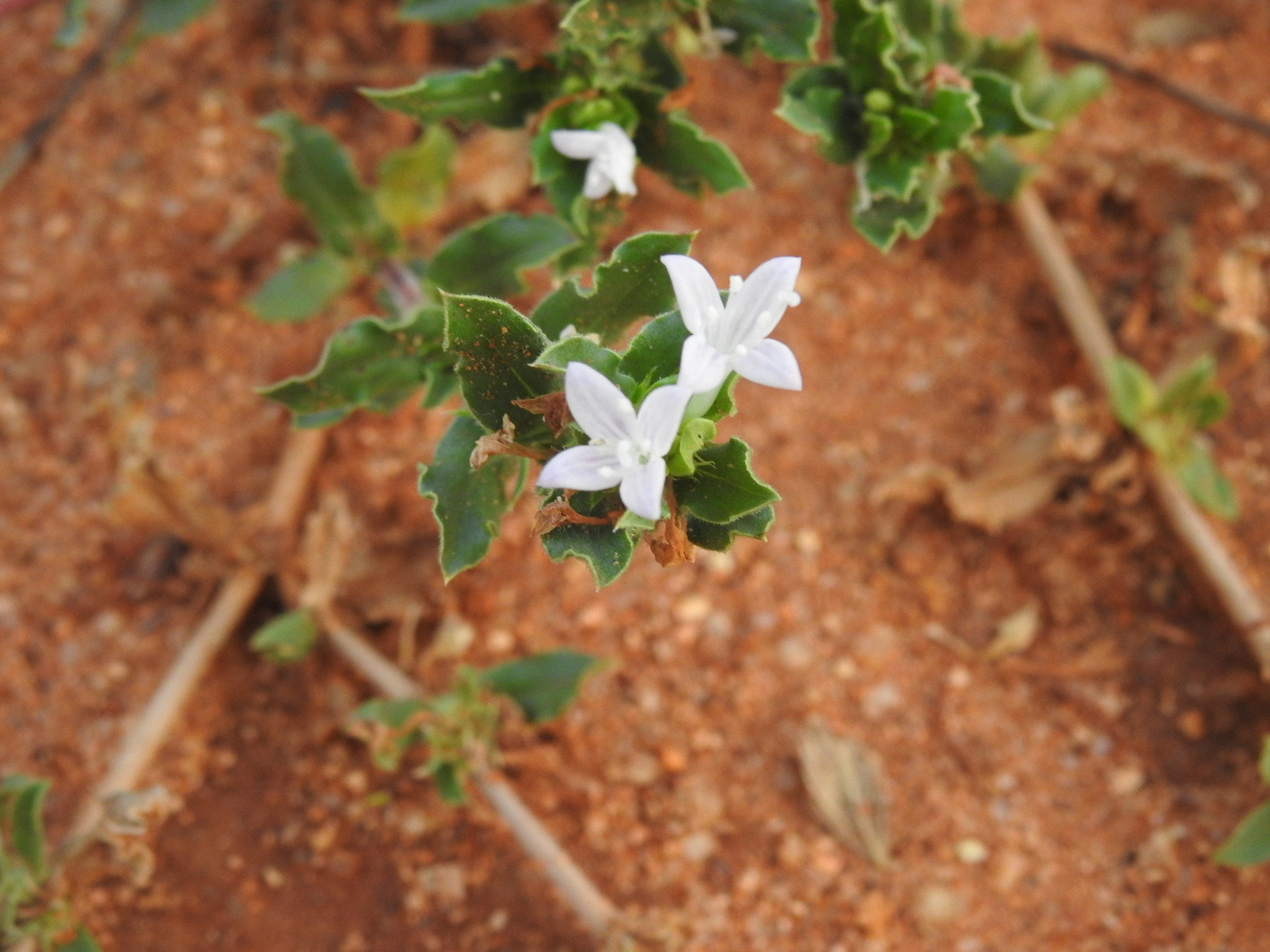
Spermacoce latifolia, commonly known as Winged False Buttonweed, is a herbaceous plant recognized for its distinct botanical features and ecological role within its native range. This species belongs to the Rubiaceae family, a diverse group that includes coffee and gardenias, and its scientific name reflects its broad leaves. Understanding Spermacoce latifolia provides insight into the flora of its native regions and its interactions within those ecosystems. Physically, Spermacoce latifolia is typically an annual or short-lived perennial herb that grows upright or spreads somewhat. It can reach a height of approximately 20 to 60 centimeters. The stems are often quadrangular, a common characteristic in the Rubiaceae family, and can be slightly hairy. Its leaves are arranged oppositely along the stem and are ovate to broadly ovate in shape, hence the specific epithet "latifolia," meaning broad-leaved. The leaf margins are entire, and the surface can be smooth or sparsely pubescent. The flowers of Spermacoce latifolia are small and inconspicuous, typically borne in dense axillary clusters. They are usually white or pale pink, with four petals that are fused at the base to form a short tube. Following flowering, the plant produces small, dry capsules that contain the seeds. These capsules are often ribbed and split open to release the seeds. The native distribution of Spermacoce latifolia is primarily in tropical and subtropical regions of the Americas, extending from Mexico and the Caribbean southward into South America. It thrives in a variety of natural habitats, often found in disturbed areas, open woodlands, savannas, and along roadsides. It prefers well-drained soils and can tolerate a range of light conditions, from full sun to partial shade. While not widely cultivated as an ornamental, its adaptability to various soil types and its tolerance for some drought make it a resilient plant in its natural environment. Ecologically, Spermacoce latifolia plays a role in supporting local insect populations, particularly pollinators attracted to its small flowers. Its seeds can also serve as a food source for certain birds and small mammals. While specific documented uses for Spermacoce latifolia in medicinal, culinary, or economic contexts are not widely established or scientifically validated, its presence contributes to the biodiversity of its native ecosystems. An interesting characteristic of Spermacoce latifolia, shared with other members of its genus, is the presence of interpetiolar stipules, which are small leaf-like appendages located between the leaf stalks at each node. These stipules can vary in shape and size and are often fringed or bristly, adding to the plant's unique morphology. The plant's ability to colonize disturbed habitats suggests a degree of resilience and a capacity for rapid reproduction, contributing to its prevalence in certain landscapes.

Photograph © 林棋欽 · CC-BY-NC

Winged False Buttonweed Care Summary

At-a-glance light, water, soil, and growing conditions from plant data

Light

Moderate to High

75% intensity

Prefers bright, indirect light; can tolerate some direct sun.

Watering

Moderate

50% intensity

Allow soil to dry slightly between waterings.

Soil

Well-drained

50% intensity

Temperature

Moderate

50% intensity

Thrives in temperatures between 18-24°C; avoid frost.

Fertilizer

Moderate

50% intensity

Feed during growing season with diluted balanced fertilizer.

Winged False Buttonweed Toxicity

Safety information from plant toxicity data

Toxicity details for Winged False Buttonweed
AttributeValue
Toxic for humansNo

0/5 intensity

Toxic for petsNo

0/5 intensity

EdibleNo

Winged False Buttonweed Quick Facts

Key traits and growing stats from plant data

Plant Type
Herb
Plant Place Type
Garden, Pot
Lifespan
Perennial
Plant Height
0.2-0.6 m
Spread
0.3-0.7 m
Growth Rate
Moderate
Dormancy
None
Leaf Color
Green
Leaf Type
Opposite
Flower Size
5-10 mm
Optimal Sunlight Lux
60000
Weed Status
Yes

Care guide for Winged False Buttonweed

Watering, pruning, propagation, and repotting details from plant data

Water

Water Spermacoce latifolia regularly when the top 2-3 cm of soil feels dry. Avoid overwatering, which can lead to root rot. Ensure good drainage in the pot.

Reduce watering frequency during cooler, dormant periods, but do not allow the soil to dry out completely.

Pruning

Prune Spermacoce latifolia to maintain its shape and encourage bushier growth. Pinch back the tips of young stems to promote branching. Remove any dead, damaged, or leggy stems as needed.

Light pruning can be done anytime, with heavier pruning in early spring before new growth begins.

Propagation

Spermacoce latifolia can be propagated by stem cuttings. Take 5-10 cm cuttings from healthy plants in spring or summer. Remove the lower leaves and dip the cut end in rooting hormone.

Plant in a well-draining potting mix and keep moist and warm until roots develop.

Repotting

Repot Spermacoce latifolia every 1-2 years, or when it becomes root-bound. Spring is the ideal time for repotting, just before the active growing season begins.

Choose a pot that is only slightly larger than the current one and use a well-draining potting mix.

Identify plants like this with ePlant

Snap a photo to get care tips and match similar species on the go.

Try for Free

Flowering & Fruiting Cycles

Monthly activity intensity for bloom and fruit across both hemispheres.

Northern hemisphere

Flowering & fruiting calendar

Peak bloom · JulPeak fruit · Aug
FloweringFruiting
02468JanFebMarAprMayJunJulAugSepOctNovDecActivity intensityMonths99
Southern hemisphere

Flowering & fruiting calendar

Peak bloom · DecPeak fruit · Dec
FloweringFruiting
02468JanFebMarAprMayJunJulAugSepOctNovDecActivity intensityMonths99

Winged False Buttonweed Names & Synonyms

Common names and botanical synonyms

Common Names

  • Broadleaf Buttonweed
  • Oval-Leaf False Buttonweed
  • Oval-Leaf False-Buttonweed
  • Squareweed
  • Winged False Buttonweed

Synonyms

  • Borreria bartlingiana DC.
  • Borreria eradii Ravi
  • Borreria fockeana Miq.
  • Borreria latifolia (Aubl.) K.Schum.
  • Borreria penicillata Miq.
  • Borreria perrottetii DC.
  • Borreria platyphylla DC.
  • Borreria scabrida DC.
  • Borreria sideritis Cham. & Schltdl.
  • Borreria splitgerheri Bremek.
  • Borreria tetraptera Miq.
  • Spermacoce aspera Aubl.
  • Spermacoce bartlingiana (DC.) Hemsl.
  • Spermacoce caerulescens Aubl.
  • Tardavel bartlingiana (DC.) Conz.
  • Tardavel latifolia (Aubl.) Standl.

Winged False Buttonweed Taxonomy

Botanical classification

Taxonomic classification of Winged False Buttonweed
RankName
kingdomPlantae
divisionTracheophyta
classMagnoliopsida
orderGentianales
familyRubiaceae
genusSpermacoce
speciesSpermacoce latifolia

Winged False Buttonweed FAQs

Answers based on plant encyclopedia data

What are the preferred growing conditions for Spermacoce latifolia?

Spermacoce latifolia thrives in disturbed soils, open areas, and can tolerate a range of light conditions from full sun to partial shade. It is often found in tropical and subtropical climates.

How can Winged False Buttonweed be controlled?

Control methods include manual removal of the plant, especially before it sets seed. Herbicides may also be used, but selective application is important to avoid harming desirable plants.

Does Spermacoce latifolia have any medicinal uses?

There is no widely established or scientifically validated medicinal use for Spermacoce latifolia in reputable horticultural or botanical resources.

What is the typical size and appearance of Spermacoce latifolia?

It is a low-growing, sprawling herbaceous plant that can reach heights of 15-50 cm. It has opposite, ovate leaves and small, white, tubular flowers arranged in dense heads.

Is Winged False Buttonweed considered invasive?

Yes, Spermacoce latifolia is considered an invasive species in many parts of the world outside its native range due to its prolific seed production and ability to establish in disturbed habitats.