Skip to plant details

Philodendron QuinquenerviumPhilodendron quinquenervium

  • Category: Ornamental
  • Type: Vine
  • Sunlight: Bright, indirect light
  • Water: Keep consistently moist
  • Temperature: Average room temperature

Safety note: This plant may be toxic to humans and pets. See toxicity details.

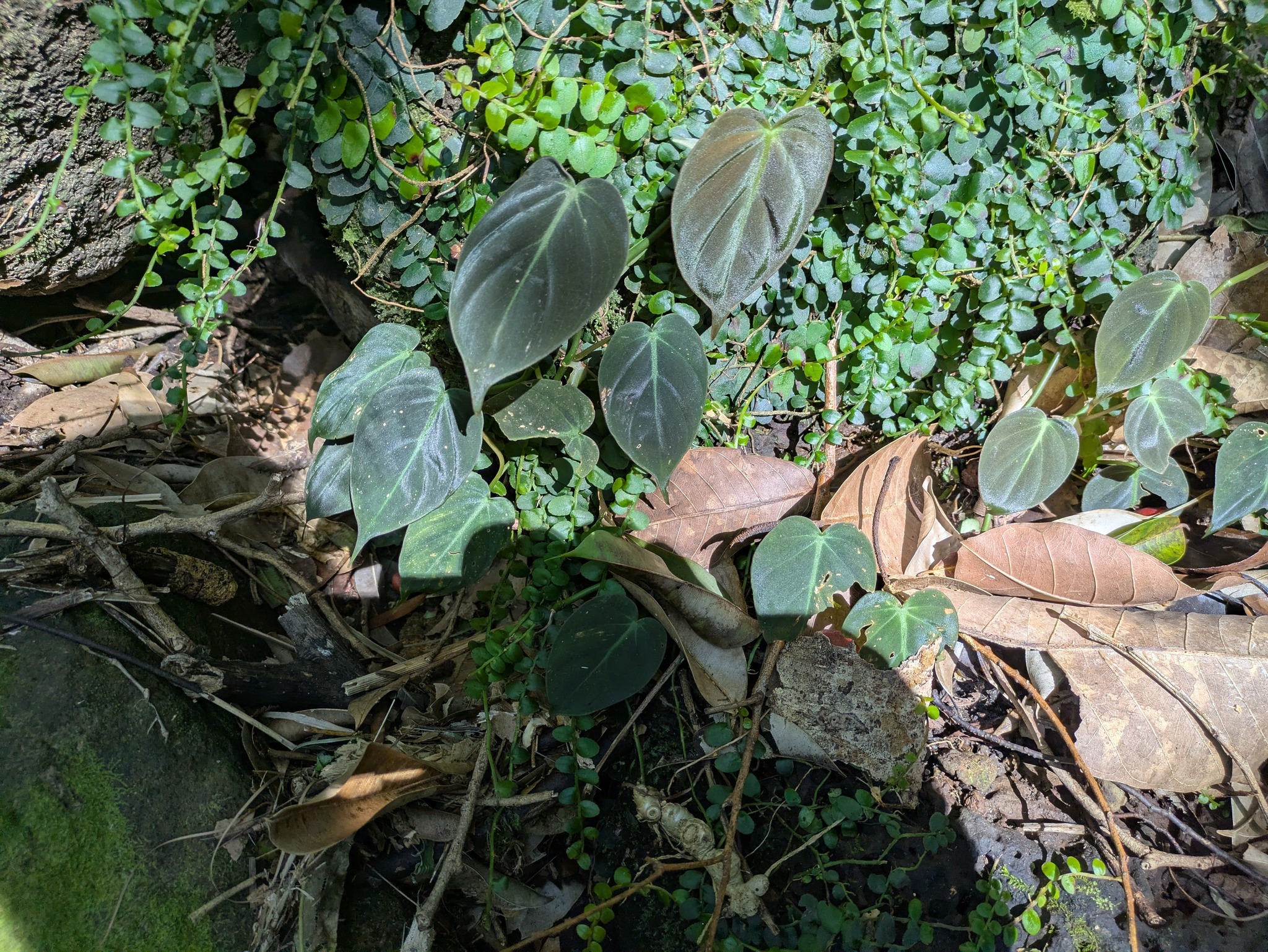
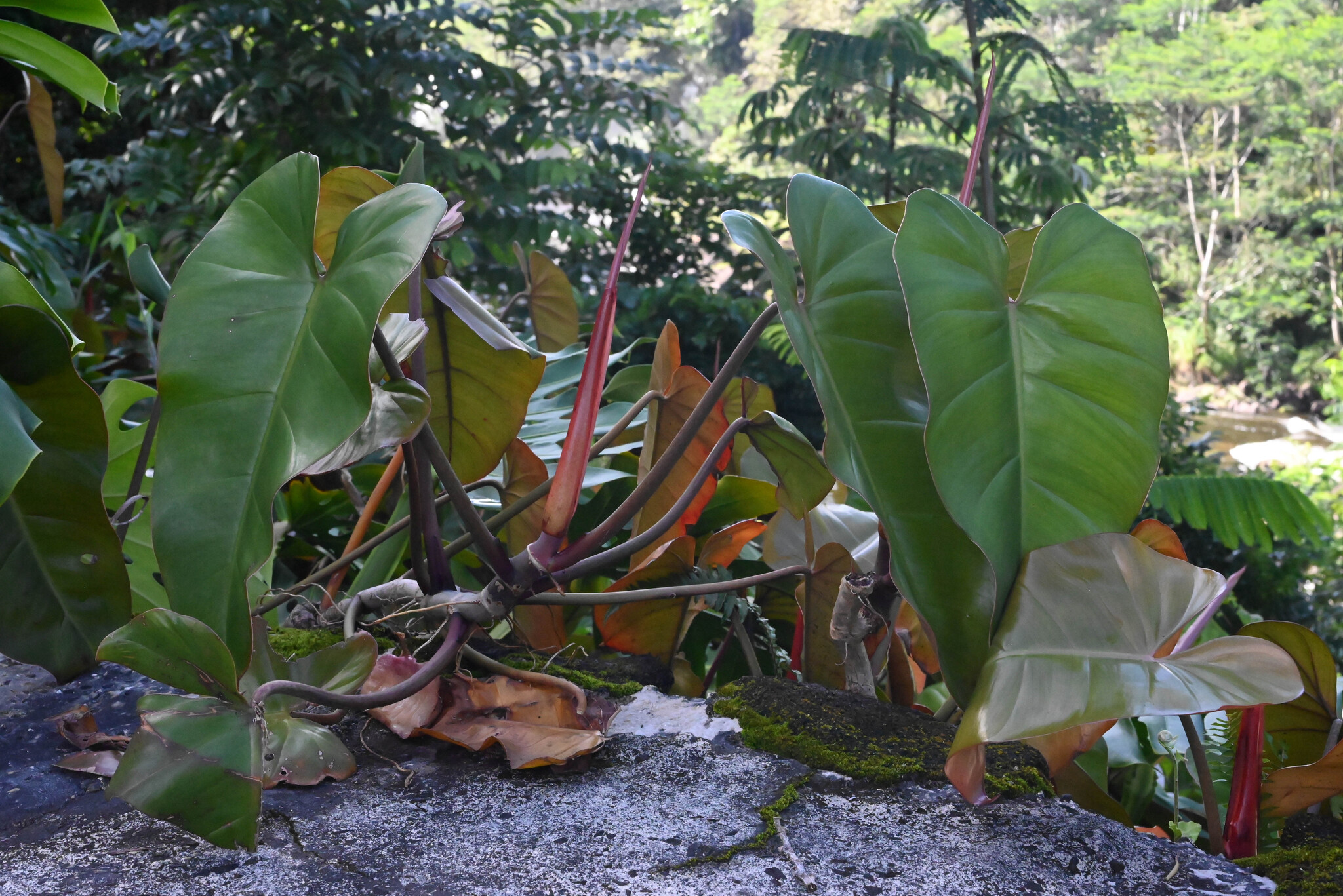
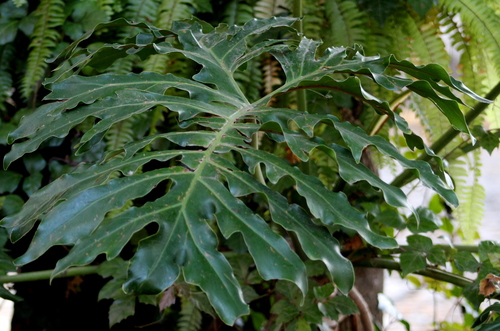
Philodendron quinquenervium, a striking aroid, features large, deeply lobed leaves with prominent parallel veins, adding dramatic texture to indoor spaces.

Philodendron quinquenervium is a captivating species within the Araceae family, recognized for its distinctive foliage and its role as a popular ornamental plant. This species is a member of the large and diverse genus Philodendron, which is renowned for its array of climbing and terrestrial aroids. Understanding Philodendron quinquenervium involves appreciating its specific morphological traits and its ecological niche. Physically, Philodendron quinquenervium exhibits a scandent or climbing growth habit, meaning it naturally ascends by twining its stems around supports. In its natural environment, it often utilizes trees for support, reaching considerable heights. The leaves are a primary distinguishing feature, typically being hastate or sagittate in shape, with prominent basal lobes that point downwards or outwards. The term "quinquenervium" itself refers to the five primary veins that are conspicuous and run from the base of the leaf blade towards the apex, a characteristic that aids in its identification. The leaf texture is generally coriaceous, meaning it is leathery and somewhat stiff. The petioles, or leaf stalks, are often robust and can be ribbed or channeled. While Philodendron species are known for their inflorescences, the flowers of Philodendron quinquenervium are not a commonly emphasized ornamental feature and are typical of the Araceae family, consisting of a spathe and a spadix. Fruiting structures, if produced, are also not widely documented for this species in cultivation. The native distribution of Philodendron quinquenervium is primarily within the Neotropics, with specific records indicating its presence in certain regions of South America. It thrives in humid tropical forests, often found in the understory or as an epiphyte climbing on host trees. Its natural habitat is characterized by high humidity, consistent rainfall, and dappled sunlight. In cultivation, Philodendron quinquenervium is appreciated for its adaptability to indoor environments, provided it receives adequate light, humidity, and appropriate soil conditions. It prefers well-draining potting mixes that retain some moisture. Consistent watering, allowing the soil to dry slightly between waterings, is crucial. High humidity is beneficial, and this can be achieved through misting, using a humidifier, or placing the plant in a naturally humid environment like a bathroom or kitchen. Bright, indirect light is ideal, as direct sunlight can scorch its leaves. The significance of Philodendron quinquenervium lies predominantly in its ornamental value. Its striking leaf shape and venation make it a sought-after specimen for collectors and houseplant enthusiasts. While not known for medicinal, culinary, or significant economic uses, its aesthetic appeal contributes to the horticultural industry. Interesting adaptations of Philodendron species in general, which likely apply to Philodendron quinquenervium in its native habitat, include their ability to climb to access better light conditions and their specialized inflorescences which attract pollinators. The aerial roots produced by climbing Philodendrons also serve to anchor the plant and absorb moisture and nutrients from the air and surrounding surfaces.

Photograph © GERMAN LEONEL SARMIENTO CRUZ · CC-BY

Philodendron Quinquenervium Care Summary

At-a-glance light, water, soil, and growing conditions from plant data

Light

Bright, indirect light

75% intensity

Avoid direct sunlight, which can scorch the leaves.

Watering

Keep consistently moist

50% intensity

Allow top inch of soil to dry slightly between waterings.

Soil

Well-draining, fertile potting mix

50% intensity

Temperature

Average room temperature

50% intensity

Ideal range is 18-25°C. Avoid cold drafts and sudden temperature drops.

Fertilizer

During growing season

50% intensity

Feed with a balanced liquid fertilizer diluted to half strength every 4-6 weeks from spring to summer.

Philodendron Quinquenervium Toxicity

Safety information from plant toxicity data

Toxicity details for Philodendron Quinquenervium
AttributeValue
Toxic for humansYes

5/5 intensity

Toxic for petsYes

5/5 intensity

EdibleNo

Toxic if ingested

Philodendron Quinquenervium Quick Facts

Key traits and growing stats from plant data

Plant Type
Vine
Plant Category
Ornamental
Plant Place Type
Pot, Garden
Lifespan
Perennial
Plant Height
5-10 m
Spread
2-3 m
Growth Rate
Moderate
Dormancy
None
Leaf Color
Green
Leaf Type
Lobed
Optimal Sunlight Lux
7000

Care guide for Philodendron Quinquenervium

Watering, pruning, propagation, and repotting details from plant data

Water

Keep the soil consistently moist but not waterlogged. Water thoroughly when the top 2-3 cm of soil feels dry. Reduce watering slightly during the cooler, dormant months of winter.

Overwatering can lead to root rot, so good drainage is essential.

Pruning

Prune to maintain desired shape and size, or to remove any yellowing or damaged leaves. Use clean, sharp pruning shears. You can also prune to encourage bushier growth by pinching back the tips of stems.

Pruning is best done in spring before active growth begins.

Propagation

Propagate through stem cuttings. Take cuttings with at least two nodes, ensuring one node is below the cut. Remove the lower leaves and plant the cutting in moist potting mix or water.

Roots will form in a few weeks, after which it can be transplanted into its own pot.

Repotting

Repot your Philodendron quinquenervium every 2-3 years, or when it becomes root-bound. Choose a pot that is one size larger than the current one, with drainage holes.

Use a well-draining potting mix, such as a blend of peat moss and perlite. Repotting revitalizes the plant and provides fresh nutrients.

Identify plants like this with ePlant

Snap a photo to get care tips and match similar species on the go.

Try for Free

Flowering & Fruiting Cycles

Monthly activity intensity for bloom and fruit across both hemispheres.

Northern hemisphere

Flowering & fruiting calendar

Peak bloom · JulPeak fruit · Aug
FloweringFruiting
02468JanFebMarAprMayJunJulAugSepOctNovDecActivity intensityMonths65
Southern hemisphere

Flowering & fruiting calendar

Peak bloom · DecPeak fruit · Dec
FloweringFruiting
02468JanFebMarAprMayJunJulAugSepOctNovDecActivity intensityMonths65

Philodendron Quinquenervium Names & Synonyms

Common names and botanical synonyms

Synonyms

  • Philodendron acutatum Schott
  • Philodendron cyclops A.D.Hawkes
  • Philodendron guaraense E.G.Gonç.

Philodendron Quinquenervium Taxonomy

Botanical classification

Taxonomic classification of Philodendron Quinquenervium
RankName
kingdomPlantae
divisionTracheophyta
classLiliopsida
orderAlismatales
familyAraceae
genusPhilodendron
speciesPhilodendron quinquenervium

Philodendron Quinquenervium FAQs

Answers based on plant encyclopedia data

What are the ideal light conditions for Philodendron quinquenervium?

Philodendron quinquenervium thrives in bright, indirect light. Direct sunlight can scorch its leaves, while very low light can lead to leggy growth and smaller leaves.

How often should I water Philodendron quinquenervium?

Water thoroughly when the top 2-3 cm of soil feels dry. Allow excess water to drain away completely to prevent root rot. Reduce watering in cooler months.

What kind of soil is best for this philodendron?

A well-draining potting mix is essential. A blend of peat moss, perlite, and standard potting soil, or an orchid mix, works well to provide aeration and prevent waterlogging.

Does Philodendron quinquenervium require high humidity?

Yes, as a native of humid rainforests, it appreciates high humidity. Misting the leaves regularly, placing it near a humidifier, or grouping it with other plants can help maintain adequate moisture.

How can I encourage climbing or trailing growth?

Provide a moss pole or trellis for support if you want it to climb. If you prefer a trailing habit, allow its stems to hang over the edge of a pot or grow down a support.