Skip to plant details

Pink StonecropSedum cepaea

Also known as Stonecrop

  • Category: Ornamental
  • Type: Succulent
  • Sunlight: Full sun to partial shade. Requires at least 6 hours of direct sunlight daily for best growth and flowering.
  • Water: Allow soil to dry out between waterings. Drought tolerant.
  • Temperature: Prefers average room temperatures (18-24°C). Tolerates heat well but needs protection from hard frost.

Pink Stonecrop (Sedum cepaea) is a low-growing succulent with small, pinkish-white flowers. It thrives in sunny, dry conditions and is ideal for rock gardens and containe

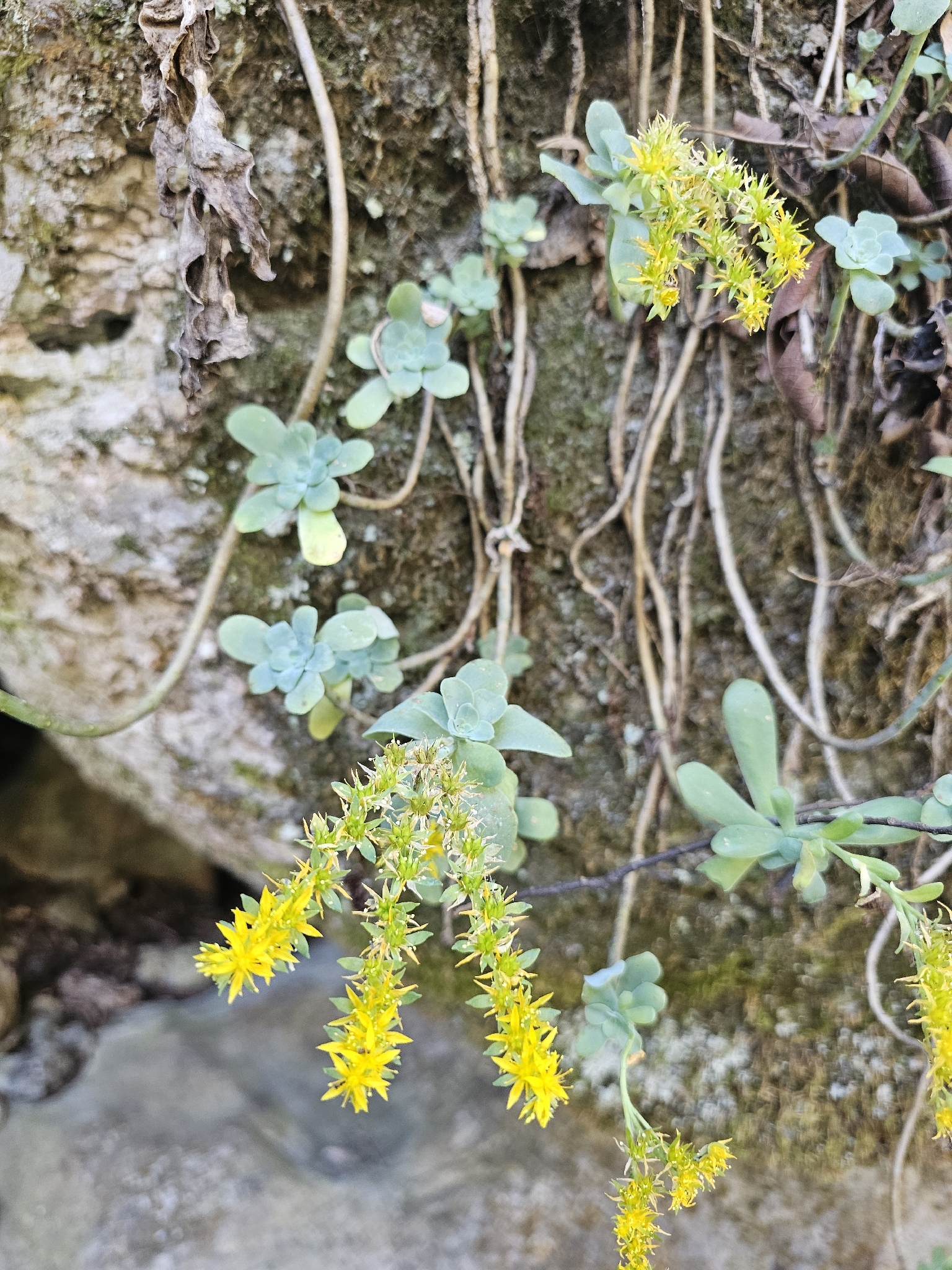
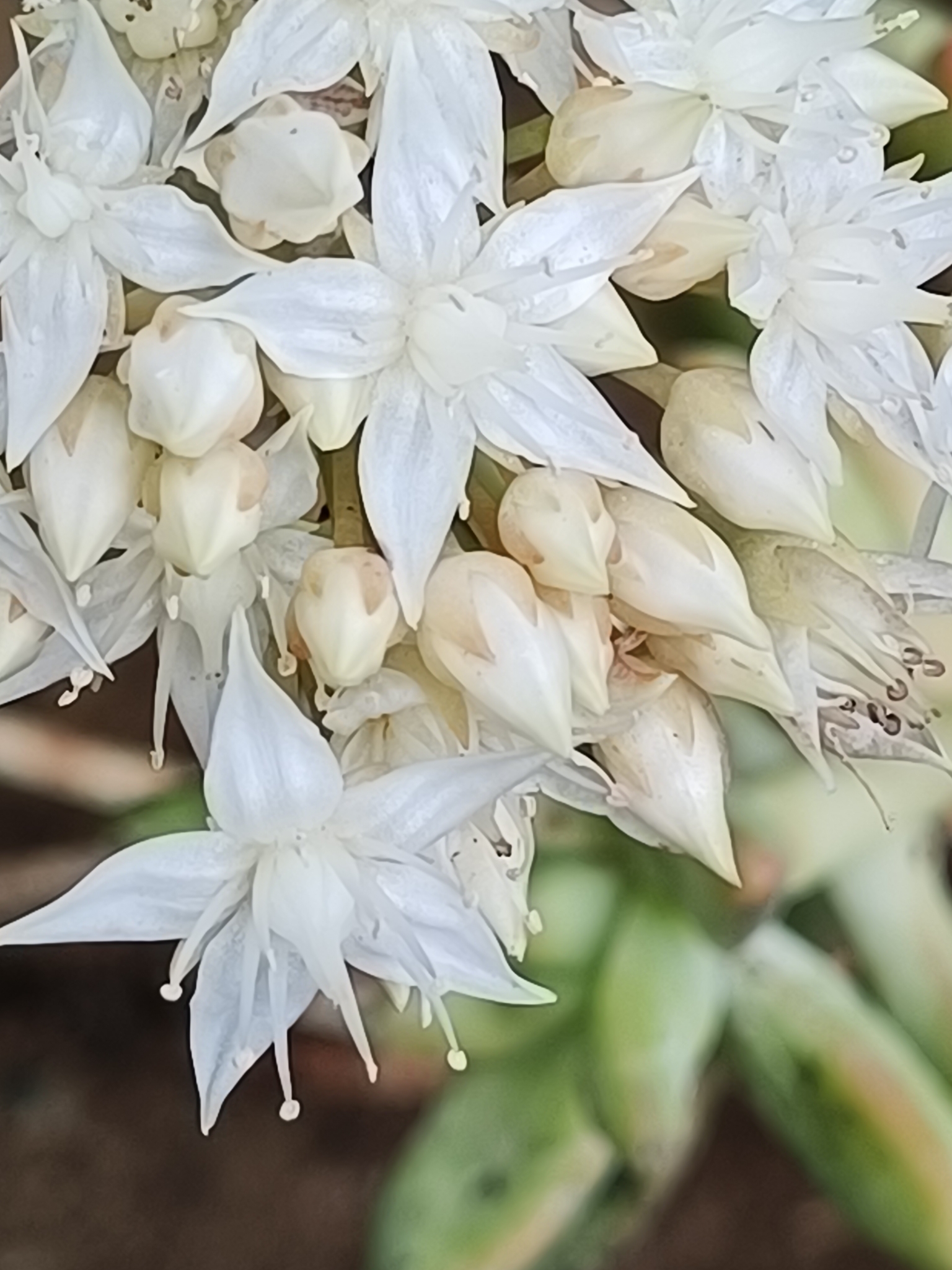
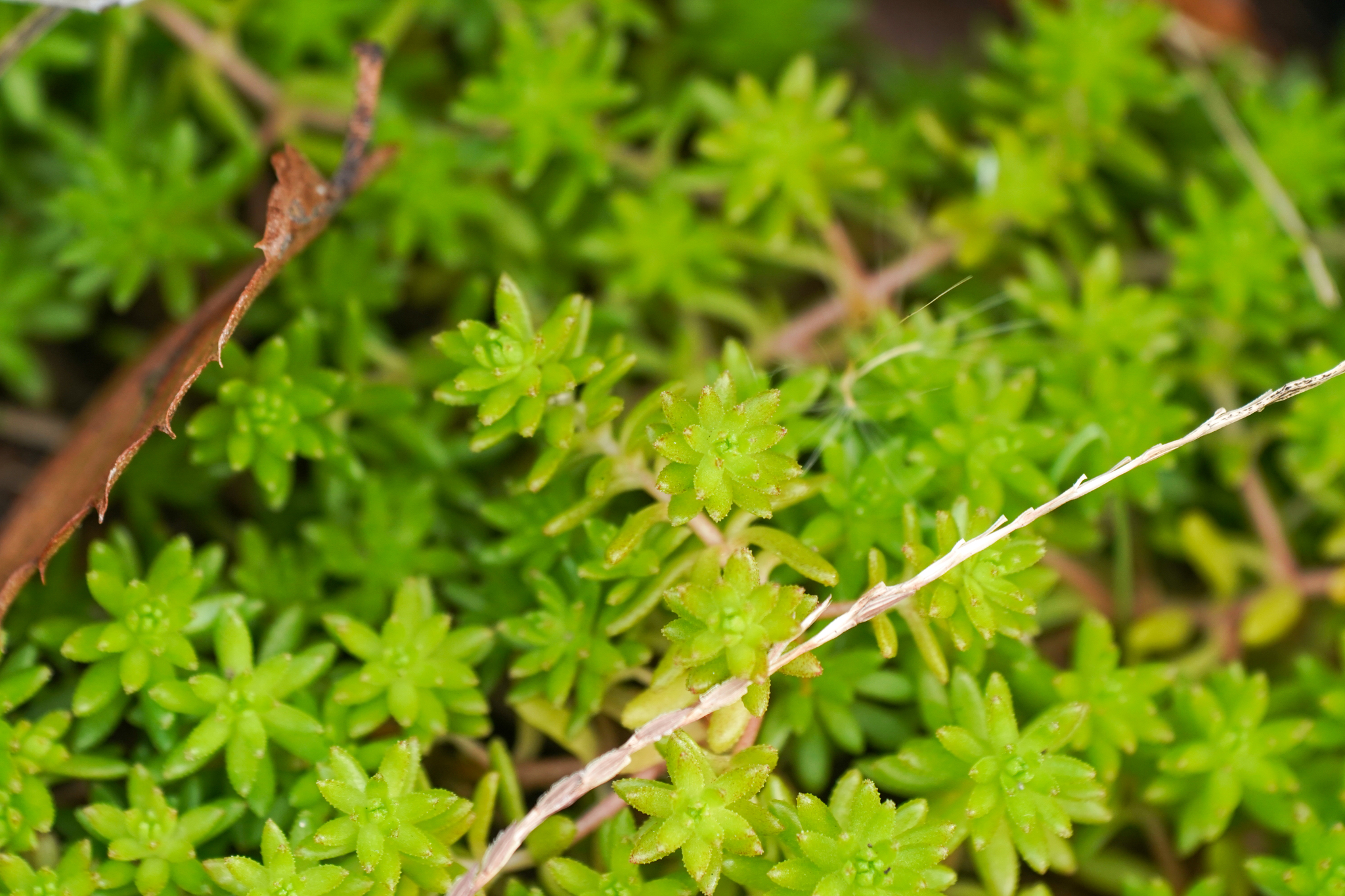
Sedum cepaea, commonly known as Pink Stonecrop, is a charming succulent species belonging to the Crassulaceae family. This plant is recognized for its delicate appearance and adaptability, making it a popular choice for rock gardens, alpine settings, and as a groundcover in well-drained conditions. Its significance lies in its contribution to biodiversity in its native habitats and its ornamental appeal in horticultural applications. Physically, Sedum cepaea is a low-growing, herbaceous perennial that typically forms mats or small clumps, reaching a height of about 10 to 20 centimeters. The stems are slender and often reddish, becoming somewhat woody at the base with age. Its leaves are small, fleshy, and cylindrical or ovoid, arranged alternately along the stems. They are usually green, sometimes with a reddish tinge, and are smooth to the touch. The plant's most striking feature is its inflorescence. During the summer months, it produces clusters of small, star-shaped flowers at the tips of its stems. These flowers are typically pink to rosy-red, giving the plant its common name, and are borne in dense cymes. Following flowering, small, dehiscent follicles develop, containing numerous tiny seeds. The native distribution of Sedum cepaea is primarily in Europe, extending from the Iberian Peninsula eastward into parts of Central Europe and North Africa. It thrives in rocky, sandy, or gravelly soils, often found in open, sunny locations such as dry grasslands, screes, and exposed slopes. This preference for well-drained substrates is characteristic of many Sedum species. In cultivation, Sedum cepaea requires full sun to partial shade and is exceptionally drought-tolerant once established. It performs best in gritty, free-draining soil mixes, such as those used for cacti and succulents, and is hardy in many temperate climates, tolerating moderate frost. Overwatering is a common cause of failure, as it can lead to root rot. While not widely recognized for significant medicinal, culinary, or economic uses, Sedum cepaea holds ecological importance as a component of its native flora, providing habitat and sustenance for certain insects. Its primary value is ornamental, appreciated for its subtle beauty and ease of care in suitable environments. The plant's succulent nature represents an adaptation to arid or semi-arid conditions, allowing it to store water in its leaves and stems, enabling survival through dry periods. The small, numerous seeds are dispersed by wind and gravity, contributing to its natural propagation. The delicate pink flowers attract pollinators, further integrating it into its ecosystem.

Photograph © Philippe Geniez · CC-BY-NC

Pink Stonecrop Care Summary

At-a-glance light, water, soil, and growing conditions from plant data

Light

Full sun to partial shade. Requires at least 6 hours of direct sunlight daily for best growth and flowering.

100% intensity

Bright light is essential.

Watering

Allow soil to dry out between waterings. Drought tolerant.

25% intensity

Soil

Well-drained

50% intensity

Temperature

Prefers average room temperatures (18-24°C). Tolerates heat well but needs protection from hard frost.

50% intensity

Fertilizer

Feed sparingly. A dilute liquid fertilizer once in spring is adequate.

25% intensity

Low feeding requirements.

Pink Stonecrop Toxicity

Safety information from plant toxicity data

Toxicity details for Pink Stonecrop
AttributeValue
Toxic for humansNo

0/5 intensity

Toxic for petsNo

0/5 intensity

Pink Stonecrop Quick Facts

Key traits and growing stats from plant data

Plant Type
Succulent
Plant Category
Ornamental
Plant Place Type
Garden, Pot
Lifespan
Perennial
Plant Height
0.1 - 0.3 m
Spread
0.2 - 0.4 m
Growth Rate
Moderate
Dormancy
Semi-dormant
Leaf Color
Green, Glaucous
Leaf Type
Fleshy
Flower Size
0.5 - 1 cm
Optimal Sunlight Lux
80000

Care guide for Pink Stonecrop

Watering, pruning, propagation, and repotting details from plant data

Water

Water sparingly, allowing soil to dry out completely between waterings. Overwatering is the most common cause of root rot in Sedum. Reduce watering significantly during winter dormancy to prevent rot and frost damage.

Pruning

Prune in spring to remove any winter damage or dead growth. Pinch back young stems in summer to encourage a bushier habit.

Deadhead spent flowers to maintain a tidy appearance, though they can also be left for winter interest.

Propagation

Easily propagated from stem cuttings or leaf cuttings. Take cuttings in spring or summer and allow them to callous for a few days before planting in well-draining soil. Rooting is typically rapid.

Repotting

Repot every 2-3 years, or when the plant becomes root-bound. Use a gritty, well-draining potting mix, such as a cactus or succulent blend. Repotting is best done in spring as new growth begins.

Identify plants like this with ePlant

Snap a photo to get care tips and match similar species on the go.

Try for Free

Flowering & Fruiting Cycles

Monthly activity intensity for bloom and fruit across both hemispheres.

Northern hemisphere

Flowering & fruiting calendar

Peak bloom · JulPeak fruit · Aug
FloweringFruiting
02468JanFebMarAprMayJunJulAugSepOctNovDecActivity intensityMonths99
Southern hemisphere

Flowering & fruiting calendar

Peak bloom · DecPeak fruit · Jan
FloweringFruiting
02468JanFebMarAprMayJunJulAugSepOctNovDecActivity intensityMonths99

Pink Stonecrop Names & Synonyms

Common names and botanical synonyms

Common Names

  • Pink Stonecrop
  • Stonecrop

Synonyms

  • Anacampseros cepaea (L.) Willd.
  • Cepaea caesalpini Fourr.
  • Sedum amani Post
  • Sedum calabrum Ten.
  • Sedum gallioides All.
  • Sedum paniculatum Lam.
  • Sedum schwarzii Werderm.
  • Sedum spathulatum Waldst. & Kit.
  • Sedum strictum K.Koch
  • Sedum tetraphyllum Sm.

Pink Stonecrop Taxonomy

Botanical classification

Taxonomic classification of Pink Stonecrop
RankName
kingdomPlantae
divisionTracheophyta
classMagnoliopsida
orderSaxifragales
familyCrassulaceae
genusSedum
speciesSedum cepaea

Pink Stonecrop FAQs

Answers based on plant encyclopedia data
What are the watering needs of Sedum cepaea?

Sedum cepaea prefers to dry out between waterings. Overwatering can lead to root rot. Water thoroughly when the soil is dry to the touch, usually every 2-4 weeks depending on conditions.

What type of soil is best for Pink Stonecrop?

This succulent thrives in well-draining soil. A sandy or gritty mix, such as a cactus or succulent potting mix, is ideal. Avoid heavy, water-retentive soils.

How much sun does Sedum cepaea require?

Pink Stonecrop needs full sun to thrive and bloom effectively. It should receive at least 6 hours of direct sunlight per day.

Is Sedum cepaea cold hardy?

Sedum cepaea is generally hardy in USDA zones 4-9. It can tolerate moderate frost, but extreme cold may require winter protection in colder climates.

How can I propagate Sedum cepaea?

Pink Stonecrop can be easily propagated from stem cuttings or leaf cuttings. Allow cuttings to callus over for a few days before planting in well-draining soil.