Skip to plant details

Piper SarmentosumPiper sarmentosum

Also known as Betel Leaf · Cabean · Kadok

  • Category: Foliage, Vegetable
  • Type: Herb
  • Sunlight: Bright indirect light
  • Water: Consistent moisture
  • Temperature: Warm

Piper sarmentosum, a tropical vining plant, offers edible leaves used in Southeast Asian cuisine. It thrives in warm, humid conditions with partial shade.

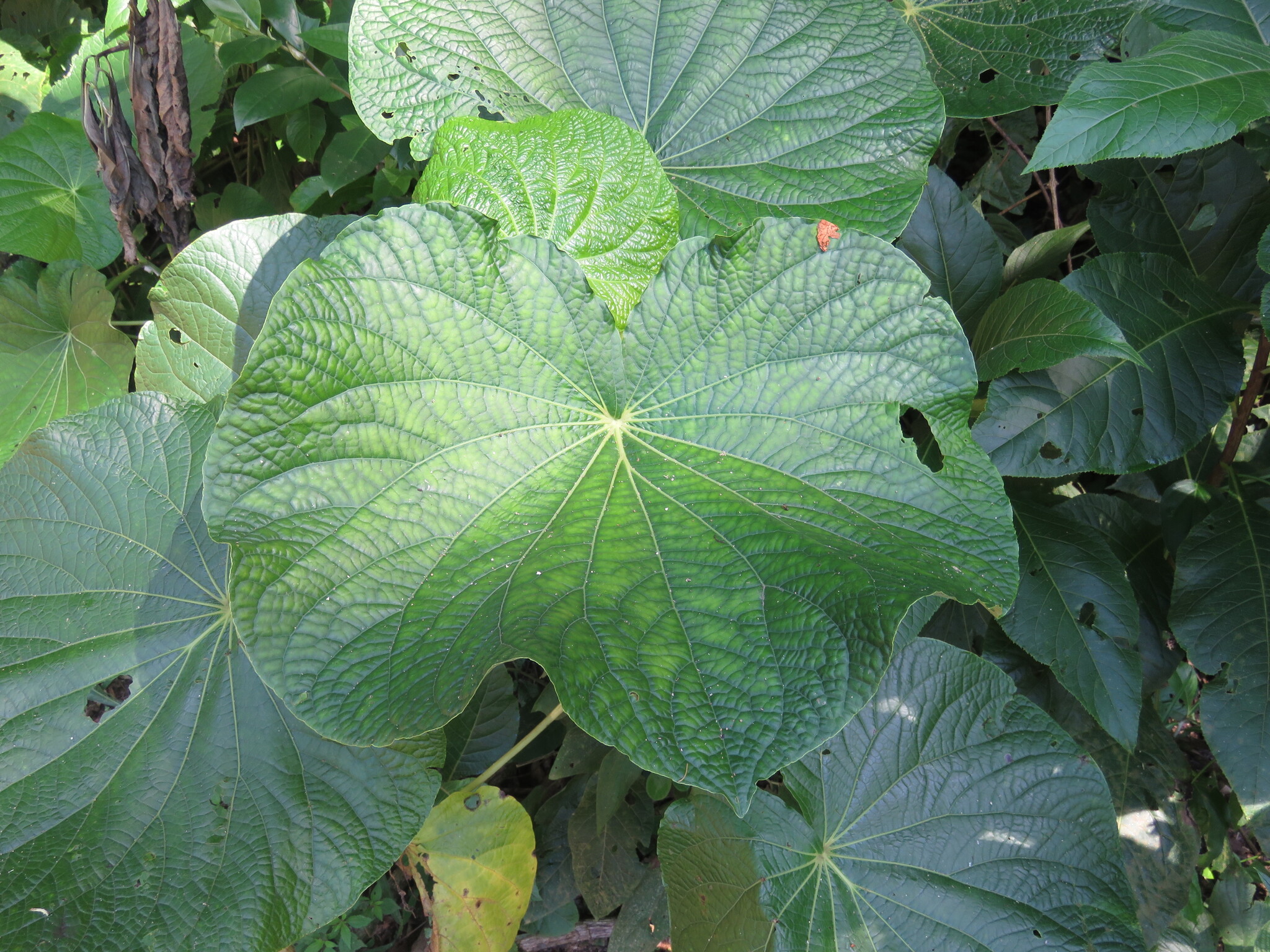
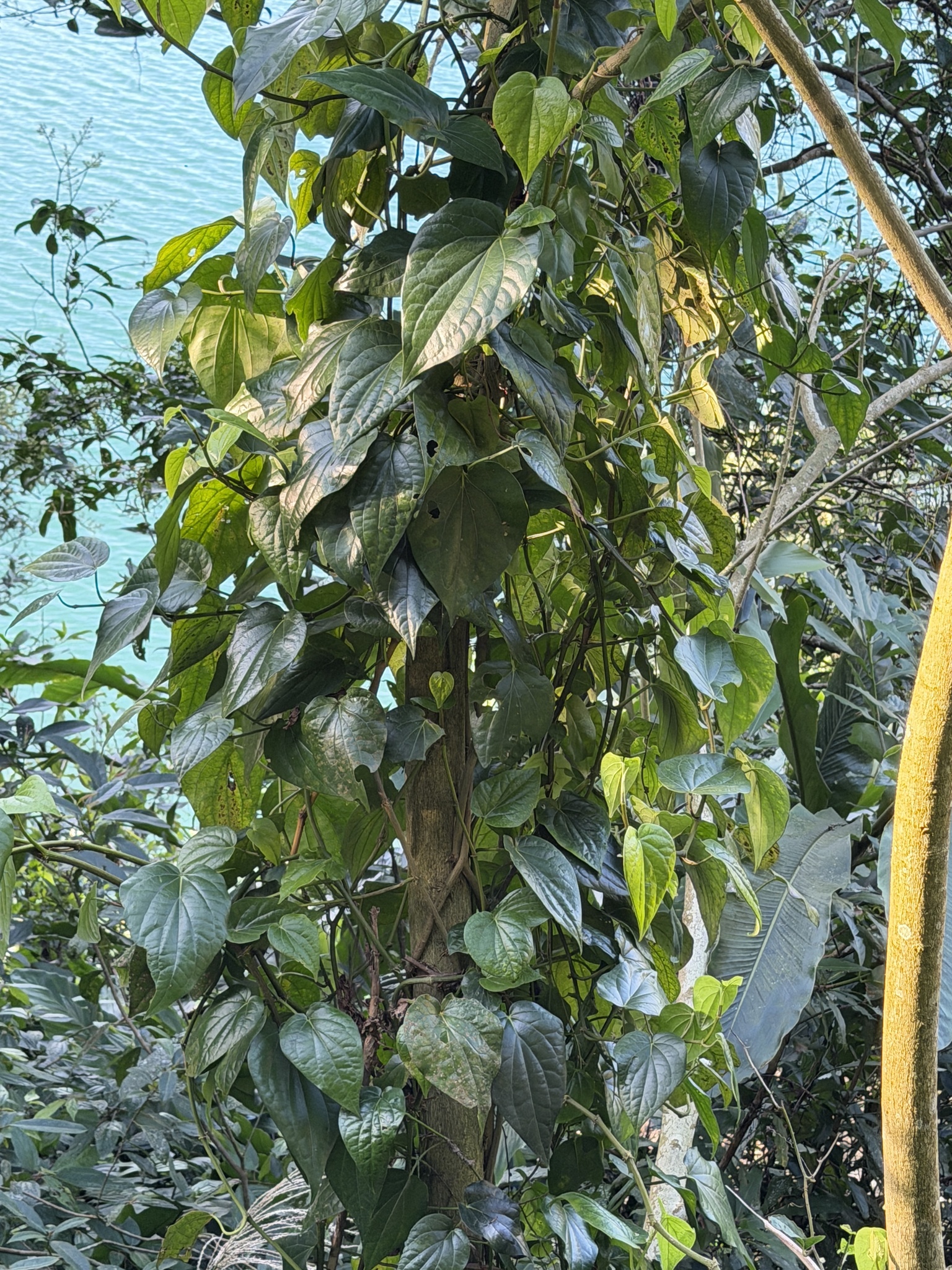
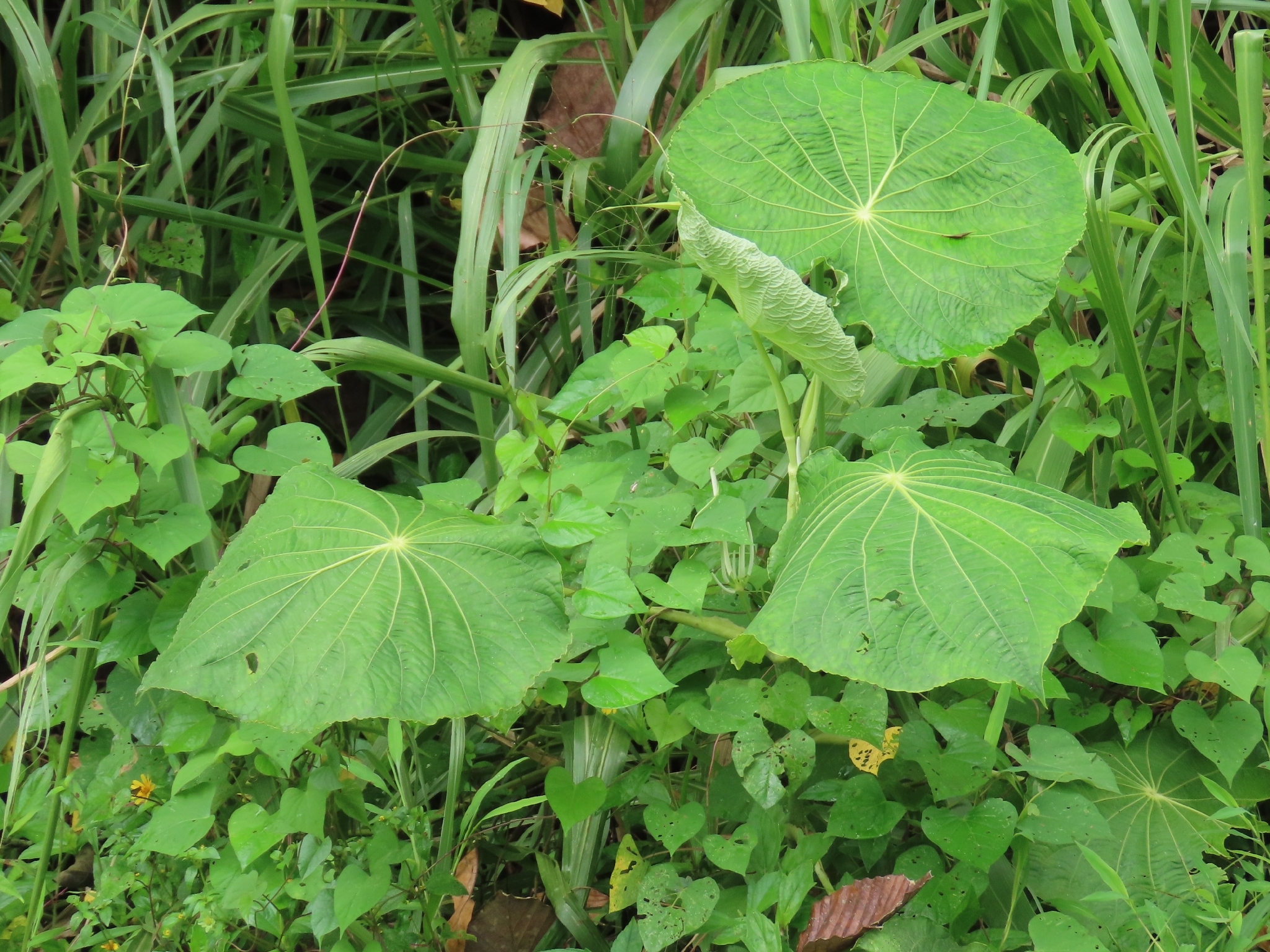
Piper sarmentosum is a herbaceous perennial plant belonging to the Piperaceae family, commonly known for its aromatic leaves and its significant role in the culinary traditions of Southeast Asia. This species is a member of the pepper genus, Piper, which includes economically important plants like black pepper. Piper sarmentosum is particularly valued for its distinctive flavor and fragrance, making it a sought-after ingredient in various regional dishes. Physically, Piper sarmentosum is a low-growing, creeping plant that typically reaches a height of about 30 to 60 centimeters. Its stems are succulent and often root at the nodes where they come into contact with the soil, allowing the plant to spread and form dense ground cover. The leaves are the most prominent feature, being large, heart-shaped or ovate, and glossy green. They are arranged alternately along the stem and possess a characteristic pungent aroma when bruised, reminiscent of black pepper or betel leaf. The flowers of Piper sarmentosum are inconspicuous, borne on slender spikes, and are typically greenish-white. The fruits are small, fleshy berries, often developing in clusters. The native distribution of Piper sarmentosum encompasses a wide range across Southeast Asia, including countries such as Thailand, Malaysia, Indonesia, the Philippines, and parts of India. It thrives in humid, tropical environments, typically found growing in shaded understories of forests, along riverbanks, and in disturbed areas with moist soil. In cultivation, Piper sarmentosum prefers well-drained, fertile soil and partial to full shade. It requires consistent moisture and protection from direct, intense sunlight, which can scorch its leaves. It is relatively easy to propagate from stem cuttings or by division of established plants. Piper sarmentosum holds considerable importance in its native regions, primarily for its culinary applications. The fresh leaves are widely used as a wrapper for various savory dishes, imparting a unique peppery and slightly bitter flavor. They are commonly employed to wrap grilled meats, fish, or rice, allowing the flavors to meld during cooking. The leaves can also be chopped and added to salads, curries, and stir-fries. Beyond its culinary uses, Piper sarmentosum has a history of traditional medicinal applications, though scientific validation for many of these uses is ongoing. Its economic importance is largely tied to its role in local cuisine and its availability in regional markets and home gardens. An interesting characteristic of Piper sarmentosum is its ability to adapt to various microhabitats within its native range, often forming dense mats that help suppress weeds and retain soil moisture. The aromatic compounds within its leaves are believed to play a role in deterring herbivores, contributing to its survival in the wild. The plant's creeping habit and ability to root at nodes are effective strategies for vegetative propagation and colonization of suitable environments.

Photograph © John Howes · CC-BY-NC

Piper Sarmentosum Care Summary

At-a-glance light, water, soil, and growing conditions from plant data

Light

Bright indirect light

75% intensity

Prefers dappled shade or bright, filtered light. Avoid direct sun.

Water

Consistent moisture

75% intensity

Keep soil evenly moist, but not waterlogged.

Soil

Well-drained, fertile soil

50% intensity

Temperature

Warm

75% intensity

Thrives in temperatures between 20-25°C. Protect from cold drafts.

Fertilizer

Moderate

50% intensity

Feed monthly during growing season with diluted balanced liquid fertilizer.

Piper Sarmentosum Toxicity

Safety information from plant toxicity data

Toxicity details for Piper Sarmentosum
AttributeValue
Toxic for humansNo

0/5 intensity

Toxic for petsNo

0/5 intensity

EdibleYes

Piper Sarmentosum Quick Facts

Key traits and growing stats from plant data

Plant Type
Herb
Plant Category
Foliage, Vegetable
Plant Place Type
Pot, Garden
Lifespan
Perennial
Plant Height
0.3 - 0.5 m
Spread
0.5 - 1.0 m
Growth Rate
Moderate
Dormancy
None
Leaf Color
Green
Leaf Type
Simple
Flower Size
0.2-0.5 cm
Optimal Sunlight Lux
60000

Care guide for Piper Sarmentosum

Watering, pruning, propagation, and repotting details from plant data

Water

Piper sarmentosum thrives in consistently moist soil. Water thoroughly when the top inch of soil feels dry to the touch. Avoid waterlogging, as this can lead to root rot.

Reduce watering slightly during cooler months but never let the soil dry out completely.

Pruning

Prune Piper sarmentosum to maintain its shape and encourage bushier growth. Trim leggy stems back to a leaf node. This can be done at any time, but is most beneficial in spring.

Remove any dead or yellowing leaves promptly to maintain plant health.

Propagation

Propagate Piper sarmentosum easily from stem cuttings. Take 4-6 inch cuttings from healthy stems, remove lower leaves, and plant them in moist potting mix or root them in water.

New roots typically form within a few weeks.

Repotting

Repot Piper sarmentosum every 1-2 years or when it becomes root-bound. Choose a pot that is one size larger than the current one. Use a well-draining potting mix.

Repotting is best done in spring, just as new growth begins.

Identify plants like this with ePlant

Snap a photo to get care tips and match similar species on the go.

Try for Free

Flowering & Fruiting Cycles

Monthly activity intensity for bloom and fruit across both hemispheres.

Northern hemisphere

Flowering & fruiting calendar

Peak bloom · JunPeak fruit · Jul
FloweringFruiting
02468JanFebMarAprMayJunJulAugSepOctNovDecActivity intensityMonths99
Southern hemisphere

Flowering & fruiting calendar

Peak bloom · DecPeak fruit · Jan
FloweringFruiting
02468JanFebMarAprMayJunJulAugSepOctNovDecActivity intensityMonths99

Piper Sarmentosum Names & Synonyms

Common names and botanical synonyms

Common Names

  • Betel Leaf
  • Cabean
  • Kadok
  • Kaduk Malaysia
  • Karuk
  • Lá Lốt
  • Lolot Pepper
  • Pointed Pepper
  • Thipili
  • Vathella
  • Wild Pepper

Synonyms

  • Chavica hainana C.DC.
  • Chavica sarmentosa (Roxb.) Miq.
  • Peperomia sarmentosa (Roxb.) A.Dietr.
  • Piper albispicum C.DC.
  • Piper allenii C.DC.
  • Piper baronii C.DC.
  • Piper gymnostachyum C.DC.
  • Piper hainana (C.DC.) K.Schum.
  • Piper lolot C.DC.
  • Piper pierrei C.DC.
  • Piper saigonense C.DC.
  • Piper siassiense C.DC.
  • Piper zamboangae C.DC.

Piper Sarmentosum Taxonomy

Botanical classification

Taxonomic classification of Piper Sarmentosum
RankName
kingdomPlantae
divisionTracheophyta
classMagnoliopsida
orderPiperales
familyPiperaceae
genusPiper
speciesPiper sarmentosum

Piper Sarmentosum FAQs

Answers based on plant encyclopedia data

How do I propagate Piper sarmentosum?

Piper sarmentosum is typically propagated by stem cuttings. Cuttings should be taken from healthy stems, with several nodes, and planted in moist, well-draining soil.

What are the ideal growing conditions for Piper sarmentosum?

This plant prefers warm temperatures (20-30°C), high humidity, and partial shade. It requires consistently moist, well-draining soil.

Can Piper sarmentosum be grown indoors?

Yes, Piper sarmentosum can be grown indoors in a warm, humid environment with bright, indirect light. Ensure good air circulation to prevent fungal issues.

How often should I water Piper sarmentosum?

Water Piper sarmentosum regularly to keep the soil consistently moist, but avoid waterlogging. Allow the top inch of soil to dry slightly between waterings.

What is the flavor of Piper sarmentosum leaves?

The leaves of Piper sarmentosum have a peppery, slightly bitter, and aromatic flavor, often described as similar to black pepper but milder and more herbaceous.