Skip to plant details

Plectranthus PurpuratusPlectranthus purpuratus

Also known as Cliff Spurflower · Komarzyca · Purple Swedish Ivy

  • Category: Ornamental
  • Type: Herb, Shrub
  • Sunlight: Bright Indirect
  • Water: Moderate
  • Temperature: Moderate
  • Habitat: Indoor, Outdoor

Plectranthus purpuratus is a striking perennial with velvety, deeply veined, purple-backed leaves and spikes of small, pale flowers.

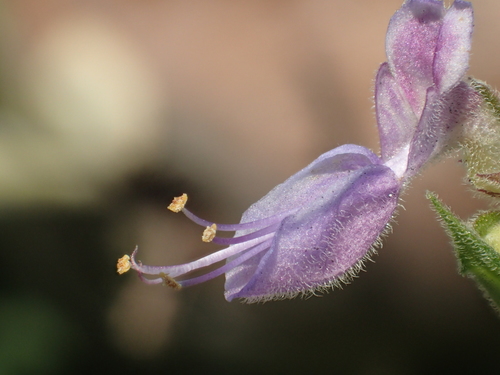
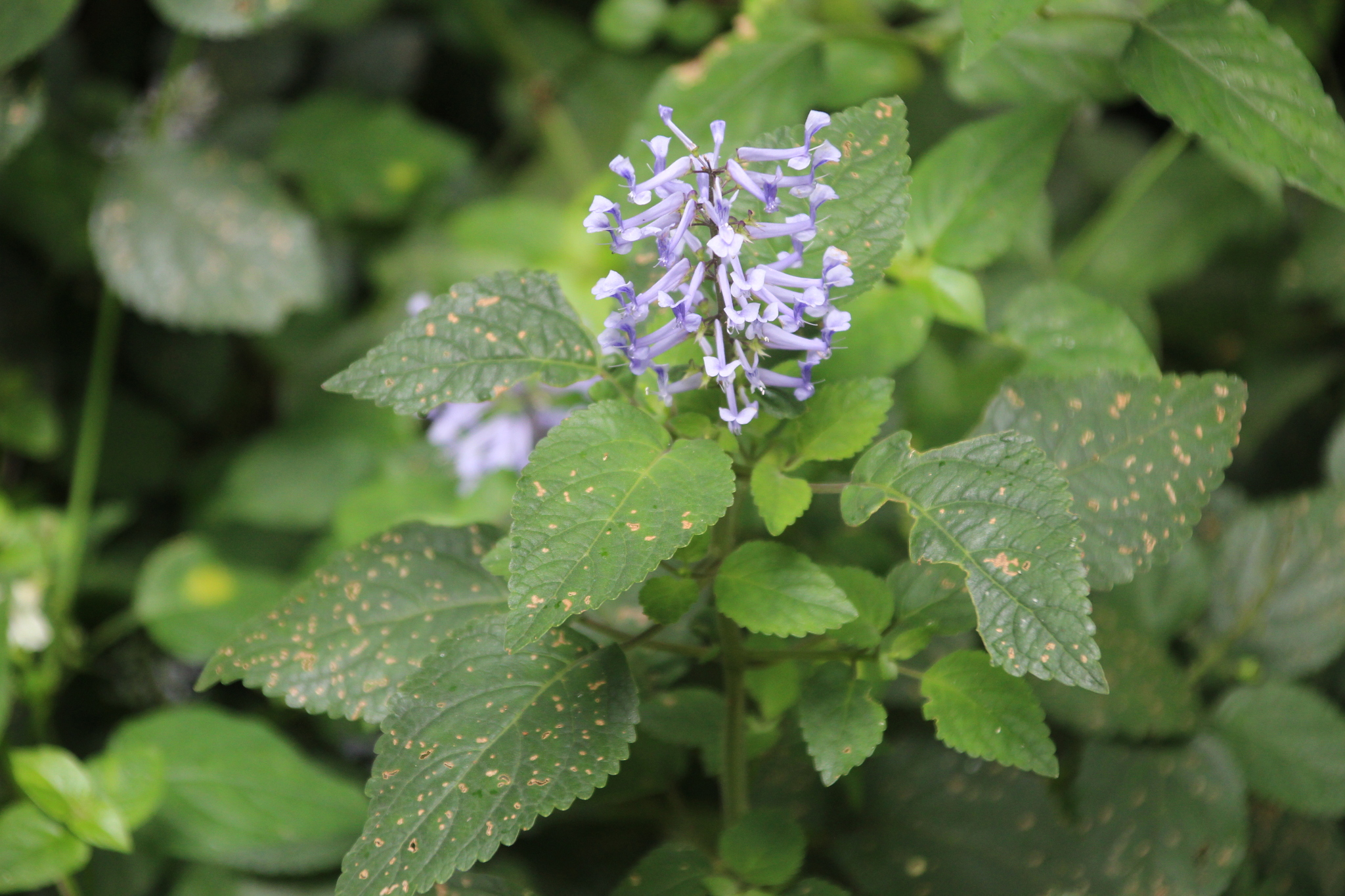
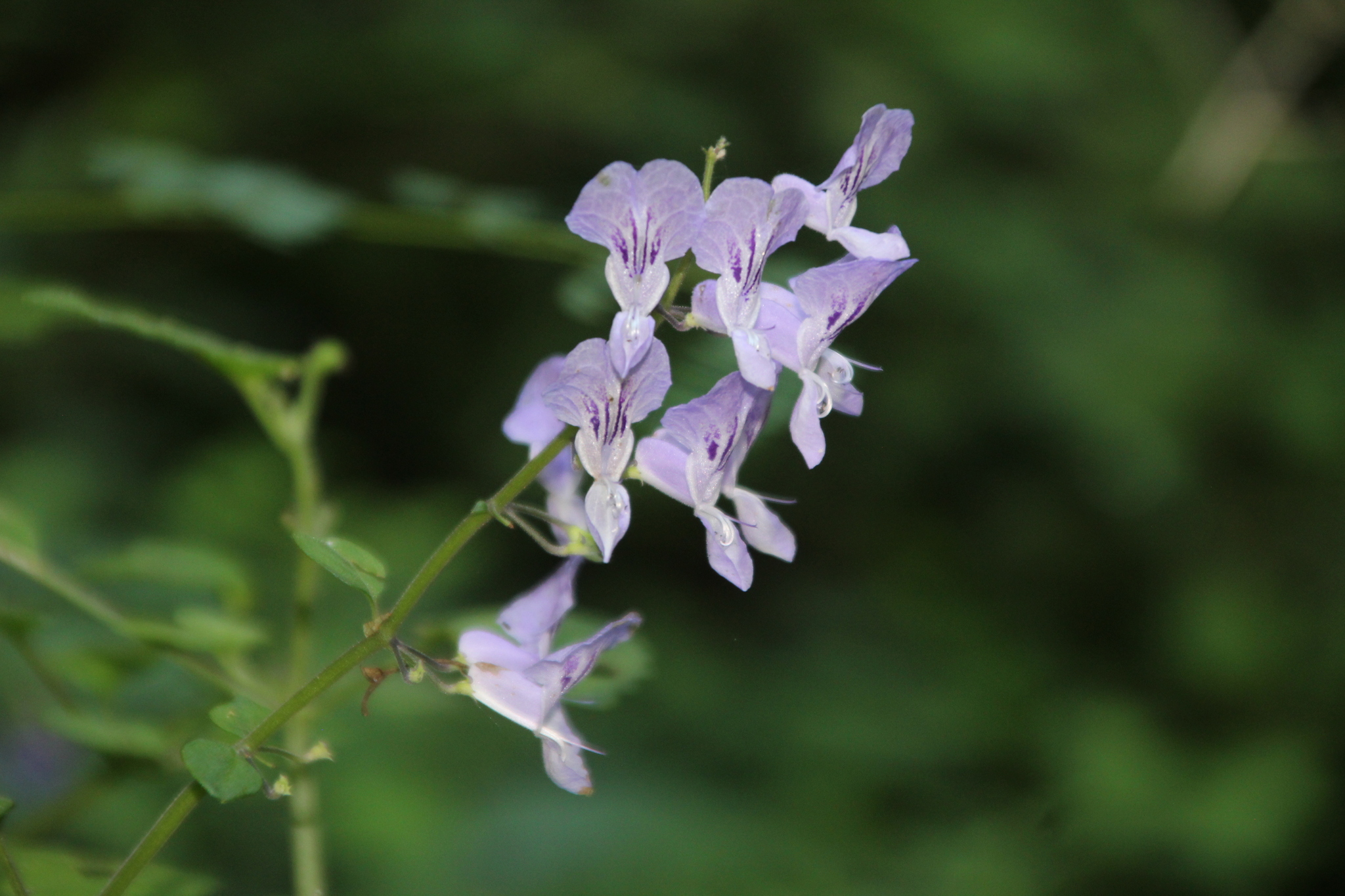
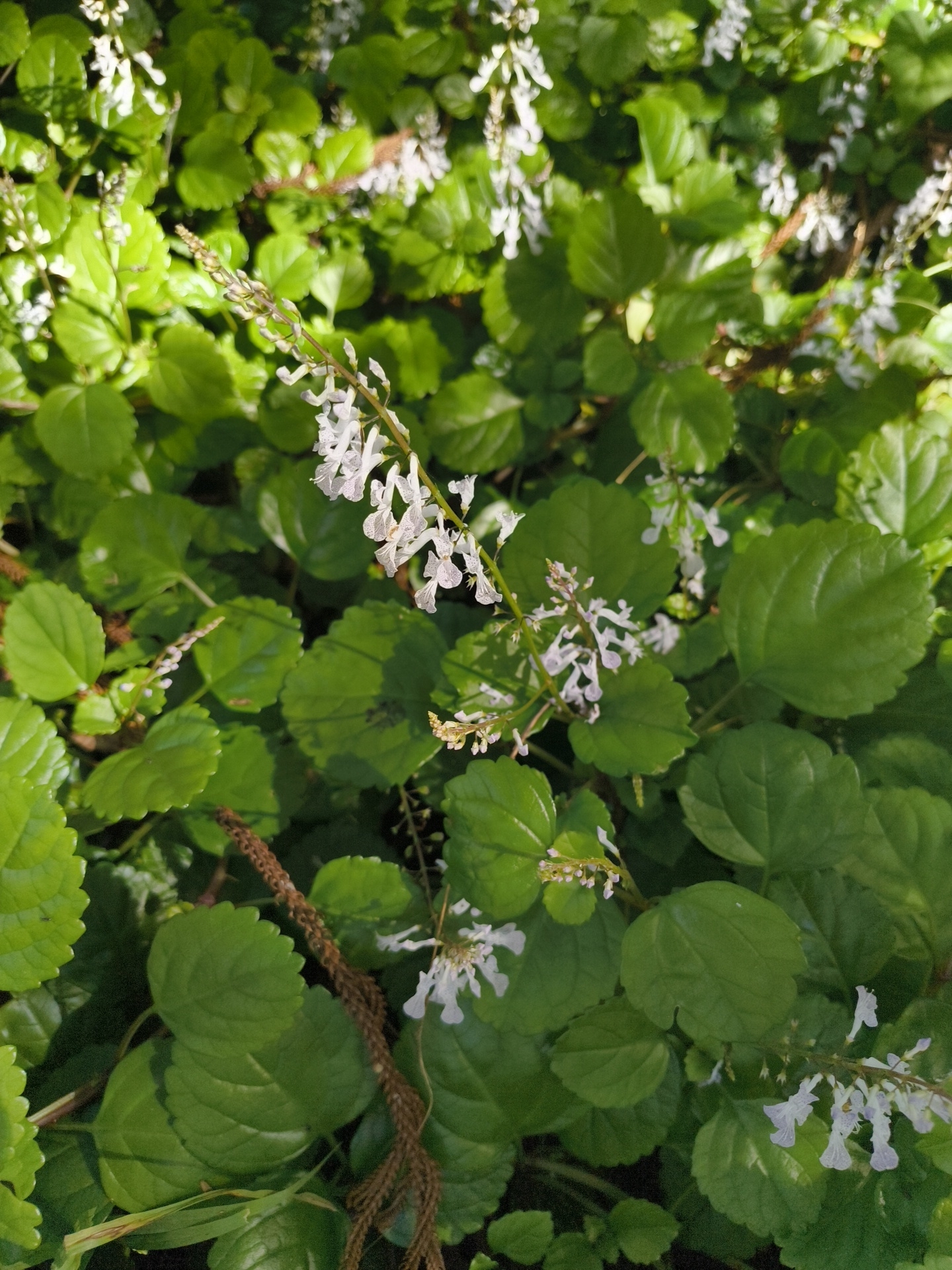
Plectranthus purpuratus is a herbaceous perennial plant belonging to the Lamiaceae family, commonly known for its attractive foliage and ease of cultivation. This species is recognized for its ornamental value, often featured in gardens for its lush growth and distinctive leaf coloration. The plant typically exhibits a spreading or trailing growth habit, forming dense mounds that can reach a height of approximately 30 to 60 centimeters and spread to a similar or greater width. Its stems are often quadrangular, a characteristic feature of the Lamiaceae family, and can be somewhat succulent. The leaves are the most striking feature of Plectranthus purpuratus, being ovate to broadly ovate in shape, with serrated or crenate margins. They are typically arranged oppositely along the stems. The upper surface of the leaves is usually a deep green, while the undersides are a contrasting rich purple, giving the plant its name and a unique visual appeal. The texture of the leaves can be slightly hairy or velvety. During its flowering period, Plectranthus purpuratus produces small, tubular flowers, usually in shades of white, pale blue, or lavender, borne in terminal or axillary inflorescences. These flowers are typically borne in whorls along the stems. Following flowering, small, nutlet-like fruits may develop, though they are not a prominent feature. Plectranthus purpuratus is native to certain regions of southern Africa, where it thrives in its natural habitat, often found in shaded or semi-shaded areas, such as forest margins, rocky outcrops, and along streambanks. It prefers well-drained soil and can tolerate a range of soil types, provided they are not waterlogged. In cultivation, it is widely grown as an ornamental plant in tropical and subtropical regions, and as an annual or container plant in cooler climates. It generally prefers partial shade to full sun, although intense afternoon sun can scorch its leaves. Regular watering is beneficial, especially during dry periods, but care should be taken to avoid overwatering, which can lead to root rot. It is relatively drought-tolerant once established. While Plectranthus purpuratus is primarily valued for its ornamental qualities, some species within the Plectranthus genus have been explored for their potential medicinal properties, though specific, well-established uses for Plectranthus purpuratus itself are not widely documented in scientific literature. Its attractive foliage makes it a popular choice for ground cover, hanging baskets, and borders, adding texture and color to garden designs. The contrasting purple undersides of the leaves are particularly effective when the plant is allowed to trail or cascade. An interesting characteristic of Plectranthus purpuratus, shared with many members of its genus, is its aromatic foliage. When bruised or crushed, the leaves release a distinct, often pleasant, fragrance. This scent can deter some pests, contributing to its resilience in garden settings. The plant's ability to thrive in varied light conditions and its relatively low maintenance requirements make it an accessible choice for both novice and experienced gardeners seeking to add a touch of botanical interest to their landscapes.

Photograph © Kate Braun · CC-BY-NC

Plectranthus Purpuratus Care Summary

At-a-glance light, water, soil, and growing conditions from plant data

Light

Bright Indirect

75% intensity

Prefers bright, indirect light. Can tolerate some direct morning sun but avoid harsh afternoon sun.

Watering

Moderate

50% intensity

Allow soil to dry out slightly between waterings. Avoid waterlogged conditions.

Soil

Well-drained

50% intensity

Temperature

Moderate

50% intensity

Thrives in temperatures between 18-24°C. Protect from frost and sudden temperature drops.

Habitat

Indoor, Outdoor

50% intensity

Fertilizer

Low

25% intensity

Feed sparingly during the growing season with a balanced liquid fertilizer.

Plectranthus Purpuratus Toxicity

Safety information from plant toxicity data

Toxicity details for Plectranthus Purpuratus
AttributeValue
Toxic for humansNo

0/5 intensity

Toxic for petsNo

0/5 intensity

EdibleNo

Non-toxic

Plectranthus Purpuratus Quick Facts

Key traits and growing stats from plant data

Plant Type
Herb, Shrub
Plant Category
Ornamental
Plant Place Type
Pot, Garden
Plant Environment
Indoor, Outdoor
Lifespan
Perennial
Plant Height
0.3-0.6 m
Spread
0.3-0.6 m
Growth Rate
Moderate
Dormancy
None
Leaf Color
Green, Purple
Leaf Type
Simple
Flower Size
0.5-1 cm
Optimal Sunlight Lux
60000

Care guide for Plectranthus Purpuratus

Watering, pruning, propagation, and repotting details from plant data

Water

Water thoroughly when the top 2-3 cm of soil feels dry to the touch. Avoid overwatering, as Plectranthus purpuratus is susceptible to root rot.

Reduce watering frequency during the dormant winter months, allowing the soil to dry out more between waterings.

Pruning

Prune regularly to maintain a compact shape and encourage bushier growth. Pinch back the tips of stems to promote branching. Remove any leggy or overgrown stems.

Pruning can be done at any time, but is most effective in spring.

Propagation

Plectranthus purpuratus is easily propagated from stem cuttings. Take 7-10 cm cuttings from healthy stems, remove lower leaves, and insert them into moist potting mix.

Roots typically form within 3-4 weeks in warm conditions.

Repotting

Repot your Plectranthus purpuratus every 1-2 years, or when it becomes root-bound. Choose a pot that is one size larger than the current one.

Use a well-draining potting mix, preferably one formulated for succulents or cacti.

Identify plants like this with ePlant

Snap a photo to get care tips and match similar species on the go.

Try for Free

Flowering & Fruiting Cycles

Monthly activity intensity for bloom and fruit across both hemispheres.

Northern hemisphere

Flowering & fruiting calendar

Peak bloom · AugPeak fruit · Aug
FloweringFruiting
02468JanFebMarAprMayJunJulAugSepOctNovDecActivity intensityMonths62
Southern hemisphere

Flowering & fruiting calendar

Peak bloom · AprPeak fruit · Mar
FloweringFruiting
02468JanFebMarAprMayJunJulAugSepOctNovDecActivity intensityMonths62

Plectranthus Purpuratus Names & Synonyms

Common names and botanical synonyms

Common Names

  • Cliff Spurflower
  • Komarzyca
  • Purple Swedish Ivy

Plectranthus Purpuratus Taxonomy

Botanical classification

Taxonomic classification of Plectranthus Purpuratus
RankName
kingdomPlantae
divisionTracheophyta
classMagnoliopsida
orderLamiales
familyLamiaceae
genusPlectranthus
speciesPlectranthus purpuratus

Plectranthus Purpuratus FAQs

Answers based on plant encyclopedia data
What are the light requirements for Plectranthus purpuratus?

Plectranthus purpuratus thrives in bright, indirect light. It can tolerate some direct morning sun, but intense afternoon sun can scorch the leaves.

How often should I water Plectranthus purpuratus?

Water thoroughly when the top inch of soil feels dry. Avoid overwatering, as this can lead to root rot. Ensure good drainage.

What kind of soil is best for Plectranthus purpuratus?

A well-draining potting mix is ideal. A mix containing peat moss, perlite, and compost will provide good aeration and nutrients.

Does Plectranthus purpuratus need pruning?

Yes, regular pinching and pruning help maintain a bushy habit and encourage more prolific flowering. Prune back leggy stems.

Is Plectranthus purpuratus toxic to pets?

Plectranthus purpuratus is generally considered non-toxic to cats and dogs according to the ASPCA, but it's always best to supervise pets.