Cereus Jamacaru (Cereus jamacaru) – Growing Guide, Care & Benefits | ePlant AI
Cereus Jamacaru (Cereus jamacaru)
Cereus jamacaru is a columnar cactus with ribbed stems, large white flowers, and edible fruits. It is native to Brazil.
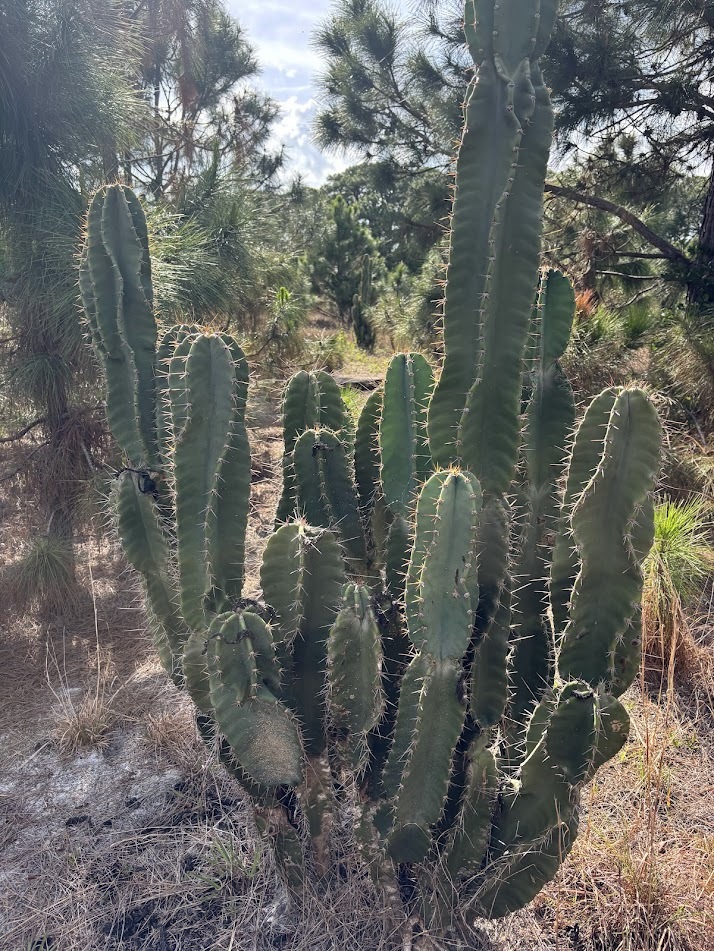
Cereus jamacaru is a striking columnar cactus native to South America, recognized for its imposing stature and distinctive form. It belongs to the Cactaceae family, a group of plants renowned for their adaptations to arid environments. This species plays a role in its native ecosystems, contributing to the structural complexity of its habitat and providing resources for wildlife.
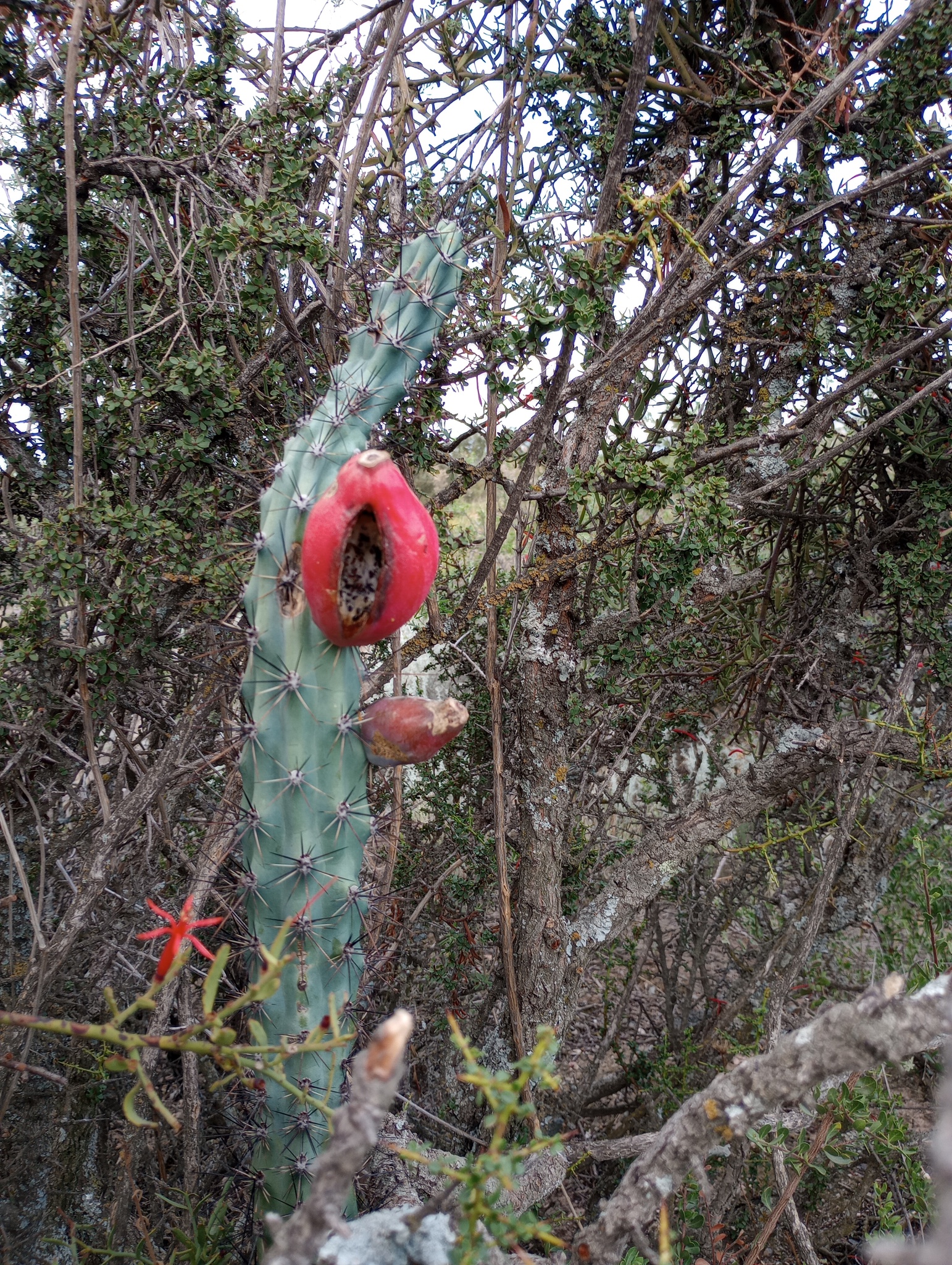
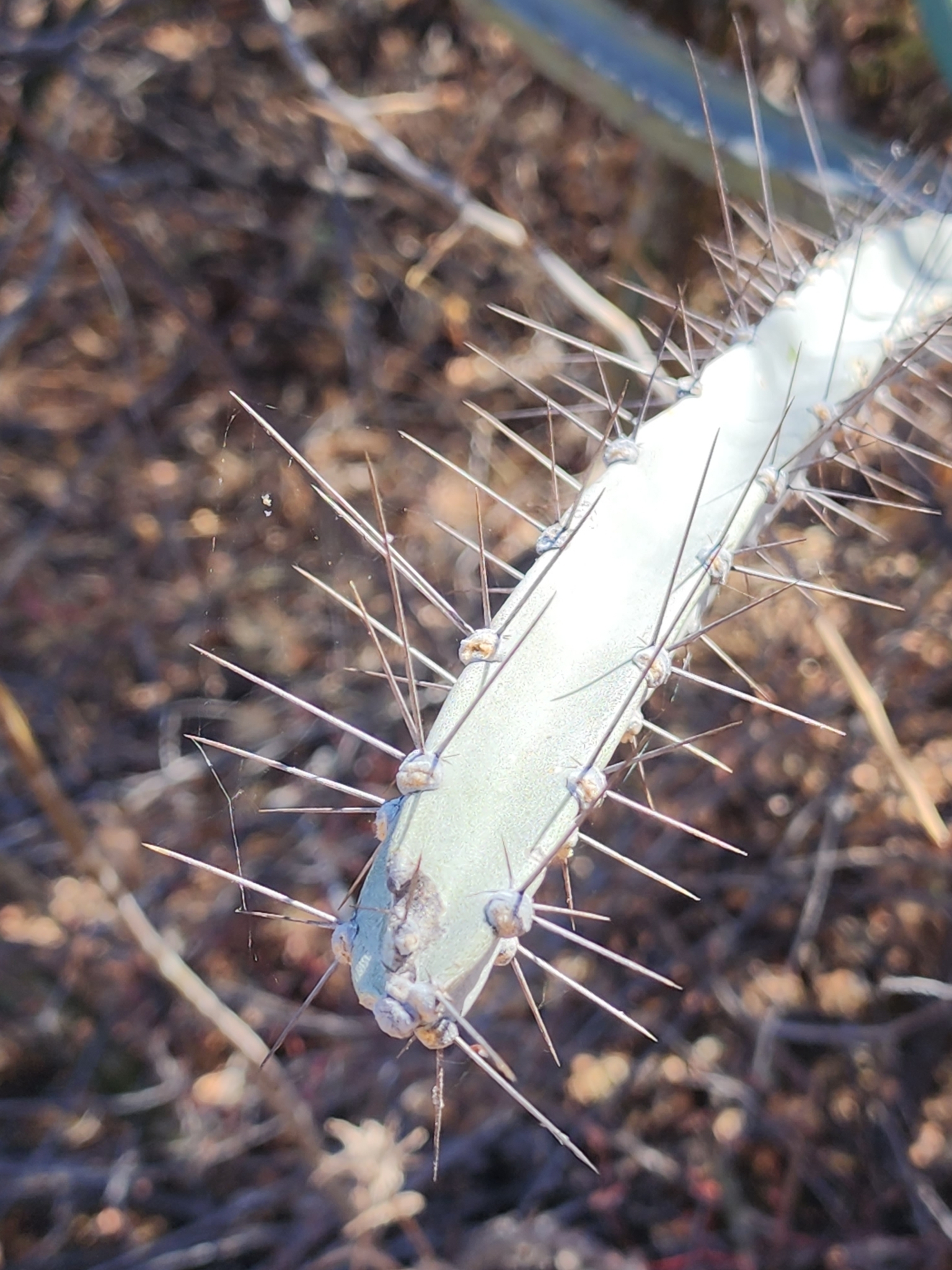
Physically, Cereus jamacaru is characterized by its erect, segmented stems that can reach considerable heights, often several meters tall. These stems are typically ribbed, with prominent ribs bearing areoles from which spines emerge. The spines, while variable, are generally stout and sharp, serving as a defense mechanism. The plant's overall growth habit is that of a large, tree-like cactus, often branching from the base or lower portions of the main stems, creating a substantial presence. The stems themselves are green, often with a glaucous or bluish-green hue, and are succulent, storing water to survive prolonged dry periods. While cacti are not typically known for prominent leaves in the traditional sense, Cereus jamacaru, like other cacti, has modified leaves in the form of spines. Its flowers are typically large, nocturnal, and white, opening at night and closing by morning, a common adaptation among desert-blooming cacti to attract nocturnal pollinators such as moths and bats. Following successful pollination, the plant produces fruit, which are usually fleshy, often globose or ovoid, and can be edible, though their palatability and use vary. The seeds are small and numerous, contained within the fruit.
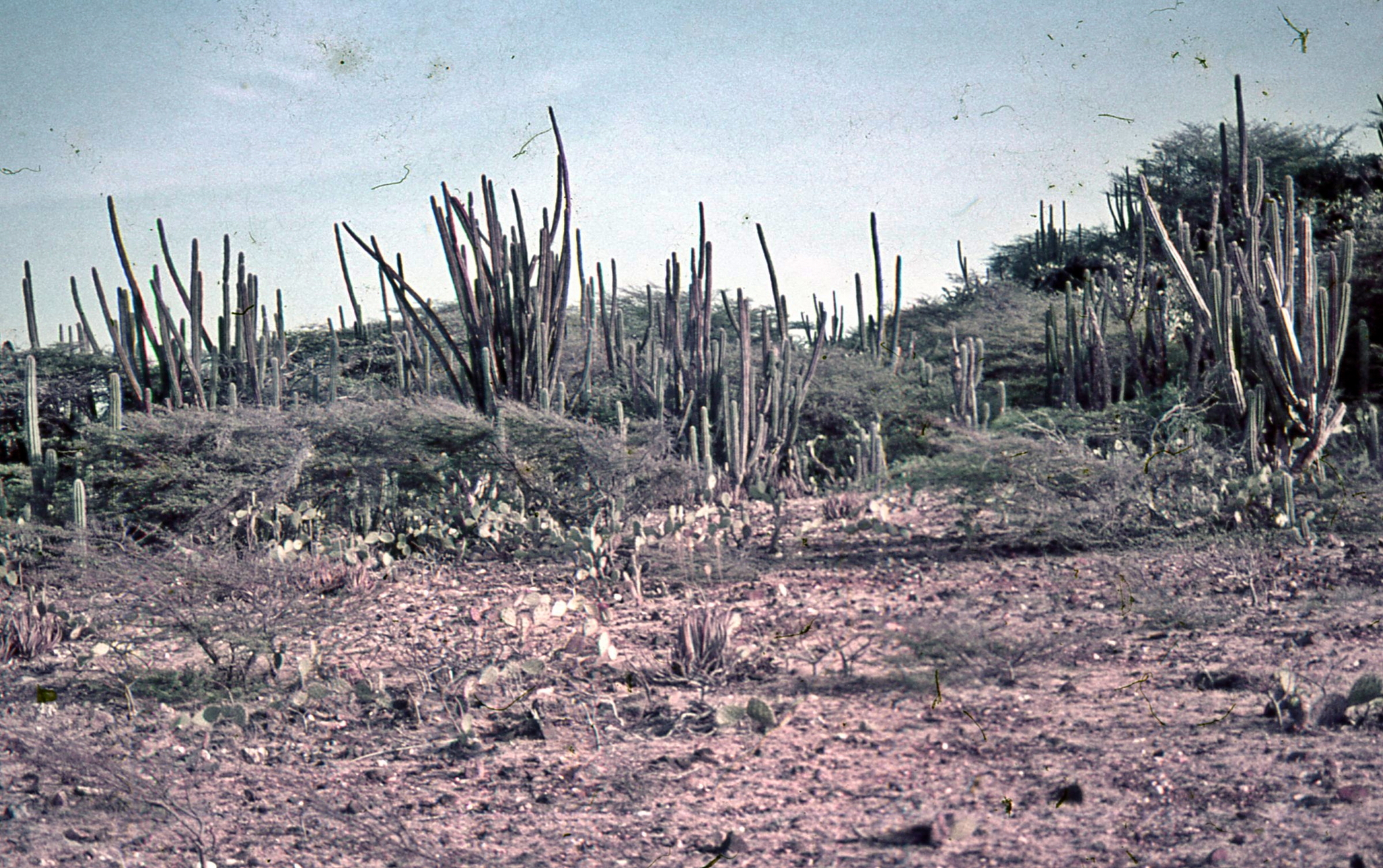
The native distribution of Cereus jamacaru is primarily within Brazil, extending into parts of neighboring countries. It thrives in a variety of habitats, including dry forests, savannas, and rocky outcrops, often in well-drained soils. Its cultivation requirements reflect its native environment; it prefers full sun and requires excellent drainage. Overwatering is a significant risk and can lead to root rot. It is drought-tolerant once established and can withstand a range of temperatures, though prolonged freezing conditions are generally detrimental.
While not widely cultivated for commercial agricultural purposes, Cereus jamacaru holds some ecological and ornamental significance. Its imposing form makes it a popular choice in xeriscaping and cactus gardens where its architectural presence is valued. In its native range, it can serve as a food source for some animals, and its dense structure provides shelter. There is limited documented evidence of widespread medicinal, culinary, or economic importance for this specific species that is scientifically established and recognized.
An interesting characteristic of Cereus jamacaru, and many columnar cacti, is its ability to undergo significant water storage within its succulent stems, allowing it to survive extended periods of drought. The ribbed structure of the stems also plays a role in its survival, allowing the plant to expand and contract with changes in water content without splitting. The nocturnal blooming of its flowers is a classic example of adaptation to attract specific pollinators active during cooler, less competitive nighttime hours.
Water sparingly. Allow soil to dry out completely between waterings.
Soil
Requires extremely well-draining soil. A cactus or succulent mix is ideal. Avoid heavy, water-retentive soils.
Temperature
Ideal growing temperature is between 20-30°C.
Habitat
Outdoor, Greenhouse
Fertilizer
Fertilize once or twice during the growing season (spring/summer).
Care Requirements
Light
Full sun.
Prefers at least 6-8 hours of direct sunlight daily.
Water
Water sparingly. Allow soil to dry out completely between waterings.
Reduce watering significantly in winter.
Soil
Requires extremely well-draining soil. A cactus or succulent mix is ideal. Avoid heavy, water-retentive soils.
Temperature
Ideal growing temperature is between 20-30°C.
Can tolerate brief periods of cooler temperatures but avoid frost.
Habitat
Outdoor, Greenhouse
Fertilizer
Fertilize once or twice during the growing season (spring/summer).
Use a diluted cactus fertilizer. Do not fertilize in fall or winter.
Plant Overview
Plant Type
Succulent
Plant Category
Fruit, Ornamental
Plant Place Type
Ground, Garden, Pot
Plant Environment
Outdoor, Greenhouse
Lifespan
Perennials
Plant Height
3-15 m
Spread
1-3 m
Growth Rate
Moderate
Flower Size
10-15 cm
Image Gallery
Flowering & Fruiting Cycles
Monthly activity intensity for bloom and fruit across both hemispheres.
Northern hemisphere
Flowering & fruiting calendar
Peak bloom · JunPeak fruit · Jul
FloweringFruiting
Southern hemisphere
Flowering & fruiting calendar
Peak bloom · MayPeak fruit · Jun
FloweringFruiting
Synonyms
Cactus jamacaru (DC.) Kostel.
Piptanthocereus jamacaru (DC.) Riccob.
Taxonomy
kingdomPlantae
divisionTracheophyta
classMagnoliopsida
orderCaryophyllales
familyCactaceae
genusCereus
speciesCereus jamacaru
Toxicity
Toxic for humans
No
Rating: 0/5
Toxic for pets
No
Rating: 0/5
Edible
Yes
Additional Care Tips
Water sparingly. Allow soil to dry out completely between waterings. Reduce watering significantly in winter.
Generally does not require pruning. Remove dead or damaged stems. If necessary, prune to control size, but this can affect the plant's natural form.
Easily propagated from stem cuttings. Allow cuttings to dry and callus for several days before planting in well-draining soil.
Repot only when necessary, typically every 3-5 years, when the plant becomes root-bound. Use a pot with excellent drainage.
FAQs
Is Cereus jamacaru edible?
Yes, the fruits of Cereus jamacaru are edible and can be consumed, though they are not widely cultivated for commercial fruit production.
How often should I water Cereus jamacaru?
Water sparingly. Allow the soil to dry out completely between waterings. Reduce watering significantly during the winter months.
What kind of sunlight does Cereus jamacaru need?
Cereus jamacaru thrives in full sun, requiring at least 6-8 hours of direct sunlight daily for optimal growth and flowering.
Why is my Cereus jamacaru not flowering?
Lack of sufficient sunlight, improper watering (too much or too little), or insufficient maturity can prevent flowering. Ensure it receives adequate sun and is mature enough.
What soil is best for Cereus jamacaru?
It requires extremely well-draining soil. A cactus or succulent mix is ideal to prevent root rot. Avoid heavy, water-retentive soils.