Forest Redgum Tree (Eucalyptus tereticornis) – Care, Growing Guide & Benefits | ePlant AI
Forest Redgum (Eucalyptus tereticornis)
Bastard-Box
Bimble-Box
Blue Fum
Blue Gum
Flooded Gum
Forest Redgum (Eucalyptus tereticornis) is a large tree native to eastern Australia, known for its smooth, powdery bark and lance-shaped leaves. It produces clusters of white flowers.
Eucalyptus tereticornis, commonly known as Forest Redgum, is a prominent species within the vast Eucalyptus genus, native to eastern Australia. This tree holds significant ecological importance in its natural range and is recognized for its distinctive appearance and valuable timber.
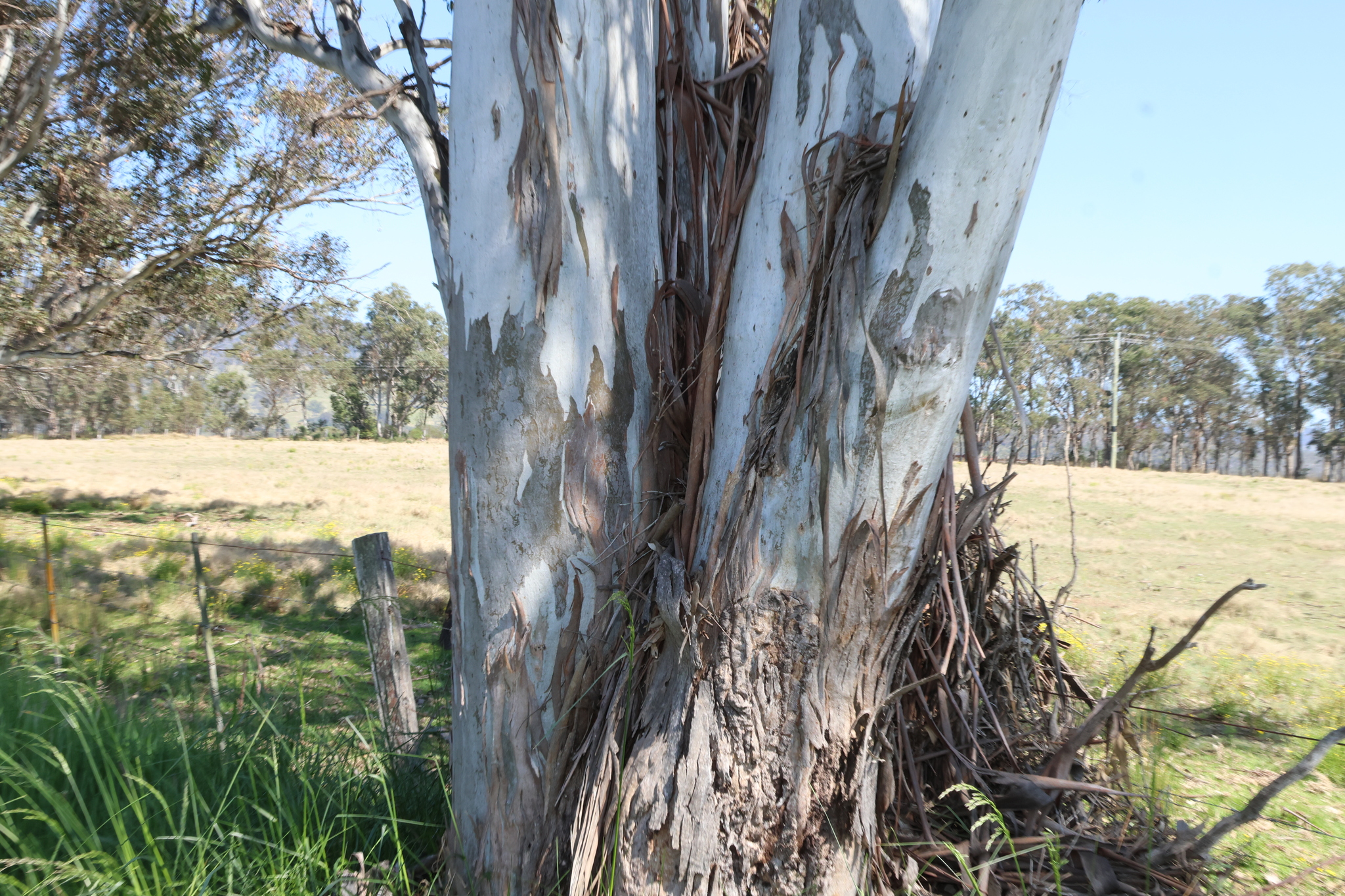
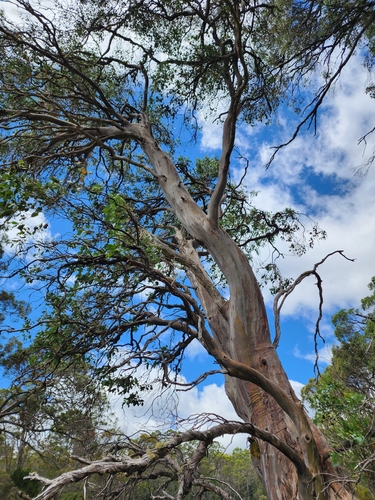
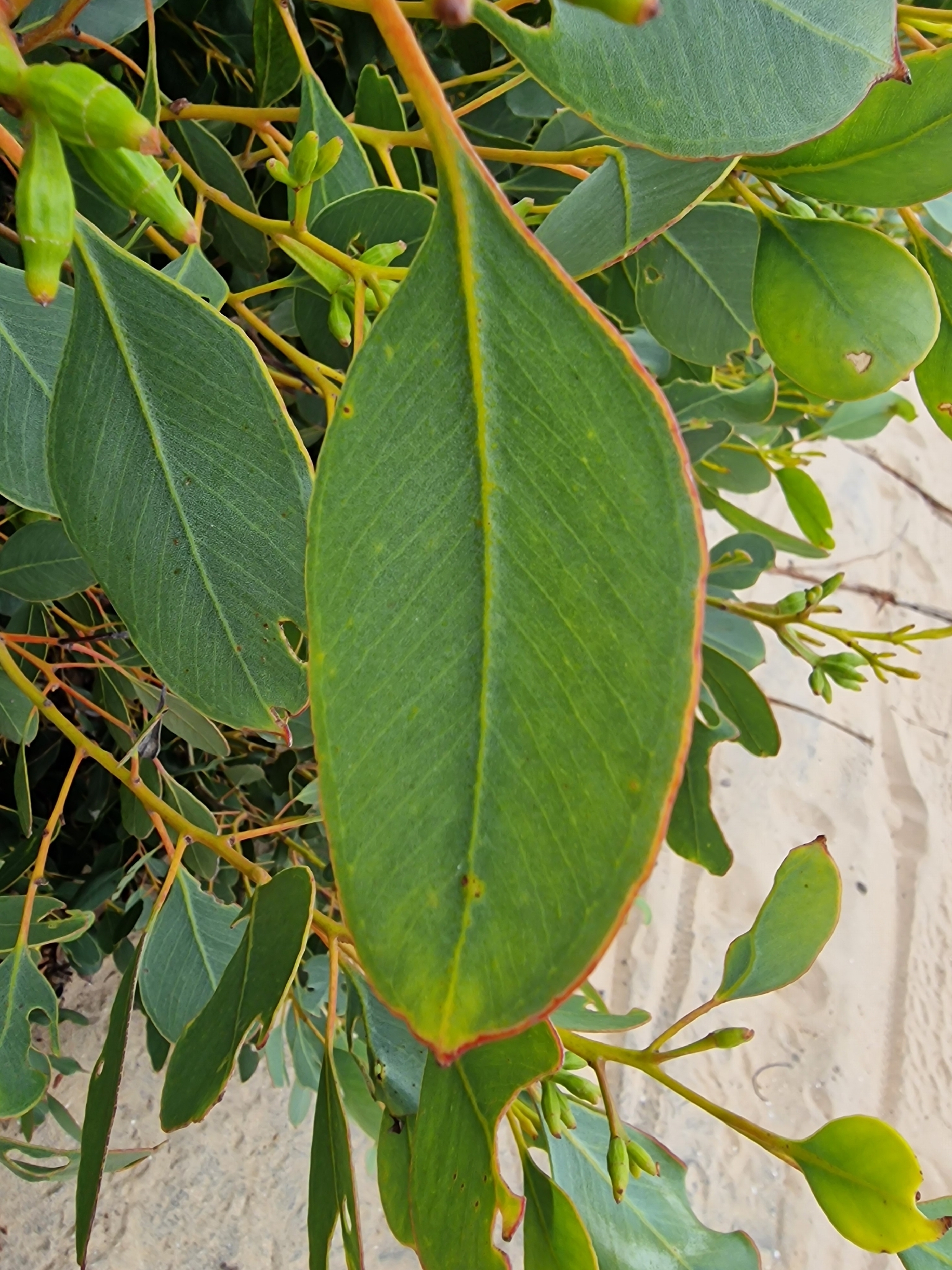
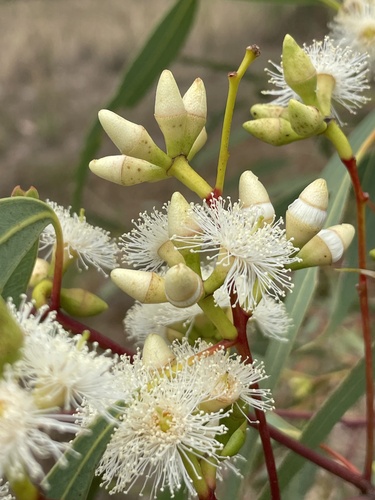
Forest Redgum is a large to very large forest tree, typically reaching heights of 30 to 50 meters, though exceptional specimens can grow even taller. Its growth habit is generally erect and spreading, forming a substantial canopy. The bark is a striking feature, being smooth and shedding in long, ribbon-like strips, revealing a powdery, pale grey to cream or pinkish surface underneath. This shedding bark is characteristic of many eucalypts and plays a role in temperature regulation and shedding of epiphytes. The leaves are lanceolate to falcate, meaning they are long and tapering, often curved like a sickle. They are typically 10 to 25 centimeters long and 1 to 2.5 centimeters wide, exhibiting a glossy, dark green upper surface and a paler, duller lower surface. These leaves are rich in aromatic oils, a common trait of the Eucalyptus genus. The flowers are creamy white and appear in clusters in the leaf axils. They are composed of numerous stamens, which give the flower its fluffy appearance, and lack conspicuous petals. The fruit is a woody capsule, known as a gum nut, which is hemispherical to obconical in shape, typically 0.6 to 1 centimeter in diameter, and contains numerous small seeds.
The native distribution of Eucalyptus tereticornis extends across a broad swathe of eastern Australia, from the coastal regions of Queensland and New South Wales, extending inland to parts of Victoria. It thrives in a variety of habitats, commonly found in open forests and woodlands on a range of soil types, from sandy loams to heavier clay soils, often in areas with good rainfall. While primarily a species of natural forests, it is also cultivated in plantations for timber production and as an ornamental tree in suitable climates. It prefers well-drained soils and a sunny aspect.
Forest Redgum is highly valued for its timber, which is strong, durable, and resistant to decay, making it suitable for a wide range of applications including construction, flooring, and furniture. Ecologically, it provides habitat and food for numerous native animal species, including birds and insects. The nectar from its flowers is a valuable food source for pollinators. Interestingly, the smooth, shedding bark of Eucalyptus tereticornis, while visually appealing, also serves a functional purpose. As the bark sheds, it can help to reduce competition from epiphytic plants and mosses that might otherwise colonize the trunk, and the exposed surface can help the tree to dissipate heat. The aromatic oils present in the leaves are characteristic of the genus and contribute to the distinctive scent of eucalypt forests.
Prefers well-drained soils, including sandy, loamy, and clay types. Tolerant of poor soils once established.
Temperature
Mild to Warm
Habitat
Outdoor
Fertilizer
Low Feed
Care Requirements
Light
Full Sun
Requires at least 6 hours of direct sunlight daily.
Water
Moderate to Low
Water regularly when young, drought tolerant when established.
Soil
Prefers well-drained soils, including sandy, loamy, and clay types. Tolerant of poor soils once established.
Temperature
Mild to Warm
Prefers temperatures between 15-25°C, tolerates occasional heat.
Habitat
Outdoor
Fertilizer
Low Feed
Fertilize lightly in spring with a balanced, slow-release formula.
Plant Overview
Plant Type
Tree
Plant Category
Foliage, Ornamental
Plant Place Type
Ground
Plant Environment
Outdoor
Lifespan
Perennials
Plant Height
30-50 m
Spread
15-25 m
Growth Rate
Fast
Dormancy
None
Leaf Color
Green
Leaf Type
Lanceolate
Flower Size
1-2 cm
Image Gallery
Flowering & Fruiting Cycles
Monthly activity intensity for bloom and fruit across both hemispheres.
Northern hemisphere
Flowering & fruiting calendar
Peak bloom · JunPeak fruit · Jul
FloweringFruiting
Southern hemisphere
Flowering & fruiting calendar
Peak bloom · JunPeak fruit · Jul
FloweringFruiting
Taxonomy
kingdomPlantae
divisionTracheophyta
classMagnoliopsida
orderMyrtales
familyMyrtaceae
genusEucalyptus
speciesEucalyptus tereticornis
Toxicity
Toxic for humans
No
Rating: 0/5
Toxic for pets
No
Rating: 0/5
Additional Care Tips
Water young trees regularly to establish a strong root system. Mature trees are drought-tolerant and require minimal supplemental watering, especially in regions with adequate rainfall. Overwatering can lead to root rot.
Prune to shape young trees and remove dead or crossing branches. Heavy pruning is generally not recommended as it can affect the tree's natural form. Prune in late winter or early spring.
Easily grown from seed sown in spring. Seeds may require stratification. Cuttings can be taken from young plants, but rooting can be difficult on mature material.
Not applicable for trees grown in the ground. Container-grown specimens should be repotted when root-bound, typically every 2-3 years, using a well-draining potting mix.
FAQs
How tall does Eucalyptus tereticornis grow?
Eucalyptus tereticornis typically grows into a large tree, reaching mature heights of 30 to 50 meters.
What kind of soil does Forest Redgum prefer?
Forest Redgum thrives in well-drained soils, including sandy, loamy, and clay types. It is also tolerant of poor soil conditions once established.
Is Eucalyptus tereticornis drought tolerant?
Yes, mature specimens of Eucalyptus tereticornis are highly drought tolerant and require minimal watering once their root system is well-established.
When is the best time to prune Eucalyptus tereticornis?
Pruning is best done in late winter or early spring to shape young trees or remove dead or crossing branches. Heavy pruning is generally not recommended.
Does Forest Redgum attract wildlife?
Yes, the flowers provide nectar for insects and birds, and the leaves are a primary food source for koalas, making it valuable for supporting local ecosystems.