Chacruna (Psychotria viridis) – Care, Growing Guide & Benefits | ePlant AI
Chacruna (Psychotria viridis)
Chacrona
Chacruna
Rainha
Psychotria viridis, commonly known as Chacruna, is a shrub from the Amazon rainforest, recognized for its glossy green leaves, white flowers, and traditional ceremonial use.
Psychotria viridis, commonly known as Chacruna, is a species of flowering plant in the family Rubiaceae. It is a significant plant within its native range, recognized for its distinctive characteristics and ecological role.
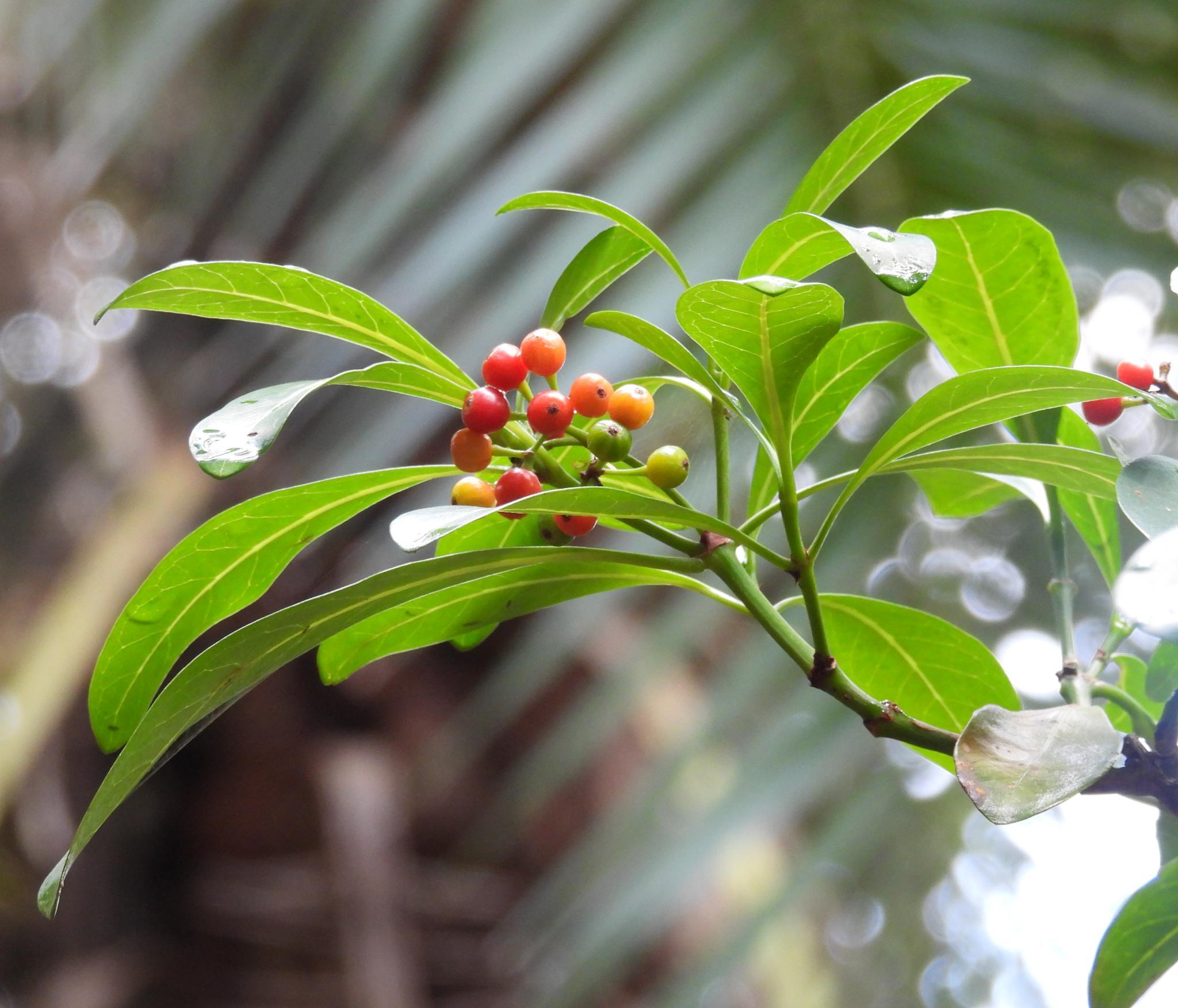
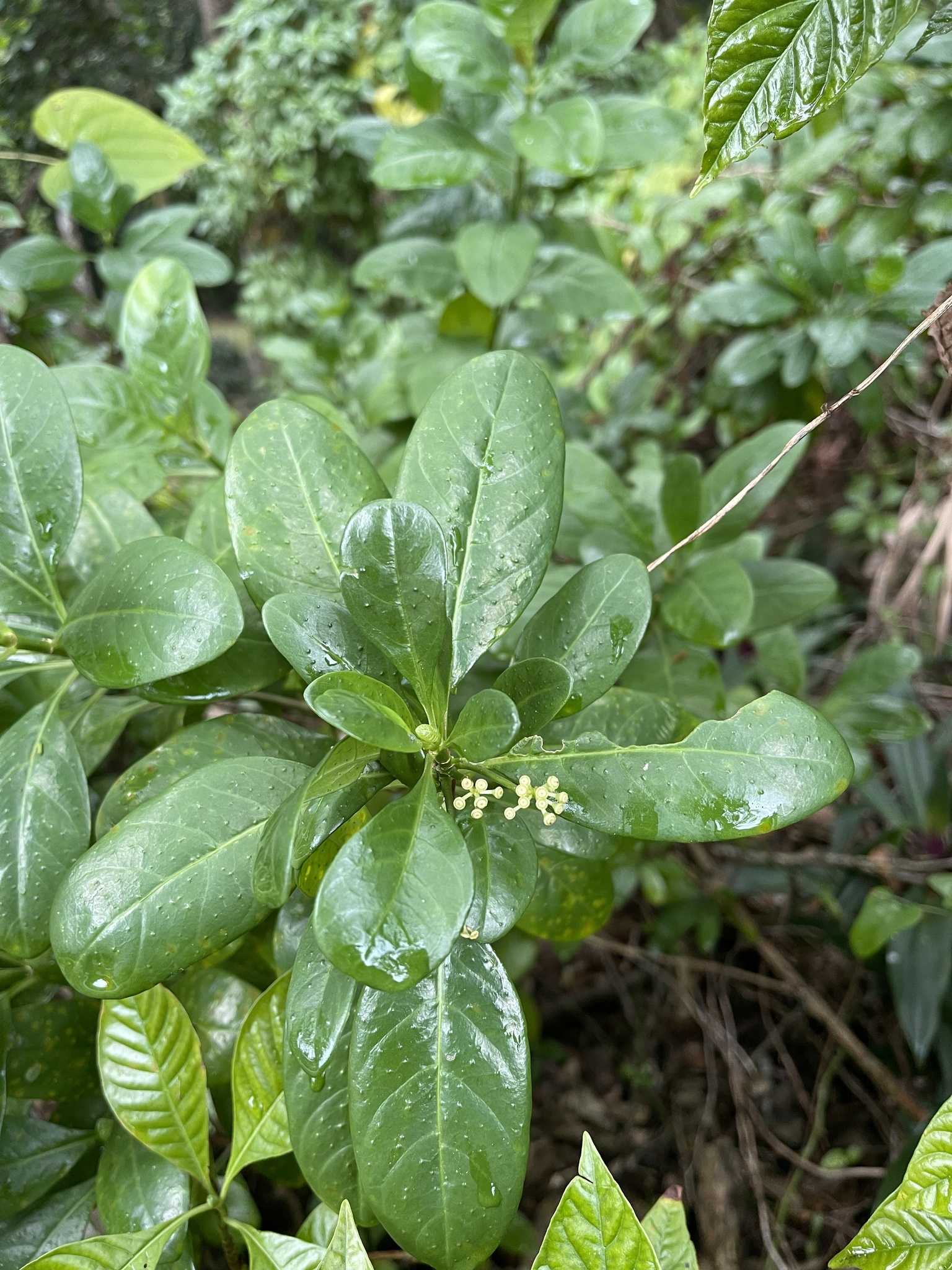
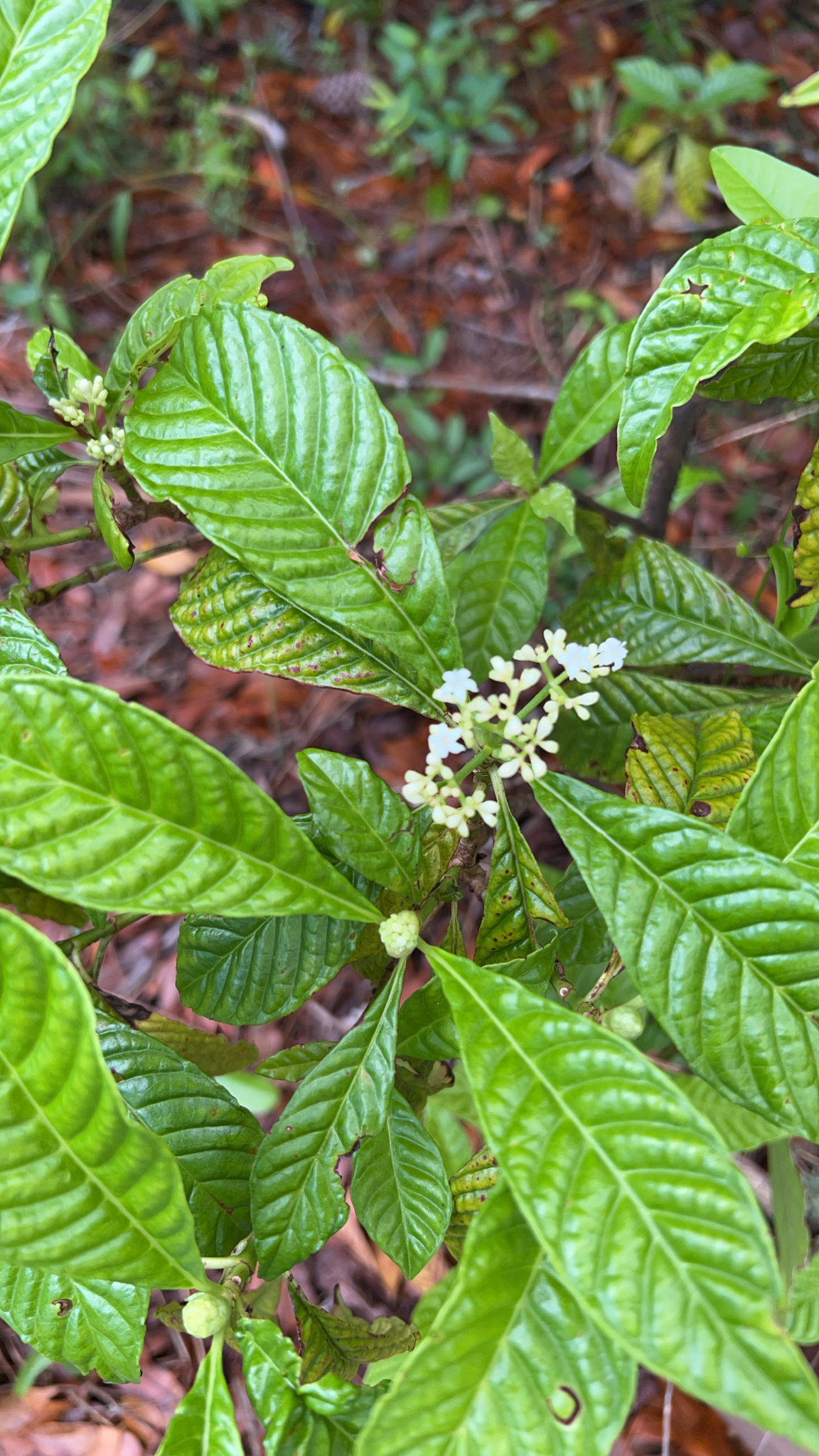
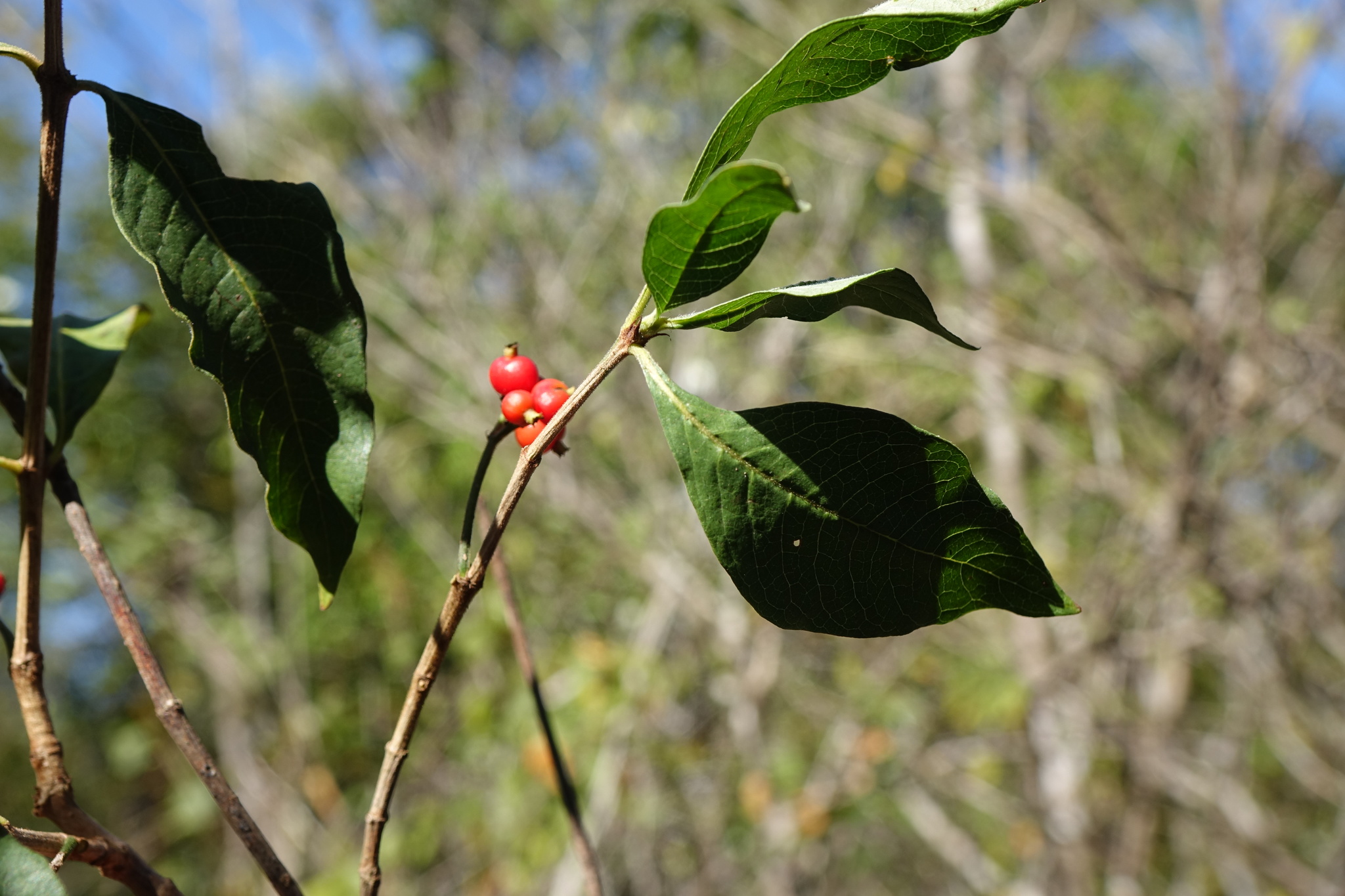
Chacruna is an erect, evergreen shrub that typically grows to a height of 1 to 3 meters, though it can occasionally reach up to 5 meters. Its growth habit is generally upright and somewhat spreading. The leaves are opposite, simple, and ovate to elliptic in shape, measuring approximately 5 to 15 centimeters in length and 2 to 6 centimeters in width. They are characterized by a glossy, dark green upper surface and a paler, often slightly hairy underside. The venation is prominent, with a distinct midrib and secondary veins. The plant produces small, white, star-shaped flowers arranged in terminal or axillary cymes. These flowers are typically fragrant and bloom throughout much of the year in suitable climates. Following flowering, Chacruna develops small, fleshy, drupaceous fruits that are typically bright red when ripe, about 5 to 8 millimeters in diameter, and contain two seeds. The bark is usually smooth and grayish-brown.
The native distribution of Psychotria viridis encompasses the Amazon rainforest and adjacent tropical regions of South America, including countries such as Brazil, Peru, Ecuador, Colombia, and Venezuela. It thrives in humid, tropical environments, typically found growing in the understory of primary and secondary rainforests, often in disturbed areas, along riverbanks, and in clearings. Cultivation requirements generally involve warm temperatures, high humidity, and consistently moist, well-drained soil. It prefers partial shade, mimicking its natural habitat beneath the forest canopy.
Psychotria viridis holds notable cultural and historical significance, particularly among indigenous communities in the Amazon basin. It is traditionally used in various ceremonial contexts. Scientifically documented ethnobotanical uses are primarily related to its psychoactive properties, which are attributed to the presence of N,N-dimethyltryptamine (DMT) in its leaves. This compound is a naturally occurring psychedelic tryptamine. The plant is often combined with other species containing monoamine oxidase inhibitors (MAOIs) to enable oral activity of DMT. Beyond its ethnobotanical applications, Chacruna plays a role in the ecological dynamics of its habitat, providing food and shelter for various forest inhabitants. Its bright red fruits are consumed by birds and other animals, aiding in seed dispersal.
An interesting characteristic of Psychotria viridis is its role in the preparation of ayahuasca, a traditional Amazonian entheogenic brew. The leaves of Chacruna are a key ingredient, providing the DMT, which is then orally active when combined with a plant containing MAOIs. This symbiotic relationship between plants and their traditional uses highlights the intricate connections between botany, culture, and pharmacology. The plant's ability to synthesize DMT is a fascinating example of plant biochemistry and its evolutionary adaptations.
Keep soil consistently moist, but avoid waterlogging.
Soil
Rich, well-draining, slightly acidic soil. A mix of potting soil, compost, and perlite is suitable.
Temperature
Ideal growing temperature between 20-28°C.
Habitat
Outdoor, Greenhouse, Indoor
Fertilizer
Feed with a balanced liquid fertilizer during the growing season.
Care Requirements
Light
Prefers bright, indirect light.
Avoid direct, harsh sunlight.
Water
Keep soil consistently moist, but avoid waterlogging.
Water when the top inch of soil is dry.
Soil
Rich, well-draining, slightly acidic soil. A mix of potting soil, compost, and perlite is suitable.
Temperature
Ideal growing temperature between 20-28°C.
Protect from frost and cold drafts.
Habitat
Outdoor, Greenhouse, Indoor
Fertilizer
Feed with a balanced liquid fertilizer during the growing season.
Dilute to half strength every 2-4 weeks.
Plant Overview
Plant Type
Shrub
Plant Category
Medicinal
Plant Place Type
Ground, Pot
Plant Environment
Outdoor, Greenhouse, Indoor
Lifespan
Perennials
Plant Height
1.5-3 m
Spread
1-2 m
Growth Rate
Moderate
Leaf Color
Green
Leaf Type
Opposite, ovate to elliptic
Flower Size
0.5 cm
Image Gallery
Flowering & Fruiting Cycles
Monthly activity intensity for bloom and fruit across both hemispheres.
Northern hemisphere
Flowering & fruiting calendar
Peak bloom · JunPeak fruit · Jul
FloweringFruiting
Southern hemisphere
Flowering & fruiting calendar
Peak bloom · DecPeak fruit · Jun
FloweringFruiting
Synonyms
Palicourea viridis (Ruiz & Pav.) Schult.
Psychotria glomerata Kunth
Psychotria microdesmia Oerst.
Psychotria trispicata Griseb.
Uragoga glomerata (Kunth) Kuntze
Uragoga microdesmia (Oerst.) Kuntze
Uragoga trispicata (Griseb.) Kuntze
Uragoga viridis (Ruiz & Pav.) Kuntze
Taxonomy
kingdomPlantae
divisionTracheophyta
classMagnoliopsida
orderGentianales
familyRubiaceae
genusPsychotria
speciesPsychotria viridis
Toxicity
Toxic for humans
Yes
Rating: 4/5
Toxic for pets
Yes
Rating: 3/5
Edible
No
Additional Care Tips
Water thoroughly when the top inch of soil feels dry. Ensure good drainage to prevent root rot, especially in pots.
Prune to maintain shape and encourage bushier growth. Remove any dead or damaged branches. Light pruning can be done year-round, with heavier pruning in early spring.
Easily propagated from stem cuttings taken in spring or summer. Root cuttings in moist, well-draining soil or water. Seeds can also be used but germination can be slow.
Repot every 1-2 years in spring when the plant becomes root-bound. Use a pot one size larger with fresh, well-draining potting mix.
FAQs
Is Chacruna poisonous to pets?
Yes, Psychotria viridis is considered mildly toxic to pets, potentially causing gastrointestinal upset if ingested.
What are the toxicity concerns for humans?
While used in traditional ceremonies, ingestion of large quantities or improperly prepared parts can cause psychoactive effects and potential discomfort. It is not considered a food plant.
What kind of light does Psychotria viridis need?
It thrives in bright, indirect light. Direct sunlight, especially harsh afternoon sun, can scorch its leaves.
How often should I water Chacruna?
Water when the top inch of soil feels dry. It prefers consistently moist soil but requires good drainage to prevent root rot.
Can Psychotria viridis be grown indoors?
Yes, it can be grown indoors as a houseplant if provided with adequate bright, indirect light, high humidity, and consistent moisture.