Skip to plant details

PeumoCryptocarya alba

Also known as Chilean Acorn · Red Cryptocarya

  • Category: Ornamental, Fruit
  • Type: Tree
  • Sunlight: Full Sun to Partial Shade
  • Water: Moderate
  • Temperature: Moderate

Peumo (Cryptocarya alba) is a South American evergreen tree native to Chile, known for its aromatic leaves and edible fruit, used in traditional medicine and as a food so

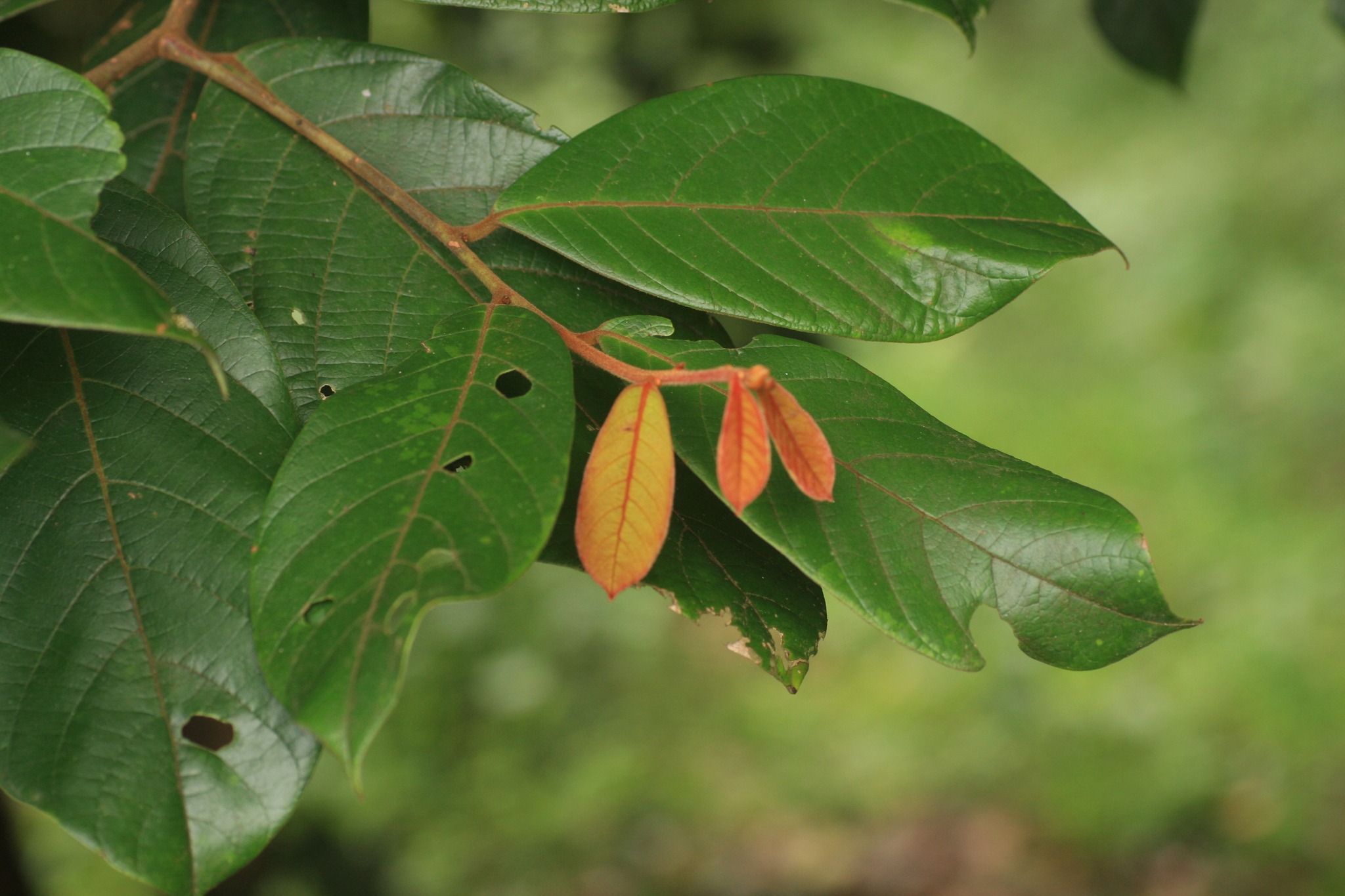
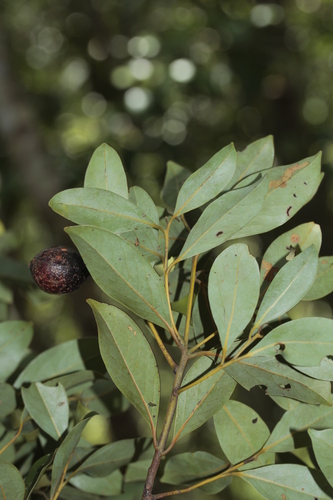
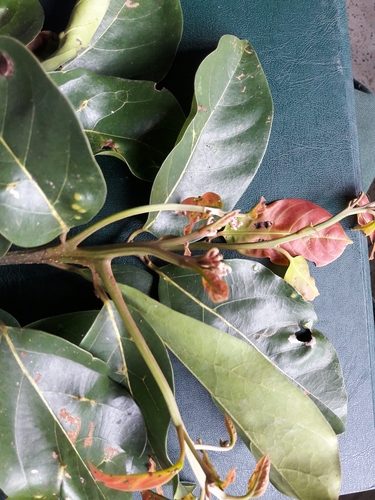
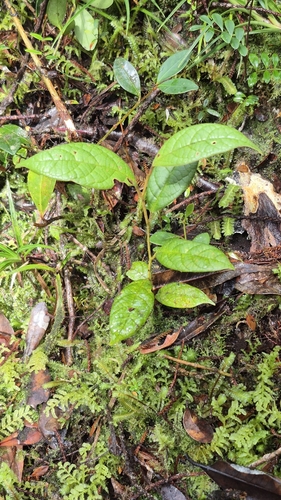
Cryptocarya alba, commonly known as Peumo, is a significant evergreen tree native to the Mediterranean-like climate of central Chile. This species holds ecological importance within its native range and is recognized for its distinctive appearance and resilience. Peumo is a member of the Lauraceae family, which also includes familiar plants like bay laurel and cinnamon. Physically, Cryptocarya alba typically grows into a medium-sized tree, reaching heights of up to 15 meters, though it can occasionally attain larger dimensions. Its growth habit is often dense and rounded, providing substantial shade. The bark is smooth and grayish when young, becoming rougher and darker with age. The leaves are a prominent feature, being simple, alternate, and leathery in texture. They are lanceolate to ovate in shape, measuring between 5 to 10 centimeters in length, with a glossy, dark green upper surface and a paler, often glaucous or hairy underside. The margins of the leaves are typically entire. During its flowering period, usually in spring and summer, the tree produces small, inconspicuous flowers. These flowers are typically greenish-white and arranged in axillary panicles. Following pollination, the flowers develop into fruits, which are drupes. The Peumo fruit is ovoid, about 1 to 1.5 centimeters long, and matures from green to a dark purplish-black color. The fruit contains a single seed. The natural distribution of Cryptocarya alba is confined to the sclerophyllous forests of central Chile, extending from the Coquimbo Region south to the Biobío Region. It thrives in Mediterranean climates characterized by dry summers and wet winters, often found on slopes and in ravines where it can access moisture. In its native habitat, it frequently grows alongside other characteristic species of the Chilean matorral. Cultivation requirements for Peumo are generally aligned with its native conditions. It prefers well-drained soils and full sun to partial shade. Once established, it exhibits considerable drought tolerance, a valuable trait for landscaping in arid or semi-arid regions. It is also known to be frost-tolerant to a degree, making it suitable for a range of temperate climates. Historically and ecologically, Cryptocarya alba plays a role in its native ecosystem, providing habitat and food sources for local fauna. While not widely cultivated for specific economic purposes, its ornamental value is increasingly recognized. Its evergreen foliage, attractive form, and resilience make it a desirable specimen tree for gardens and parks, particularly in regions with similar climatic conditions. There is limited documented evidence regarding significant medicinal, culinary, or widespread economic uses that are scientifically established for this species. An interesting characteristic of Cryptocarya alba is its adaptation to fire, a common disturbance in its native Mediterranean ecosystem. Like many plants in this environment, it possesses mechanisms to survive and regenerate after fire events, contributing to the persistence of the species and the forest type. The leathery nature of its leaves is also an adaptation to reduce water loss during the dry summer months.

Photograph © Romina Yáñez Jiménez

Peumo Care Summary

At-a-glance light, water, soil, and growing conditions from plant data

Light Requirements

Full Sun to Partial Shade

75% intensity

Prefers bright, indirect light. Can tolerate full sun if soil remains moist.

Watering Needs

Moderate

50% intensity

Keep soil consistently moist, allowing the top layer to dry slightly between waterings.

Soil

Well-drained

50% intensity

Temperature Tolerance

Moderate

50% intensity

Thrives in temperate climates. Protect from harsh frosts and extreme heat.

Fertilizer Needs

Low

25% intensity

Light feeding in spring with a balanced fertilizer is sufficient.

Peumo Toxicity

Safety information from plant toxicity data

Toxicity details for Peumo
AttributeValue
Toxic for humansNo

0/5 intensity

Toxic for petsNo

0/5 intensity

EdibleYes

Peumo Quick Facts

Key traits and growing stats from plant data

Plant Type
Tree
Plant Category
Ornamental, Fruit
Plant Place Type
Garden, Pot
Lifespan
Perennial
Plant Height
10-20 m
Spread
5-10 m
Growth Rate
Moderate
Dormancy
None
Leaf Color
Green
Leaf Type
Simple
Flower Size
1 cm
Optimal Sunlight Lux
60000

Care guide for Peumo

Watering, pruning, propagation, and repotting details from plant data

Water

Peumo prefers consistently moist soil but not waterlogged conditions. Water deeply when the top 2-3 cm of soil feels dry. Reduce watering slightly during winter dormancy.

Ensure good drainage to prevent root rot, especially in containers.

Pruning

Prune Peumo lightly in late winter or early spring before new growth begins. Focus on removing dead, damaged, or crossing branches.

This helps maintain its natural shape and promotes healthy air circulation within the canopy.

Propagation

Peumo can be propagated from seeds sown in autumn or spring, often requiring stratification. Cuttings taken from semi-hardwood in summer can also be rooted under humid conditions with rooting hormone.

Repotting

Repot young Peumo plants every 2-3 years in spring, or when root-bound. Use a well-draining potting mix. Mature plants generally prefer to be left undisturbed unless symptoms of distress appear.

Identify plants like this with ePlant

Snap a photo to get care tips and match similar species on the go.

Try for Free

Flowering & Fruiting Cycles

Monthly activity intensity for bloom and fruit across both hemispheres.

Northern hemisphere

Flowering & fruiting calendar

Peak bloom · NovPeak fruit · Feb
FloweringFruiting
02468JanFebMarAprMayJunJulAugSepOctNovDecActivity intensityMonths66
Southern hemisphere

Flowering & fruiting calendar

Peak bloom · NovPeak fruit · Feb
FloweringFruiting
02468JanFebMarAprMayJunJulAugSepOctNovDecActivity intensityMonths66

Peumo Names & Synonyms

Common names and botanical synonyms

Common Names

  • Chilean Acorn
  • Red Cryptocarya

Synonyms

  • Cryptocarya laxiflora (Phil. ex Mez) Phil.
  • Cryptocarya mammosa (Molina) Kosterm.
  • Cryptocarya peumus (Molina) Nees
  • Cryptocarya stenantha Phil.
  • Icosandra rufescens Phil.
  • Laurus peumo Dombey ex Lam.
  • Laurus peumus Molina
  • Peumus alba Molina
  • Peumus mammosa Molina
  • Peumus rubra Molina

Peumo Taxonomy

Botanical classification

Taxonomic classification of Peumo
RankName
kingdomPlantae
divisionTracheophyta
classMagnoliopsida
orderLaurales
familyLauraceae
genusCryptocarya
speciesCryptocarya alba

Peumo FAQs

Answers based on plant encyclopedia data

What is the native habitat of Cryptocarya alba?

Cryptocarya alba is native to central Chile, typically found in sclerophyllous forests.

Are the fruits of Peumo edible?

Yes, the fruits of Cryptocarya alba are edible and have been used traditionally as a food source.

Does Cryptocarya alba have any medicinal uses?

Historically, extracts from Cryptocarya alba have been used in traditional medicine, and its potential medicinal properties are a subject of ongoing research.

What are the foliage characteristics of Peumo?

Peumo is an evergreen tree with aromatic leaves that release a pleasant scent when crushed.

Is Cryptocarya alba suitable for landscaping?

Cryptocarya alba can be used as an ornamental tree in landscaping, especially in areas with similar climatic conditions to its native habitat, and is valued for its evergreen nature and aromatic foliage.