Water
Keep soil consistently moist to waterlogged. This plant thrives in wetland environments and can tolerate standing water for extended periods. Ensure adequate moisture, especially during establishment and dry spells.
Also known as Cane · Common Reedgrass · Ditch Reed
At-a-glance light, water, soil, and growing conditions from plant data
Prefers full sun but tolerates partial shade.
100% intensity
Optimal growth in sunny locations.
Keep soil consistently moist to waterlogged.
100% intensity
Thrives in wetland environments.
Tolerates a wide range of soils, including clay, sand, and loam, but thrives in wet or waterlogged conditions.
50% intensity
Grows best in moderate temperatures.
100% intensity
Tolerates a range from 15-25 °C.
Outdoor, Aquatic
50% intensity
Generally does not require fertilization.
0% intensity
Apply balanced fertilizer only in poor soils.
Safety information from plant toxicity data
| Attribute | Value |
|---|---|
| Toxic for humans | No 0/5 intensity |
| Toxic for pets | No 0/5 intensity |
| Edible | Yes |
Non-toxic to pets and humans. Parts of the plant are edible.
Key traits and growing stats from plant data
Watering, pruning, propagation, and repotting details from plant data
Keep soil consistently moist to waterlogged. This plant thrives in wetland environments and can tolerate standing water for extended periods. Ensure adequate moisture, especially during establishment and dry spells.
Pruning is typically done for management or aesthetic purposes, such as reducing spread or removing dead material. Cut back dead stems in late winter or early spring before new growth emerges.
Avoid cutting into the soil as this can encourage rhizome growth.
Easily propagated by rhizome division in early spring or fall. Seeds can also be sown, but vegetative propagation is more common for establishing desired characteristics and controlling spread.
Not typically grown in pots. If containment is necessary, it requires very large containers with restricted root systems. Repotting is not a standard practice for this species.
Identify plants like this with ePlant AI
Snap a photo to get care tips and match similar species on the go.
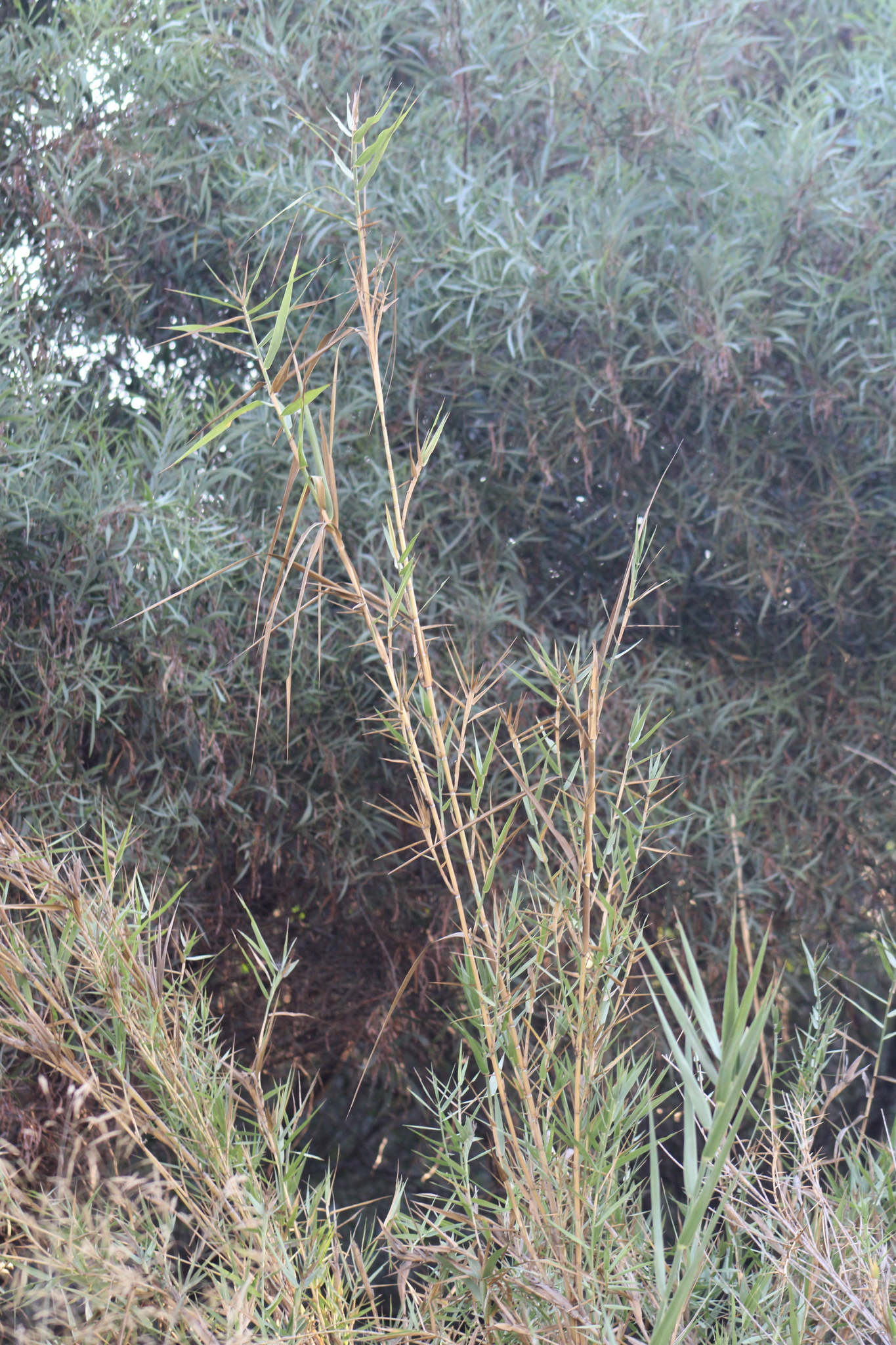
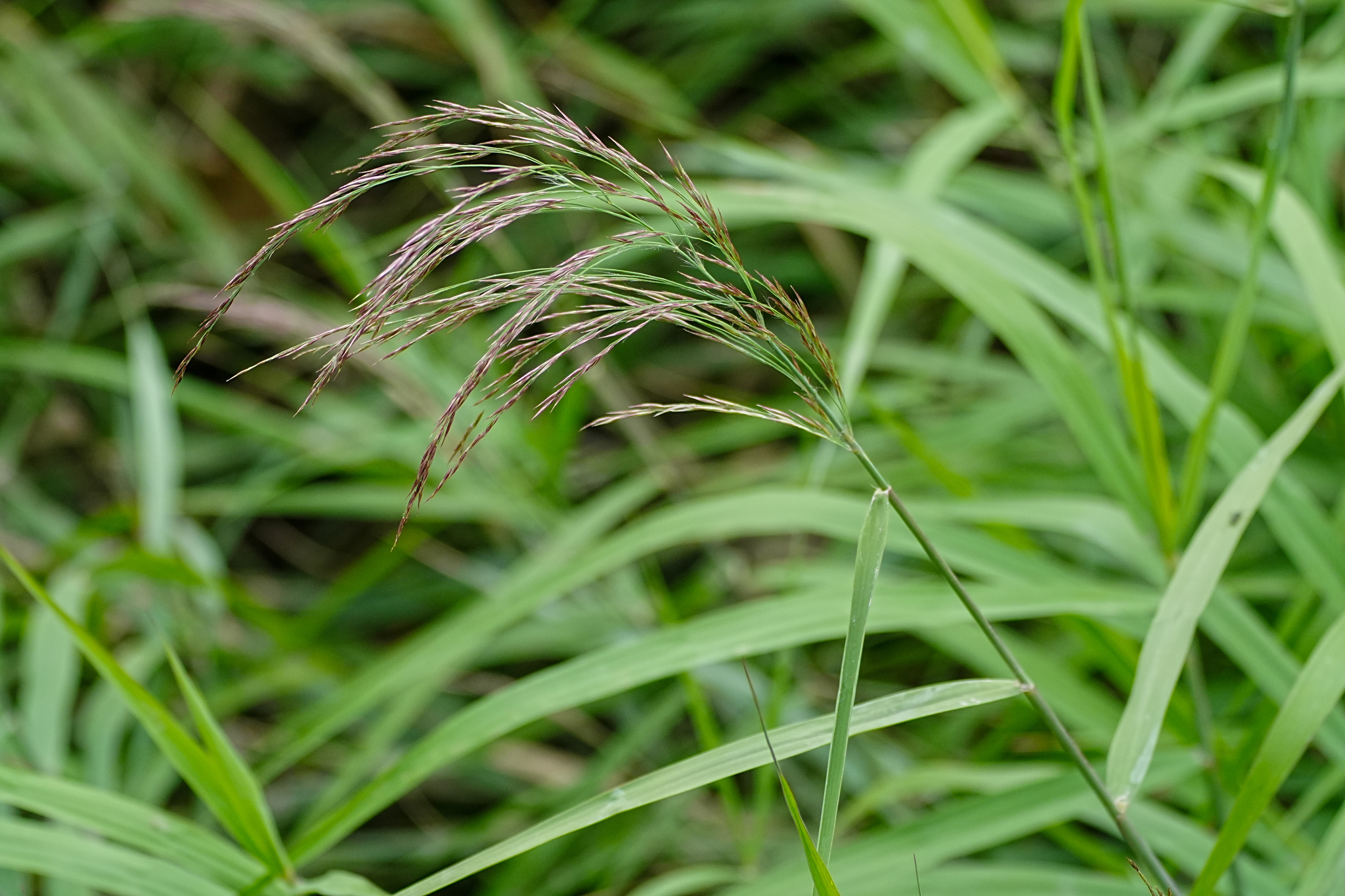
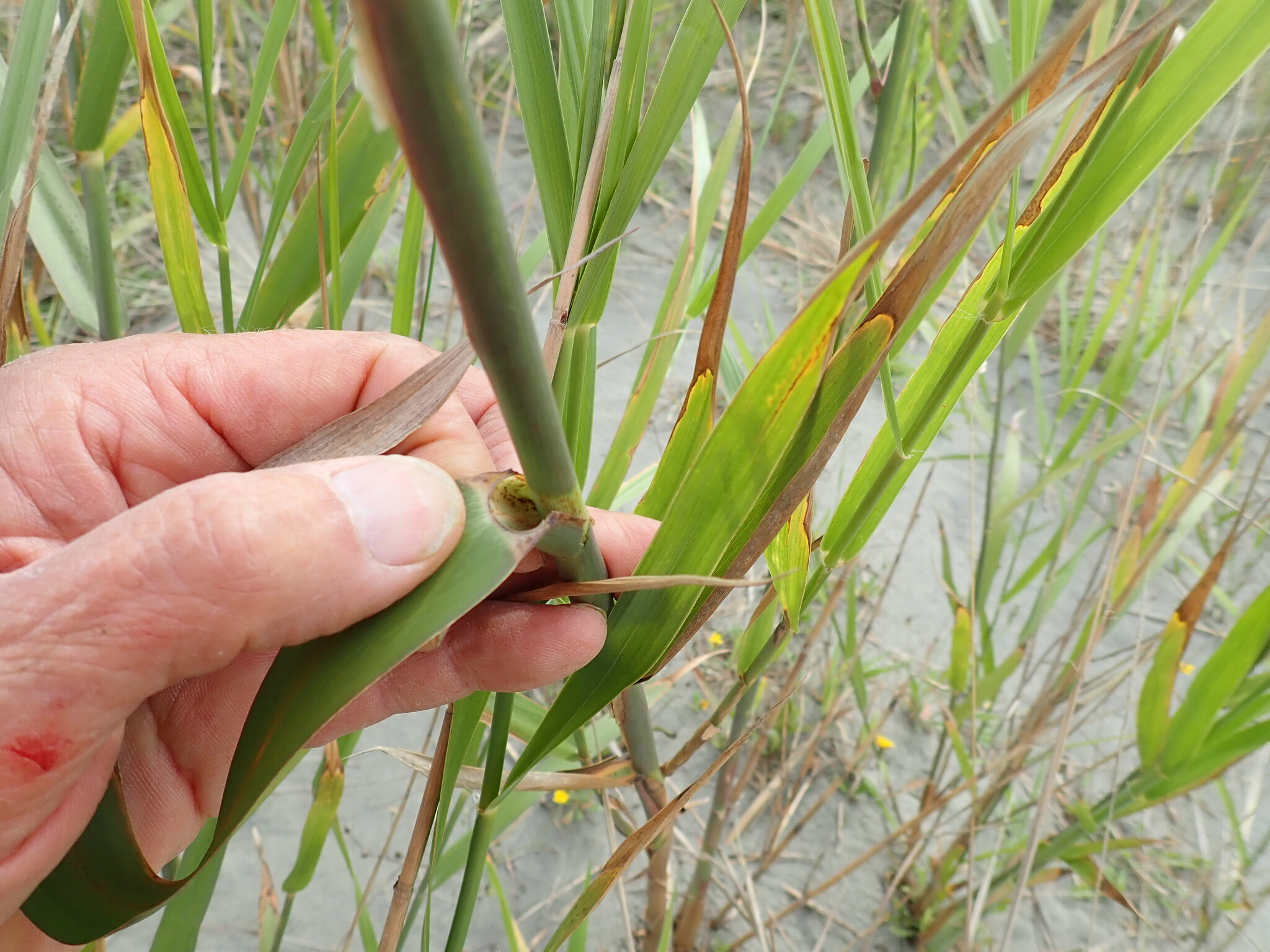
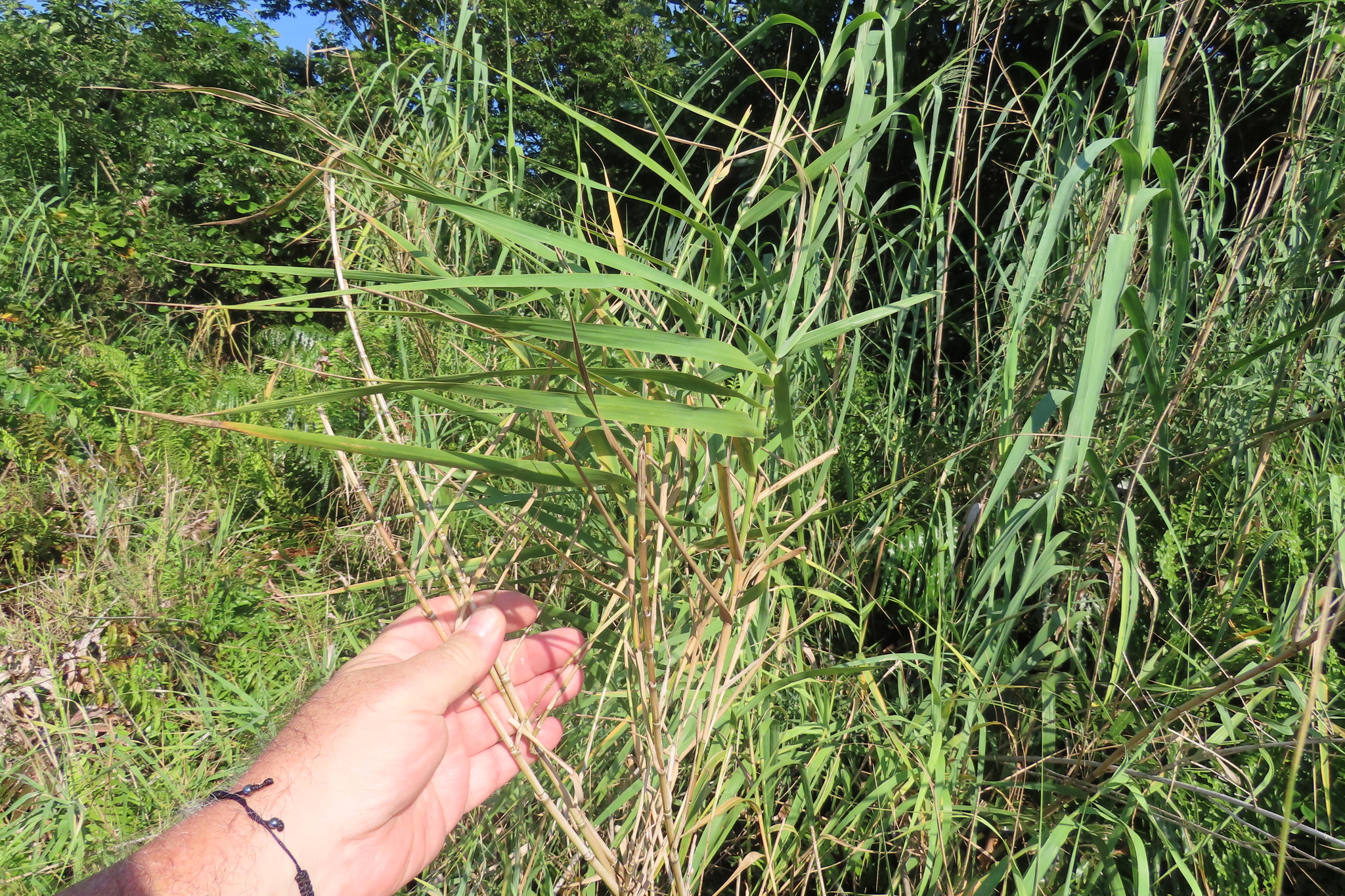
Photos of Common Reed (Phragmites australis)
Common names and botanical synonyms
Botanical classification