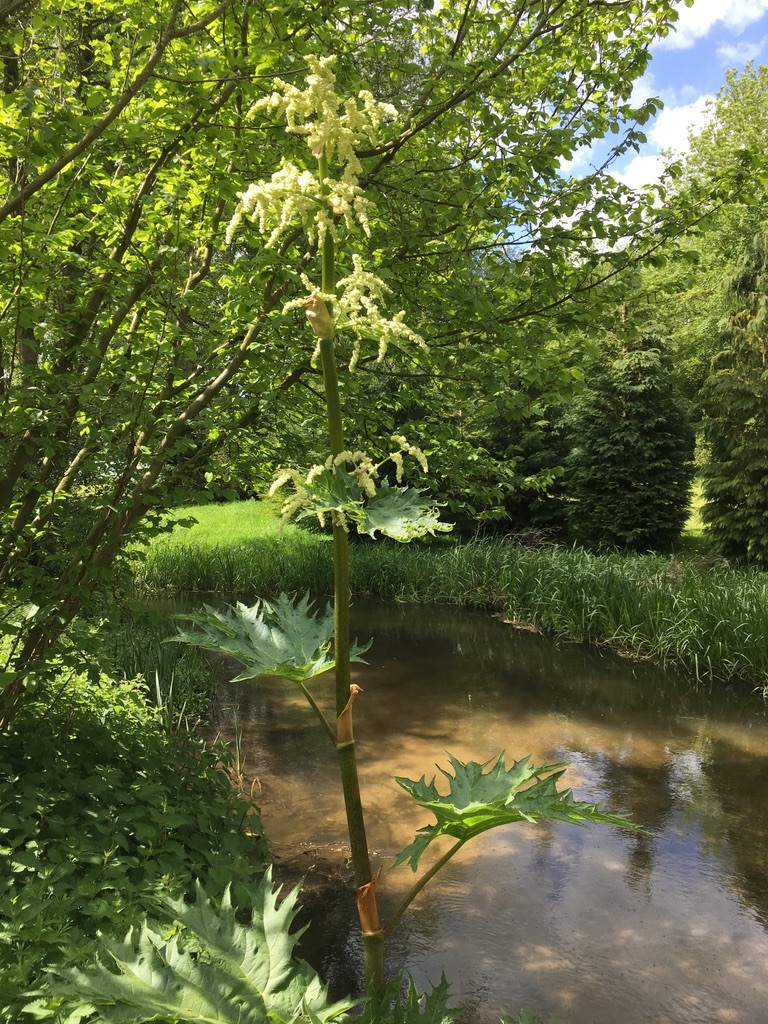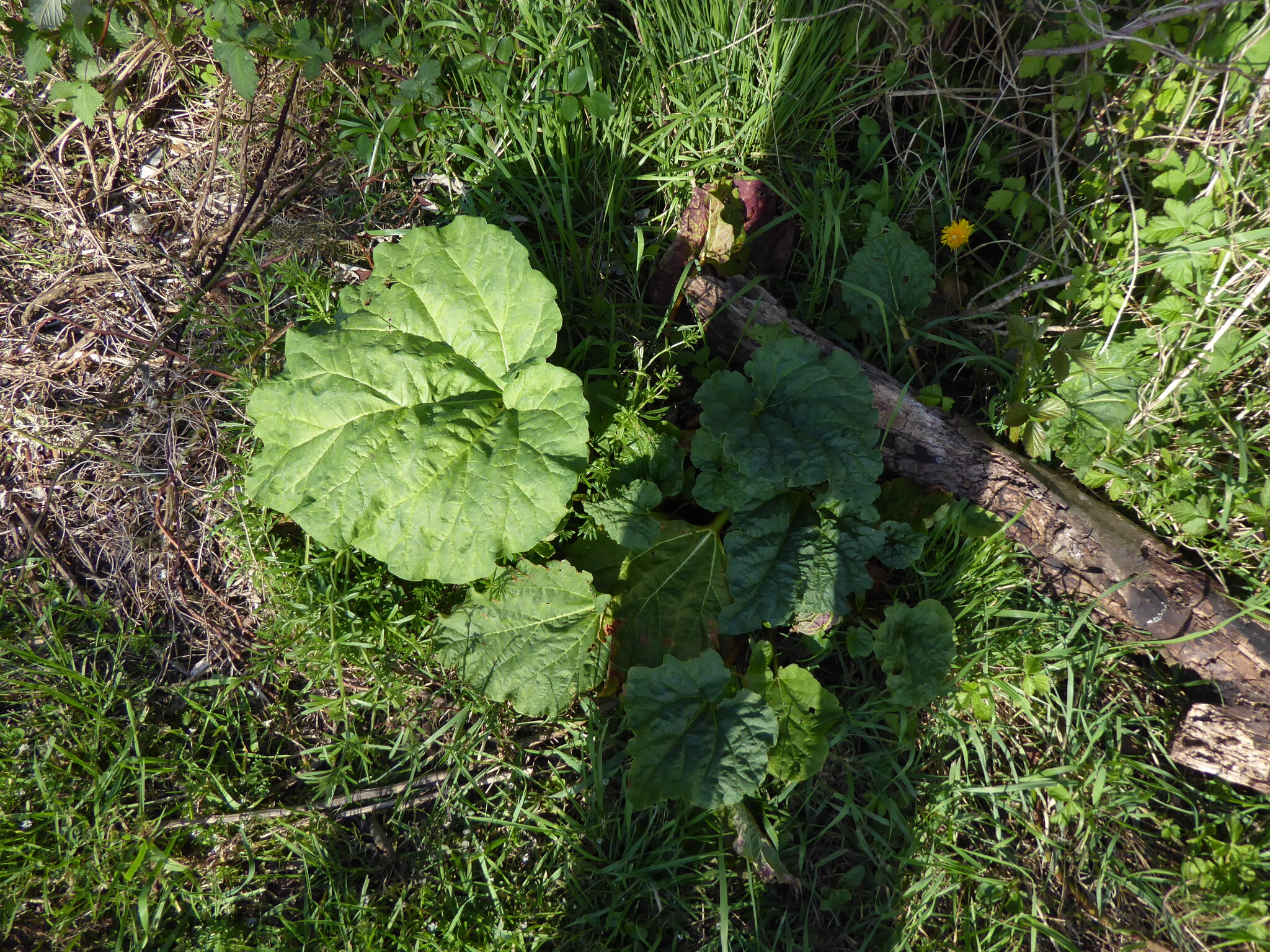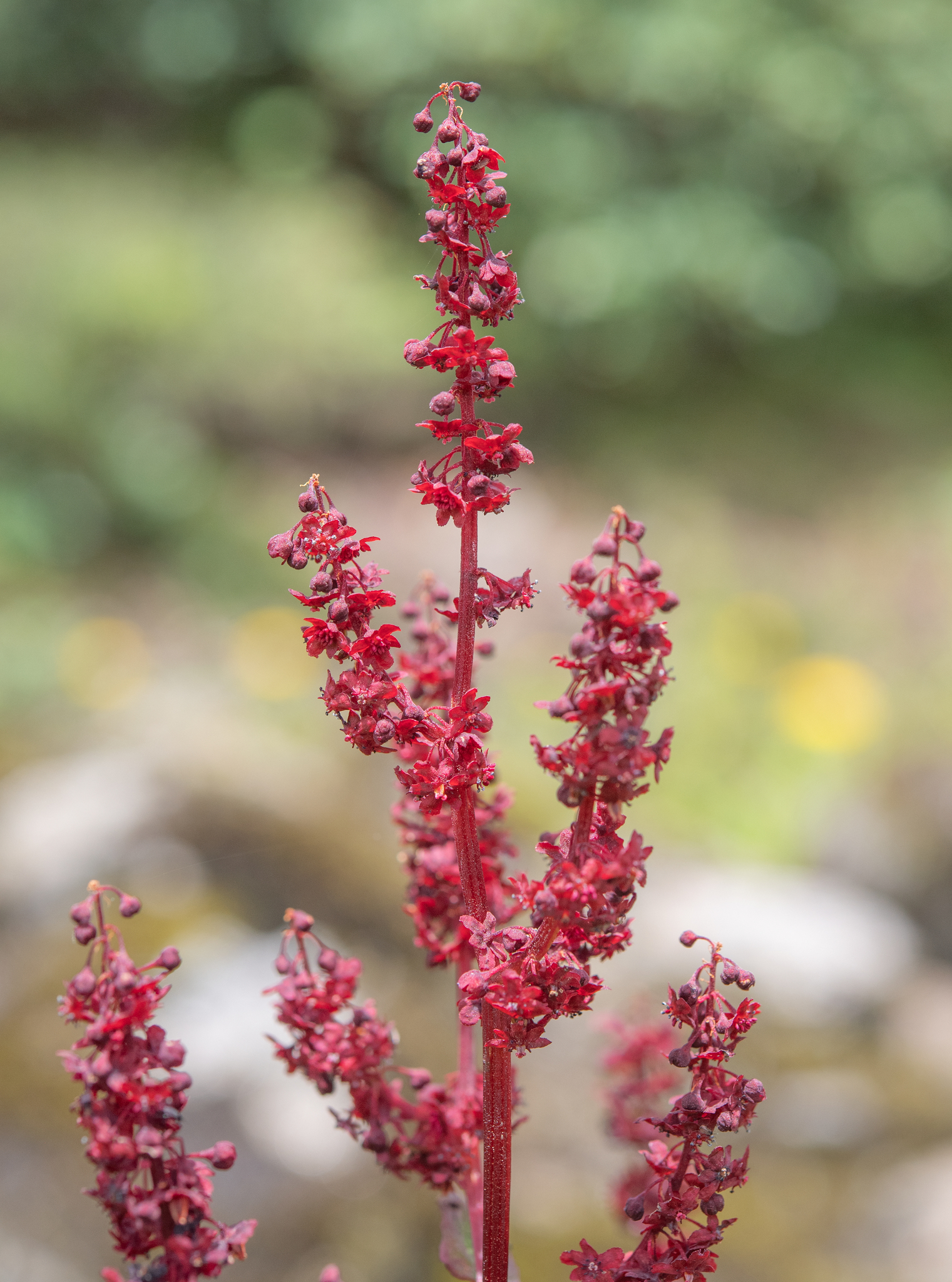
Rhubarb (Rheum × hybridum)

Rhubarb (Rheum × hybridum) is a hardy perennial vegetable grown for its tart, edible leaf stalks, prized for pies, jams, and sauces.

Above information is sourced from Wikipedia

Sunlight

Full Sun to Partial Shade

Watering

Consistent Moisture

Soil

Deep, fertile, well-drained loam

Temperature

Cool to Moderate

Habitat

Outdoor

Fertilizer

Moderate

Care Requirements

Light

Full Sun to Partial Shade

Prefers at least six hours of direct sunlight daily for best growth and yield.

Watering

Consistent Moisture

Keep soil evenly moist, especially during dry periods.

Soil

Deep, fertile, well-drained loam

Temperature

Cool to Moderate

Prefers cooler climates and requires a period of winter chill for dormancy and best spring growth.

Habitat

Outdoor

Fertilizer

Moderate

Benefits from annual feeding with compost or organic fertilizer in spring.

Plant Overview

Plant Category

Vegetable

Plant Place Type

Garden, Pot

Plant Environment

Outdoor

Lifespan

Perennial

Plant Height

0.6-2.0 m

Spread

0.6-1.5 m

Growth Rate

Moderate

Dormancy

Yes

Leaf Color

Green

Leaf Type

Lobed

Flower Size

1-5 cm

Optimal Sunlight Lux

60000

Image Gallery

Flowering & Fruiting Cycles

Monthly activity intensity for bloom and fruit across both hemispheres.

Northern hemisphere

Flowering & fruiting calendar

Peak bloom · MayPeak fruit · Jul
FloweringFruiting
02468JanFebMarAprMayJunJulAugSepOctNovDecActivity intensityMonths75
Southern hemisphere

Flowering & fruiting calendar

Peak bloom · AugPeak fruit · Sep
FloweringFruiting
02468JanFebMarAprMayJunJulAugSepOctNovDecActivity intensityMonths75
Taxonomy
  • kingdomPlantae
  • divisionTracheophyta
  • classMagnoliopsida
  • orderCaryophyllales
  • familyPolygonaceae
  • genusRheum
  • speciesRheum × hybridum
Toxicity

Toxic for humans

Yes

Rating: 5/5

Toxic for pets

Yes

Rating: 5/5

Edible

Yes

Leaves and roots are toxic due to high oxalic acid content.

Additional Care Tips

Rhubarb thrives in consistently moist soil. Water deeply and regularly, especially during dry spells, ensuring the soil doesn't completely dry out. Aim for about 2.5 cm of water per week. Mulching around the base helps retain soil moisture and suppress weeds.

Remove any dead, damaged, or diseased stems at any time of year. In late autumn or winter, after the foliage has died back, cut all remaining stems down to ground level. This tidies the plant and removes potential overwintering sites for pests and diseases.

Rhubarb is typically propagated by division of established clumps in early spring or late autumn. Carefully dig up the clump, divide it into sections with at least one bud and a good root system, and replant them immediately in well-prepared soil. Seeds can be sown but may not come true to type.

Rhubarb is a perennial plant that grows best when left undisturbed in the ground for many years. Repotting is generally not necessary for mature plants in garden settings. If starting from divisions or young plants, ensure they are planted in their permanent location with ample space.

FAQs

When is the best time to harvest rhubarb?

Harvest rhubarb stalks when they are between 20-30 cm long and firm, typically from spring to early summer. Avoid harvesting too much in the first year to allow the plant to establish.

How do I care for rhubarb plants?

Rhubarb prefers well-drained soil and a sunny to partially shaded location. Water regularly, especially during dry periods, and mulch annually to retain moisture and suppress weeds.

Can rhubarb be grown from seed?

While rhubarb can be grown from seed, it is more commonly propagated by dividing established crowns. Seed-grown plants may not come true to type and take longer to mature.

Why are my rhubarb stalks thin and weak?

Thin or weak stalks can be caused by insufficient sunlight, poor soil fertility, or over-harvesting. Ensure the plant has adequate nutrients, water, and light, and avoid harvesting excessively.

Is rhubarb poisonous?

The leaf stalks of rhubarb are edible and safe to consume. However, the leaves contain high levels of oxalic acid and are poisonous, so they should never be eaten.