Robin's Plantain Outdoor Care Guide (Erigeron pulchellus) | ePlant AI
Robin's Plantain (Erigeron pulchellus)
Robin's Plantain (Erigeron pulchellus) is a low-growing perennial wildflower native to eastern North America, featuring daisy-like flowers.
Erigeron pulchellus, commonly known as Robin's Plantain, is a charming perennial wildflower native to eastern North America. It is a member of the Asteraceae family, which includes a vast array of flowering plants, and is recognized for its attractive, daisy-like flowers and its role in supporting local ecosystems. This species is valued in naturalistic gardens for its ease of cultivation and its ability to naturalize, creating drifts of color in woodland settings and meadows.
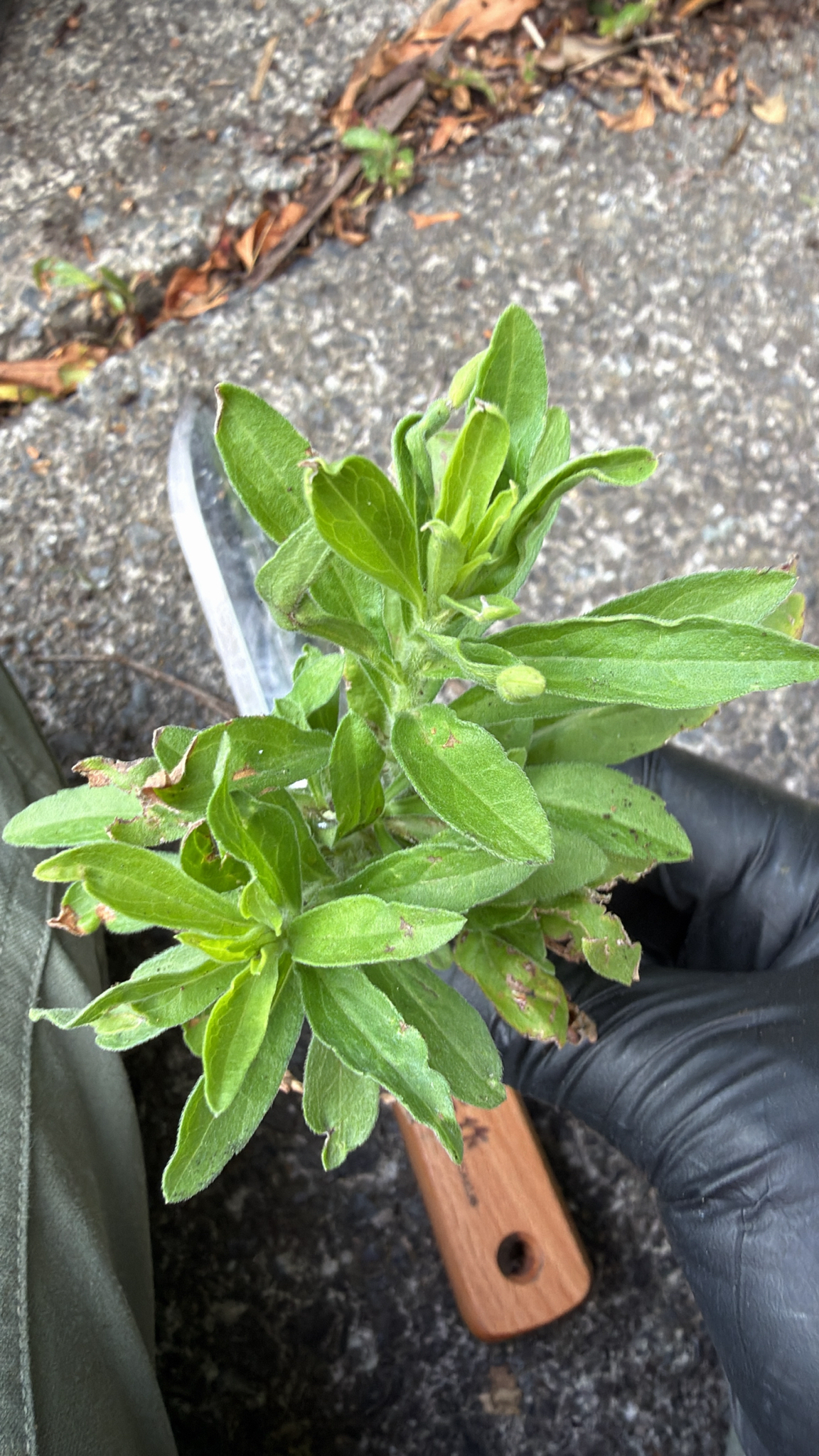
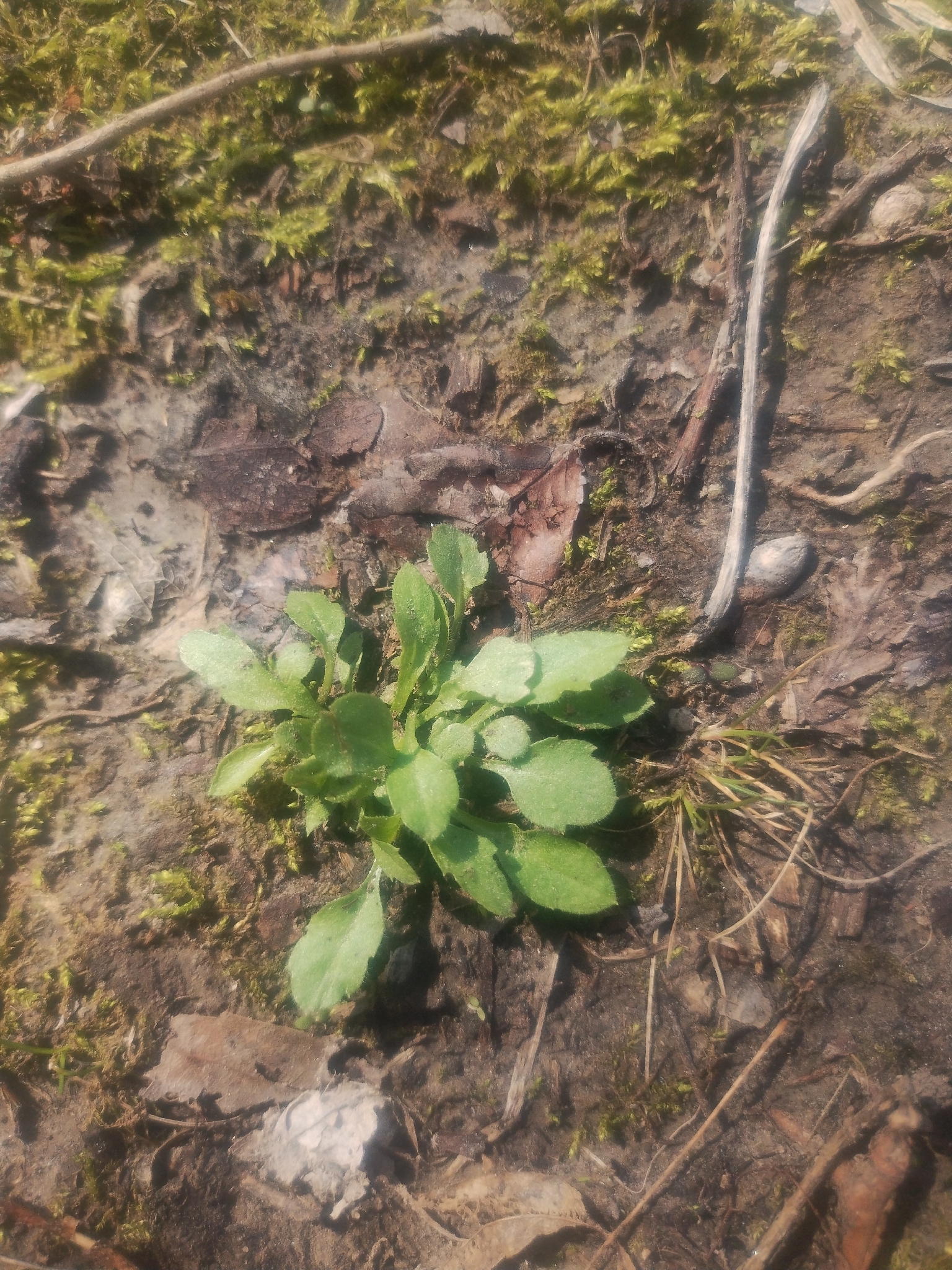
Robin's Plantain typically grows as a basal rosette of leaves from which one or more flowering stems emerge. These stems are usually erect and can reach heights of 15 to 60 centimeters, though they can sometimes be shorter or taller depending on growing conditions. The leaves are a prominent feature, with basal leaves being spatulate to oblanceolate, often with a somewhat wavy margin, and covered in soft hairs. Stem leaves are generally smaller, alternate, and sessile, becoming progressively reduced towards the apex of the stem. The plant's overall habit is clump-forming, with the basal rosette persisting through the winter in many areas.
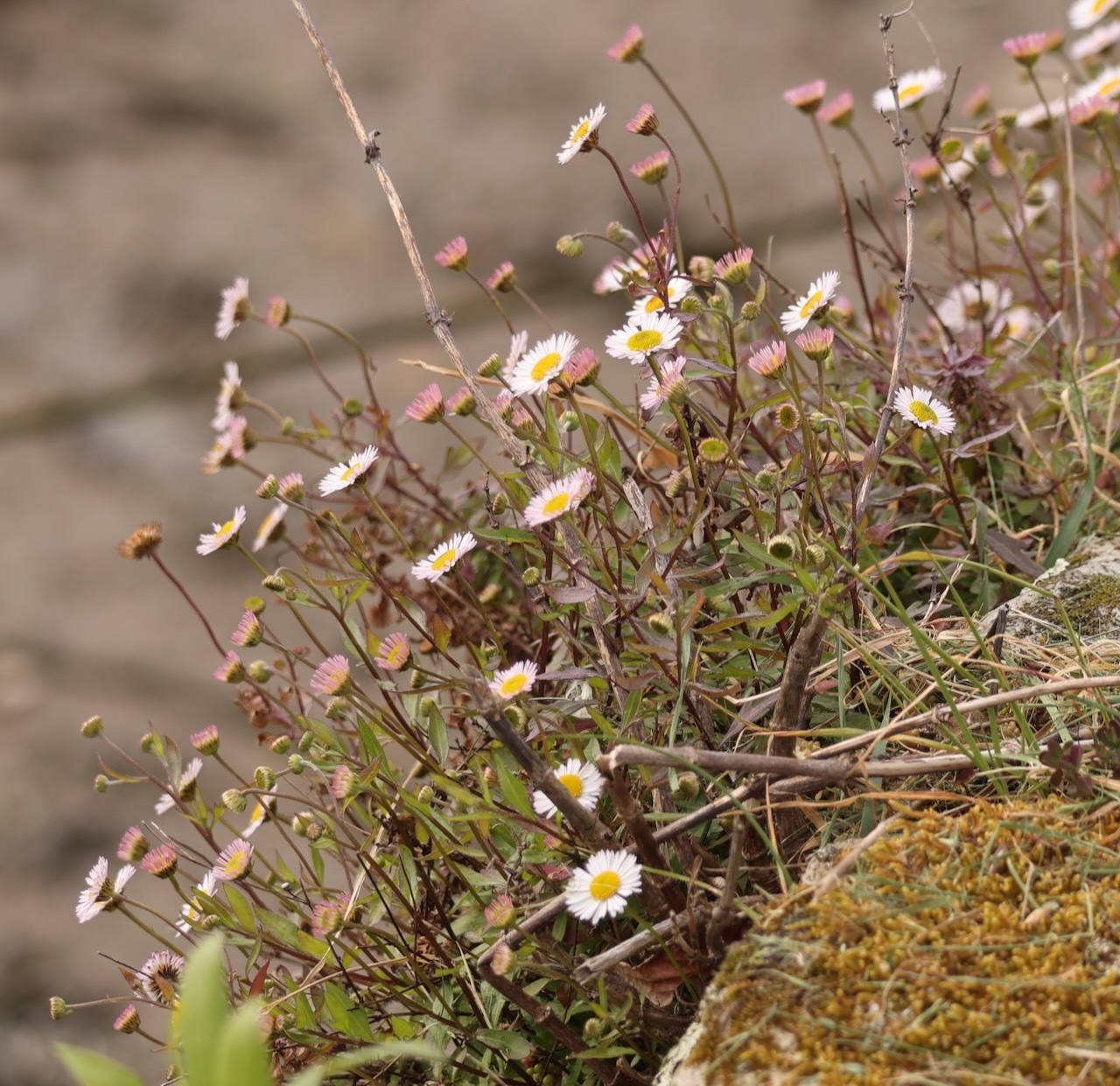
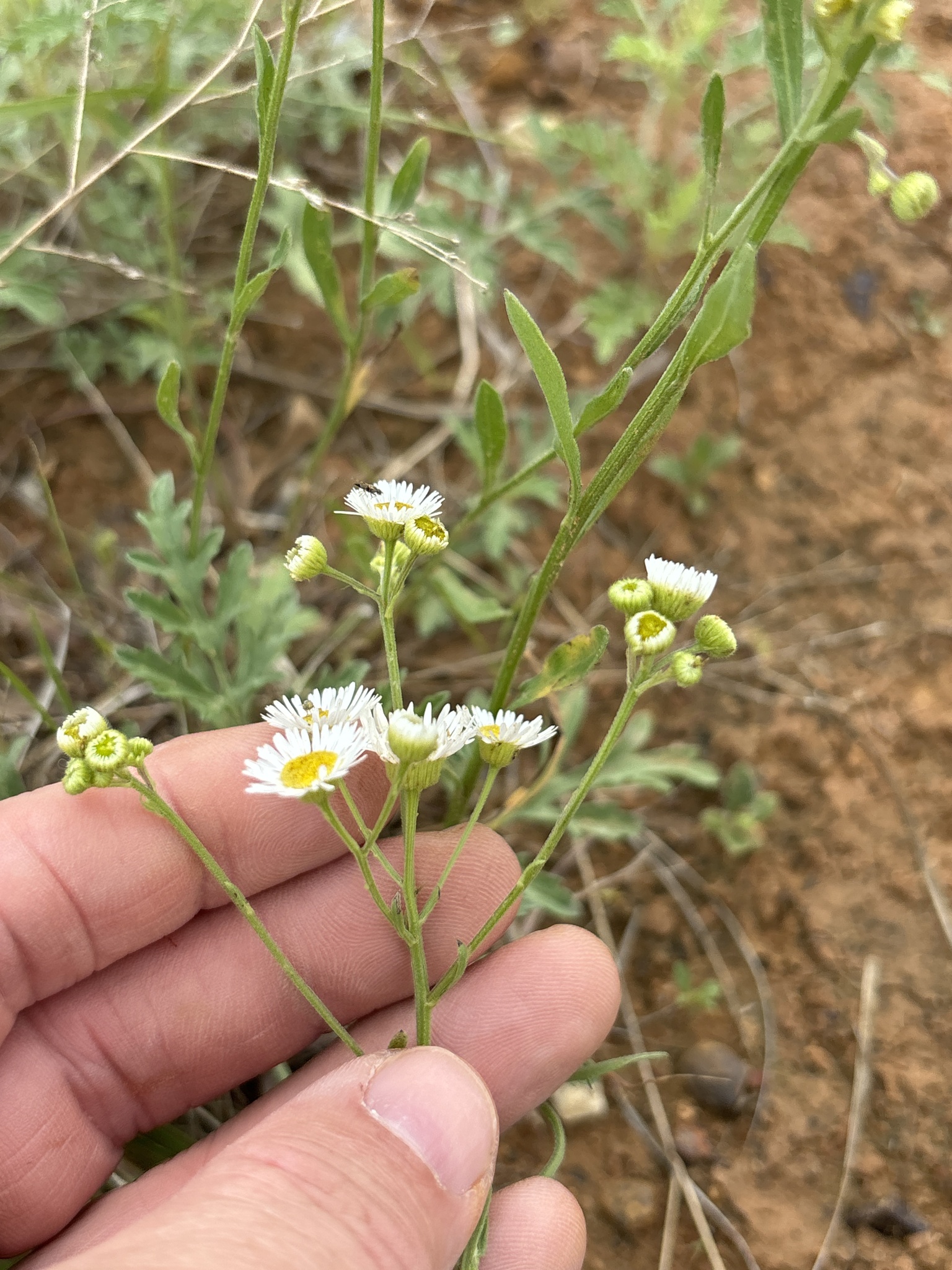
The flowers of Erigeron pulchellus are its most striking characteristic. They are solitary or borne in loose clusters at the stem tips and resemble small daisies, typically measuring 2 to 3 centimeters in diameter. Each flower head features numerous ray florets, which are usually white, pale pink, or lavender, radiating from a central disk composed of many small, yellow, tubular disk florets. The blooming period generally occurs from spring into early summer, with peak flowering often in May and June. Following successful pollination, the plant produces small, achene-like fruits, each topped with a pappus of bristles, which aids in wind dispersal.
Erigeron pulchellus is widely distributed across the eastern United States and southeastern Canada. It thrives in a variety of natural habitats, including open woodlands, forest edges, rocky slopes, meadows, and disturbed areas. It prefers well-drained soils and can tolerate a range of light conditions, from full sun to partial shade. While it is adaptable, it often performs best in moist, loamy soils. In cultivation, it is a low-maintenance plant that requires minimal care once established, making it suitable for both novice and experienced gardeners.
This species plays a role in supporting native insect populations, particularly pollinators such as bees and butterflies, which are attracted to its nectar-rich flowers. While not widely cultivated for culinary or medicinal purposes, its ornamental value is significant, contributing to the biodiversity and aesthetic appeal of native plant landscapes. The plant's ability to self-seed and spread gently makes it an excellent choice for naturalizing in suitable environments, creating a naturalistic and ecologically beneficial groundcover. Its resilience and attractive floral display make Erigeron pulchellus a valuable addition to gardens aiming to replicate native plant communities.
Moderate watering needed. Allow soil to dry slightly between waterings.
Soil
Prefers well-drained, average to fertile soils.
Temperature
Thrives in moderate temperatures.
Habitat
Outdoor
Fertilizer
Light feeding in spring is usually sufficient.
Care Requirements
Light
Prefers full sun to partial shade.
Can tolerate a range of light conditions.
Water
Moderate watering needed. Allow soil to dry slightly between waterings.
Water regularly, especially during dry periods.
Soil
Prefers well-drained, average to fertile soils.
Temperature
Thrives in moderate temperatures.
Ideal growing range is 15-25 °C.
Habitat
Outdoor
Fertilizer
Light feeding in spring is usually sufficient.
Avoid over-fertilizing.
Plant Overview
Plant Type
Herb
Plant Category
Flowering, Ornamental
Plant Place Type
Ground, Garden, Groundcover
Plant Environment
Outdoor
Lifespan
Perennials
Plant Height
0.15-0.4 m
Spread
0.3-0.6 m
Growth Rate
Moderate
Dormancy
Grows in spring and fall, may go semi-dormant in hot summer
Leaf Color
Green
Leaf Type
Basal rosette, ovate to spatulate
Flower Size
2-4 cm
Image Gallery
Flowering & Fruiting Cycles
Monthly activity intensity for bloom and fruit across both hemispheres.
Northern hemisphere
Flowering & fruiting calendar
Peak bloom · MayPeak fruit · Jul
FloweringFruiting
Southern hemisphere
Flowering & fruiting calendar
Peak bloom · AugPeak fruit · Sep
FloweringFruiting
Taxonomy
kingdomPlantae
divisionTracheophyta
classMagnoliopsida
orderAsterales
familyAsteraceae
genusErigeron
speciesErigeron pulchellus
Toxicity
Toxic for humans
No
Rating: 0/5
Toxic for pets
No
Rating: 0/5
Edible
No
Additional Care Tips
Provide consistent moisture, especially during establishment and dry spells. Avoid waterlogged conditions, as this can lead to root rot. Water more frequently in hot, dry weather.
Deadhead spent flowers to encourage reblooming and maintain a tidy appearance. Cut back the plant in late fall or early spring to remove dead foliage and promote new growth. Minimal pruning is otherwise required.
Easily propagated by division in early spring or fall. Seeds can be sown in fall or stratified and sown in spring. Cuttings can also be taken in late spring.
If grown in a pot, repot every 2-3 years in spring into fresh potting mix. Ensure the new pot is only slightly larger than the previous one. Water thoroughly after repotting.
FAQs
When is the best time to plant Robin's Plantain?
Robin's Plantain is best planted in early spring or fall. This allows the roots to establish before extreme summer heat or winter cold.
How much water does Erigeron pulchellus need?
It requires moderate watering. Water regularly, allowing the soil to dry slightly between waterings, and avoid waterlogged conditions.
Can Robin's Plantain grow in full sun?
Yes, Erigeron pulchellus thrives in full sun but can also tolerate partial shade. In very hot climates, some afternoon shade is beneficial.
Is Robin's Plantain a good choice for attracting pollinators?
Absolutely. Its daisy-like flowers are a valuable nectar source for bees, butterflies, and other beneficial insects, making it a great addition to pollinator gardens.
How do I propagate Erigeron pulchellus?
Propagation is easy through division of established clumps in spring or fall. Seeds can also be sown in fall or stratified and sown in spring.