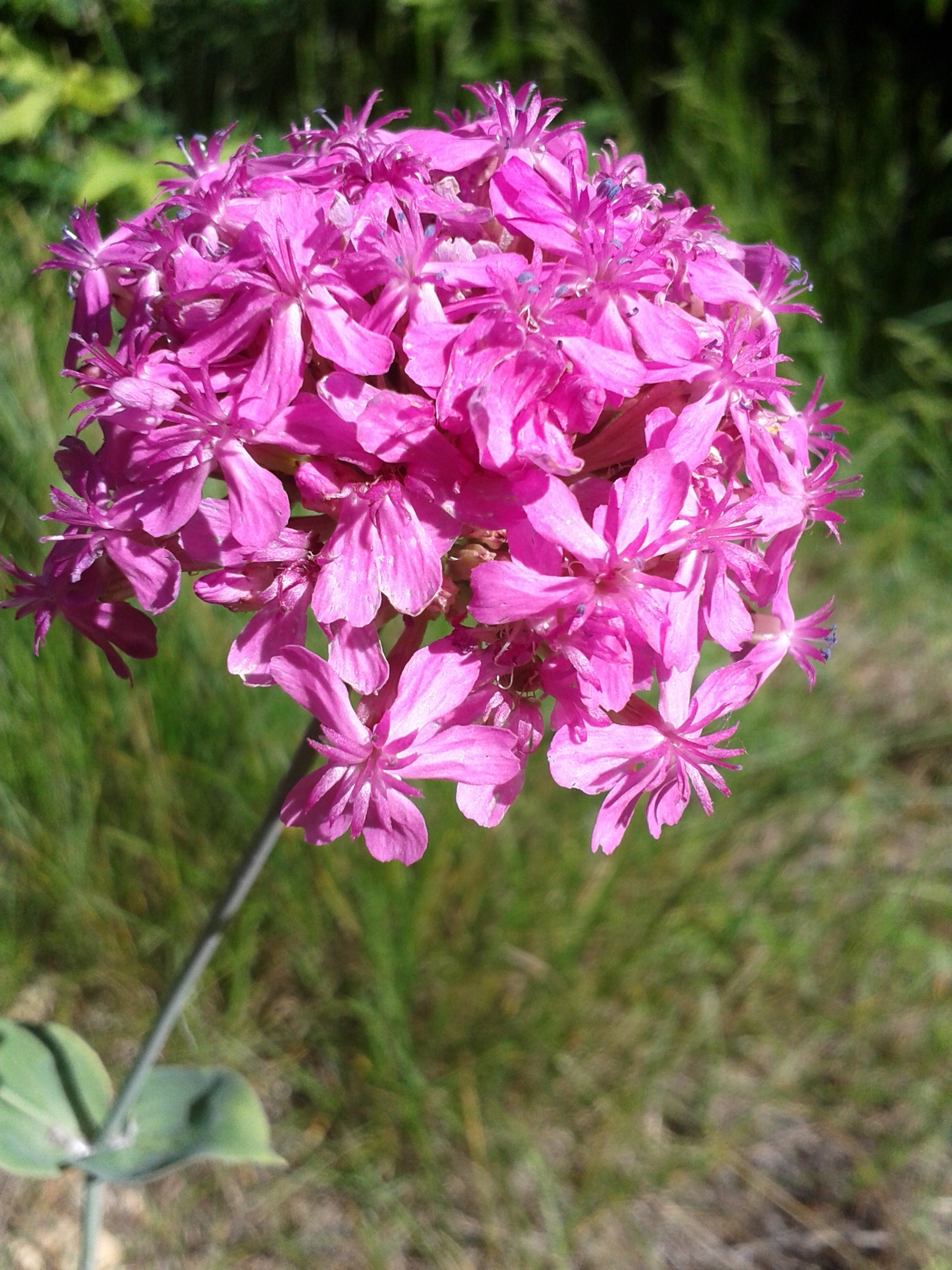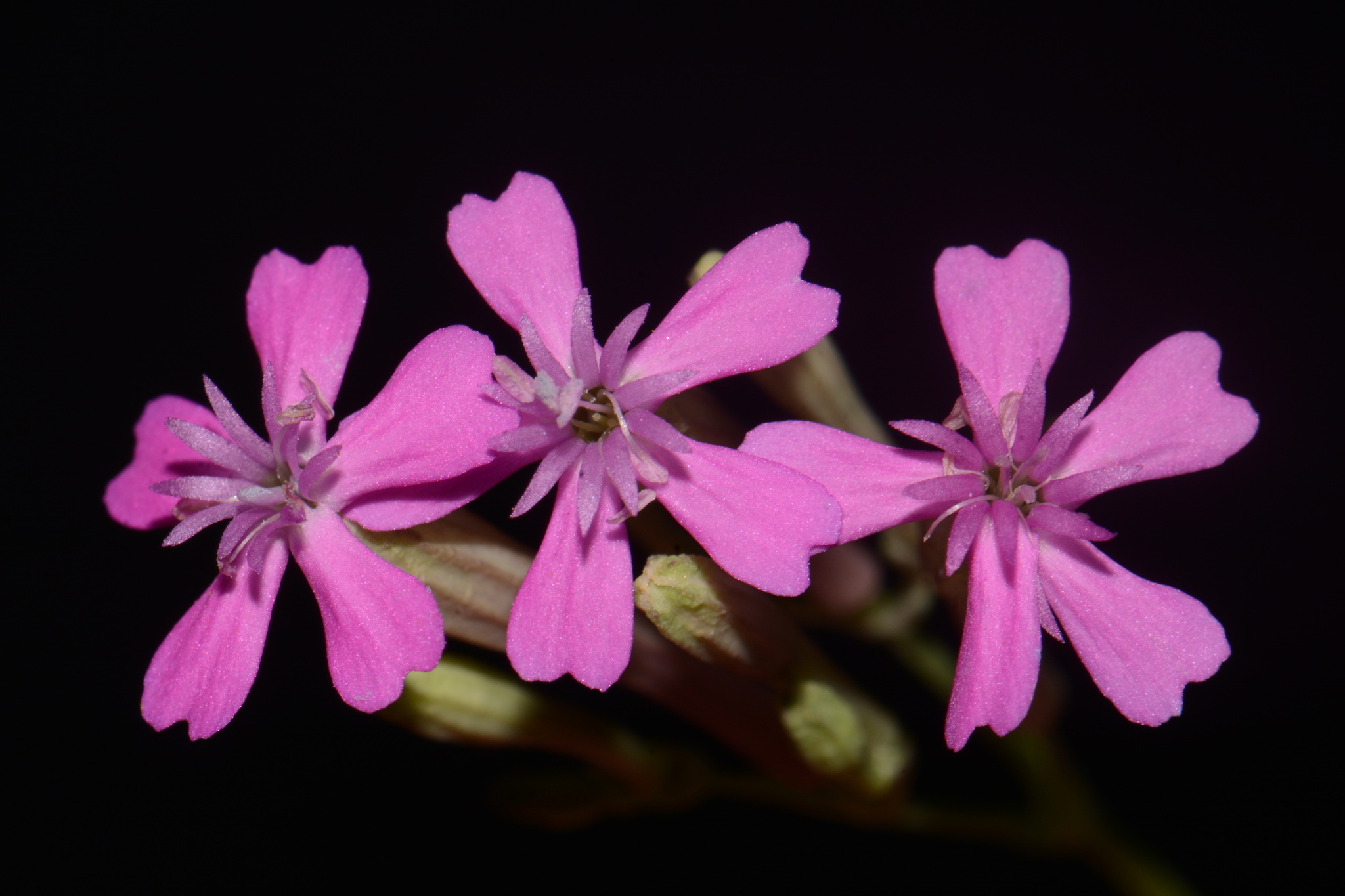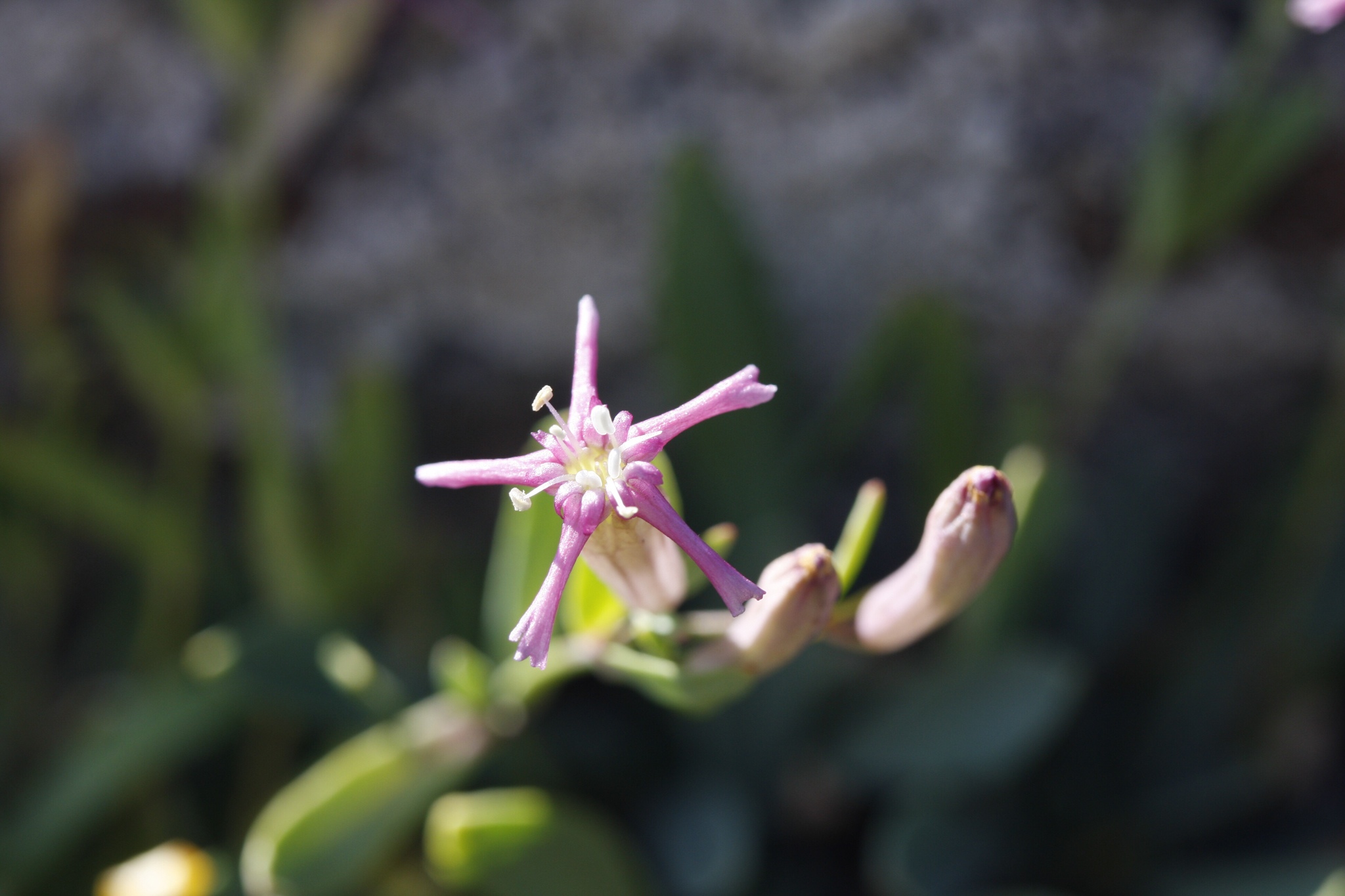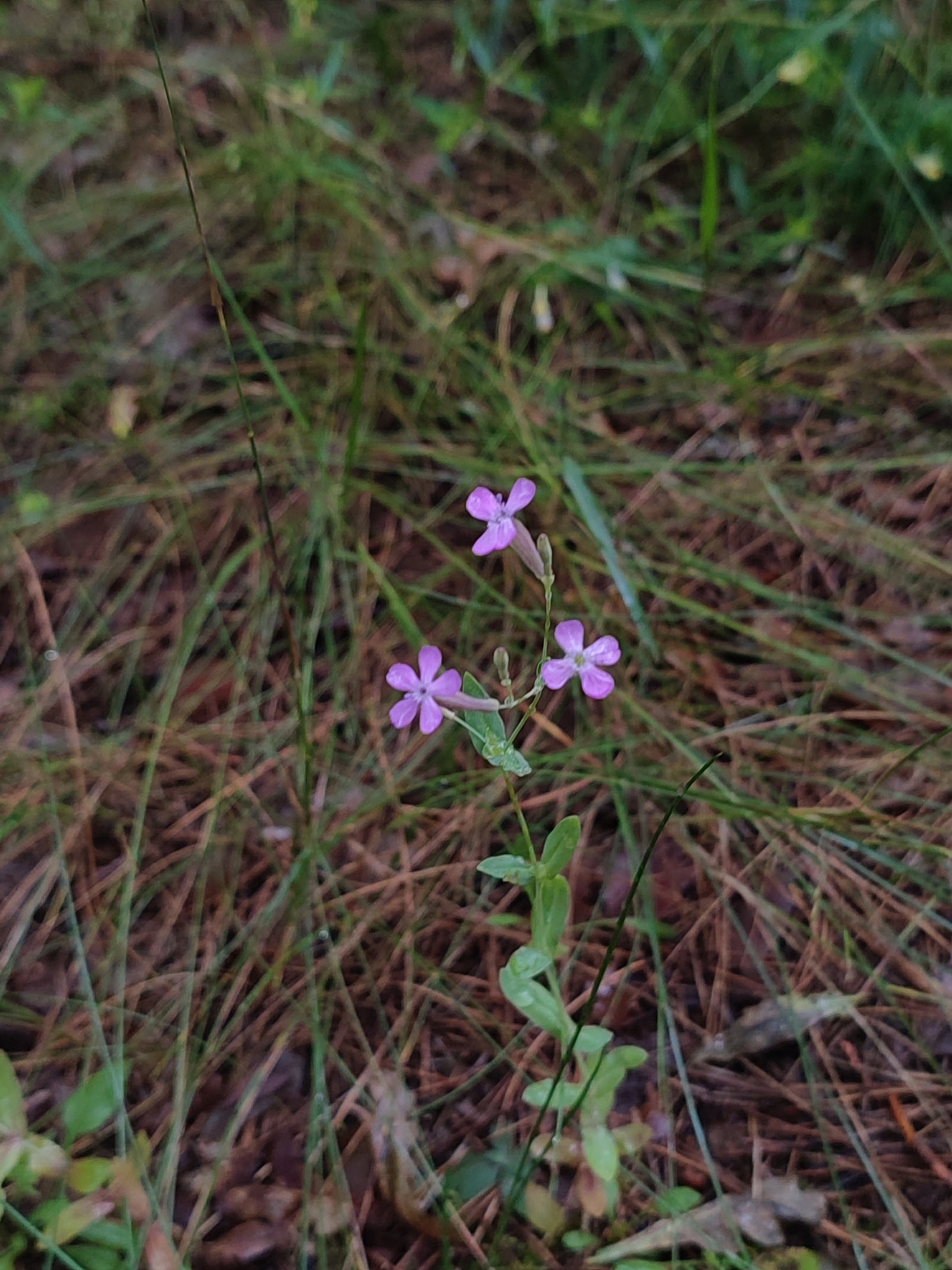
Rock Campion (Atocion rupestre) is a mat-forming perennial with grey-green foliage and delicate pink flowers. Ideal for rock gardens and dry walls.
Atocion rupestre, commonly known as Rock Campion, is a perennial herbaceous plant celebrated for its delicate beauty and resilience in challenging environments. This species belongs to the Caryophyllaceae family, a group often recognized for its characteristic five-petaled flowers. Rock Campion is valued in horticulture for its ornamental appeal, particularly in rock gardens and alpine settings where its compact growth and vibrant blooms can be showcased.
Physically, Atocion rupestre typically forms a low-growing, mounding habit, reaching a height of approximately 15 to 30 centimeters. Its stems are slender and often branched, supporting a dense arrangement of leaves. The foliage is generally linear to lanceolate, with a smooth texture and a grayish-green hue, contributing to the plant's somewhat glaucous appearance. The most striking feature of Rock Campion is its inflorescence, which bears solitary or clustered flowers. The petals are typically white or pale pink, deeply notched, giving them a fringed or divided appearance. These flowers are borne on slender pedicels, often held slightly above the foliage, creating an airy and graceful display. Following flowering, the plant develops small, ovoid capsules that contain numerous tiny seeds.
The native range of Atocion rupestre extends across parts of Europe, particularly in mountainous regions. It is commonly found in its natural habitat on rocky slopes, scree, and calcareous soils, thriving in well-drained conditions. This preference for rocky, exposed sites is reflected in its common name. In cultivation, Rock Campion performs best in full sun to partial shade, requiring a well-drained soil mix, often incorporating grit or sand to improve drainage. It is well-suited for rock gardens, alpine troughs, and border edges where its compact size and drought tolerance can be advantageous. While generally hardy, it benefits from protection in extremely cold climates.
Atocion rupestre holds significance primarily as an ornamental plant. Its ability to thrive in lean, rocky soils and its attractive floral display make it a popular choice for gardeners seeking to replicate natural alpine or rocky environments. The plant's adaptations to its native habitat, such as its compact growth form and tolerance to drought and poor soils, are key to its success. The notched petals are a distinctive characteristic within the Caryophyllaceae family, adding to its unique visual appeal. While not widely recognized for significant economic, medicinal, or culinary uses, its ecological role in its native habitats involves contributing to ground cover and providing a nectar source for pollinators. The seeds are small and numerous, facilitating dispersal in its natural, often windswept, environments.
At-a-glance light, water, soil, and growing conditions from plant data
Light
Full Sun
100% intensity
Prefers at least 6 hours of direct sunlight daily.
Water
Moderate
50% intensity
Allow soil to dry between waterings. Reduce in winter.
Soil
Well-drained, gritty, sandy soil
50% intensity
Temperature
Moderate
50% intensity
Prefers average room temperatures; tolerates some heat.
Fertilizer
Low
25% intensity
Fertilize sparingly in spring with a diluted balanced fertilizer.
Rock Campion Toxicity
Safety information from plant toxicity data
Toxicity details for Rock Campion
Attribute
Value
Toxic for humans
No
0/5 intensity
Toxic for pets
No
0/5 intensity
Edible
No
Rock Campion Quick Facts
Key traits and growing stats from plant data
Plant Category
Ornamental
Plant Place Type
Garden, Pot
Lifespan
Perennial
Plant Height
0.1-0.3 m
Spread
0.3-0.5 m
Growth Rate
Moderate
Dormancy
Semi-evergreen
Leaf Color
Green
Leaf Type
Ovate to oblong
Flower Size
2-3 cm
Optimal Sunlight Lux
60000
Care guide for Rock Campion
Watering, pruning, propagation, and repotting details from plant data
Water
Water regularly during the growing season, allowing the soil to dry out slightly between waterings. Reduce watering significantly in winter. Ensure good drainage to prevent root rot, especially in pots.
Overwatering can be detrimental to this plant's health.
Pruning
Prune after flowering to maintain a tidy shape and encourage a second bloom. Deadhead spent flowers regularly to prevent seed formation and promote continuous blooming.
Light pruning can also be done in early spring to remove any winter damage or leggy stems.
Propagation
Propagate by softwood cuttings taken in late spring or early summer. Seeds can also be sown in autumn or early spring, often requiring a period of cold stratification.
Division of established clumps in early spring is another effective method for propagation.
Repotting
Repot container-grown plants every two to three years, or when they become root-bound. Use a well-draining potting mix, preferably a gritty one. Repotting is best done in early spring before new growth begins.
Ensure the new pot has adequate drainage holes.
Identify plants like this with ePlant
Snap a photo to get care tips and match similar species on the go.