Rock-Lily (Arthropodium cirratum) – Growing Guide, Care & Benefits | ePlant AI
Rock-Lily (Arthropodium cirratum)
Rock Lily (Arthropodium cirratum) is an evergreen perennial native to New Zealand, known for its attractive foliage and delicate white flowers.
Arthropodium cirratum, commonly known as the Rock-Lily, is a distinctive perennial herb native to New Zealand. This plant holds a significant place in the flora of its homeland, often found gracing coastal cliffs and rocky outcrops, which contributes to its common name. Its resilience and attractive form make it a valued subject for horticultural interest and a subject of botanical study.
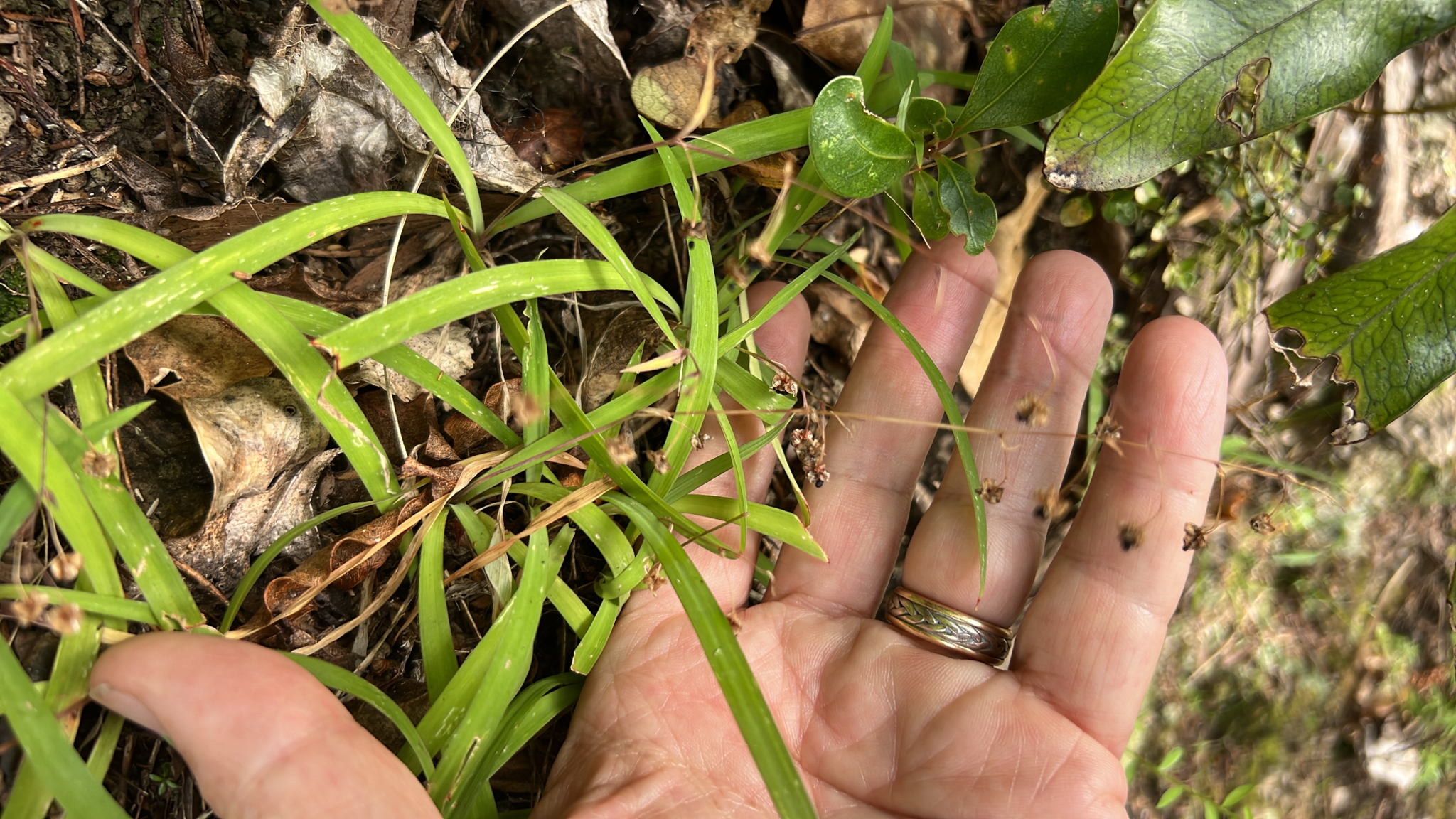
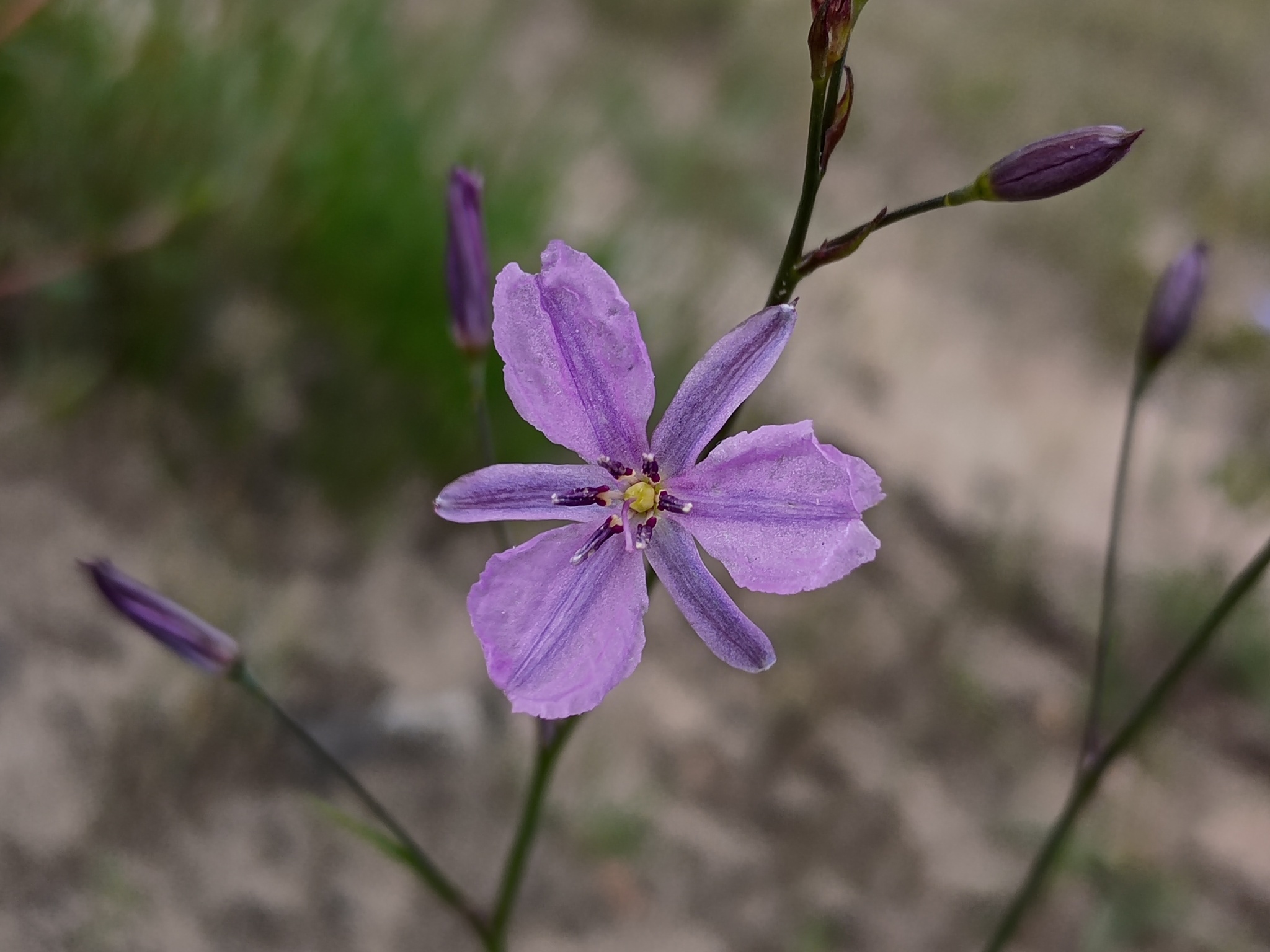
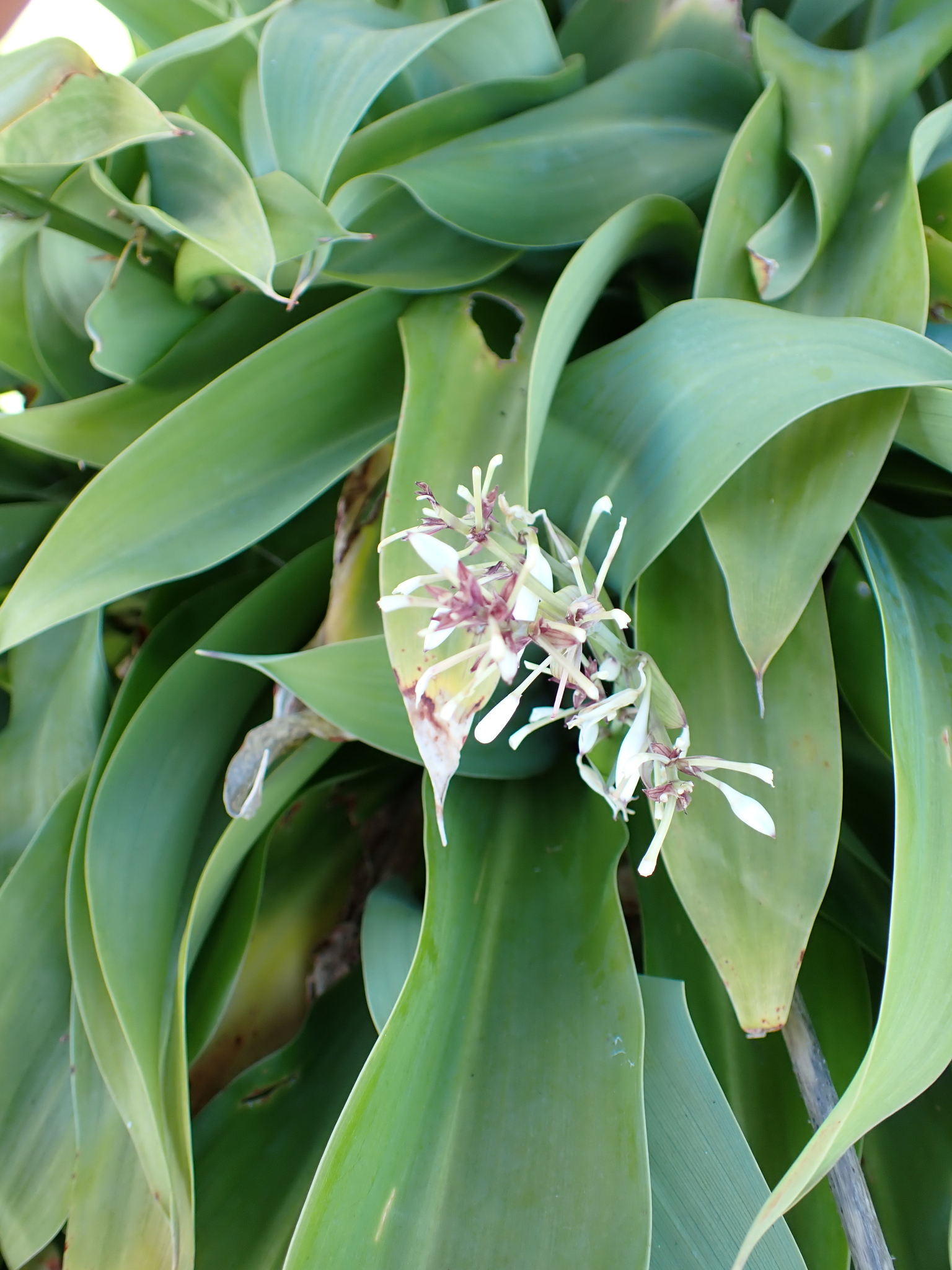
The Rock-Lily exhibits a clumping growth habit, forming dense rosettes of fleshy, strap-like leaves. These leaves are typically a vibrant green, often with a slightly glossy surface, and can reach lengths of up to 60 centimeters, though they are usually shorter. The plant's overall size can vary, but mature specimens typically form mounds about 30-60 centimeters in height and width. During its flowering season, which generally occurs in summer, Arthropodium cirratum produces elegant, arching flower stalks that rise above the foliage. These stalks bear clusters of delicate, star-shaped flowers. Each flower is usually white or pale lilac, with six tepals and prominent yellow stamens. The flowers are ephemeral, lasting only a day or two, but their profusion creates a striking display. Following flowering, small, fleshy, blue-black berries may develop, containing small, black seeds. The root system is fibrous and fleshy, contributing to the plant's ability to store water and nutrients.
Arthropodium cirratum is endemic to the North Island of New Zealand, where it thrives in its natural habitat of coastal areas, rocky shores, and open woodlands. It prefers well-drained soils and can tolerate a range of conditions, from full sun to partial shade. In cultivation, it is well-suited to temperate climates and is often grown in rock gardens, borders, or as a specimen plant. It requires moderate watering and benefits from protection from prolonged frost. Its tolerance for coastal conditions makes it a valuable plant for seaside gardens.
The Rock-Lily possesses a notable ecological role in its native environment, providing habitat and sustenance for certain invertebrates. While not widely cultivated for agricultural or medicinal purposes, its ornamental value is well-recognized. The plant's unique form and attractive flowers have made it a popular choice for gardeners seeking to introduce a touch of native New Zealand flora into their landscapes. Its ability to grow in challenging, exposed sites also highlights its adaptive capabilities. An interesting characteristic of Arthropodium cirratum is its ability to store water in its fleshy leaves and roots, an adaptation that allows it to survive periods of drought, particularly in its exposed coastal habitats. The delicate beauty of its flowers, despite their short lifespan, is a testament to the subtle elegance found within the plant kingdom.
Requires well-draining, fertile soil, rich in organic matter.
Temperature
Thrives in temperatures between 15-25°C.
Habitat
Outdoor, Indoor
Fertilizer
Feed with a balanced liquid fertilizer during the growing season.
Care Requirements
Light
Prefers bright, indirect light.
Can tolerate partial shade.
Water
Keep soil consistently moist but not waterlogged.
Reduce watering in cooler months.
Soil
Requires well-draining, fertile soil, rich in organic matter.
Temperature
Thrives in temperatures between 15-25°C.
Tolerates cooler temperatures but may go semi-dormant.
Habitat
Outdoor, Indoor
Fertilizer
Feed with a balanced liquid fertilizer during the growing season.
Every 4-6 weeks.
Plant Overview
Plant Type
Herb
Plant Category
Ornamental
Plant Place Type
Ground, Garden, Pot
Plant Environment
Outdoor, Indoor
Lifespan
Perennials
Plant Height
0.6-1 m
Spread
0.6-1 m
Growth Rate
Moderate
Dormancy
Semi-evergreen in cooler climates
Leaf Color
Green
Leaf Type
Simple
Flower Size
2-3 cm
Image Gallery
Flowering & Fruiting Cycles
Monthly activity intensity for bloom and fruit across both hemispheres.
Northern hemisphere
Flowering & fruiting calendar
Peak bloom · SepPeak fruit · Oct
FloweringFruiting
Southern hemisphere
Flowering & fruiting calendar
Peak bloom · MayPeak fruit · Mar
FloweringFruiting
Synonyms
Anthericum cirratum G.Forst.
Taxonomy
kingdomPlantae
divisionTracheophyta
classLiliopsida
orderAsparagales
familyAsparagaceae
genusArthropodium
speciesArthropodium cirratum
Toxicity
Toxic for humans
No
Rating: 0/5
Toxic for pets
No
Rating: 0/5
Edible
No
Additional Care Tips
Keep soil consistently moist during the growing season, allowing the top inch to dry out between waterings. Reduce watering in cooler months.
Remove spent flower stalks to encourage further blooming and maintain a tidy appearance. Trim any dead or damaged foliage as needed.
Easily propagated by division of clumps in spring or by seed sown fresh. Seed-grown plants may take longer to mature.
Repot container-grown plants every 2-3 years in spring when they become root-bound. Use fresh, well-draining potting mix.
FAQs
How often should I water my Rock Lily?
Water regularly to keep the soil consistently moist but not waterlogged. Allow the top inch of soil to dry out between waterings, and reduce watering in winter.
What kind of light does Arthropodium cirratum need?
It prefers bright, indirect light. While it can tolerate partial shade, it may produce fewer flowers in deep shade.
Can Rock Lilies be grown indoors?
Yes, Rock Lilies can be grown indoors as houseplants, provided they receive adequate bright, indirect light and consistent moisture.
When is the best time to divide Rock Lilies?
The best time to divide Rock Lilies is in the spring as new growth begins to emerge. This helps the plant establish quickly.
Are Rock Lilies toxic to pets?
No, Arthropodium cirratum is not considered toxic to pets, making it a safe choice for households with cats and dogs.