Rocky Mountain Blue Columbine (Aquilegia saximontana) – Benefits, Growing Guide & Care | ePlant AI
Rocky Mountain Blue Columbine (Aquilegia saximontana)
Aquilegia saximontana, the Rocky Mountain Blue Columbine, is a perennial wildflower native to the Rocky Mountains, featuring delicate blue flowers and compact growth.
Aquilegia saximontana, commonly known as the Rocky Mountain Blue Columbine, is a captivating perennial wildflower native to the high elevations of the Rocky Mountains. This species holds a special place in the alpine flora of its region, often found gracing rocky slopes and alpine meadows. Its significance lies in its adaptation to harsh, exposed environments and its striking floral display, which contributes to the biodiversity of its native ecosystem.
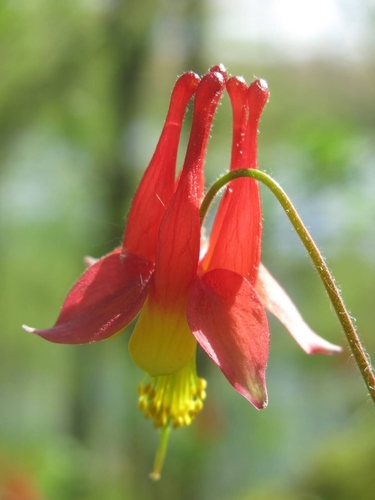
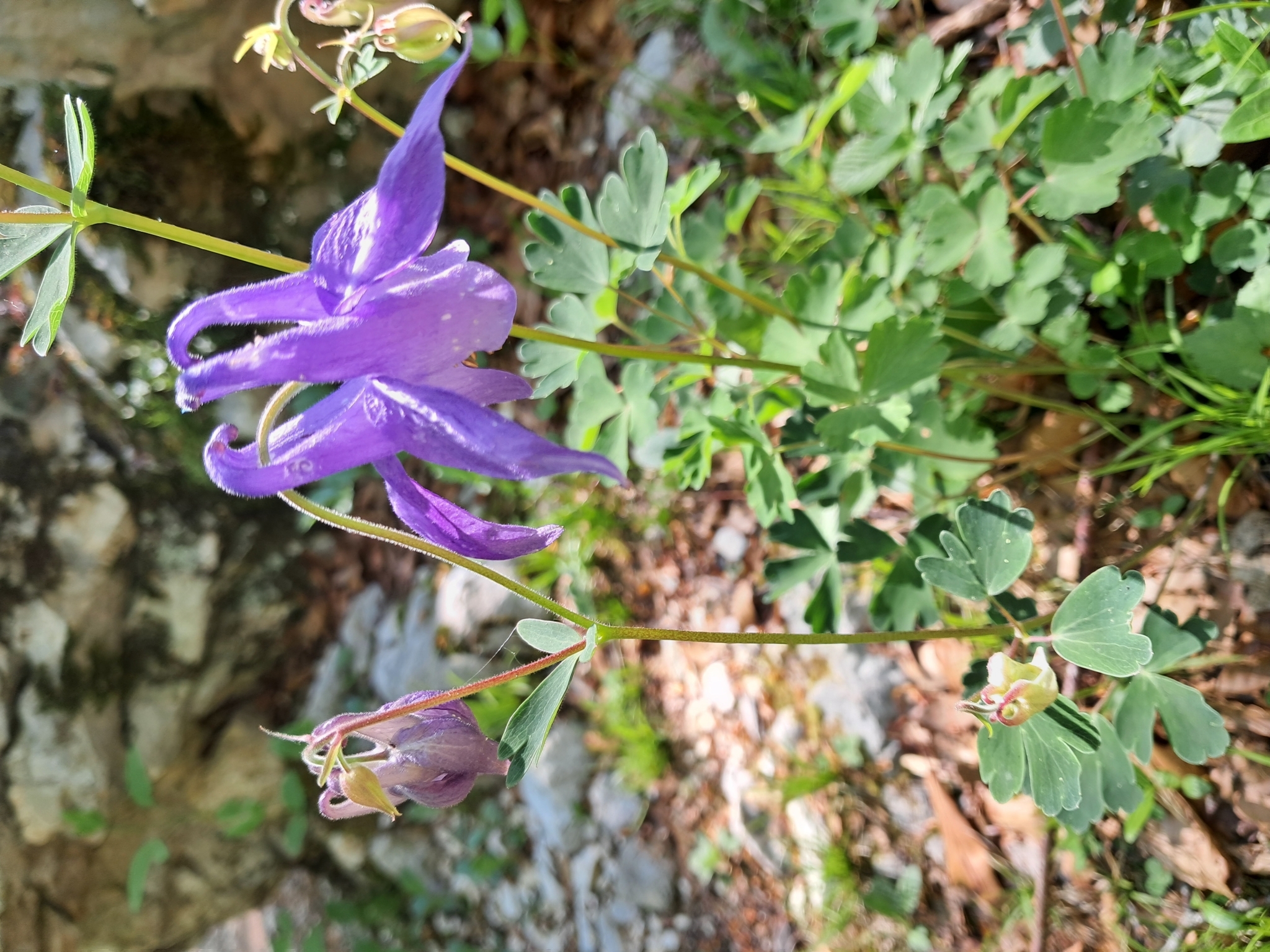
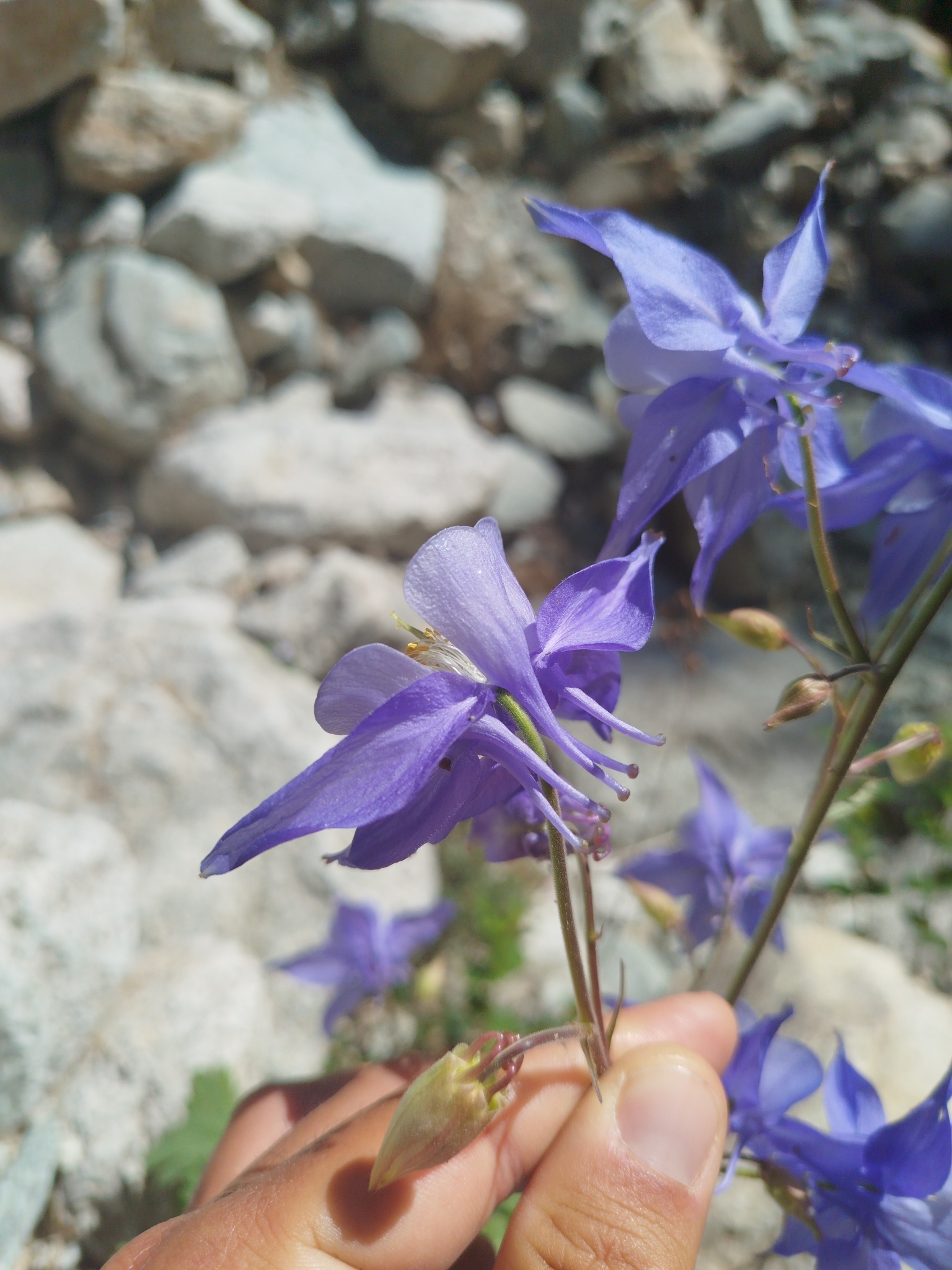
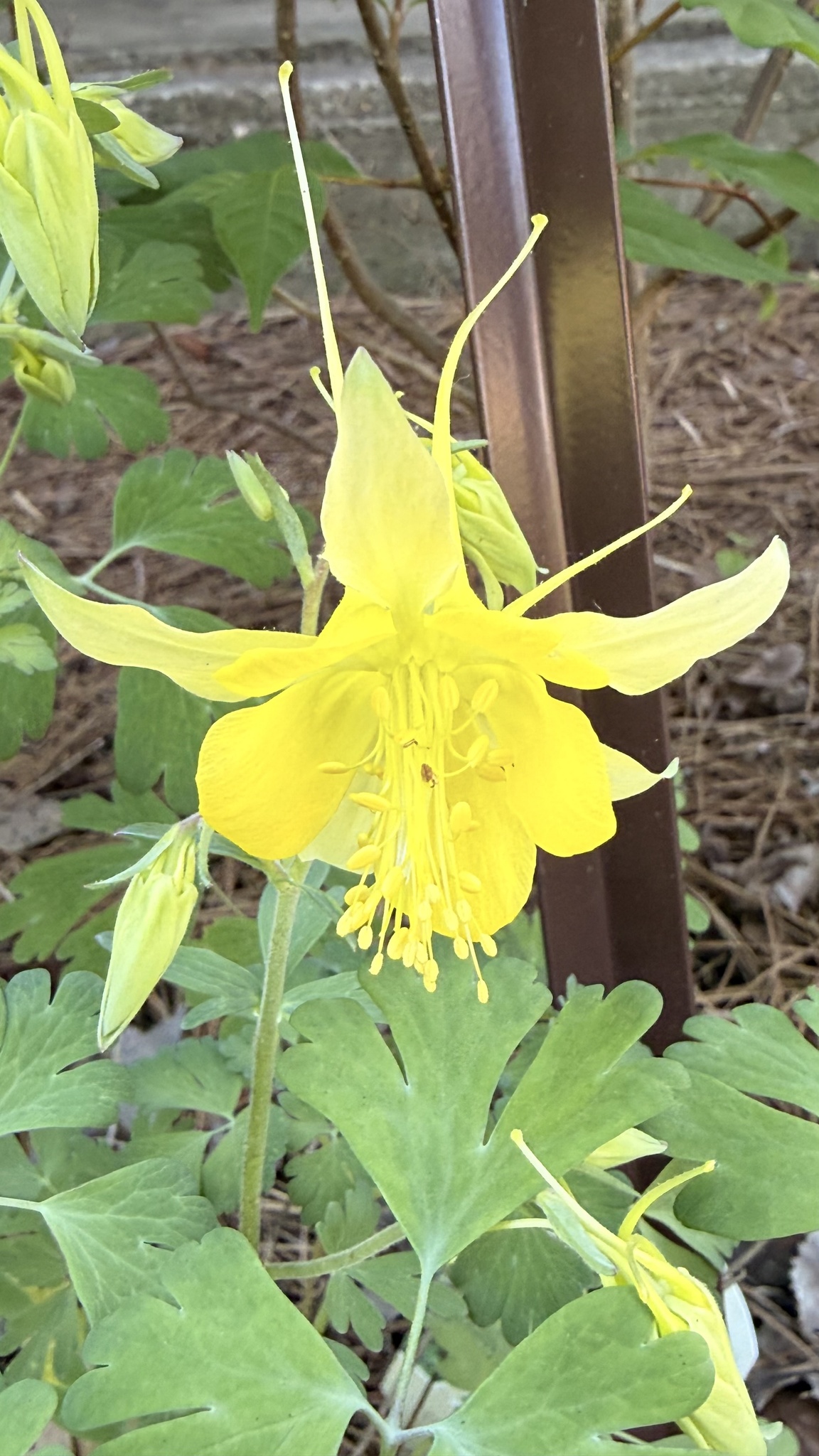
The growth habit of Aquilegia saximontana is typically compact and clumping, forming a basal rosette of deeply lobed leaves from which flower stalks emerge. These plants generally reach a height of 15 to 30 centimeters, though they can occasionally grow taller depending on site conditions. The leaves are a distinctive blue-green color, finely divided into rounded, somewhat fleshy segments, giving them a somewhat fern-like appearance. The most prominent feature of Aquilegia saximontana is its exquisite flower. The blooms are typically a vibrant, clear sky blue, though variations in shade can occur. Each flower possesses the characteristic spurred petals of the columbine genus, with the spurs curving gracefully backward. These flowers are borne singly or in loose clusters atop slender stems, appearing in late spring to early summer. Following flowering, the plant produces small, upright seed capsules.
The native distribution of Aquilegia saximontana is confined to the Rocky Mountains, primarily in Colorado and extending into adjacent areas of Wyoming and possibly Utah. It thrives in alpine and subalpine zones, typically found at elevations ranging from 2,500 to 3,800 meters. Its natural habitat consists of open, rocky slopes, scree fields, alpine meadows, and along the edges of coniferous forests. It prefers well-drained soils, often in areas with significant sun exposure, though it can tolerate some partial shade. For cultivation, Aquilegia saximontana requires a well-drained, gritty soil mix and a sunny to partially shaded location. It is adapted to cooler climates and can be challenging to grow in hot, humid conditions. Adequate moisture is important, especially during establishment, but the soil must not remain waterlogged.
While not widely cultivated for commercial purposes, Aquilegia saximontana is valued ornamentally for its unique beauty and its ability to thrive in challenging alpine gardens. Its ecological role involves providing nectar for pollinators in its high-altitude environment. Interesting adaptations of this species include its ability to withstand strong winds and fluctuating temperatures characteristic of its mountainous home. The blue coloration of its flowers is thought to be an adaptation to attract specific pollinators active in its alpine habitat. The finely divided leaves likely help reduce water loss in exposed, windy conditions. The genus name Aquilegia is derived from the Latin word for eagle, referring to the spurred petals that resemble an eagle's talons.
Well-draining, loamy soil with a slightly acidic to neutral pH.
Temperature
Prefers cool to moderate temperatures.
Habitat
Outdoor
Fertilizer
Fertilize sparingly in spring.
Care Requirements
Light
Prefers full sun to partial shade.
Afternoon shade is beneficial in hot climates.
Water
Keep soil consistently moist but not waterlogged.
Water regularly, especially during dry spells.
Soil
Well-draining, loamy soil with a slightly acidic to neutral pH.
Temperature
Prefers cool to moderate temperatures.
Ideal growing range is 15-24 °C.
Habitat
Outdoor
Fertilizer
Fertilize sparingly in spring.
Use a balanced, slow-release fertilizer.
Plant Overview
Plant Type
Herb
Plant Category
Flowering, Ornamental
Plant Place Type
Ground, Garden
Plant Environment
Outdoor
Lifespan
Perennials
Plant Height
15-30 cm
Spread
20-40 cm
Growth Rate
Slow
Dormancy
Yes
Leaf Color
Green
Leaf Type
Compound
Flower Size
3-5 cm
Image Gallery
Flowering & Fruiting Cycles
Monthly activity intensity for bloom and fruit across both hemispheres.
Northern hemisphere
Flowering & fruiting calendar
Peak bloom · JunPeak fruit · Jul
FloweringFruiting
Southern hemisphere
Flowering & fruiting calendar
Peak bloom · AugPeak fruit · Sep
FloweringFruiting
Taxonomy
kingdomPlantae
divisionTracheophyta
classMagnoliopsida
orderRanunculales
familyRanunculaceae
genusAquilegia
speciesAquilegia saximontana
Toxicity
Toxic for humans
No
Rating: 0/5
Toxic for pets
No
Rating: 0/5
Edible
No
Additional Care Tips
Provide consistent moisture, especially during dry periods. Allow the soil surface to dry slightly between waterings. Avoid overwatering, which can lead to root rot.
Deadhead spent flowers to encourage more blooms and prevent self-seeding. Remove any dead or damaged foliage in late fall or early spring.
Easily propagated from fresh seeds sown in autumn or early spring. Division of established clumps in early spring is also effective.
Not typically repotted as it is a perennial grown in the ground. If grown in a container, repot in spring every 2-3 years into fresh soil.
FAQs
What is the best soil for Aquilegia saximontana?
Aquilegia saximontana thrives in well-draining, loamy soil with a slightly acidic to neutral pH. Good drainage is crucial to prevent root rot.
How often should I water Rocky Mountain Blue Columbine?
Water regularly to keep the soil consistently moist but not waterlogged. Allow the soil surface to dry slightly between waterings, and reduce watering during winter dormancy.
Can Aquilegia saximontana tolerate full sun?
Yes, it prefers full sun to partial shade. In very hot climates, providing afternoon shade can help prevent stress and prolong blooming.
How do I propagate Aquilegia saximontana?
Propagation is best done from fresh seeds sown in autumn or early spring. Established plants can also be divided in early spring.
Is Aquilegia saximontana poisonous to pets?
No, Aquilegia saximontana is not considered poisonous to pets. However, it is always best to prevent pets from ingesting any plant material.