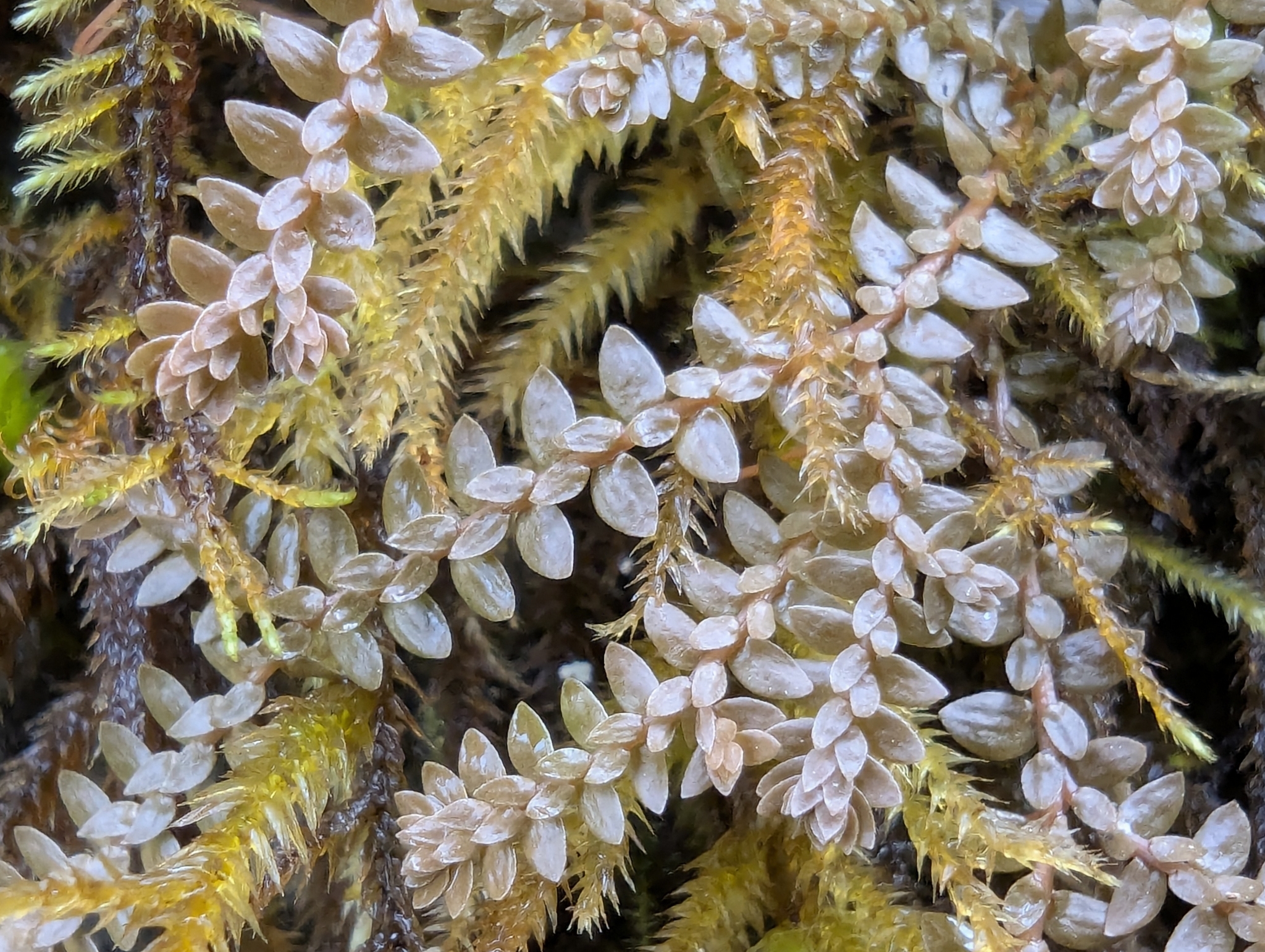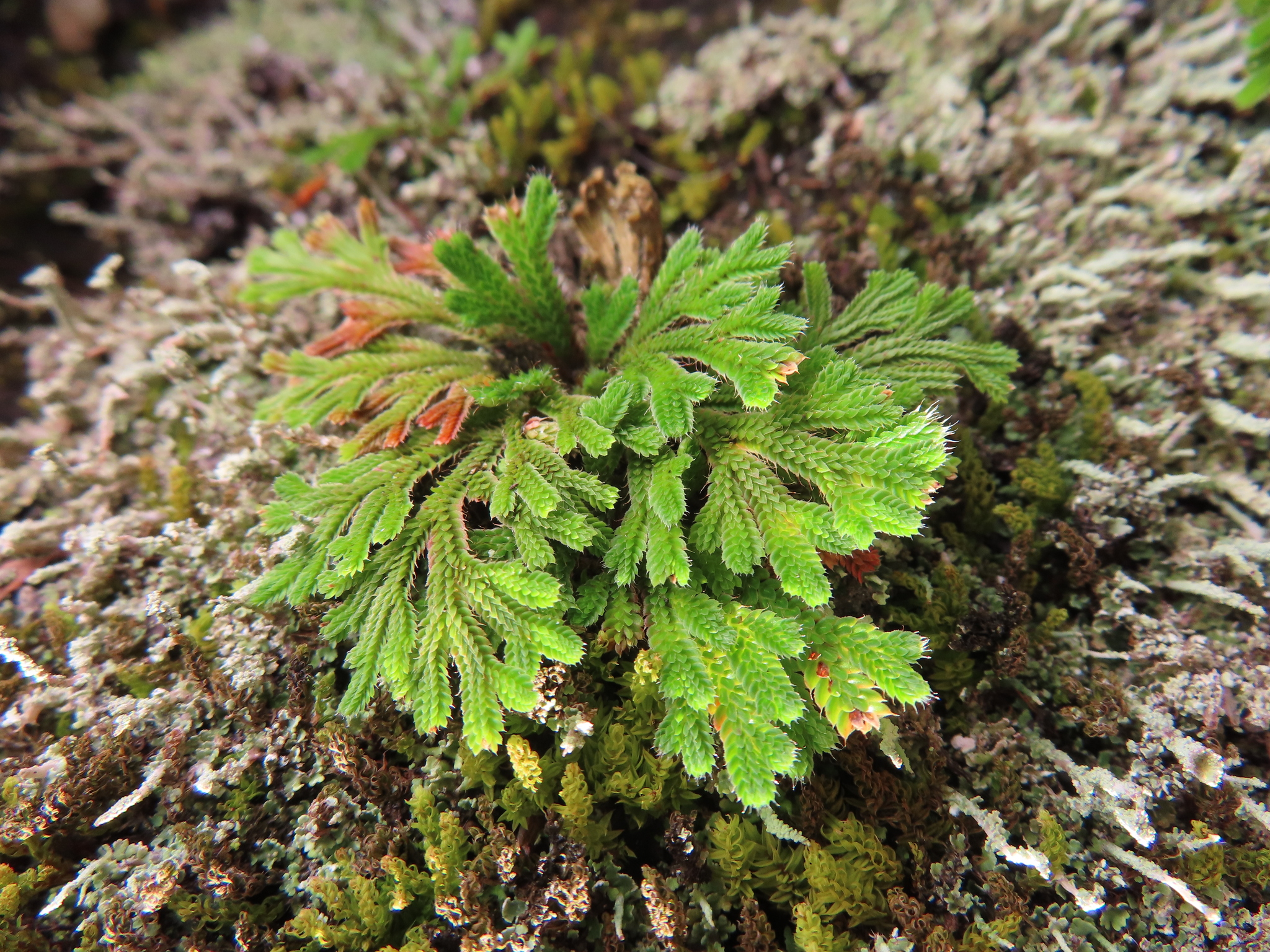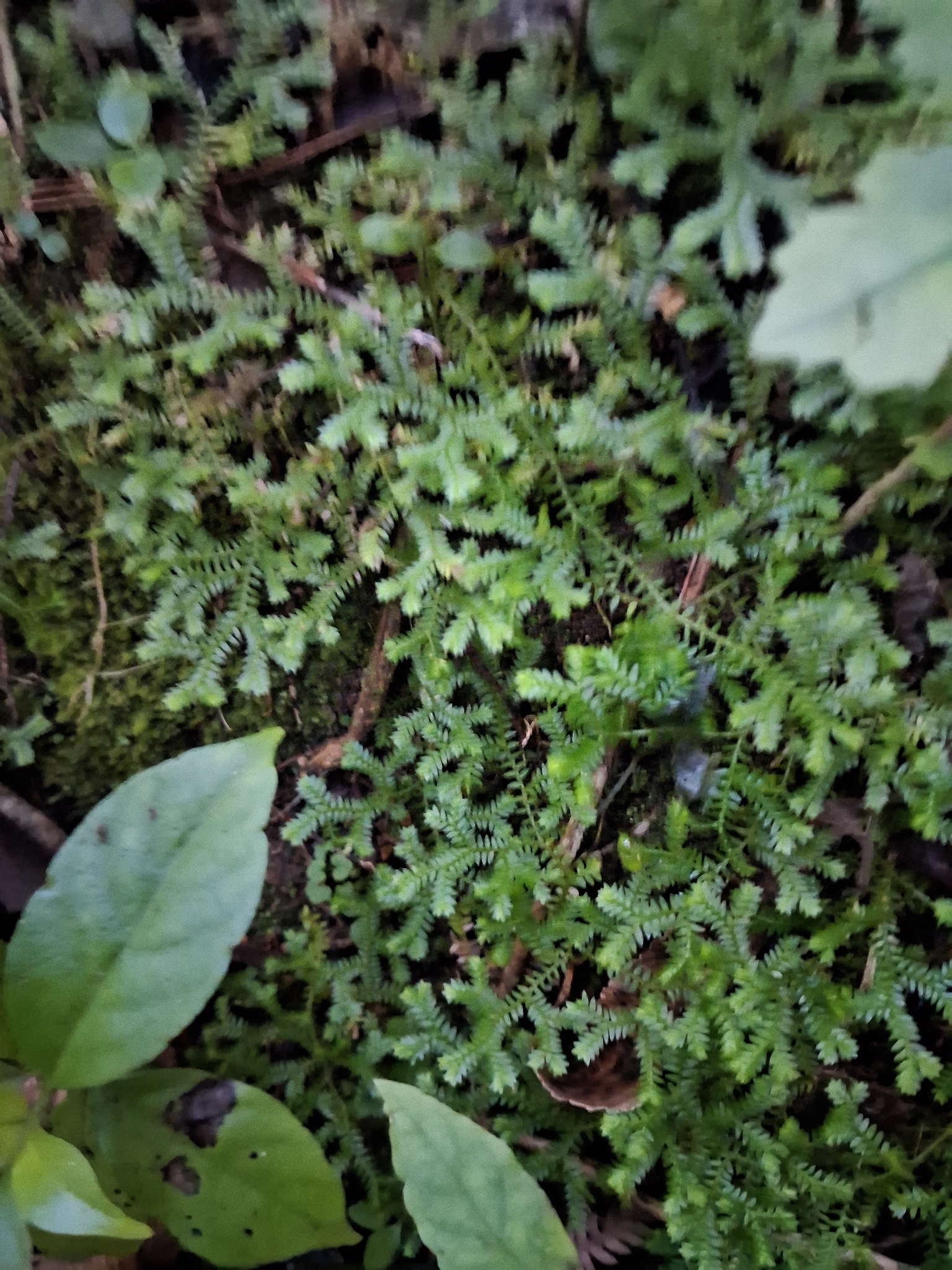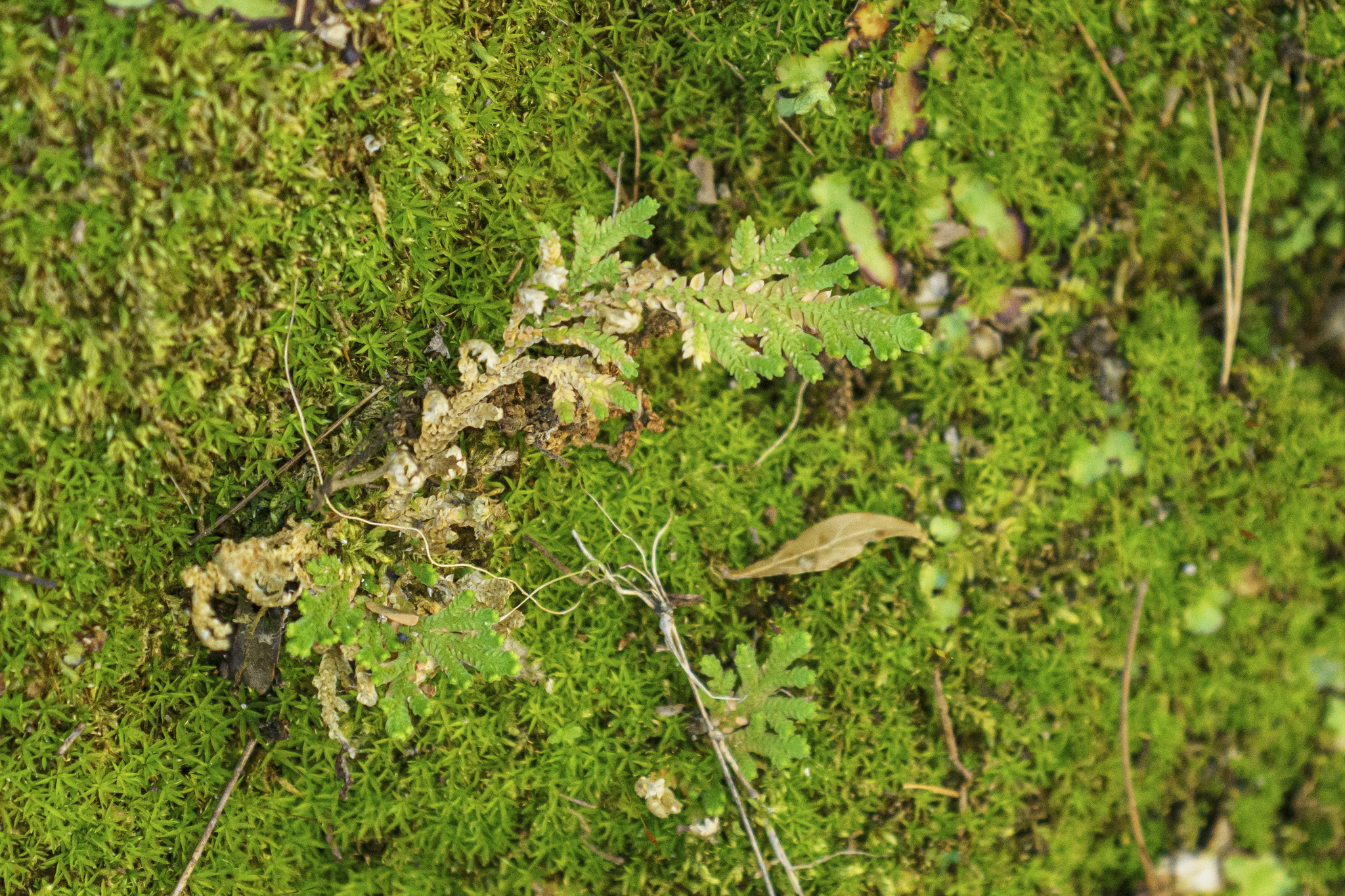
Flower Of Stone (Selaginella lepidophylla)

Flower of Stone (Selaginella lepidophylla), a resurrection plant, revives from a desiccated state when water is available. It's a fascinating desert survivor.

Selaginella lepidophylla, commonly known as the Flower of Stone, is a fascinating plant recognized for its remarkable ability to survive extreme desiccation. This species belongs to the genus Selaginella, a group of ancient vascular plants that are often referred to as spikemosses, though they are not true mosses. The significance of Selaginella lepidophylla lies in its unique adaptation to arid environments, allowing it to appear to "die" and then revive with the return of moisture, a characteristic that has captured human attention for centuries. Physically, Selaginella lepidophylla is a low-growing, creeping plant that forms dense mats. Its stems are typically branched and can spread across the substrate. The leaves, or microphylls, are small, scale-like, and arranged spirally along the stems. These leaves are typically green when hydrated but turn a characteristic reddish-brown or straw-like color when dry. A distinguishing feature of this species is its ability to undergo extreme desiccation tolerance. When water is scarce, the plant curls inward, forming a tight, dry ball, protecting its vital tissues from further water loss. Upon rehydration, the plant unfurls and resumes its green appearance, a process that can occur relatively quickly. Selaginella lepidophylla does not produce true flowers or fruits in the botanical sense; instead, it reproduces via spores, which are produced in specialized structures called strobili located at the tips of some branches. The native distribution of Selaginella lepidophylla is primarily in arid and semi-arid regions of the Americas, including parts of the southwestern United States, Mexico, and extending into South America. It thrives in rocky outcrops, crevices, and sandy soils where it can anchor itself and access infrequent moisture. Cultivation requirements for Selaginella lepidophylla generally involve mimicking its natural habitat. It prefers well-draining soil and requires periods of dryness interspersed with watering. While it can tolerate significant drought, it thrives when provided with moderate humidity and consistent moisture, especially during its active growth phase. It is often grown as a novelty houseplant due to its unique revival characteristic. Beyond its ornamental appeal, Selaginella lepidophylla has garnered interest for its biological resilience. Its desiccation tolerance mechanism is a subject of scientific study, offering insights into plant survival strategies in extreme environments. Historically, it has been associated with various traditional uses, though scientific documentation for these is often limited. The plant's ability to seemingly come back to life after prolonged dryness has also contributed to its folklore and common names. An interesting fact about Selaginella lepidophylla is its ability to rehydrate and resume photosynthetic activity even after extended periods of extreme dryness, sometimes lasting for months or even years. This remarkable adaptation is facilitated by specific proteins and sugars within its cells that protect cellular structures from damage during dehydration. When water becomes available, these protective compounds are metabolized, allowing the plant to regain turgor and resume its biological functions. This resilience makes it a compelling example of survival in harsh conditions.

Above information is sourced from Wikipedia

Sunlight

Bright, Indirect Light

Watering

Consistent Moisture

Soil

Well-draining, sandy or gritty mix

Temperature

Warm

Fertilizer

Light Feeding

Care Requirements

Light

Bright, Indirect Light

Prefers bright, filtered light. Avoid direct sunlight, which can scorch leaves.

Watering

Consistent Moisture

Keep soil consistently moist but not waterlogged.

Soil

Well-draining, sandy or gritty mix

Temperature

Warm

Thrives in temperatures between 20-25°C. Protect from cold drafts and temperatures below 15°C.

Fertilizer

Light Feeding

Feed with diluted liquid fertilizer during the growing season only.

Plant Overview

Plant Type

Creeper

Plant Category

Ornamental

Plant Place Type

Pot

Lifespan

Perennial

Plant Height

0.1-0.2 m

Spread

0.2-0.3 m

Growth Rate

Slow

Dormancy

None

Leaf Color

Green, Brown

Leaf Type

Scale-like

Optimal Sunlight Lux

7000

Image Gallery

Flowering & Fruiting Cycles

Monthly activity intensity for bloom and fruit across both hemispheres.

Northern hemisphere

Flowering & fruiting calendar

Peak bloom · JunPeak fruit · Aug
FloweringFruiting
02468JanFebMarAprMayJunJulAugSepOctNovDecActivity intensityMonths44
Southern hemisphere

Flowering & fruiting calendar

Peak bloom · JulPeak fruit · Sep
FloweringFruiting
02468JanFebMarAprMayJunJulAugSepOctNovDecActivity intensityMonths44
Synonyms
Lycopodioides lepidophylla (Hook. & Grev.) Kuntze
Lycopodium lepidophyllum Hook. & Grev.
Selaginella rediviva Forrer ex Wittr.
Taxonomy
  • kingdomPlantae
  • divisionTracheophyta
  • classLycopodiopsida
  • orderSelaginellales
  • familySelaginellaceae
  • genusSelaginella
  • speciesSelaginella lepidophylla
Toxicity

Toxic for humans

No

Rating: 0/5

Toxic for pets

No

Rating: 0/5

Additional Care Tips

Selaginella lepidophylla thrives in consistently moist soil. Water thoroughly when the top centimeter of soil feels dry. Avoid letting the plant sit in standing water, which can lead to root rot. Reduce watering slightly during cooler months, but never allow the soil to dry out completely.

Pruning is generally minimal for Selaginella lepidophylla. Remove any yellowed or dead foliage as needed to maintain appearance and prevent disease. Pinching back leggy growth can encourage a bushier habit, but significant pruning is rarely necessary.

Propagation is best achieved through stem cuttings. Take cuttings of about 5-10 cm length in spring or summer. Plant them in moist, well-draining potting mix, and keep them in a warm, humid environment until roots develop.

Repot Selaginella lepidophylla every 1-2 years, or when the plant becomes root-bound. Use a well-draining potting mix, such as a blend of peat moss, perlite, and sand. Choose a pot that is only slightly larger than the current one.

FAQs

How do I care for a dried-out Flower of Stone?

Place the dried plant in a shallow dish of water. Within a few hours, it should begin to rehydrate and turn green. Once revived, keep its soil consistently moist.

What kind of light does Selaginella lepidophylla need?

It prefers bright, indirect light. Avoid direct sunlight, which can scorch its leaves.

How often should I water my Flower of Stone?

Keep the soil consistently moist but not waterlogged. When the top layer of soil feels dry, it's time to water.

Can Selaginella lepidophylla be grown outdoors?

In very humid climates and tropical regions, it might survive outdoors in a shaded, moist environment. However, it is typically grown as a houseplant due to its sensitivity to cold and dry air.

Is the Flower of Stone toxic to pets?

Selaginella lepidophylla is generally considered non-toxic to cats and dogs, according to the ASPCA.