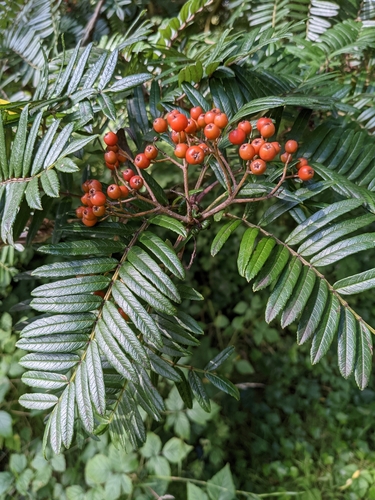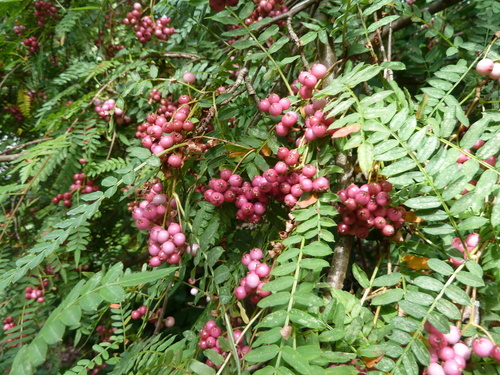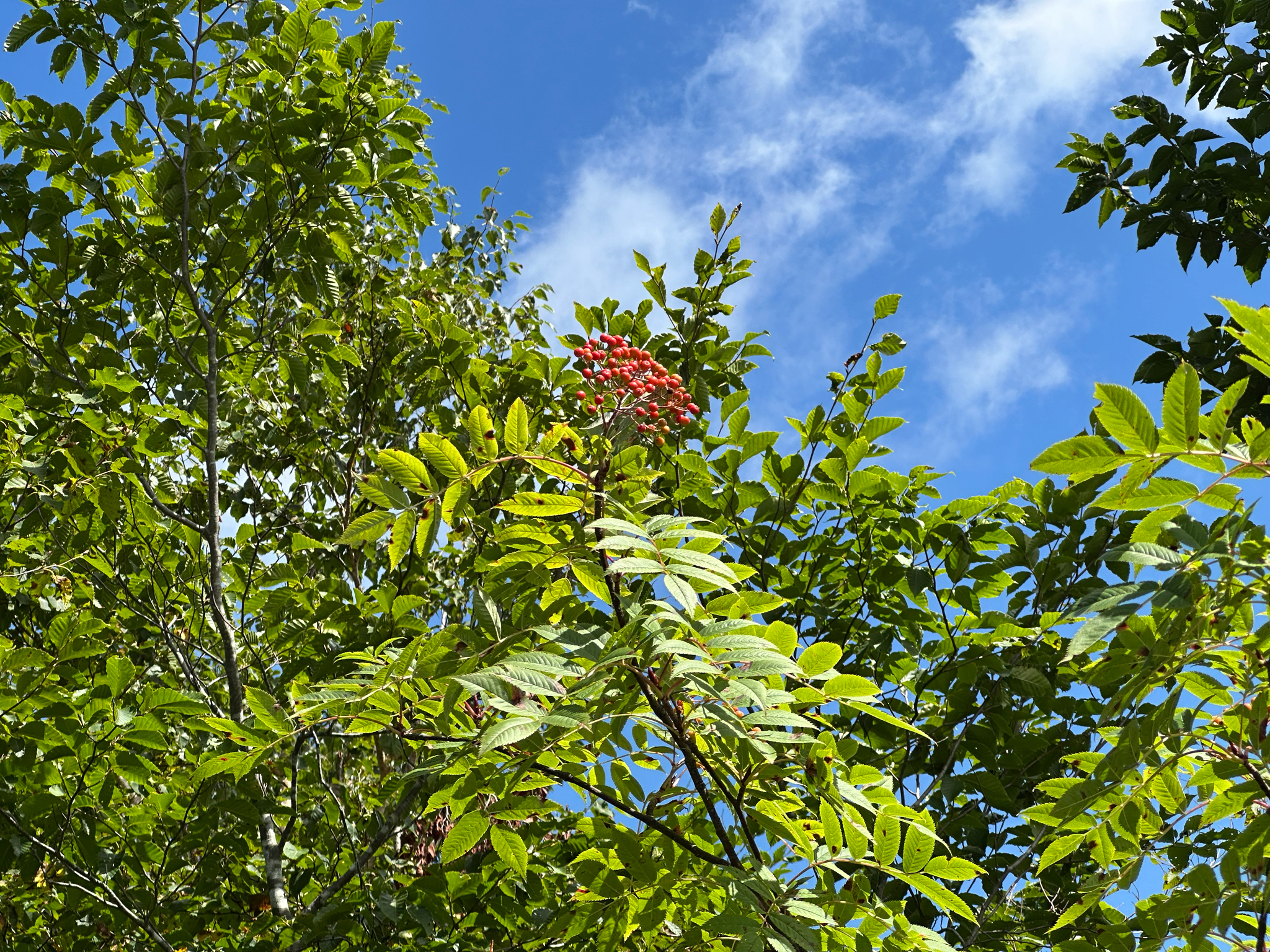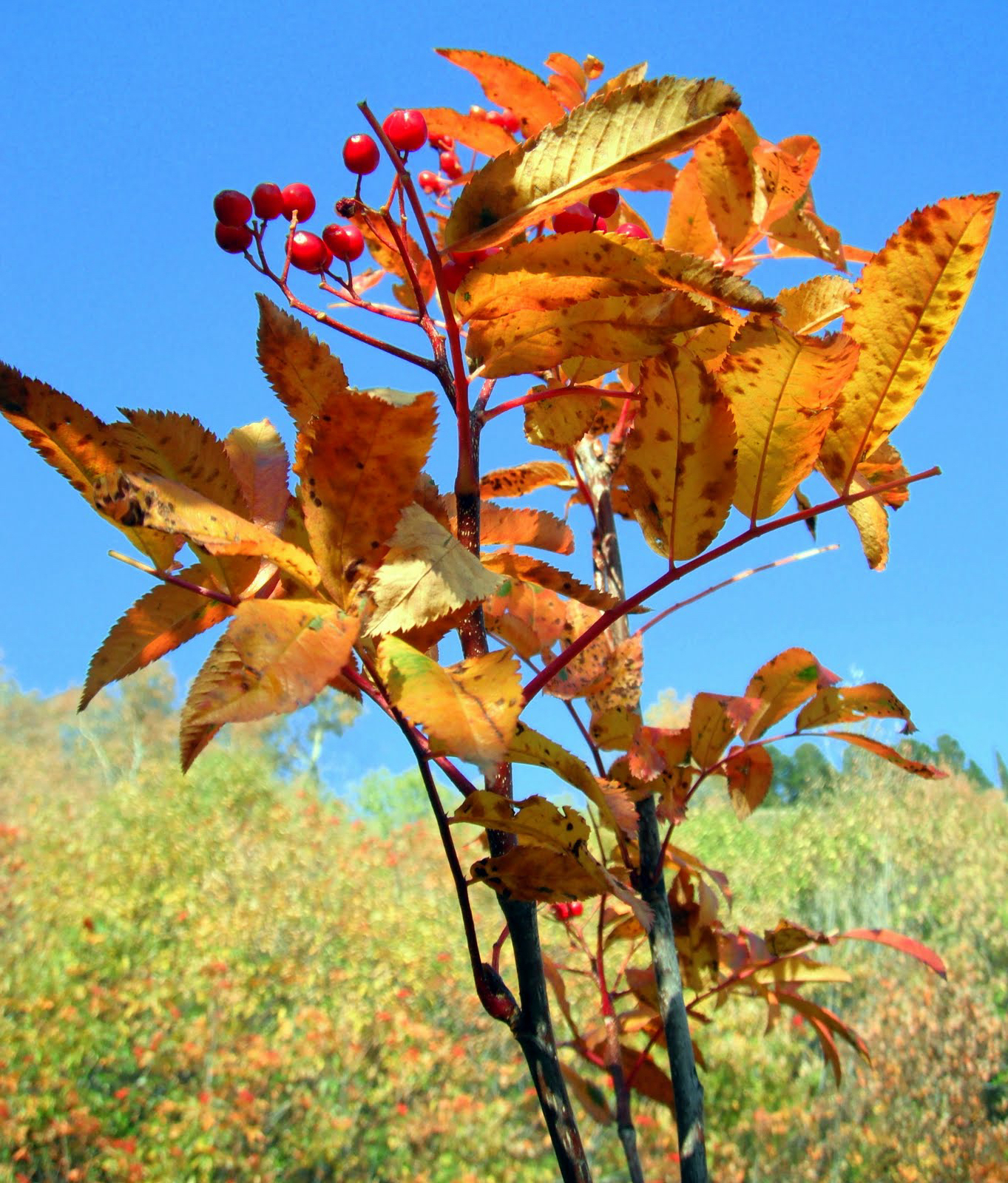
Rowan (Sorbus aucuparia) is a deciduous tree known for its clusters of white flowers in spring and bright orange-red berries in autumn, providing significant ornamental v
Above information is sourced from Wikipedia
Sunlight
Prefers full sun to partial shade for optimal flowering and fruiting.
Watering
Requires consistent moisture, especially when young or during dry periods. Established trees are somewhat drought-tolerant.
Soil
Adaptable to a range of soils, but prefers moist, well-drained, slightly acidic to neutral loams.
Temperature
Hardy in cool temperate climates, tolerating a wide range from -25°C to 25°C.
Habitat
Outdoor
Fertilizer
Generally low fertilizer needs. Apply a balanced slow-release fertilizer in early spring if soil is poor.
Prefers full sun to partial shade for optimal flowering and fruiting.
Bright
Requires consistent moisture, especially when young or during dry periods. Established trees are somewhat drought-tolerant.
Moderate
Adaptable to a range of soils, but prefers moist, well-drained, slightly acidic to neutral loams.
Hardy in cool temperate climates, tolerating a wide range from -25°C to 25°C.
Cool to Moderate
Outdoor
Generally low fertilizer needs. Apply a balanced slow-release fertilizer in early spring if soil is poor.
Annually (Spring)
Plant Type
Tree
Plant Category
Ornamental, Fruit
Plant Place Type
Ground, Garden
Plant Environment
Outdoor
Lifespan
Perennials
Plant Height
5-15 m
Spread
3-7 m
Growth Rate
Moderate
Dormancy
Winter
Leaf Color
Green, Yellow, Orange, Red
Leaf Type
Pinnate
Flower Size
0.8-1 cm
Optimal Sunlight Lux
40000
Toxic for humans
Yes
Rating: 3/5
Toxic for pets
Yes
Rating: 4/5
Edible
Yes
Raw berries contain parasorbic acid, which can cause gastrointestinal upset if ingested in quantity. Seeds and leaves also contain cyanogenic glycosides. Cooking neutralizes the parasorbic acid, making the berries safe for consumption.