Miconia Affinis (Miconia affinis) – Growing Guide, Benefits & Care | ePlant AI
Miconia Affinis (Miconia affinis)
Miconia affinis is a tropical shrub from the Americas, recognized for its attractive foliage and small, delicate flowers.
Miconia affinis is a species of flowering plant in the family Melastomataceae. This plant is recognized by its scientific name, Miconia affinis, and is a member of a large and diverse genus. Understanding Miconia affinis involves examining its morphology, ecological role, and geographical distribution.
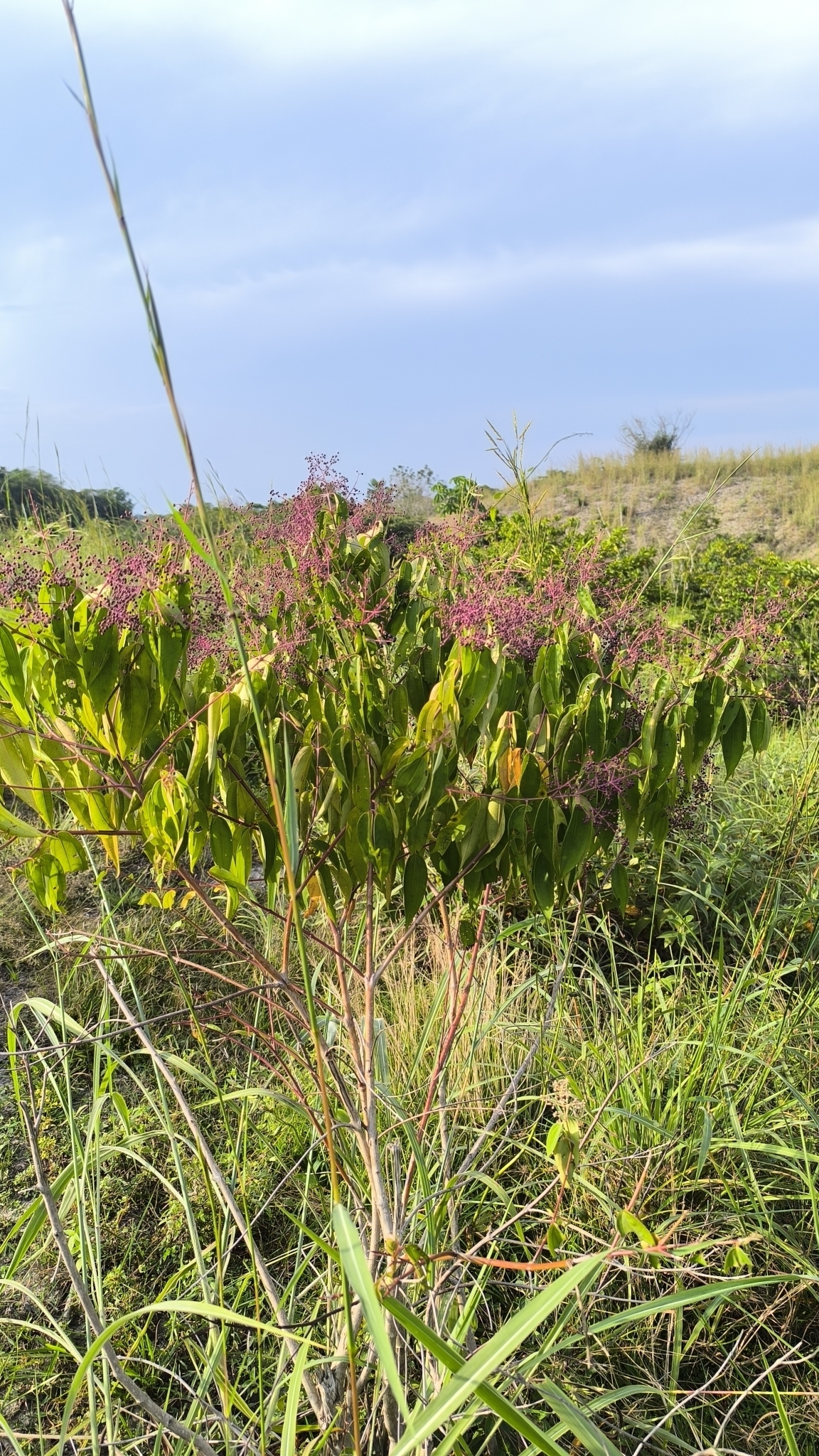
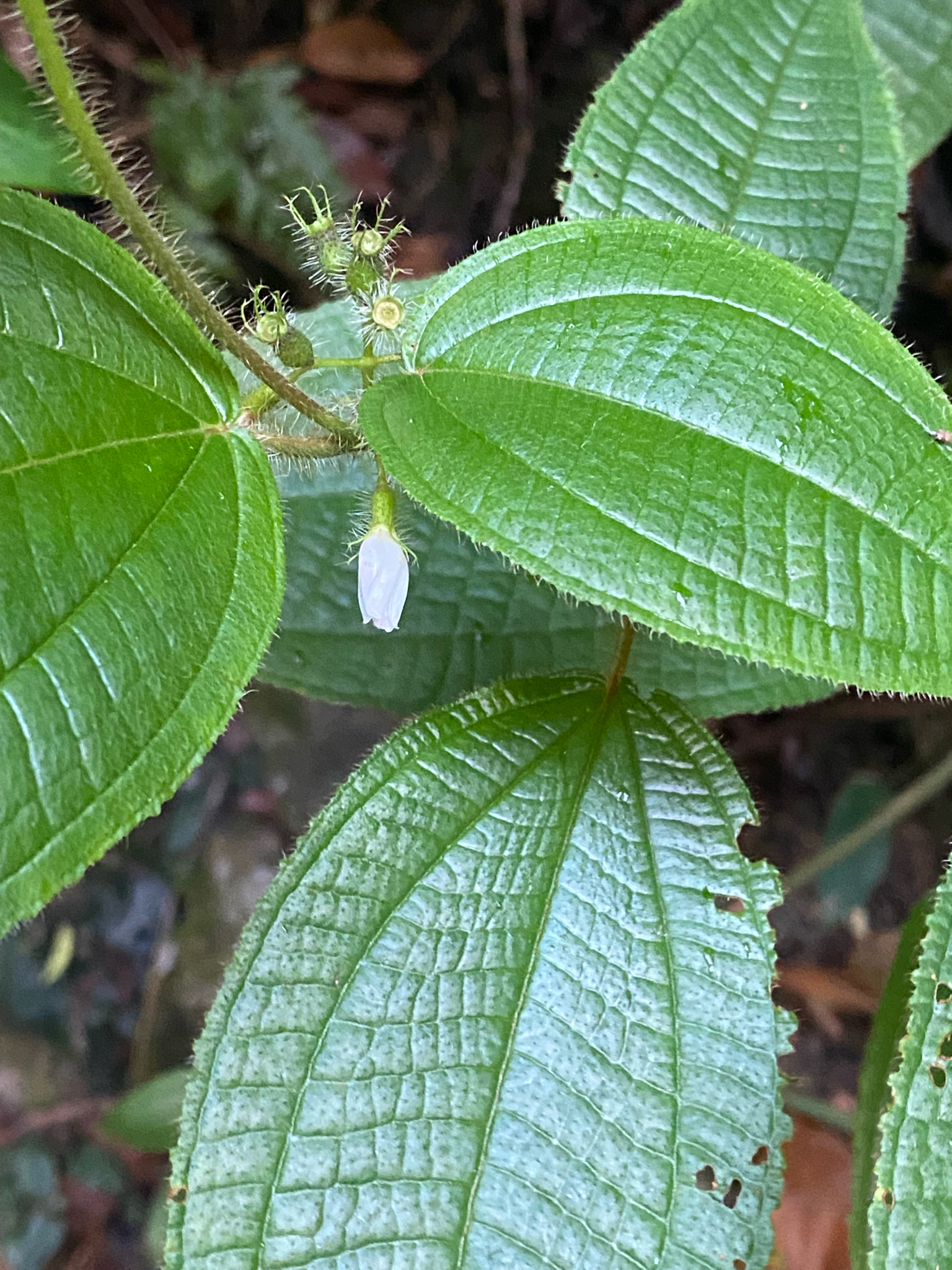
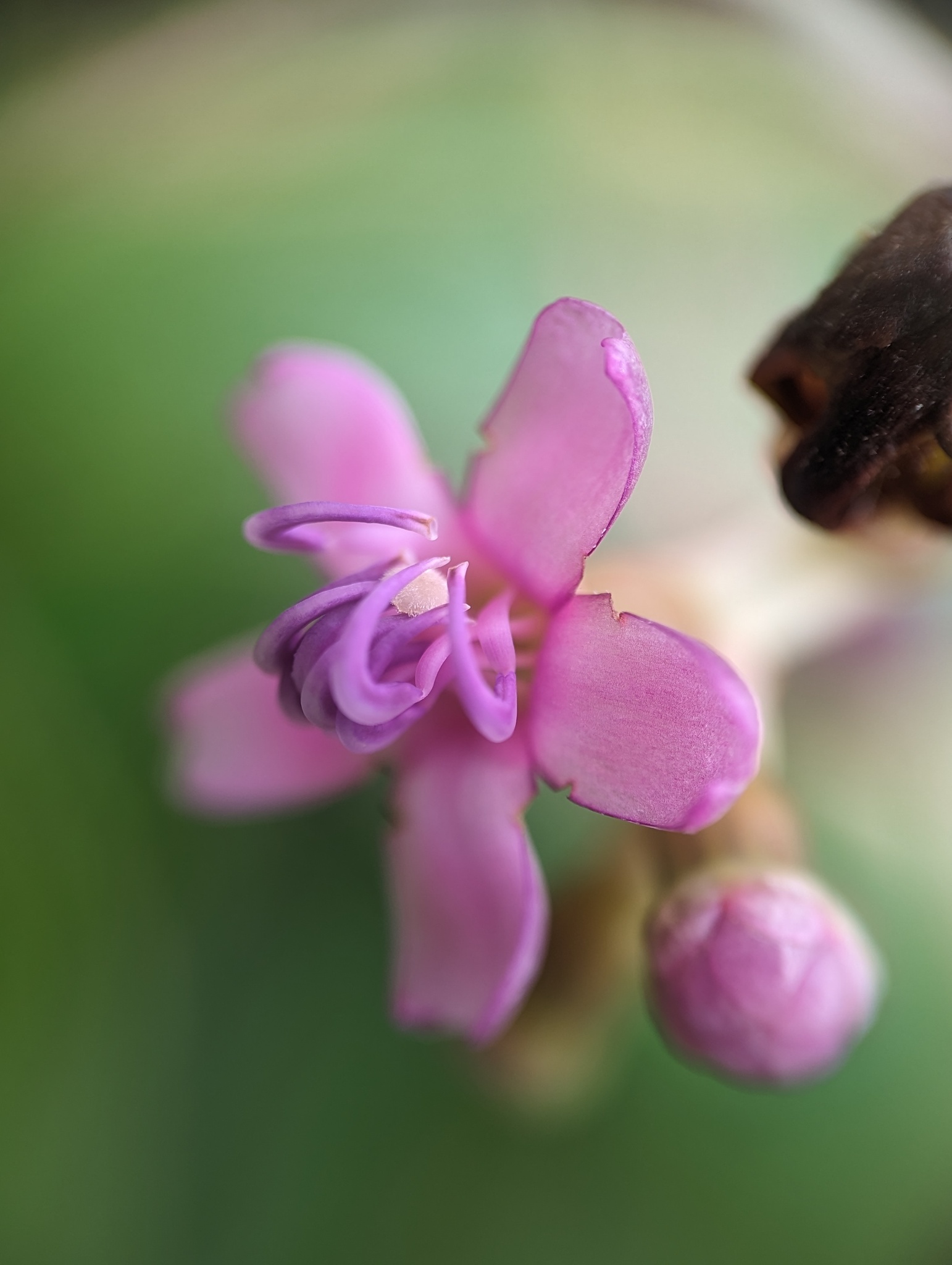
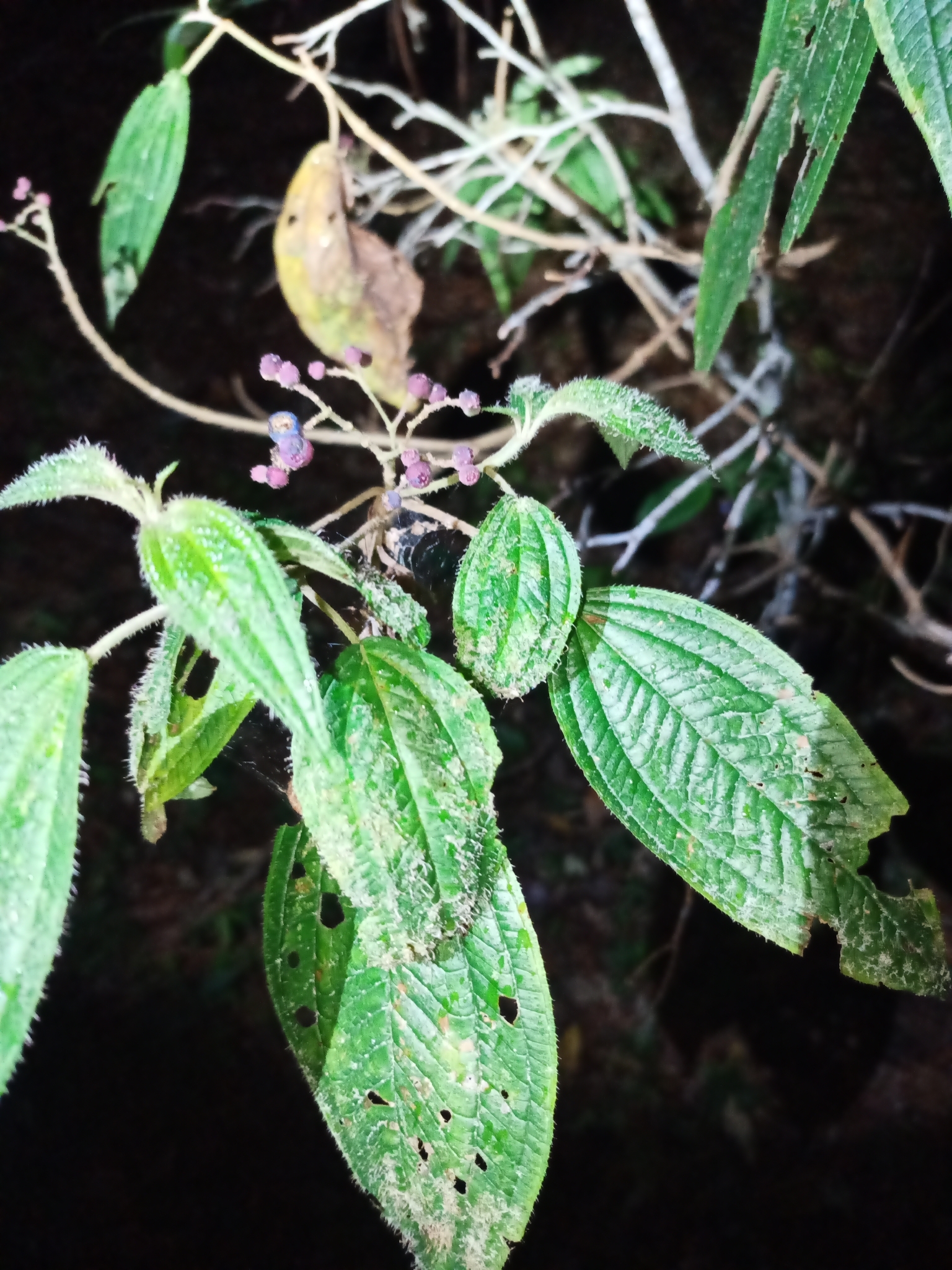
Physically, Miconia affinis typically presents as a shrub or small tree. Its growth habit can vary, but it generally forms a dense structure. The leaves are a prominent feature, often ovate to elliptic in shape, with a characteristic venation pattern common to the Melastomataceae family, usually with three to five prominent longitudinal veins. The surface of the leaves can be smooth or slightly textured. The plant produces flowers, which are typically small and borne in inflorescences. These flowers, while not always showy on a large scale, contribute to the plant's reproductive cycle. Following flowering, Miconia affinis develops fruits, which are often berries. The color and size of these fruits can vary, and they serve as a food source for various fauna. The bark of Miconia affinis is generally unremarkable, but its texture and color can be observed upon close inspection. Seeds are produced within the fruits, facilitating the plant's propagation.
The native distribution of Miconia affinis is primarily within tropical and subtropical regions of the Americas. It thrives in a range of natural habitats, often found in forests, woodlands, and sometimes in disturbed areas. Its cultivation requirements are generally adapted to these native conditions, favoring well-drained soils and a climate that mimics its natural environment, typically with adequate moisture and warmth. Specific cultivation advice would depend on the precise microclimate and soil conditions.
While Miconia affinis is part of a genus with some species having ecological or economic significance, specific well-established uses for Miconia affinis itself are not widely documented in general botanical literature. Its ecological role is primarily as a component of its native ecosystems, contributing to biodiversity and providing habitat or food for local wildlife. Further research may reveal more specific biological or ecological interactions.
An interesting characteristic of many Miconia species, including Miconia affinis, is their adaptation to their specific ecological niches. The structure of their leaves, the timing of their flowering and fruiting, and their reproductive strategies are all finely tuned to their environment. For instance, the development of berries suggests a reliance on animal dispersal for seed propagation, a common strategy in many tropical plant species. The genus Miconia is known for its evolutionary success and widespread distribution across the Neotropics, with Miconia affinis representing one of the many species contributing to this botanical diversity.
Well-draining, fertile, slightly acidic to neutral potting mix.
Temperature
Ideal growing temperature between 18-25°C.
Habitat
Outdoor, Greenhouse, Indoor
Fertilizer
Feed with a balanced liquid fertilizer during the growing season.
Care Requirements
Light
Prefers bright, indirect light.
Can tolerate partial shade.
Water
Keep soil consistently moist but not waterlogged.
Water when top inch of soil is dry.
Soil
Well-draining, fertile, slightly acidic to neutral potting mix.
Temperature
Ideal growing temperature between 18-25°C.
Avoid temperatures below 10°C.
Habitat
Outdoor, Greenhouse, Indoor
Fertilizer
Feed with a balanced liquid fertilizer during the growing season.
Dilute to half strength every 4-6 weeks.
Plant Overview
Plant Type
Shrub
Plant Category
Foliage, Ornamental
Plant Place Type
Ground, Pot
Plant Environment
Outdoor, Greenhouse, Indoor
Lifespan
Perennials
Plant Height
2-5 m
Spread
1-2 m
Growth Rate
Moderate
Dormancy
None
Leaf Color
Green, Bronze
Leaf Type
Opposite, ovate to elliptic
Flower Size
0.5 cm
Image Gallery
Flowering & Fruiting Cycles
Monthly activity intensity for bloom and fruit across both hemispheres.
Northern hemisphere
Flowering & fruiting calendar
Peak bloom · JunPeak fruit · Jul
FloweringFruiting
Southern hemisphere
Flowering & fruiting calendar
Peak bloom · JunPeak fruit · Jul
FloweringFruiting
Synonyms
Acinodendron affine (DC.) Kuntze
Acinodendron beurlingii (Triana) Kuntze
Acinodendron cecidophorum (Naudin) Kuntze
Acinodendron microcarpum (DC.) Kuntze
Acinodendron planinervium (Naudin) Kuntze
Miconia beurlingii Triana
Miconia cayumbensis Gleason
Miconia cecidophora Naudin
Miconia microcarpa DC.
Miconia planinervia Naudin
Miconia pusilliflora Beurl.
Taxonomy
kingdomPlantae
divisionTracheophyta
classMagnoliopsida
orderMyrtales
familyMelastomataceae
genusMiconia
speciesMiconia affinis
Toxicity
Toxic for humans
No
Rating: 0/5
Toxic for pets
No
Rating: 0/5
Edible
No
Additional Care Tips
Water thoroughly when the top inch of soil feels dry. Ensure good drainage to prevent root rot. Miconia affinis appreciates consistent moisture, especially during its active growing season.
Prune to maintain shape and size, and to encourage bushier growth. Remove any dead or damaged branches. Light pruning can be done anytime, with heavier pruning best done in late winter or early spring.
Easily propagated from stem cuttings taken in spring or summer. Root cuttings in moist potting mix or water. Seed propagation is also possible but may be slower.
Repot young plants annually or when root-bound, typically in spring. Mature plants can be repotted every 2-3 years. Use a slightly larger pot with fresh, well-draining potting mix.
FAQs
What kind of light does Miconia affinis need?
Miconia affinis thrives in bright, indirect light. It can tolerate some shade, but too much shade may reduce flowering and overall vigor.
How often should I water Miconia affinis?
Water thoroughly when the top inch of soil feels dry. Ensure the pot has good drainage to prevent waterlogged soil, which can lead to root rot.
When is the best time to prune Miconia affinis?
Pruning can be done at any time to remove dead or damaged branches. For shaping and encouraging bushier growth, late winter or early spring is ideal.
Can Miconia affinis be grown indoors?
Yes, Miconia affinis can be grown indoors as a houseplant, provided it receives adequate light, humidity, and consistent watering. It may require more attention to humidity levels indoors.
What type of soil is best for Miconia affinis?
A well-draining, fertile potting mix is recommended. A slightly acidic to neutral pH is preferred, similar to what is used for many tropical houseplants.