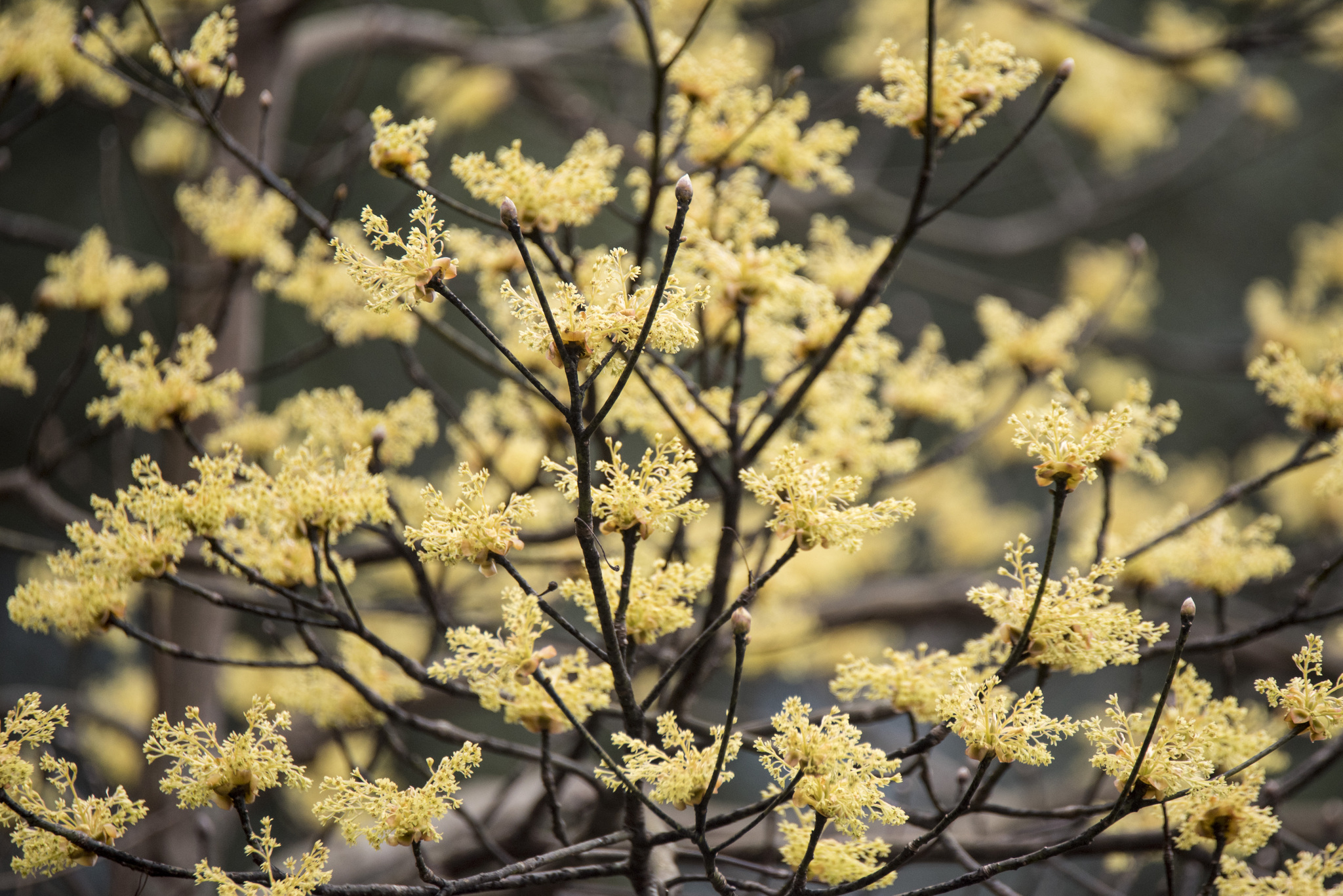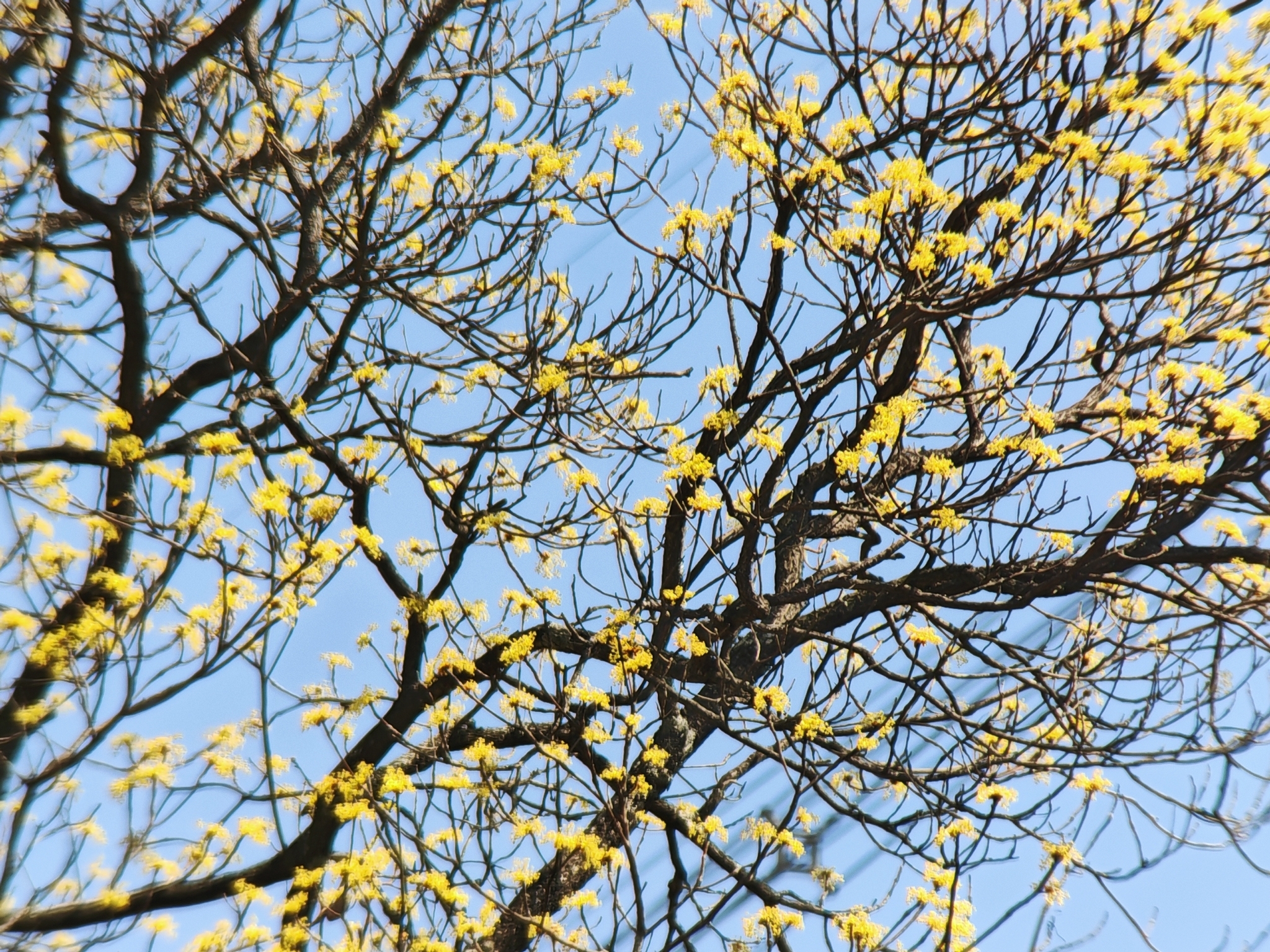
Sassafras albidum is a deciduous tree native to eastern North America, recognized for its aromatic bark and distinctive lobed leaves, often with three distinct shapes.
Above information is sourced from Wikipedia
Sunlight
Prefers full sun for best growth and color, but tolerates partial shade.
Watering
Moderate, consistent moisture is ideal, especially for young trees. Allow soil to dry slightly between waterings.
Soil
Adaptable to various soil types, but prefers well-drained, moist, slightly acidic loam.
Temperature
Thrives in temperate climates, with an ideal growing range between 15-25°C.
Habitat
Outdoor
Fertilizer
Generally low-maintenance; fertilize only if growth is poor or soil is deficient.
Prefers full sun for best growth and color, but tolerates partial shade.
Moderate, consistent moisture is ideal, especially for young trees. Allow soil to dry slightly between waterings.
Adaptable to various soil types, but prefers well-drained, moist, slightly acidic loam.
Thrives in temperate climates, with an ideal growing range between 15-25°C.
Outdoor
Generally low-maintenance; fertilize only if growth is poor or soil is deficient.
Plant Type
Tree
Plant Category
Foliage, Fruit, Ornamental
Plant Place Type
Ground, Garden
Plant Environment
Outdoor
Lifespan
Perennials
Plant Height
15-25 m
Spread
10-15 m
Growth Rate
Moderate
Dormancy
Deciduous, enters dormancy in winter
Leaf Color
Green
Leaf Type
Simple, alternate, lobed (often 2-3 lobes, sometimes unlobed or 5-lobed)
Flower Size
0.5 cm
Toxic for humans
No
Rating: 0/5
Toxic for pets
No
Rating: 0/5
Edible
No
Roots and bark are generally considered non-toxic in culinary use, but some historical uses and preparations have raised concerns. Modern culinary use is limited.