Sea-Buckthorn (Hippophae rhamnoides) – Care, Benefits & Growing Guide | ePlant AI
Sea-Buckthorn (Hippophae rhamnoides)
Sea-Buckthorn (Hippophae rhamnoides) is a thorny, deciduous shrub known for its vibrant orange berries and nitrogen-fixing capabilities, thriving in harsh conditions.
Hippophae rhamnoides, commonly known as sea-buckthorn, is a deciduous shrub or small tree recognized for its remarkable hardiness and ecological significance. This species is a member of the Elaeagnaceae family, a group of plants often characterized by their ability to fix atmospheric nitrogen, a trait that contributes to their success in nutrient-poor environments. Sea-buckthorn is native to temperate and boreal regions of Europe and Asia, where it thrives in a variety of challenging conditions.
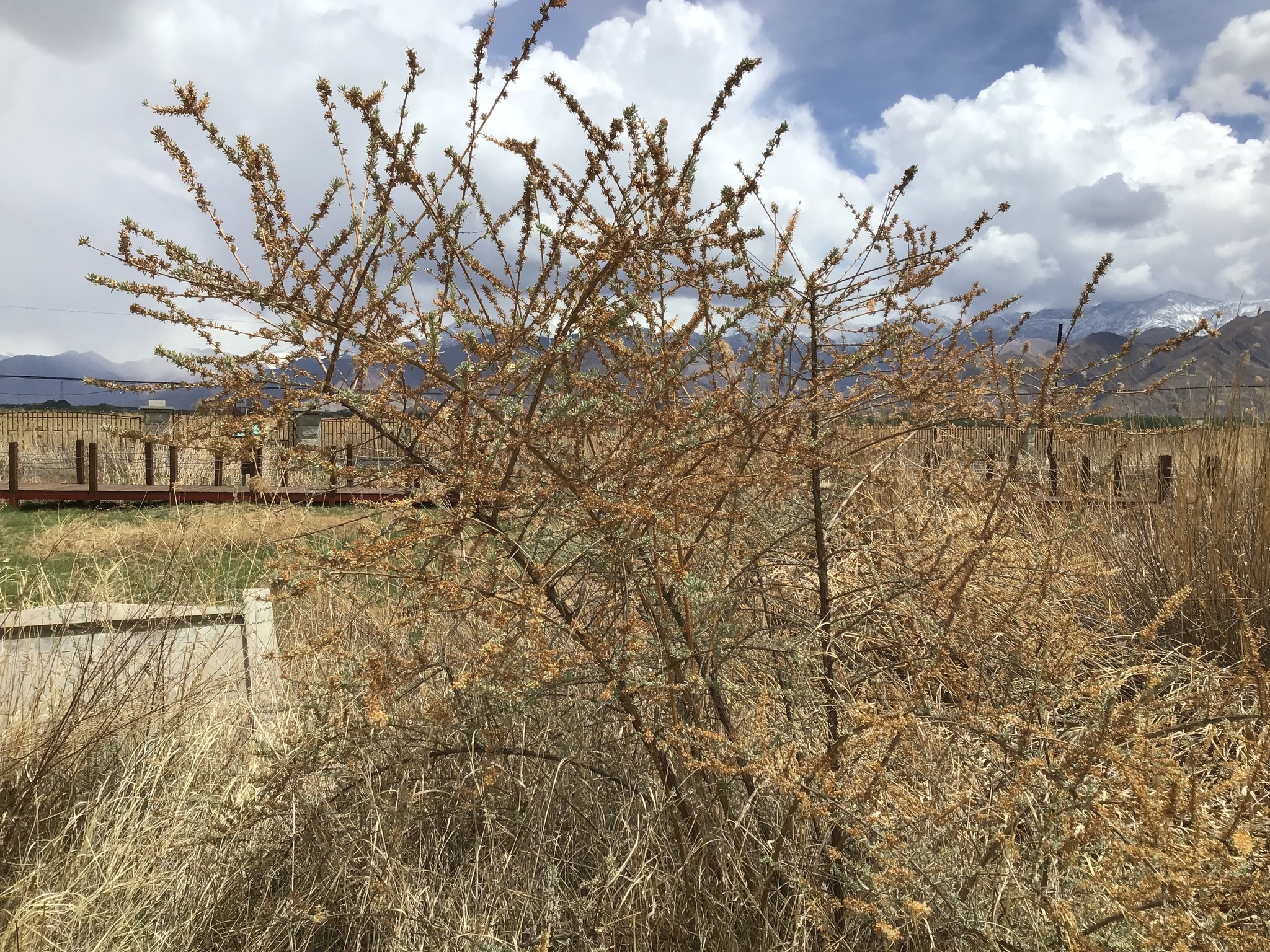
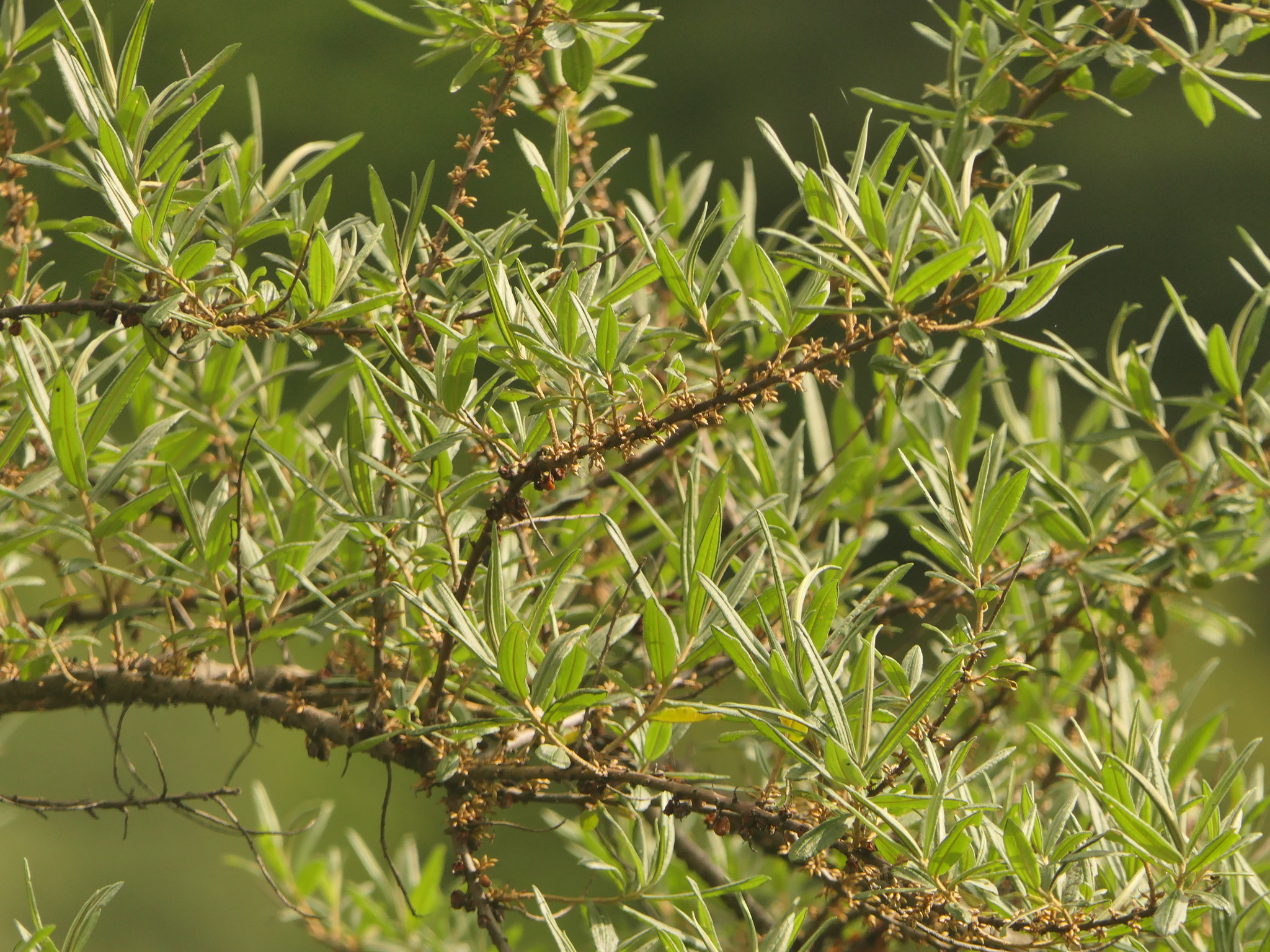
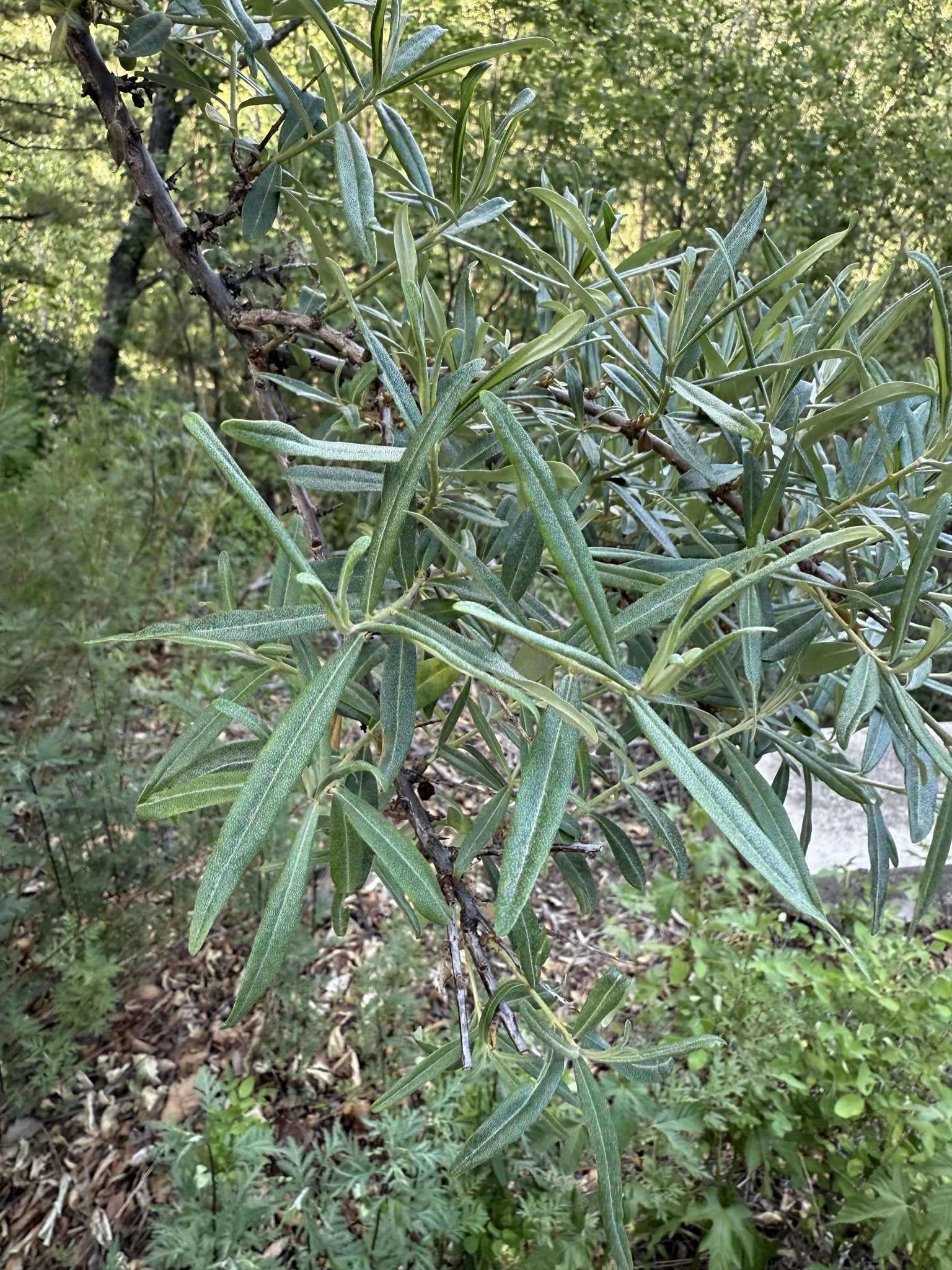
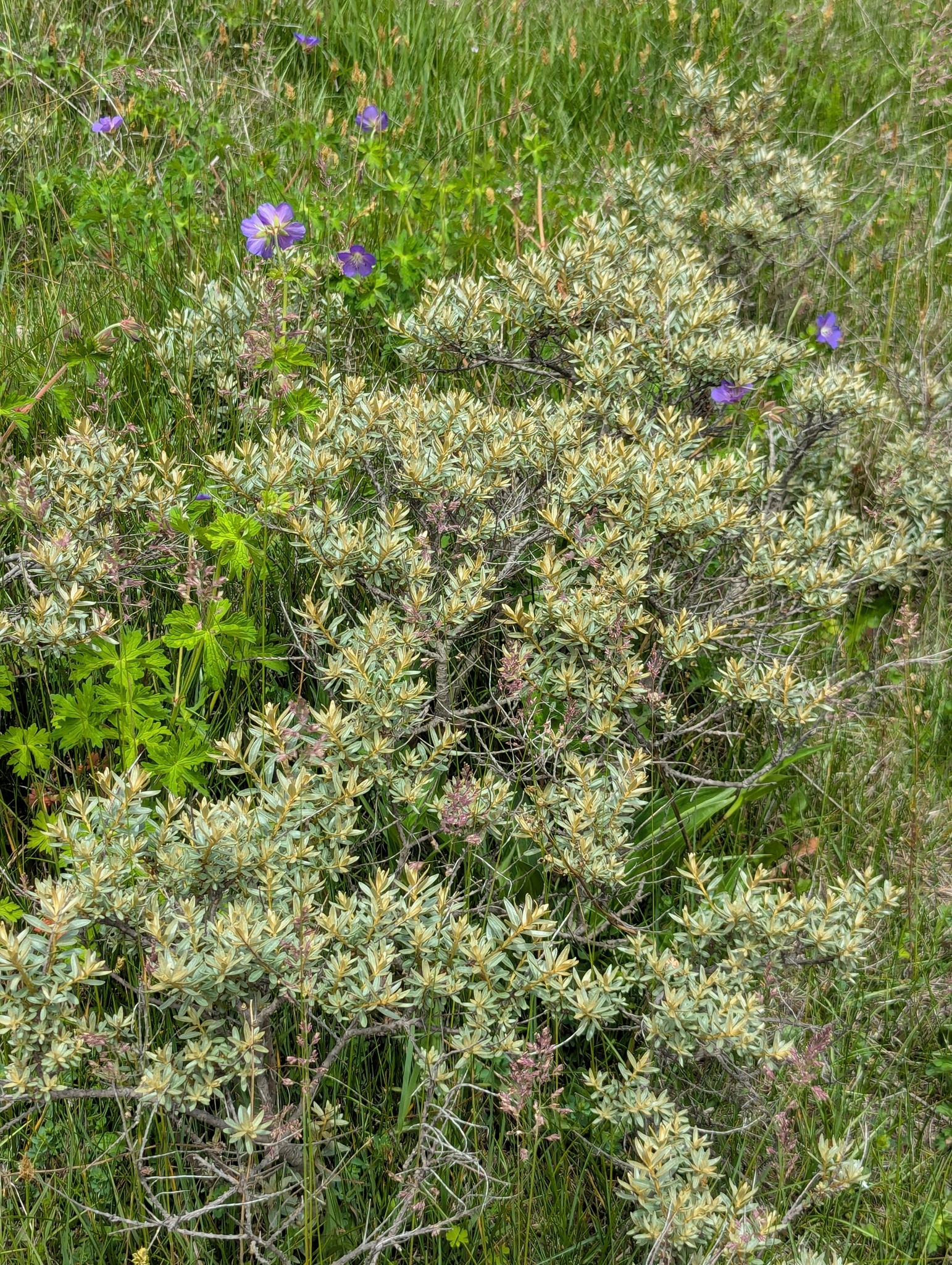
Physically, Hippophae rhamnoides typically grows to a height of 1 to 6 meters, though it can occasionally reach up to 10 meters. It forms a dense, often thorny thicket due to its spreading habit and the presence of sharp, woody spines along its branches, which serve as a defense mechanism against herbivores. The leaves are lanceolate to linear, measuring 2 to 8 centimeters in length, and are silvery-green on both surfaces due to a covering of fine scales. This silvery appearance is a characteristic adaptation that helps reduce water loss through transpiration and reflects excess sunlight. The plant is dioecious, meaning it has separate male and female individuals. Flowers are inconspicuous, appearing in early spring before the leaves fully emerge. The true ornamental and economic value of sea-buckthorn lies in its fruit. Female plants produce abundant clusters of small, round to oval drupes that ripen in late summer and autumn. These fruits are typically bright orange to reddish-orange, and are rich in vitamins, antioxidants, and essential fatty acids. The bark is dark gray to brown and can be somewhat fissured on older stems.
The native distribution of Hippophae rhamnoides spans a vast geographical area, from the Atlantic coast of Europe eastward across Asia to the Himalayas and western China. It is particularly well-adapted to coastal areas, sandy soils, riverbanks, and mountainous regions, often colonizing disturbed or degraded landscapes. Its ability to tolerate saline conditions, drought, and poor soil fertility makes it a valuable pioneer species for erosion control and land reclamation. Cultivation requirements are generally minimal, as the plant is exceptionally hardy and adaptable. It prefers full sun and well-drained soil but can tolerate a wide range of soil types, including sandy, gravelly, and alkaline conditions. Propagation is typically achieved through seeds, cuttings, or root suckers.
Ecologically, Hippophae rhamnoides plays a vital role in its native habitats. Its nitrogen-fixing ability enriches the soil, benefiting surrounding vegetation. The dense thickets provide shelter and nesting sites for birds and other wildlife, and the abundant fruits serve as an important food source, particularly during the autumn and winter months. Economically and agriculturally, sea-buckthorn has gained increasing attention for its highly nutritious fruits. The berries are a rich source of vitamin C, vitamin E, carotenoids, and omega-3, -6, -7, and -9 fatty acids. They are processed into juices, jams, oils, and dietary supplements, valued for their potential health benefits. Historically, various parts of the plant have been used in traditional medicine across its native range for a range of ailments. The resilience and adaptability of Hippophae rhamnoides, coupled with the nutritional value of its fruit, underscore its multifaceted importance in both natural ecosystems and human applications.
Low to moderate, drought-tolerant once established.
Soil
Tolerant of a wide range of soils, including sandy, poor, and alkaline conditions. Excellent drainage is crucial.
Temperature
Prefers moderate temperatures but is very cold-hardy.
Habitat
Outdoor
Fertilizer
Minimal fertilization needed due to nitrogen fixation.
Care Requirements
Light
Full sun is ideal for best fruiting.
Tolerates partial shade.
Water
Low to moderate, drought-tolerant once established.
Avoid waterlogged soil.
Soil
Tolerant of a wide range of soils, including sandy, poor, and alkaline conditions. Excellent drainage is crucial.
Temperature
Prefers moderate temperatures but is very cold-hardy.
Adaptable to a wide range.
Habitat
Outdoor
Fertilizer
Minimal fertilization needed due to nitrogen fixation.
Avoid excessive nitrogen.
Plant Overview
Plant Type
Shrub
Plant Category
Fruit, Ornamental
Plant Place Type
Ground, Garden
Plant Environment
Outdoor
Lifespan
Perennials
Plant Height
3-6 m
Spread
3-6 m
Growth Rate
Moderate
Dormancy
Yes
Leaf Color
Green, Silver
Leaf Type
Deciduous
Flower Size
0.5 cm
Optimal Sunlight Lux
75000
Image Gallery
Flowering & Fruiting Cycles
Monthly activity intensity for bloom and fruit across both hemispheres.
Northern hemisphere
Flowering & fruiting calendar
Peak bloom · MayPeak fruit · Sep
FloweringFruiting
Southern hemisphere
Flowering & fruiting calendar
Peak bloom · AugPeak fruit · Apr
FloweringFruiting
Synonyms
Argussiera rhamnoides (L.) Bubani
Elaeagnus rhamnoides (L.) A.Nelson
Osyris rhamnoides (L.) Scop.
Rhamnoides hippophae Moench
Taxonomy
kingdomPlantae
divisionTracheophyta
classMagnoliopsida
orderRosales
familyElaeagnaceae
genusHippophae
speciesHippophae rhamnoides
Toxicity
Toxic for humans
No
Rating: 0/5
Toxic for pets
No
Rating: 0/5
Edible
Yes
Additional Care Tips
Water new plants regularly to establish a strong root system. Once mature, Sea-Buckthorn is very drought-tolerant and requires minimal supplemental watering, especially in its native coastal or dry habitats. Avoid overwatering, as it can lead to root rot.
Prune in late winter or early spring before new growth begins. Remove dead, damaged, or crossing branches. Can be pruned to maintain shape or size, but heavy pruning may reduce fruit yield. Be cautious of thorns when pruning.
Easily propagated from suckers or root cuttings. Seed propagation is possible but often results in variable plants and requires stratification. Cuttings can also be taken from semi-hardwood in summer or hardwood in winter.
Not typically grown in pots due to its extensive root system and large size. If container growing is necessary, use a large pot with excellent drainage and repot every 2-3 years into fresh potting mix, pruning roots as needed.
FAQs
How do I harvest Sea-Buckthorn berries?
Berries can be harvested in late summer or autumn. It's often easiest to cut off entire fruiting branches and then freeze them. Once frozen, the berries can be easily stripped from the stems.
Is Sea-Buckthorn thorny?
Yes, Sea-Buckthorn is a thorny shrub, with sharp spines along its branches. This makes it useful as a barrier hedge but requires caution during pruning and harvesting.
Why are my Sea-Buckthorn berries not ripening or falling off?
Ensure the plant receives adequate sunlight, as this is crucial for fruit development and ripening. Also, check for any signs of pests or diseases, though Sea-Buckthorn is generally quite hardy.
Can Sea-Buckthorn be grown in containers?
While possible, it is not ideal due to its extensive root system and mature size. If grown in a container, use a very large pot with excellent drainage and be prepared for regular repotting.
What are the benefits of Sea-Buckthorn berries?
Sea-Buckthorn berries are highly nutritious, packed with vitamins (especially C and E), antioxidants, and omega fatty acids (3, 6, 7, and 9). They are used in various health products and culinary applications.