Water
Sea kale prefers consistent moisture, especially during establishment and dry periods. Water deeply when the top 2-3 cm of soil feels dry. Avoid waterlogging, as this can lead to root rot.
Reduce watering in cooler months when growth slows.
Also known as Kale · Scaberima · Sea Cabbage
Sea kale (Crambe maritima) is a hardy perennial vegetable producing edible shoots and leaves. It thrives in coastal conditions and sandy soils, offering a unique culinary
At-a-glance light, water, soil, and growing conditions from plant data
Full Sun
100% intensity
Prefers full sun to partial shade for best growth and flowering.
Moderate
50% intensity
Keep soil consistently moist but not waterlogged. Water deeply when topsoil is dry.
Well-drained, sandy, loamy
50% intensity
Hardy
25% intensity
Extremely hardy, tolerating cold winters and coastal exposure. Prefers cool to moderate climates.
Low
25% intensity
Benefits from annual compost top-dressing; heavy feeding is not required.
Safety information from plant toxicity data
| Attribute | Value |
|---|---|
| Toxic for humans | No 0/5 intensity |
| Toxic for pets | No 0/5 intensity |
| Edible | Yes |
None
Key traits and growing stats from plant data
Watering, pruning, propagation, and repotting details from plant data
Sea kale prefers consistent moisture, especially during establishment and dry periods. Water deeply when the top 2-3 cm of soil feels dry. Avoid waterlogging, as this can lead to root rot.
Reduce watering in cooler months when growth slows.
Prune sea kale in late winter or early spring before new growth begins. Remove any dead, damaged, or crossing stems. Cut back any remaining flower stalks from the previous year.
This encourages vigorous new growth and maintains plant shape.
Sea kale is primarily propagated by seed, sown in autumn or early spring. It can also be propagated by root cuttings taken in winter. For seed propagation, stratification is often beneficial.
Division of established clumps is possible in spring.
Repotting is generally not necessary for sea kale as it is a perennial grown in the ground. If grown in containers, repot every 2-3 years in early spring into a larger pot with fresh, well-draining compost, particularly if root-bound.
Identify plants like this with ePlant AI
Snap a photo to get care tips and match similar species on the go.
Monthly activity intensity for bloom and fruit across both hemispheres.
Flowering & fruiting calendar
Flowering & fruiting calendar
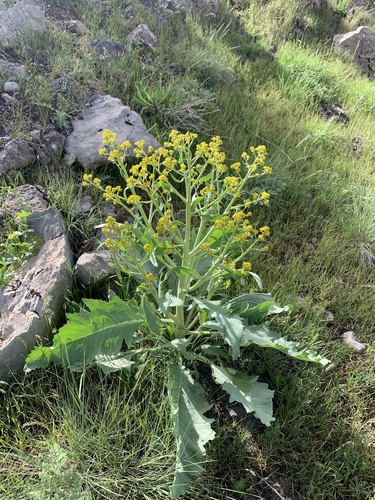
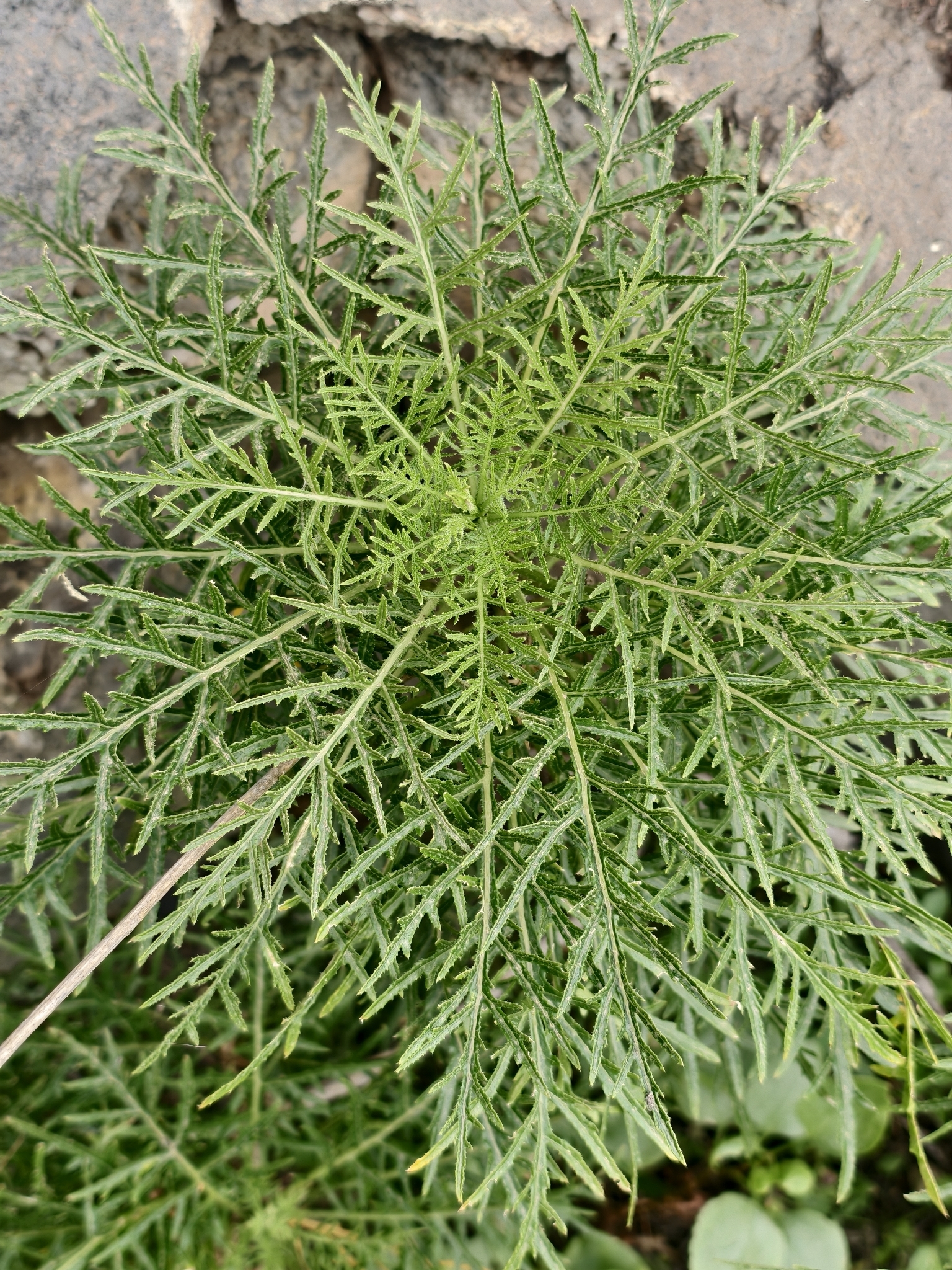
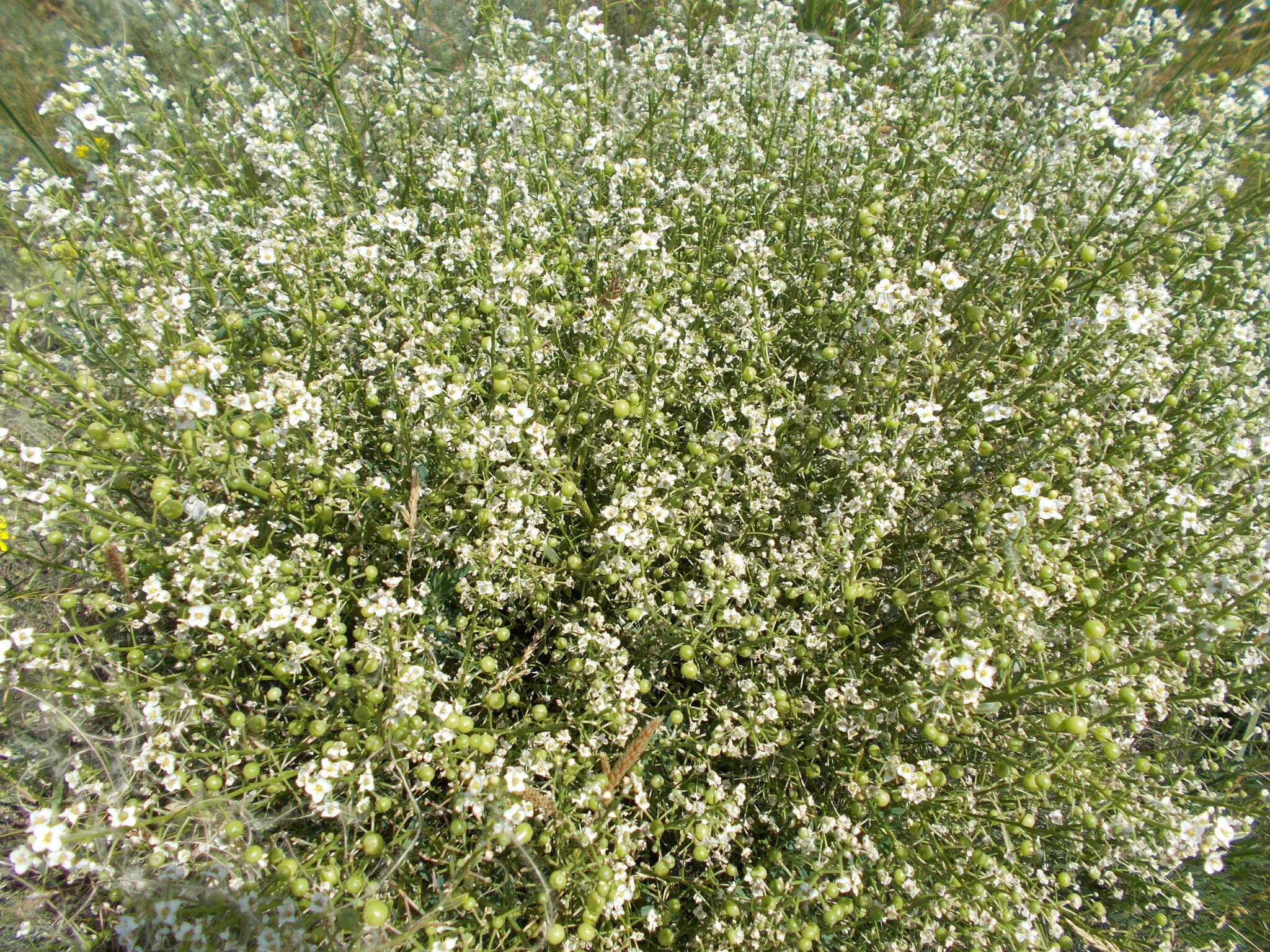
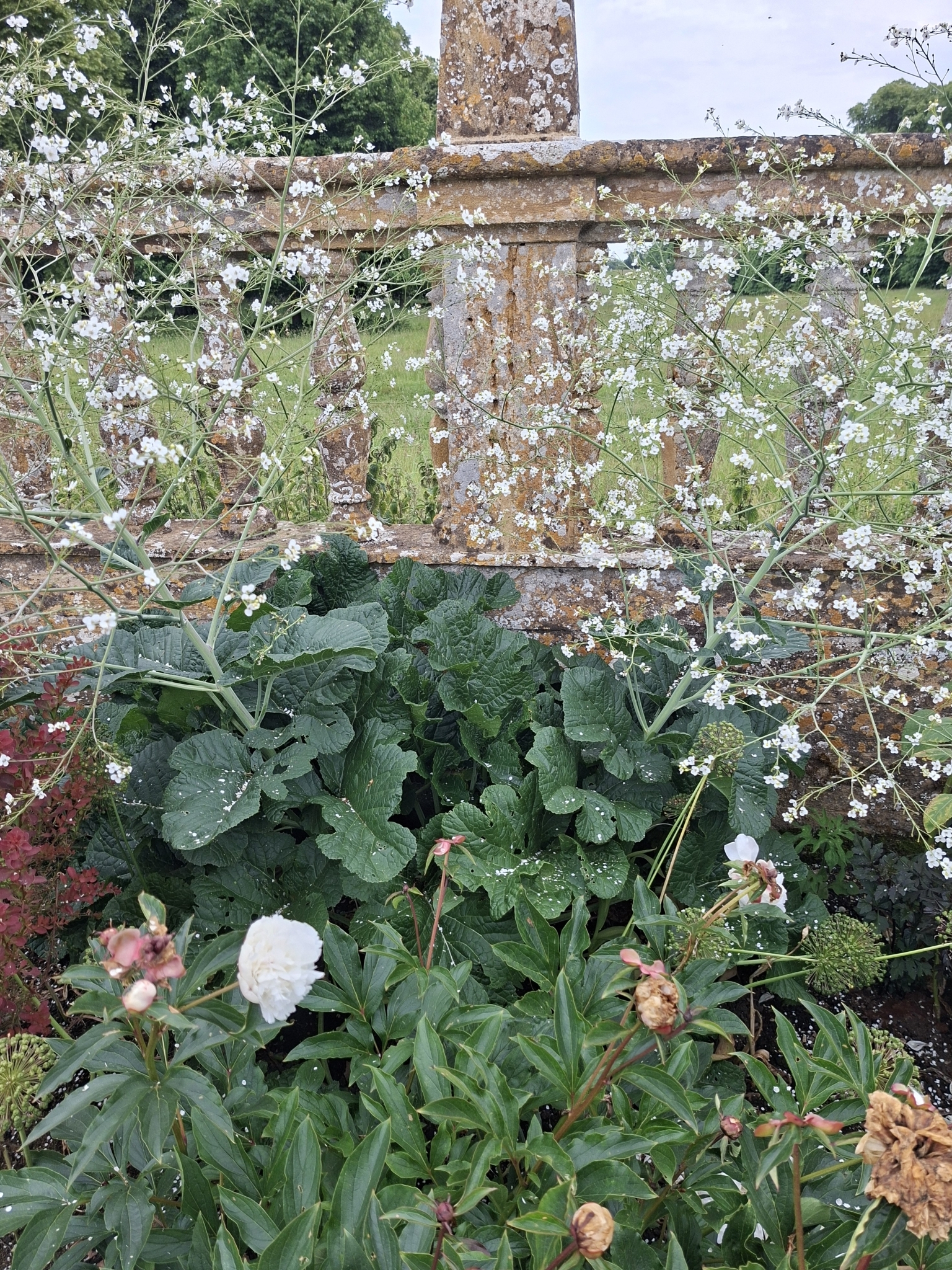
Photos of Sea Kale (Crambe maritima)
Common names and botanical synonyms
Botanical classification
| Rank | Name |
|---|---|
| Kingdom | Plantae |
| Division | Tracheophyta |
| Class | Magnoliopsida |
| Order | Brassicales |
| Family | Brassicaceae |
| Genus | Crambe |
| Species | Crambe maritima |
Similar in genus Crambe
Answers based on plant encyclopedia data