Skip to plant details

Sea-PurslaneAtriplex portulacoides

Also known as Sea Purslane

  • Category: Ornamental
  • Type: Shrub
  • Sunlight: Full Sun
  • Water: Drought Tolerant
  • Temperature: Moderate

Sea-purslane (Atriplex portulacoides) is a hardy, salt-tolerant shrub with silvery-green foliage, ideal for coastal gardens and edible use.

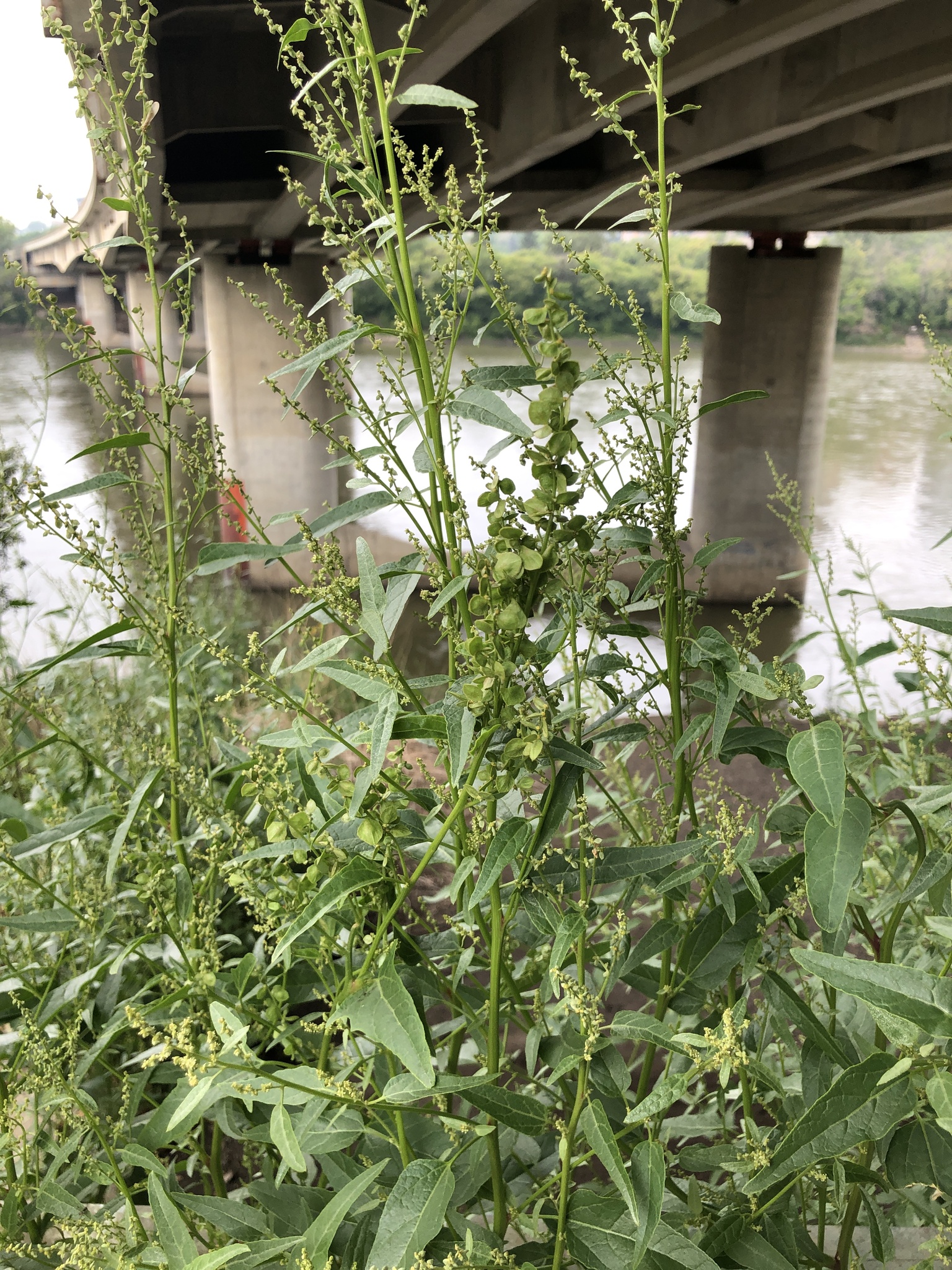
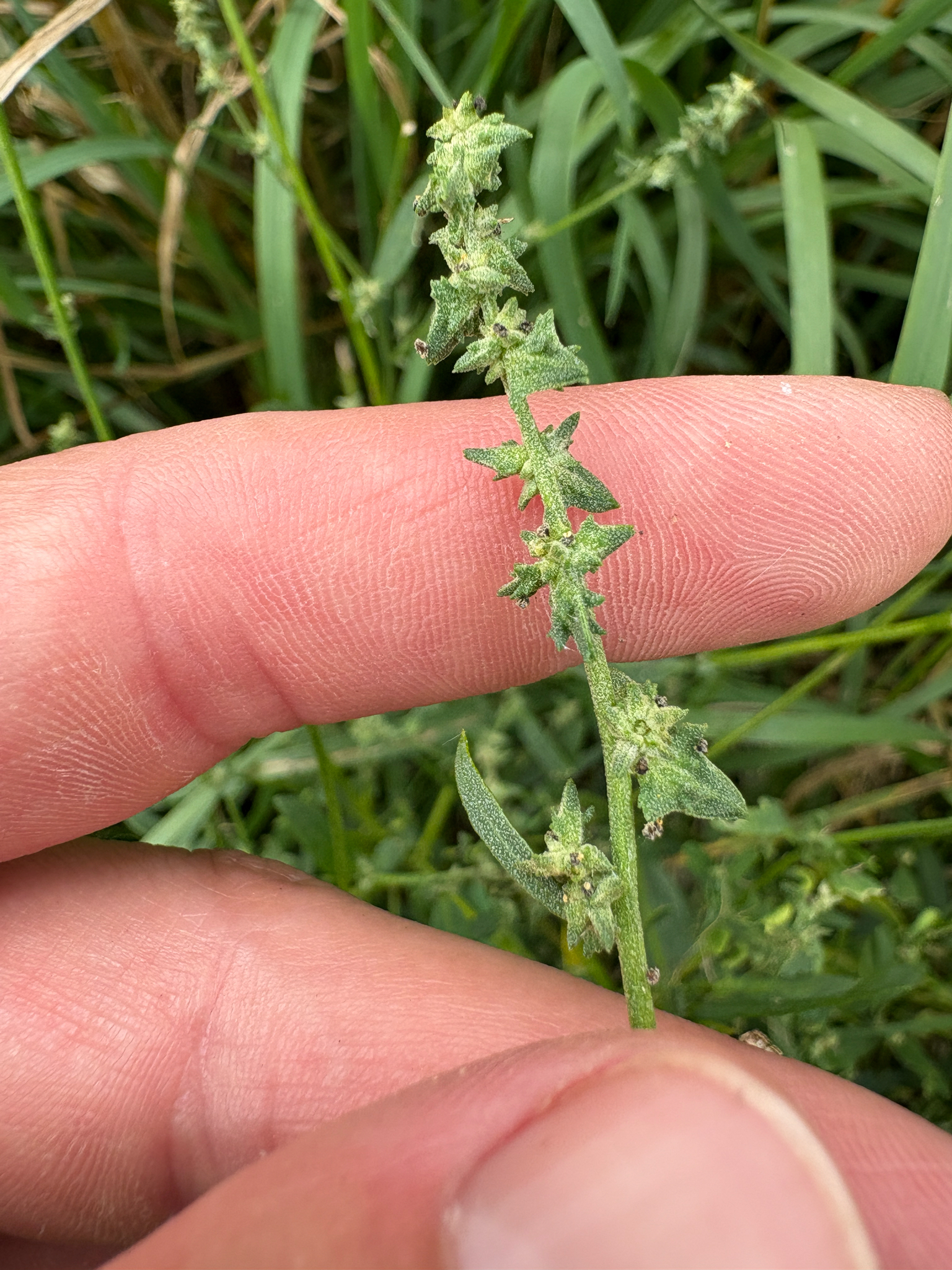
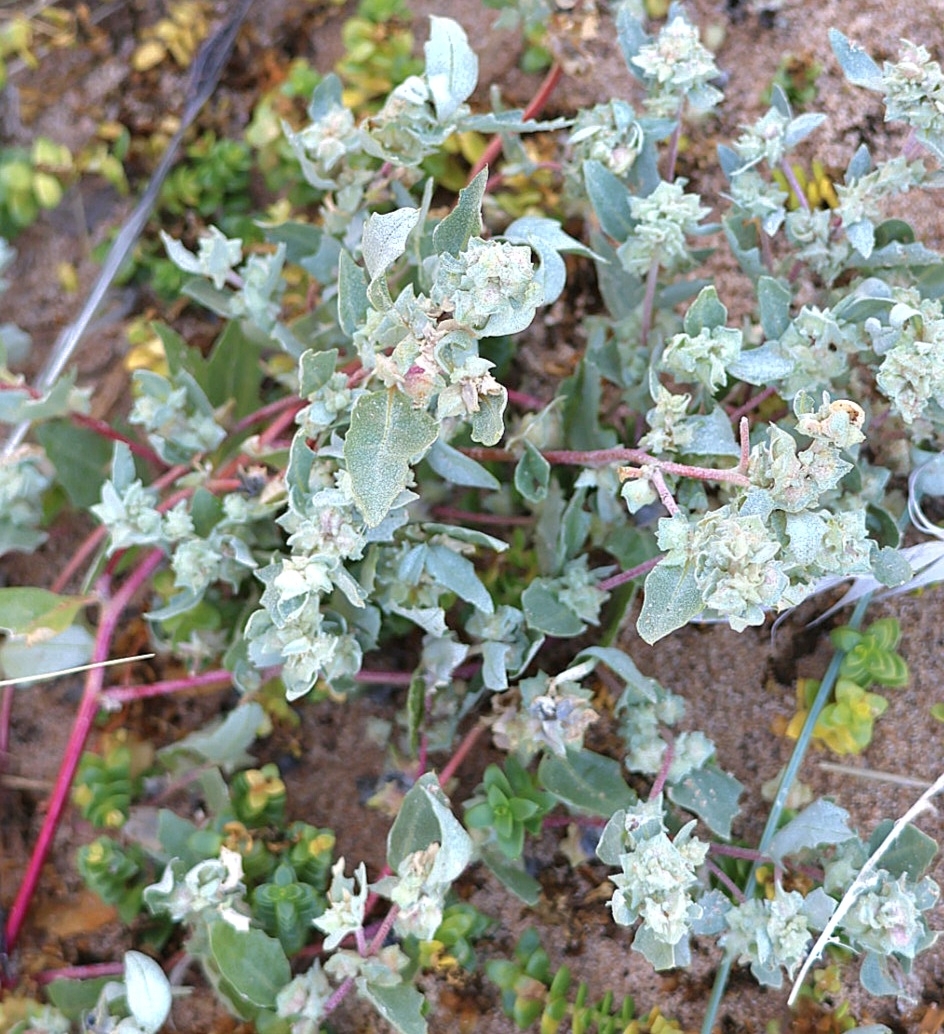
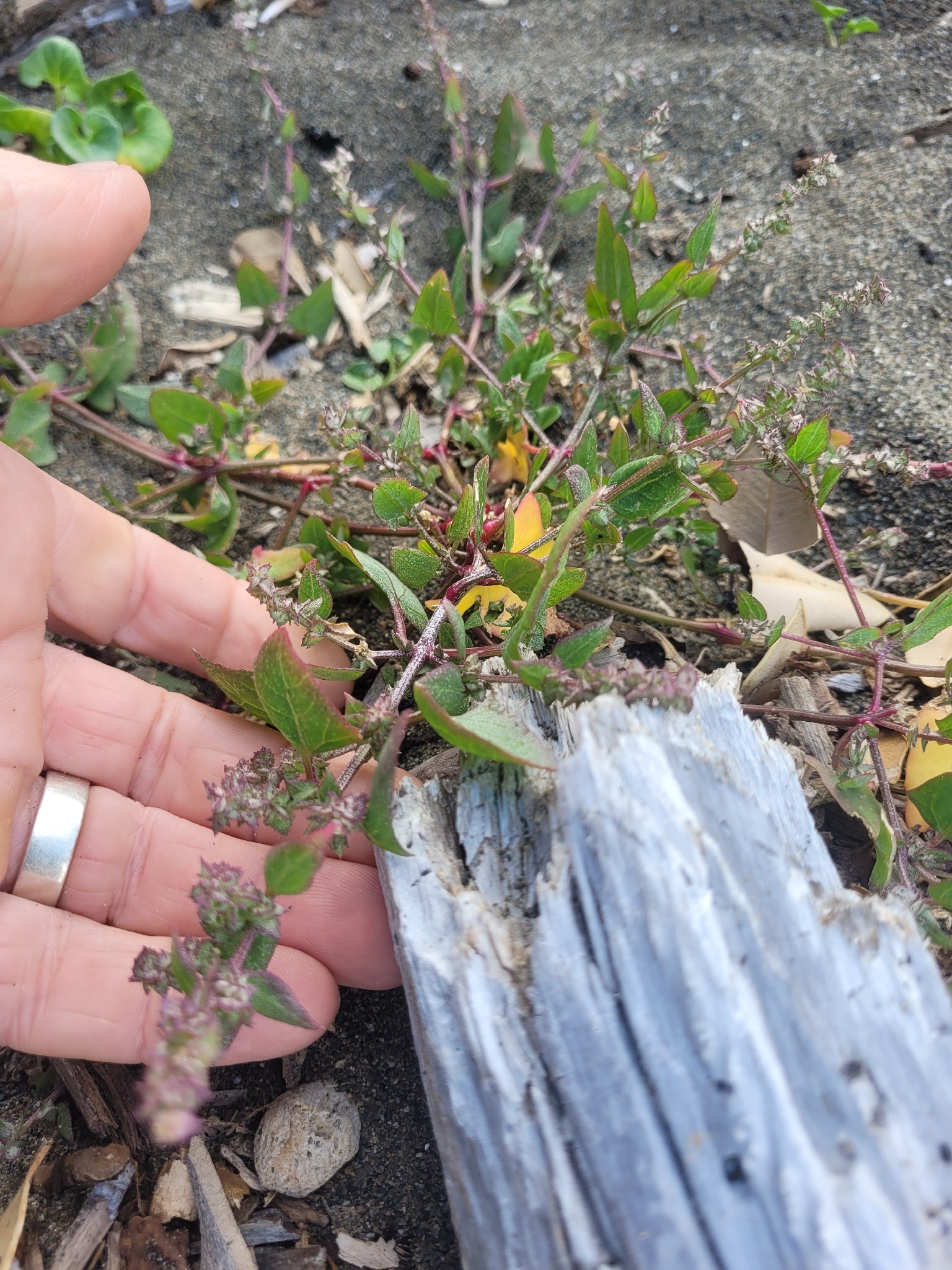
Atriplex portulacoides, commonly known as sea-purslane, is a hardy, salt-tolerant shrub native to coastal regions. Its significance lies in its ability to thrive in challenging saline environments, making it an important component of coastal ecosystems and a valuable plant for ecological restoration and landscaping in similar conditions. This perennial shrub typically grows to a height of 0.5 to 1 meter, forming a dense, spreading habit. The stems are woody at the base and become more herbaceous towards the tips, often exhibiting a grayish or silvery hue. The leaves are alternate, fleshy, and somewhat succulent, a characteristic adaptation to its coastal habitat. They are typically spatulate to oblong in shape, measuring 1 to 3 centimeters in length, and are a distinctive grayish-green color, sometimes appearing silvery due to a covering of fine, salt-excreting hairs. These hairs help the plant manage salt accumulation. The flowers are small and inconspicuous, borne in axillary clusters or terminal panicles. They are unisexual, with male and female flowers often on separate plants or sometimes within the same inflorescence. The fruit is a small achene, enclosed by two bracteoles that are often fleshy and can be reddish or purplish when mature. Atriplex portulacoides is widely distributed along the coasts of Europe, North Africa, and parts of Western Asia. It is a characteristic plant of salt marshes, estuaries, sand dunes, and other coastal habitats where it is frequently exposed to salt spray and inundation by seawater. It prefers well-drained soils, which can range from sandy to loamy, and tolerates a wide pH range. While it thrives in coastal conditions, it can also be cultivated inland in similar well-drained, sunny locations, particularly in areas with alkaline soils or where salt tolerance is desired. It is drought-tolerant once established. The ecological importance of sea-purslane is considerable. It helps stabilize coastal soils, preventing erosion, and provides habitat and food for various coastal wildlife. Its ability to tolerate high salinity makes it a key species in the ecological succession of salt-affected areas. While not widely cultivated for ornamental purposes, its silvery foliage and salt-tolerant nature make it an attractive option for coastal gardens and xeriscaping. Historically, some species within the Atriplex genus have been used as a food source, though specific documented culinary uses for Atriplex portulacoides are less common compared to other related species. Its primary value remains ecological and horticultural for its resilience in saline environments. A notable adaptation of Atriplex portulacoides is its capacity for succulence and its specialized salt-excreting hairs, which allow it to flourish in environments that would be toxic to most other plants. This physiological mechanism is crucial for its survival and success in its native, often harsh, coastal niche.

Photograph © Francisco Clamote

Sea-Purslane Care Summary

At-a-glance light, water, soil, and growing conditions from plant data

Light

Full Sun

100% intensity

Prefers at least 6-8 hours of direct sunlight daily for optimal growth and flowering.

Watering

Drought Tolerant

25% intensity

Allow soil to dry completely between waterings. Avoid waterlogging.

Soil

Sandy, well-drained, tolerates saline soils

50% intensity

Temperature

Moderate

50% intensity

Prefers average room temperatures; tolerates heat well but can withstand some frost.

Fertilizer

Low Feed

25% intensity

Requires minimal feeding; a light balanced fertilizer in spring is sufficient.

Sea-Purslane Toxicity

Safety information from plant toxicity data

Toxicity details for Sea-Purslane
AttributeValue
Toxic for humansNo

0/5 intensity

Toxic for petsNo

0/5 intensity

EdibleYes

Sea-Purslane Quick Facts

Key traits and growing stats from plant data

Plant Type
Shrub
Plant Category
Ornamental
Plant Place Type
Garden, Pot
Lifespan
Perennial
Plant Height
0.2-0.5 m
Spread
0.5-1 m
Growth Rate
Moderate
Dormancy
Evergreen
Leaf Color
Green, Silvery
Leaf Type
Succulent
Optimal Sunlight Lux
60000

Care guide for Sea-Purslane

Watering, pruning, propagation, and repotting details from plant data

Water

Sea-purslane thrives in well-drained soil and prefers infrequent watering. Allow the soil to dry out completely between waterings. Overwatering can lead to root rot, especially in cooler months.

In very hot, dry climates, occasional deep watering might be beneficial.

Pruning

Prune Sea-purslane to maintain shape and encourage bushier growth. Light pruning can be done after flowering to remove spent blooms and trim any straggly stems.

For larger plants or to rejuvenate, harder pruning can be undertaken in early spring before new growth begins.

Propagation

Sea-purslane is easily propagated from stem cuttings. Take cuttings in spring or early summer, dip the ends in rooting hormone, and plant them in well-draining soil or a sand/perlite mix.

Keep moist and in a warm, bright location. Seeds can also be sown in spring.

Repotting

Repotting is generally not a frequent requirement for Sea-purslane, as it prefers to be slightly pot-bound.

If the plant becomes root-bound or outgrows its container, repot in spring into a slightly larger pot with fresh, well-draining compost. Ensure good drainage holes.

Identify plants like this with ePlant

Snap a photo to get care tips and match similar species on the go.

Try for Free

Flowering & Fruiting Cycles

Monthly activity intensity for bloom and fruit across both hemispheres.

Northern hemisphere

Flowering & fruiting calendar

Peak bloom · JunPeak fruit · Jul
FloweringFruiting
02468JanFebMarAprMayJunJulAugSepOctNovDecActivity intensityMonths88
Southern hemisphere

Flowering & fruiting calendar

Peak bloom · NovPeak fruit · Jan
FloweringFruiting
02468JanFebMarAprMayJunJulAugSepOctNovDecActivity intensityMonths888

Sea-Purslane Names & Synonyms

Common names and botanical synonyms

Common Names

  • Sea Purslane
  • Sea-Purslane

Synonyms

  • Atriplex erecta Huds.
  • Chenopodium portulacoides (L.) Thunb.
  • Halimione portulacoides (L.) Aellen
  • Halimus australis T.Nees
  • Halimus borealis T.Nees
  • Halimus portulacoides (L.) Dumort.
  • Obione portulacoides (L.) Moq.

Sea-Purslane Taxonomy

Botanical classification

Taxonomic classification of Sea-Purslane
RankName
kingdomPlantae
divisionTracheophyta
classMagnoliopsida
orderCaryophyllales
familyAmaranthaceae
genusAtriplex
speciesAtriplex portulacoides

Sea-Purslane FAQs

Answers based on plant encyclopedia data

Is Sea-purslane edible?

Yes, the young shoots and leaves of Sea-purslane (Atriplex portulacoides) are edible and have a slightly salty, succulent flavor.

What are the soil requirements for Sea-purslane?

Sea-purslane thrives in well-drained, sandy soils and is highly tolerant of saline conditions. It can also grow in heavier soils if drainage is adequate.

How much sun does Sea-purslane need?

Sea-purslane prefers full sun to partial shade for optimal growth and to maintain its compact habit.

Is Sea-purslane drought tolerant?

Once established, Sea-purslane is very drought tolerant due to its ability to store water and tolerate saline conditions.

Can Sea-purslane be grown in containers?

Yes, Sea-purslane can be grown in containers, provided the container has good drainage and is placed in a sunny location. Use a well-draining potting mix.