Seedbox (Ludwigia hyssopifolia)

Linear Leaf Water Primrose
Primrose Willow
Seed Box
Seedbox
Swamp Primrose

Seedbox (Ludwigia hyssopifolia) is an herbaceous perennial known for its ornamental value and potential ecological roles. It features small, attractive foliage and delica

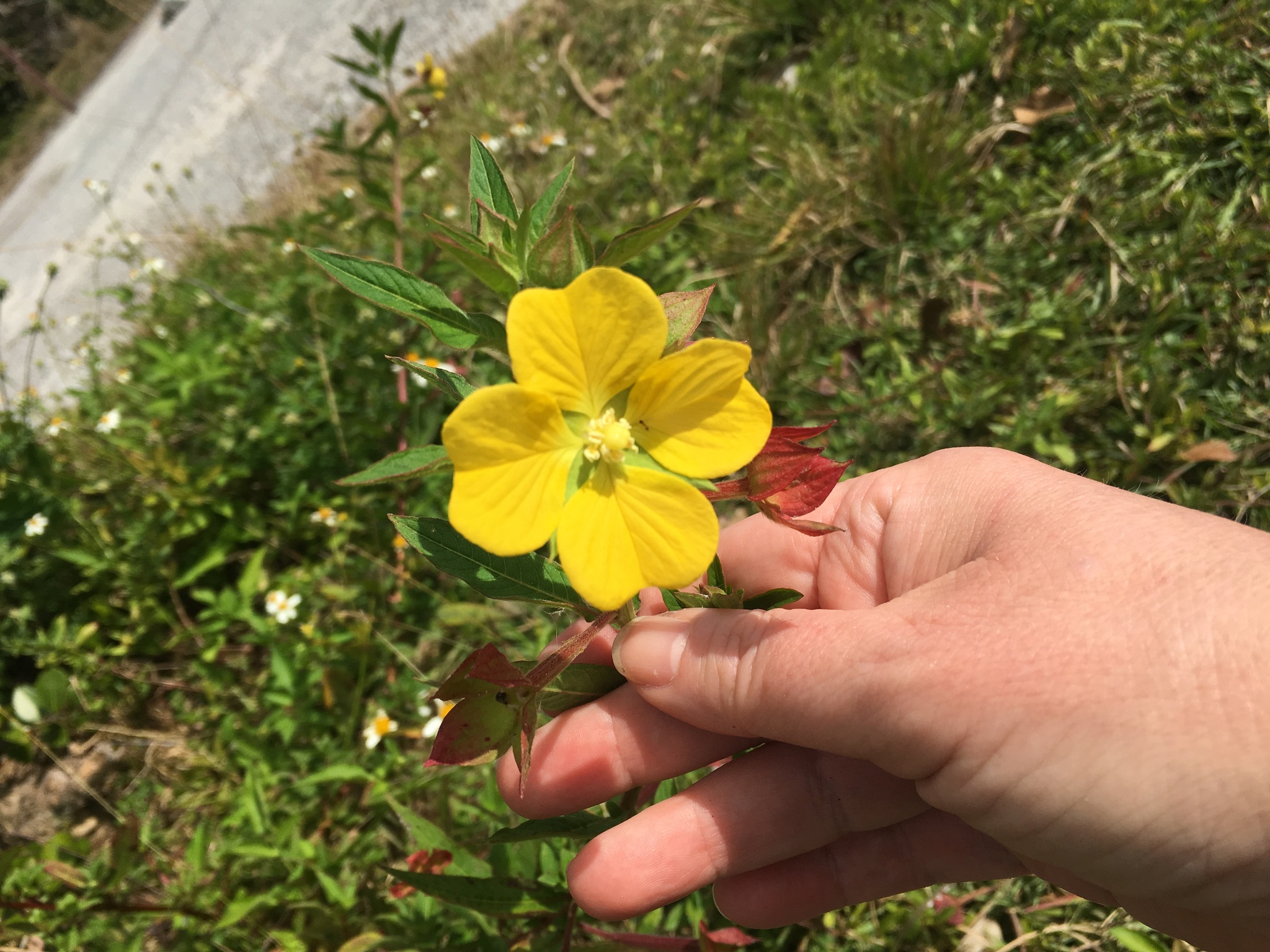
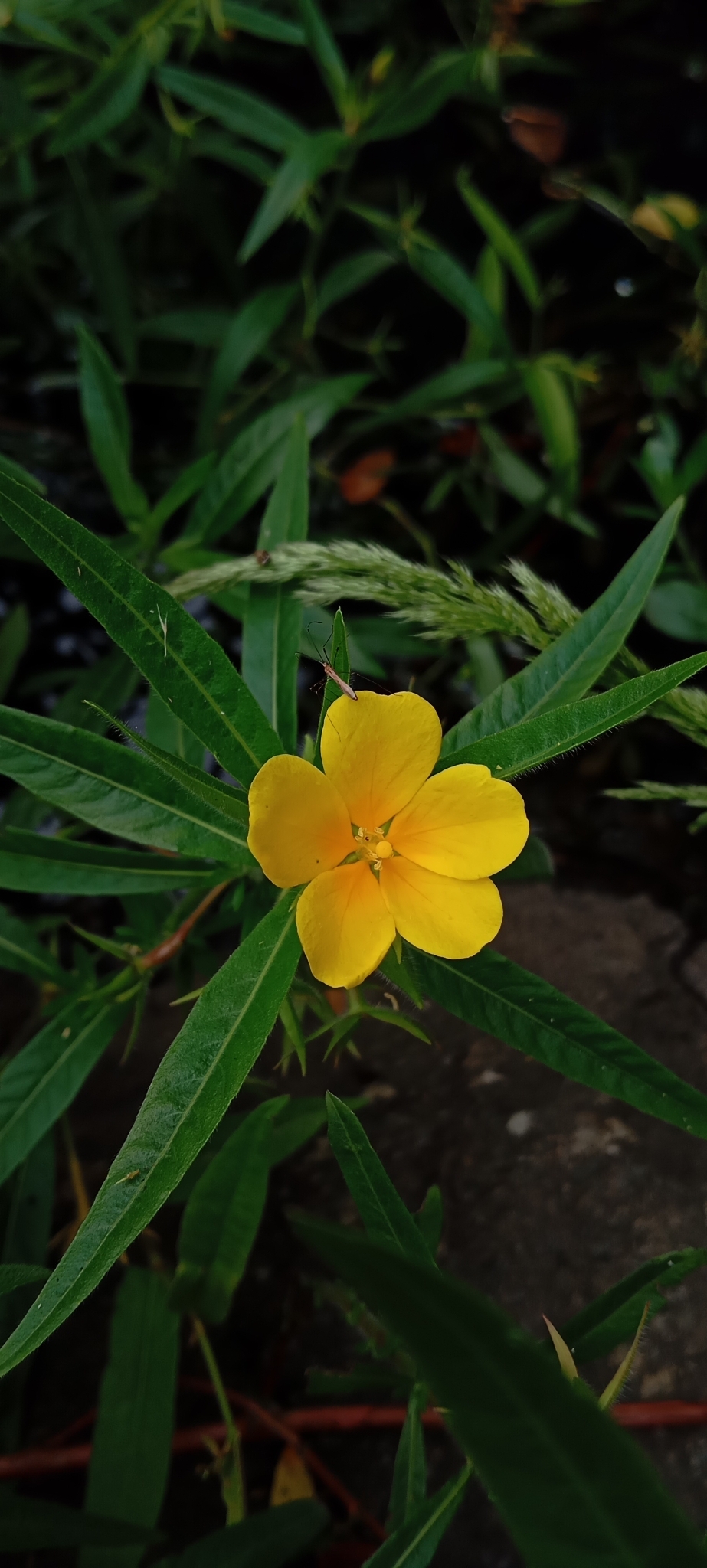
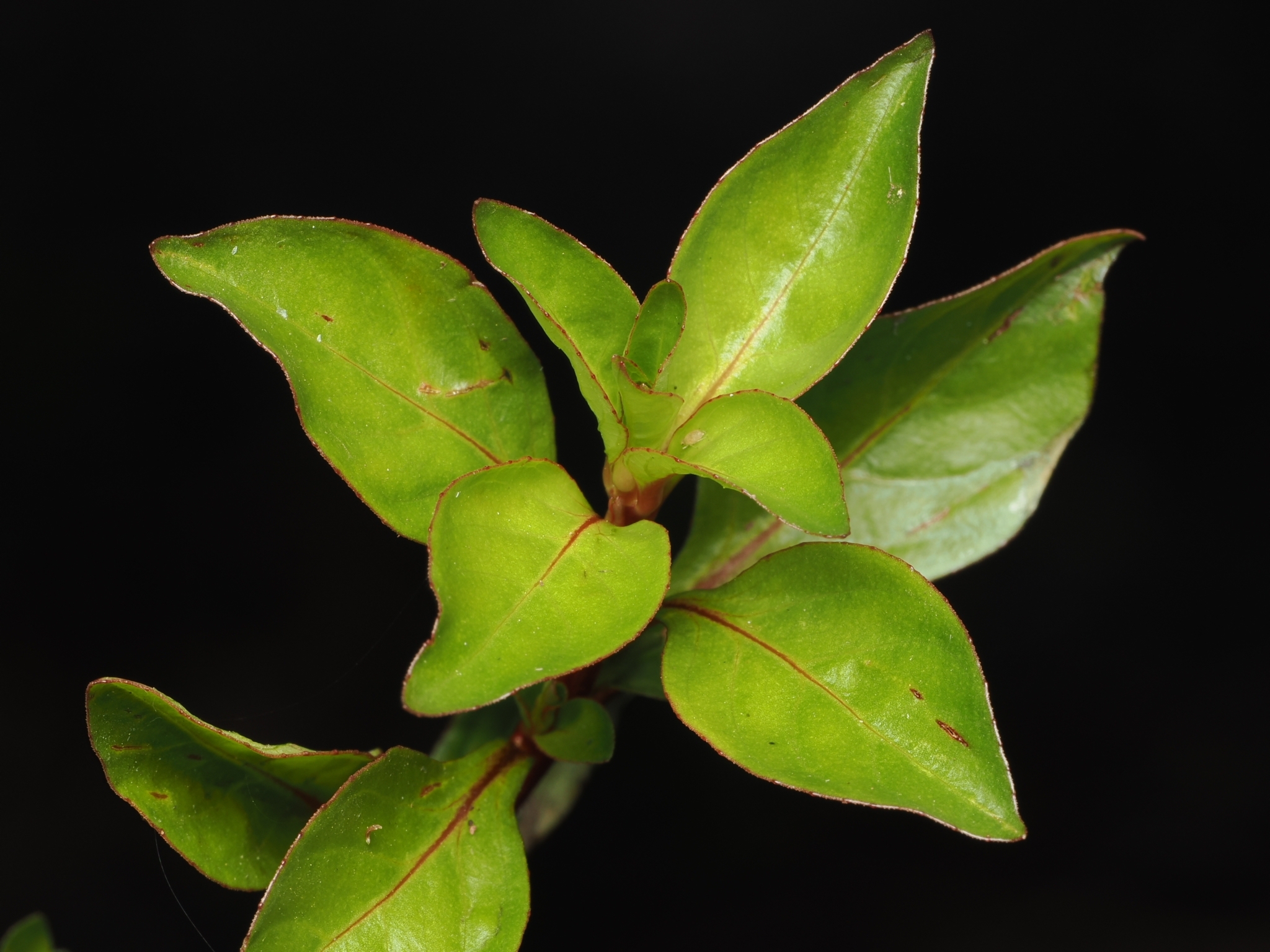
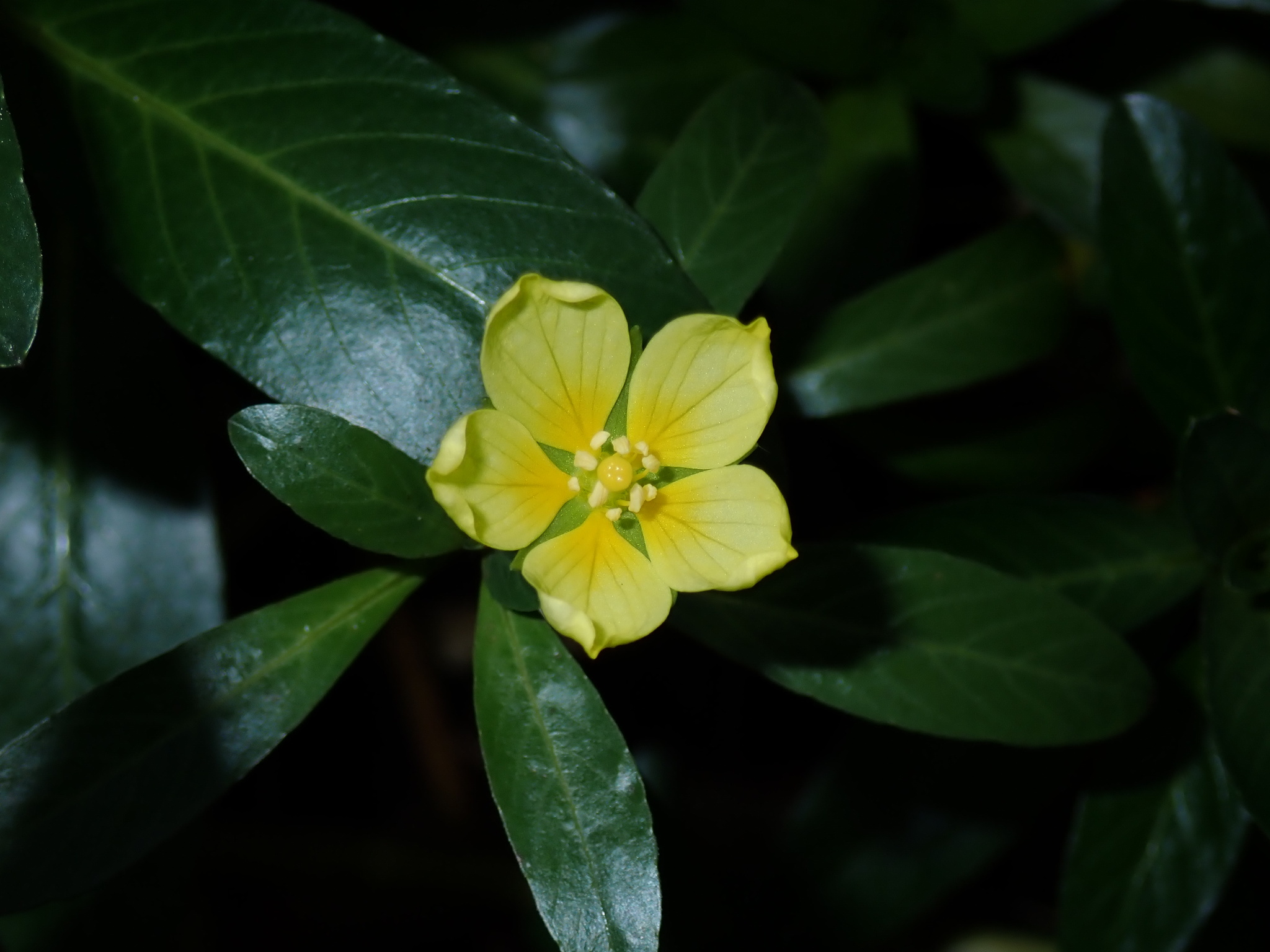
Ludwigia hyssopifolia, commonly known as seedbox, is a herbaceous perennial plant belonging to the Onagraceae family. This species is recognized for its ecological role and distinctive morphology, contributing to the biodiversity of its native habitats. Physically, Ludwigia hyssopifolia typically presents as an erect to spreading herb, reaching heights of 30 to 90 centimeters. Its stems are often branched and can be somewhat woody at the base. The leaves are arranged alternately along the stem and are lanceolate to ovate in shape, measuring approximately 2 to 7 centimeters in length and 0.5 to 2 centimeters in width. They are entire, meaning they have smooth margins, and are sessile or have very short petioles. The plant produces small, inconspicuous flowers, typically solitary or in small axillary clusters. Each flower possesses four petals, which are usually yellow and about 3 to 5 millimeters long. The calyx has four sepals. Following pollination, the plant develops a distinctive fruit, a capsule that is somewhat obconical or cylindrical, measuring about 5 to 10 millimeters in length. This capsule dehisces to release numerous small seeds. The native distribution of Ludwigia hyssopifolia spans tropical and subtropical regions of the Americas, extending from the southern United States through Mexico, Central America, and into South America. It is also found in parts of the Caribbean. This species thrives in a variety of moist to wet habitats, including swamps, marshes, ditches, pond margins, and wet grasslands. It prefers full sun to partial shade and tolerates a range of soil types, provided they remain consistently moist. While not widely cultivated as an ornamental, its adaptability to wet conditions suggests potential for use in rain gardens or wetland restoration projects. Ecologically, Ludwigia hyssopifolia plays a role in its native wetland ecosystems, providing habitat and food for various invertebrates and serving as a component of the plant community. Its seed production contributes to the regeneration of the species. There is limited documented evidence regarding significant ornamental, agricultural, medicinal, culinary, or economic importance for Ludwigia hyssopifolia. Scientific literature primarily focuses on its botanical description, distribution, and ecological presence within its natural range. An interesting characteristic of Ludwigia hyssopifolia is its ability to adapt to fluctuating water levels, a common trait among wetland plants. The structure of its capsule fruit, designed for dispersal in wet environments, is also noteworthy. The common name "seedbox" likely refers to the shape and function of these seed-bearing capsules.

Above information is sourced from Wikipedia

Sunlight

Full Sun to Partial Shade

Watering

Regular

Soil

Sandy loam, Clay, Peat

Temperature

Warm

Habitat

Aquatic

Fertilizer

Moderate

Care Requirements

Light

Full Sun to Partial Shade

Requires at least 6 hours of direct sunlight daily for best growth and flowering.

Watering

Regular

Prefers consistently moist to wet soil; can tolerate shallow standing water.

Soil

Sandy loam, Clay, Peat

Temperature

Warm

Prefers temperatures between 18-27°C. Protect from frost.

Habitat

Aquatic

Fertilizer

Moderate

Feed with balanced liquid fertilizer diluted during the growing season.

Plant Overview

Plant Type

Herb, Aquatic

Plant Place Type

Pot

Plant Environment

Aquatic

Lifespan

Annual

Plant Height

0.3 - 1 m

Spread

0.3 - 0.5 m

Growth Rate

Fast

Dormancy

None

Leaf Color

Green

Leaf Type

Simple

Flower Size

0.5 - 1 cm

Optimal Sunlight Lux

60000

Image Gallery

Flowering & Fruiting Cycles

Monthly activity intensity for bloom and fruit across both hemispheres.

Northern hemisphere

Flowering & fruiting calendar

Peak bloom · JulPeak fruit · Jul
FloweringFruiting
02468JanFebMarAprMayJunJulAugSepOctNovDecActivity intensityMonths87
Southern hemisphere

Flowering & fruiting calendar

Peak bloom · DecPeak fruit · Dec
FloweringFruiting
02468JanFebMarAprMayJunJulAugSepOctNovDecActivity intensityMonths87
Synonyms
Fissendocarpa linifolia (Vahl) Bennet
Jussiaea fissendocarpa Haines
Jussiaea hyssopifolia G.Don
Jussiaea linifolia Vahl
Jussiaea micrantha Kunze
Jussiaea weddelii Micheli
Ludwigia micrantha (Kunze) H.Hara
Taxonomy
  • kingdomPlantae
  • divisionTracheophyta
  • classMagnoliopsida
  • orderMyrtales
  • familyOnagraceae
  • genusLudwigia
  • speciesLudwigia hyssopifolia
Toxicity

Toxic for humans

No

Rating: 0/5

Toxic for pets

No

Rating: 0/5

Edible

No

None

Additional Care Tips

Keep the soil consistently moist, especially during the growing season. Ludwigia hyssopifolia thrives in wet conditions and can even be grown in shallow water. Avoid letting the soil dry out completely, as this can stress the plant. Reduce watering slightly in cooler months.

Prune Ludwigia hyssopifolia to maintain desired shape and encourage bushier growth. Trim back leggy stems regularly. Deadhead spent flowers to promote further blooming. Pruning can be done year-round, but is most effective in spring before new growth begins.

Seedbox is easily propagated from seeds sown in moist soil or from stem cuttings. Cuttings can be rooted in water or directly in moist potting mix. Seeds can be sown directly in their intended location after the last frost. This plant readily self-seeds.

Repot Ludwigia hyssopifolia annually or when it becomes root-bound, typically in early spring. Use a well-draining potting mix, or plant directly into moist soil in its permanent location, especially if grown as an aquatic or marginal plant. Ensure adequate space for root development.

FAQs

What are the ideal growing conditions for Ludwigia hyssopifolia?

Ludwigia hyssopifolia thrives in moist to wet conditions and prefers full sun to partial shade. It can tolerate a range of soil types but prefers consistently damp environments.

How tall does Seedbox typically grow?

Ludwigia hyssopifolia generally reaches a height of 30 to 60 cm, though it can sometimes grow taller depending on environmental factors.

Is Ludwigia hyssopifolia invasive?

In some regions, Ludwigia species can be invasive, particularly in aquatic or wetland environments. It is important to check local regulations and consider its potential spread before planting.

Does Seedbox attract pollinators?

Yes, the small flowers of Ludwigia hyssopifolia can attract bees and other small pollinators, contributing to local biodiversity.

How can Ludwigia hyssopifolia be propagated?

Ludwigia hyssopifolia can be propagated from seeds, stem cuttings, or by division of established plants. It readily self-seeds in suitable conditions.