Skip to plant details

SesameSesamum indicum

Also known as Beniseed · Benne · Benneseed

  • Category: Vegetable
  • Type: Herb
  • Sunlight: Full Sun
  • Water: Moderate, with attention to drainage
  • Temperature: Warm
  • Habitat: Outdoor

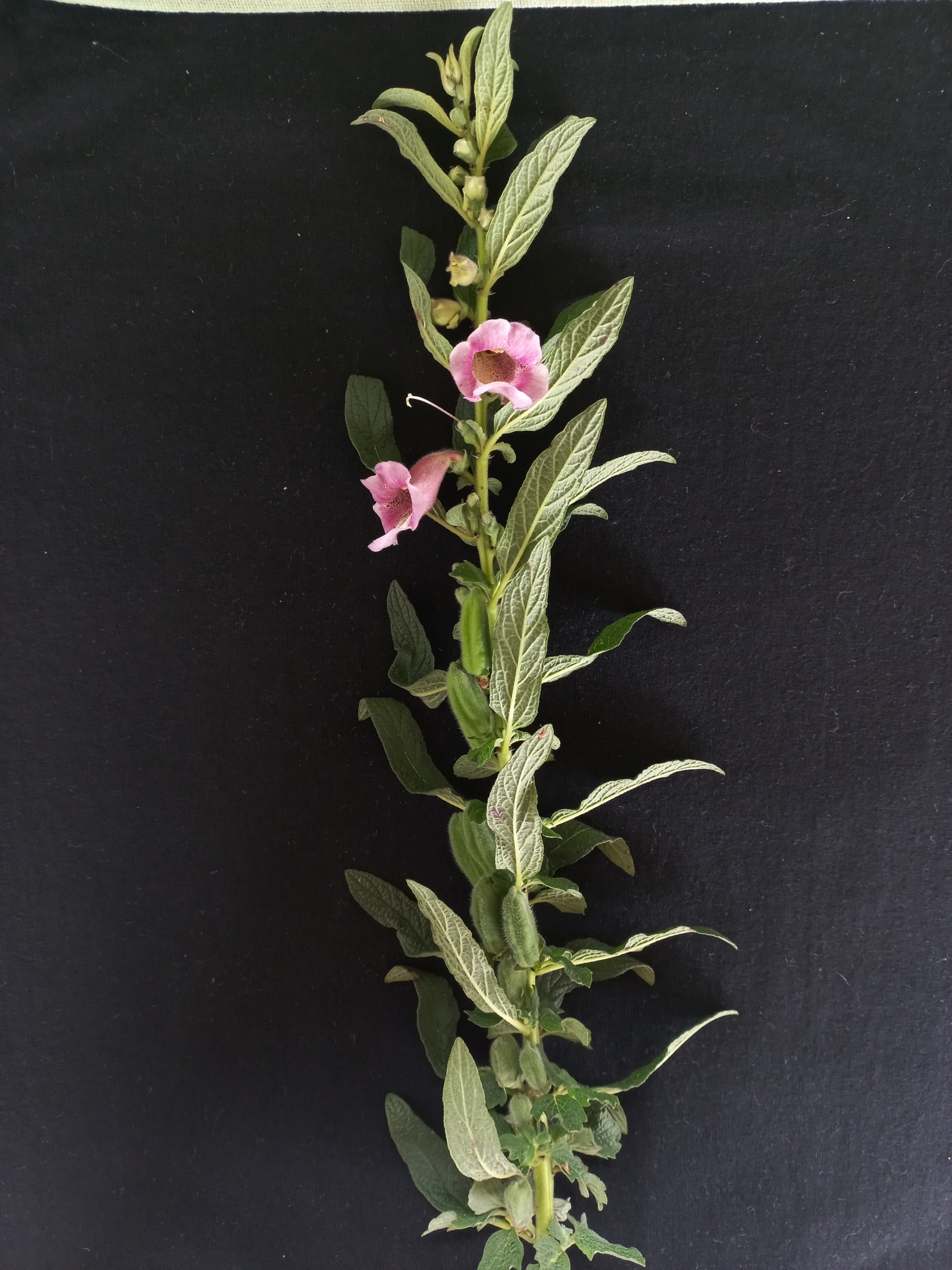
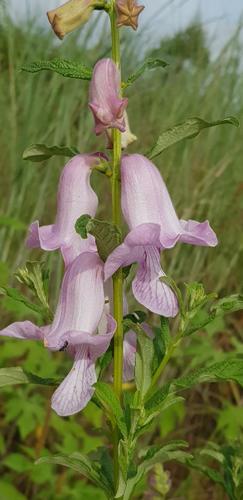
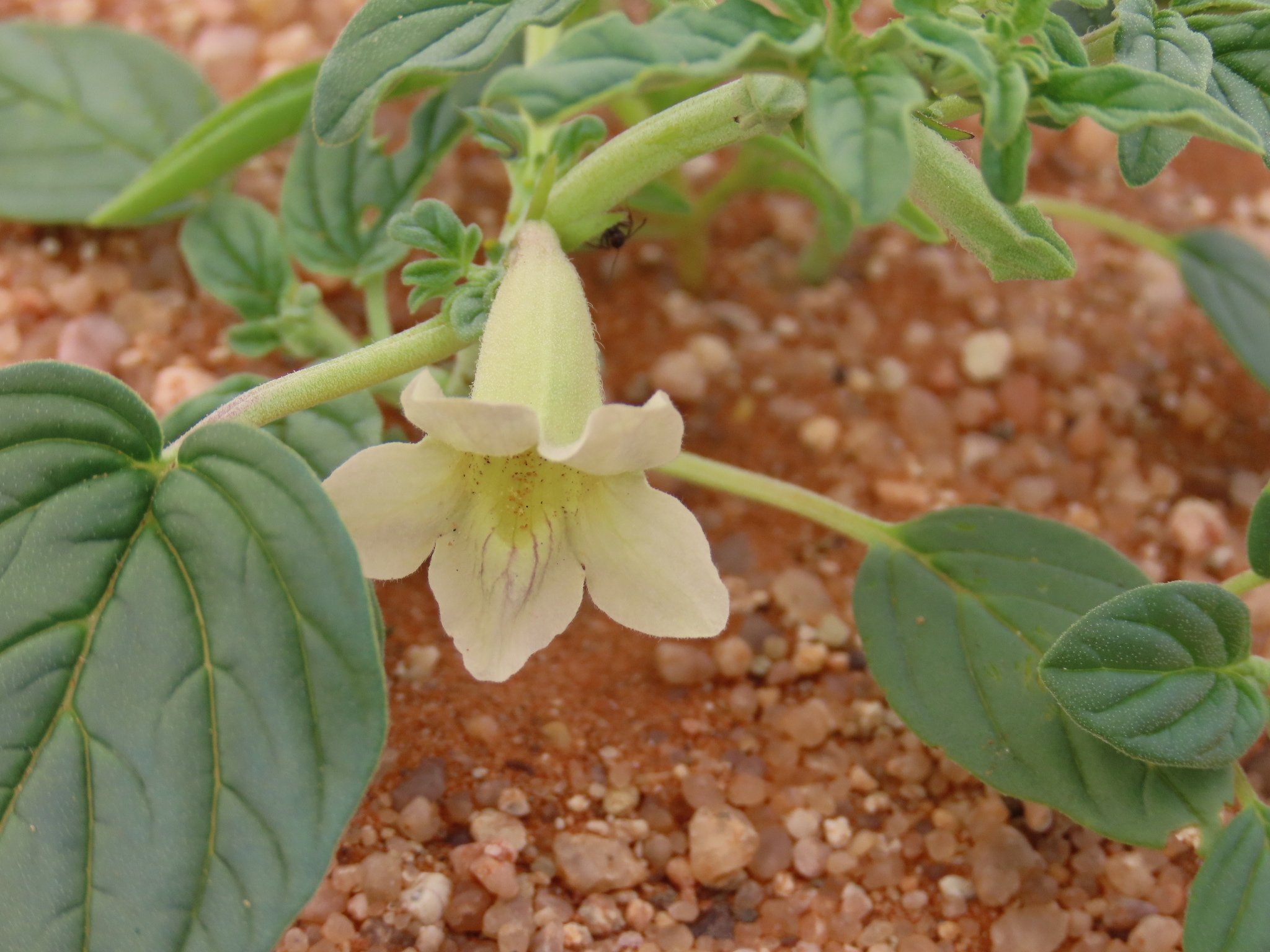
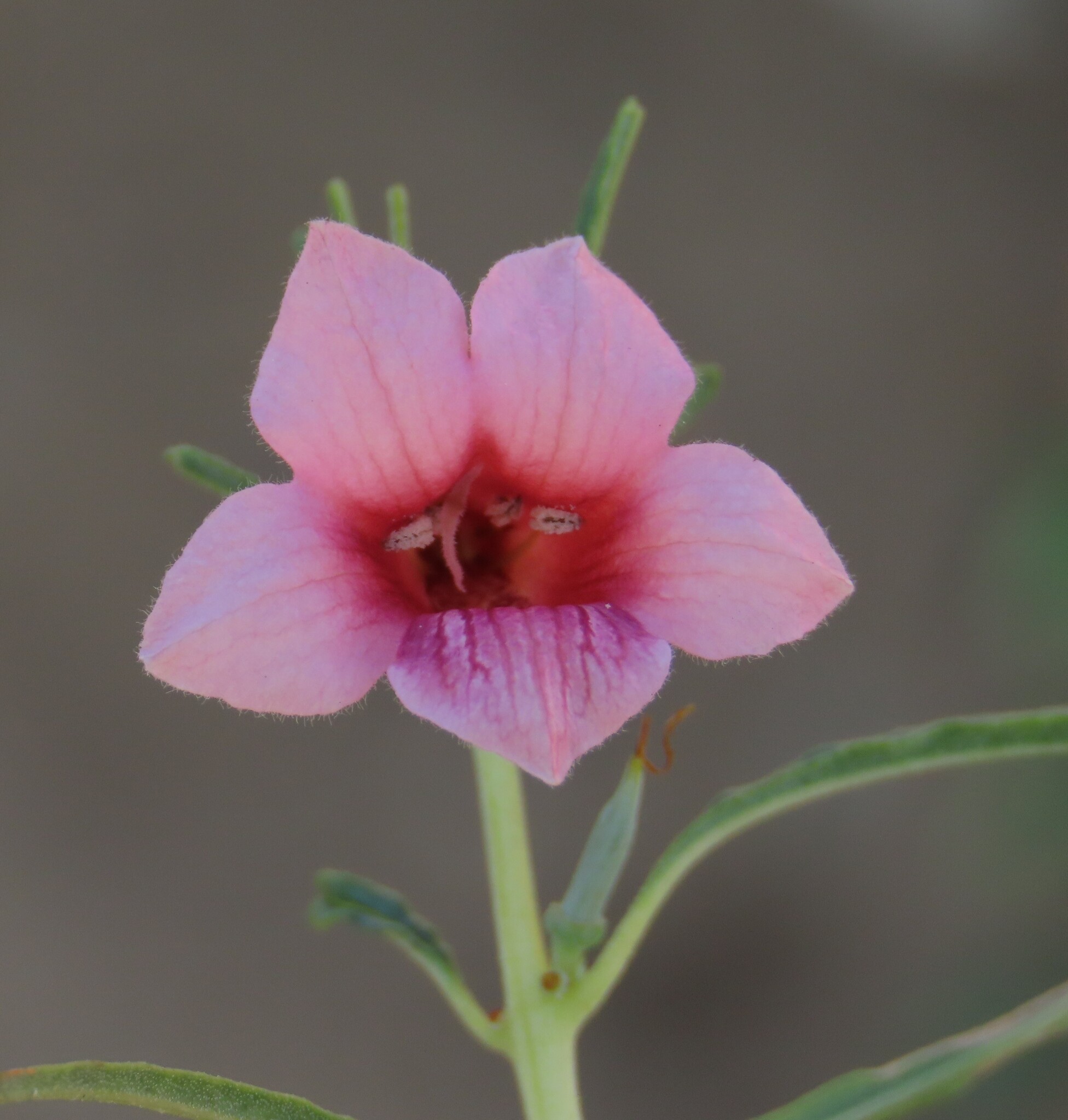
Sesame (Sesamum indicum) is an ancient oilseed crop, cultivated for its edible seeds and oil, featuring pale flowers and capsules.

Photograph © 葉子 · CC0

Sesame Care Summary

At-a-glance light, water, soil, and growing conditions from plant data

Light

Full Sun

100% intensity

Requires at least 6-8 hours of direct sunlight daily for optimal growth and seed production.

Watering

Moderate, with attention to drainage

50% intensity

Keep soil consistently moist but not waterlogged. Reduce watering as seeds mature.

Soil

Sandy loam, Loam, Clay loam

50% intensity

Temperature

Warm

75% intensity

Prefers warm temperatures, ideally between 20°C and 30°C. Sensitive to frost.

Habitat

Outdoor

50% intensity

Fertilizer

Low to Moderate

25% intensity

Benefits from well-drained soil enriched with compost. Avoid high nitrogen fertilizers.

Sesame Toxicity

Safety information from plant toxicity data

Toxicity details for Sesame
AttributeValue
Toxic for humansNo

0/5 intensity

Toxic for petsNo

0/5 intensity

EdibleYes

Sesame Quick Facts

Key traits and growing stats from plant data

Plant Type
Herb
Plant Category
Vegetable
Plant Place Type
Garden, Pot
Plant Environment
Outdoor
Lifespan
Annual
Plant Height
0.5-2.5 m
Spread
0.15-0.3 m
Growth Rate
Moderate
Dormancy
None
Leaf Color
Green
Leaf Type
Simple
Flower Size
2-3 cm
Optimal Sunlight Lux
100000

Care guide for Sesame

Watering, pruning, propagation, and repotting details from plant data

Water

Sesame prefers consistent moisture but dislikes waterlogged soil. Water deeply when the top 2-3 cm of soil feels dry, especially during flowering and seed development.

Reduce watering as the plant matures and begins to dry down for harvest. Ensure good drainage to prevent root rot.

Pruning

Pruning is generally not necessary for sesame plants. Their natural growth habit is bushy and upright.

If plants become leggy or overcrowded in a small space, light pinching of the tips can encourage bushier growth, but this is typically done only for aesthetic purposes or to manage space.

Propagation

Sesame is primarily grown from seeds. Sow seeds directly into the ground after the last frost when soil temperatures have warmed. Seeds germinate best in warm soil.

You can also start seeds indoors a few weeks before the last frost, but transplanting can be tricky for this direct-sown crop.

Repotting

Sesame is an annual plant and is not typically repotted. It is best sown directly into its final growing location. If starting seeds indoors in small containers, they will be transplanted outdoors.

Once established in the garden, they will complete their life cycle and not require repotting.

Identify plants like this with ePlant

Snap a photo to get care tips and match similar species on the go.

Try for Free

Flowering & Fruiting Cycles

Monthly activity intensity for bloom and fruit across both hemispheres.

Northern hemisphere

Flowering & fruiting calendar

Peak bloom · JulPeak fruit · Aug
FloweringFruiting
02468JanFebMarAprMayJunJulAugSepOctNovDecActivity intensityMonths99
Southern hemisphere

Flowering & fruiting calendar

Peak bloom · SepPeak fruit · Oct
FloweringFruiting
02468JanFebMarAprMayJunJulAugSepOctNovDecActivity intensityMonths99

Sesame Names & Synonyms

Common names and botanical synonyms

Common Names

  • Beniseed
  • Benne
  • Benneseed
  • Benniseed
  • Common Sesame
  • Common Simsim
  • Gingelly
  • Hu Ma
  • Koba
  • Semsem
  • Sesame
  • Simsim
  • Til-Seed
  • کنجد،
  • నువ్వులు

Synonyms

  • Anthadenia sesamoides Lem.
  • Sesamum africanum Tod.
  • Sesamum auriculatum C.Presl
  • Sesamum brasiliense Vell.
  • Sesamum foetidum Afzel. ex Engl.
  • Sesamum hopkinsii Suess.
  • Sesamum luteum Retz.
  • Sesamum malabaricum Burm.
  • Sesamum mulayanum N.C.Nair
  • Sesamum occidentalis Heer & Regel
  • Sesamum orientale L.
  • Sesamum somalense Chiov.
  • Sesamum tavakarii M.R.Almeida & S.M.Almeida
  • Sesamum trifoliatum Mill.
  • Strobilanthes gentiliana H.Lév.
  • Volkameria orientalis (L.) Kuntze
  • Volkameria sesamoides (Lem.) Kuntze

Sesame Taxonomy

Botanical classification

Taxonomic classification of Sesame
RankName
kingdomPlantae
divisionTracheophyta
classMagnoliopsida
orderLamiales
familyPedaliaceae
genusSesamum
speciesSesamum indicum

Sesame FAQs

Answers based on plant encyclopedia data

What are the ideal growing conditions for Sesame (Sesamum indicum)?

Sesame thrives in warm climates with full sun exposure. It prefers well-drained soils and is relatively drought-tolerant once established.

How tall does Sesame (Sesamum indicum) typically grow?

Sesame plants usually reach a height of 0.6 to 1.5 meters, though some varieties can grow taller.

When is the best time to harvest Sesame (Sesamum indicum)?

Harvesting typically occurs when the lower leaves begin to turn yellow and the seed capsules start to dry and split open, usually in late summer or early autumn.

Can Sesame (Sesamum indicum) be grown in containers?

While possible, growing sesame in containers is challenging due to its specific light and soil requirements, and it is more suited for in-ground cultivation.

What are the primary uses of Sesame (Sesamum indicum) seeds?

Sesame seeds are widely used in baking, as a garnish for bread and pastries, in tahini, and for extracting sesame oil, which is used in cooking and cosmetics.