Also known as Light Galangal · Pink Porcelain-Lily · Porcelain Ginger
Category: Ornamental, Foliage
Type: Shrub
Sunlight: Prefers bright, indirect light.
Water: Consistent moisture is key.
Temperature: Thrives in warmth.
Shellplant (Alpinia zerumbet) is an ornamental ginger with showy, shell-like bracts and fragrant flowers, thriving in warm climates.
Alpinia zerumbet, commonly known as the shellplant or pink porcelain lily, is a striking perennial herb belonging to the ginger family, Zingiberaceae. This species is recognized for its ornamental appeal, particularly its unique inflorescences that resemble delicate seashells. Native to the tropical regions of Southeast Asia, including Taiwan and southern China, Alpinia zerumbet thrives in warm, humid environments. It is often found in its natural habitat growing in forests, along stream banks, and in disturbed areas, typically in well-drained soils.
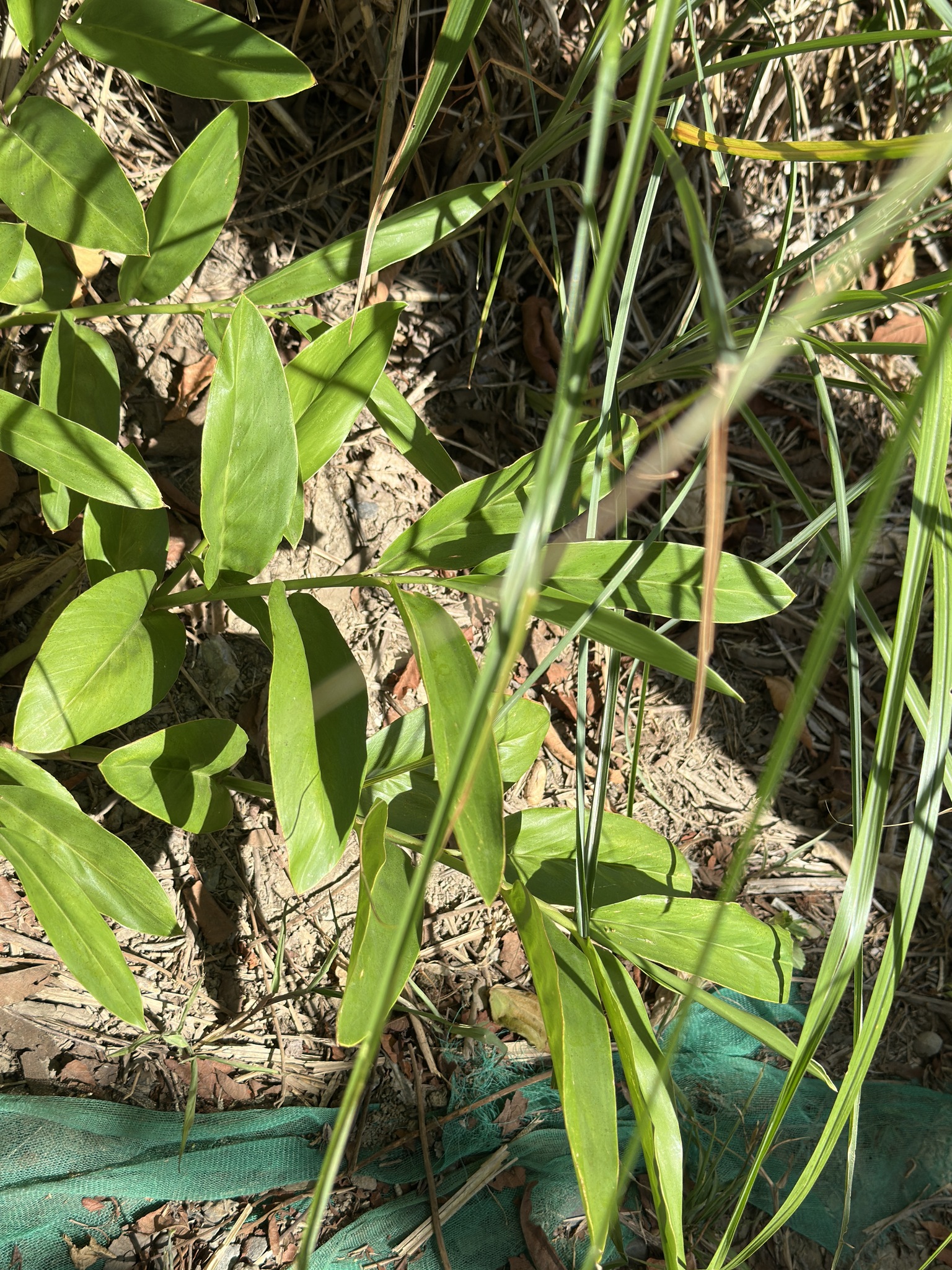
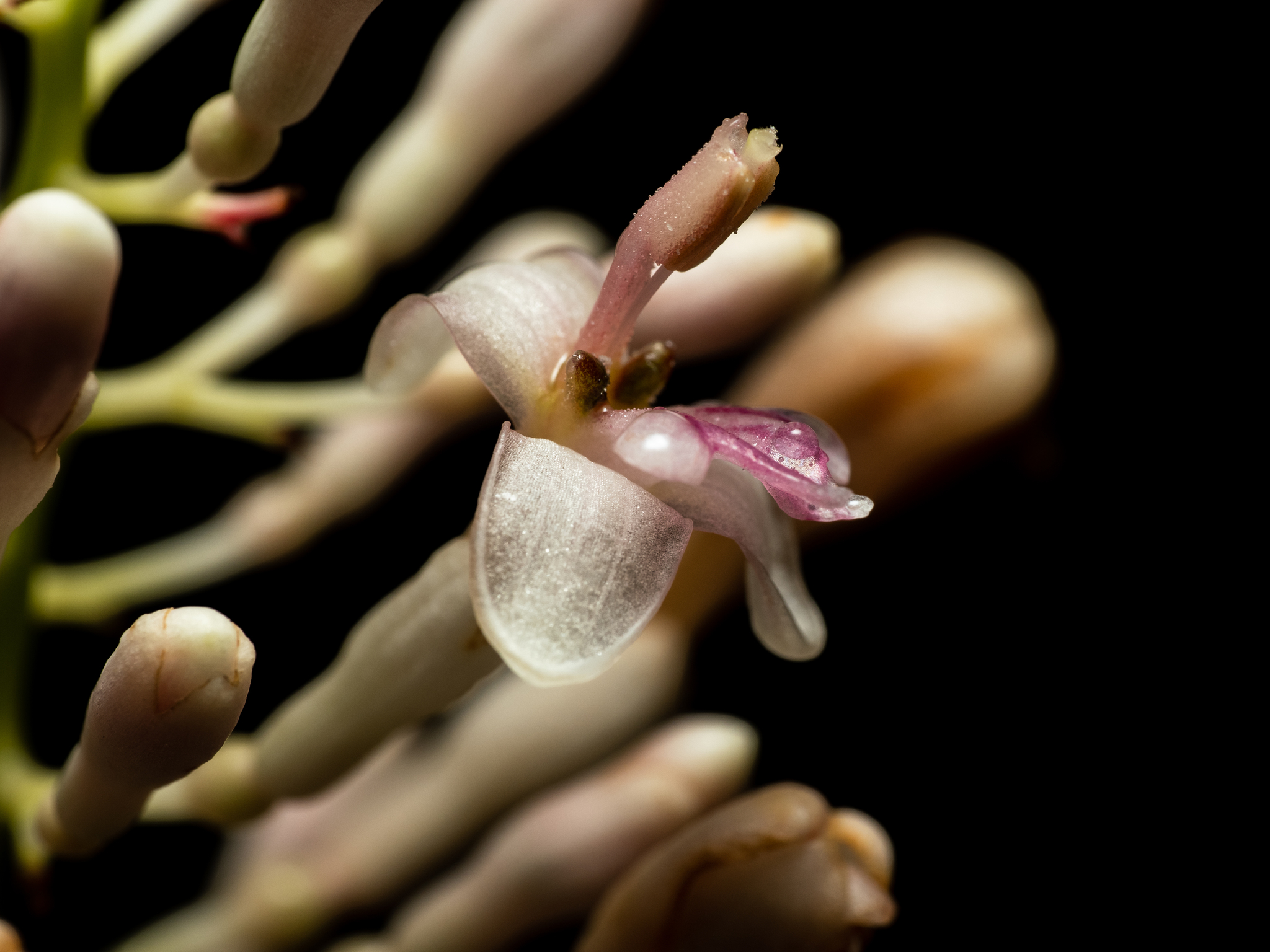
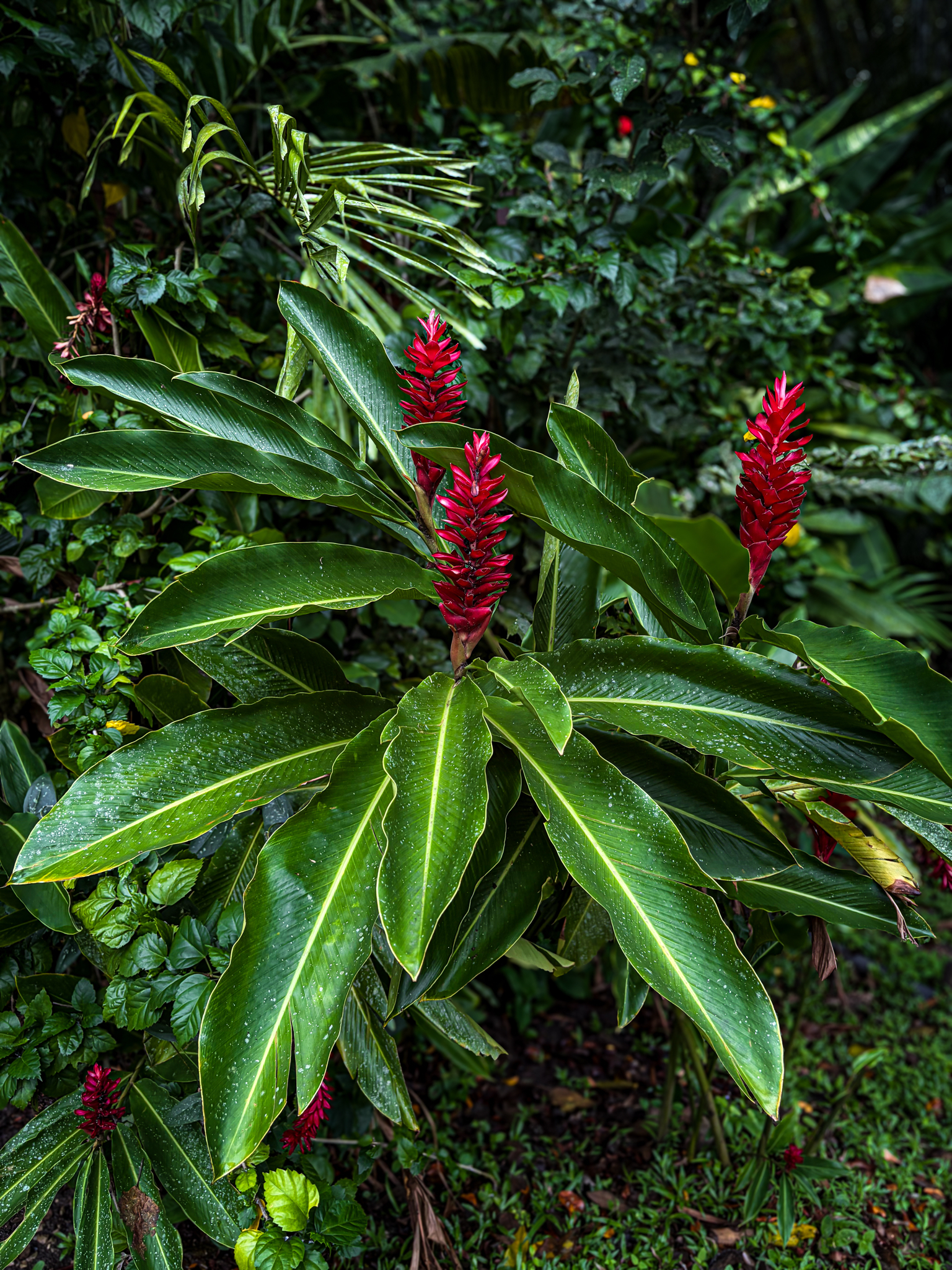
The shellplant is an erect, rhizomatous perennial that can reach heights of 1.5 to 3 meters (5 to 10 feet). Its growth habit is characterized by pseudostems formed from tightly rolled leaf sheaths, giving it a bamboo-like appearance. The leaves are large, lanceolate to oblong, glossy green, and arranged alternately along the pseudostem, measuring up to 60 centimeters (2 feet) long and 15 centimeters (6 inches) wide. The most distinctive feature of Alpinia zerumbet is its terminal inflorescence, which is a pendulous raceme composed of showy, waxy bracts. These bracts are typically white or pale pink, often with a prominent red or pink blush, and they enclose the actual flowers. The flowers themselves are small, tubular, and white, with a showy labellum. The inflorescence persists for a considerable time, providing a long-lasting display of color and form. Following flowering, the plant may produce small, round fruits, though these are not as commonly observed or as ornamental as the bracts.
Cultivation of Alpinia zerumbet is best suited to tropical and subtropical climates. It prefers full sun to partial shade and requires consistently moist, well-drained soil rich in organic matter. While it tolerates a range of soil types, good drainage is crucial to prevent root rot. In cooler regions, it can be grown in containers and brought indoors during winter or protected from frost. The shellplant is valued for its ornamental qualities in landscaping, particularly in tropical gardens, as a specimen plant, or in mass plantings for a dramatic effect. Its architectural form and long-lasting floral display make it a popular choice for adding exotic beauty.
Beyond its ornamental use, Alpinia zerumbet has some documented traditional uses. In some cultures, parts of the plant have been employed in traditional medicine, though scientific validation of these uses is ongoing. The rhizomes are aromatic and have been historically used in some regions for their fragrance. The plant's ability to thrive in humid conditions and its striking visual appeal contribute to its significance as a cultivated ornamental species in tropical and subtropical horticulture. Its unique inflorescence structure, resembling a cascade of delicate shells, is a testament to the diverse and captivating forms found within the plant kingdom.
At-a-glance light, water, soil, and growing conditions from plant data
Light
Prefers bright, indirect light.
75% intensity
Can tolerate partial shade, but may flower less. Protect from intense, direct afternoon sun.
Watering
Consistent moisture is key.
50% intensity
Allow the top inch of soil to dry out between waterings. Ensure good drainage.
Soil
Well-drained
50% intensity
Temperature
Thrives in warmth.
75% intensity
Ideal temperatures range from 18-27°C. Avoid cold drafts and temperatures below 10°C.
Fertilizer
Regular feeding during the growing season.
50% intensity
Use a balanced liquid fertilizer diluted to half strength every 2-4 weeks from spring to autumn.
Shellplant Toxicity
Safety information from plant toxicity data
Toxicity details for Shellplant
Attribute
Value
Toxic for humans
No
0/5 intensity
Toxic for pets
No
0/5 intensity
Shellplant Quick Facts
Key traits and growing stats from plant data
Plant Type
Shrub
Plant Category
Ornamental, Foliage
Plant Place Type
Garden, Pot
Lifespan
Perennial
Plant Height
1.5-3 m
Spread
0.6-1.5 m
Growth Rate
Moderate
Dormancy
None
Leaf Color
Green
Leaf Type
Simple
Flower Size
5-7 cm
Optimal Sunlight Lux
60000
Care guide for Shellplant
Watering, pruning, propagation, and repotting details from plant data
Water
Keep the soil consistently moist but not waterlogged. Water thoroughly when the top inch of soil feels dry to the touch. Reduce watering slightly in cooler months, but never allow the soil to dry out completely.
Good drainage is crucial to prevent root rot.
Pruning
Prune to maintain shape, remove dead or damaged foliage, and encourage bushier growth. Cut back spent flower stalks. Oldest stems can be removed at the base after flowering to revitalize the plant.
Light pruning can be done anytime.
Propagation
Easily propagated from rhizome divisions. Carefully separate sections of the rhizome that have at least one growth bud.
Pot these divisions in well-draining potting mix and keep them consistently moist and warm until new growth appears.
Repotting
Repot every 2-3 years or when the plant becomes root-bound. Use a slightly larger pot with a well-draining potting mix, typically a blend of peat, compost, and perlite. Repot in spring before active growth begins.
Identify plants like this with ePlant
Snap a photo to get care tips and match similar species on the go.
Monthly activity intensity for bloom and fruit across both hemispheres.
Northern hemisphere
Flowering & fruiting calendar
Peak bloom · JulPeak fruit · Aug
FloweringFruiting
Southern hemisphere
Flowering & fruiting calendar
Peak bloom · JanPeak fruit · Jan
FloweringFruiting
Image Gallery
Photos of Shellplant (Alpinia zerumbet)
Shellplant Names & Synonyms
Common names and botanical synonyms
Common Names
Light Galangal
Pink Porcelain-Lily
Porcelain Ginger
Shell Alpinia
Shell Ginger
Shell-Ginger
Shellflower
Shellplant
Variegated Ginger
Synonyms
Alpinia cristata Griff.
Alpinia engleriana K.Schum.
Alpinia fimbriata Gagnep.
Alpinia fluvitialis Hayata
Alpinia oceanica Burkill
Alpinia penicillata Roscoe
Alpinia schumanniana Valeton
Amomum nutans (Andrews) Schult.
Catimbium speciosum (J.C.Wendl.) Holttum
Costus zerumbet Pers.
Guillainia rechingeri Gagnep.
Languas schumanniana (Valeton) Sasaki
Languas speciosa (J.C.Wendl.) Small
Renealmia nutans Andrews
Renealmia spectabilis Rusby
Zerumbet speciosum J.C.Wendl.
Shellplant Taxonomy
Botanical classification
Taxonomic classification of Shellplant
Rank
Name
kingdom
Plantae
division
Tracheophyta
class
Liliopsida
order
Zingiberales
family
Zingiberaceae
genus
Alpinia
species
Alpinia zerumbet
Shellplant FAQs
Answers based on plant encyclopedia data
What are the ideal growing conditions for Shellplant?
Shellplant thrives in warm climates with full sun to partial shade and well-draining, consistently moist soil. It prefers high humidity and protection from frost.
How often should I water my Shellplant?
Water regularly to keep the soil consistently moist, especially during the growing season. Avoid letting the soil dry out completely.
Does Shellplant need special soil?
It prefers rich, well-draining soil. Amending the soil with organic matter such as compost can improve fertility and drainage.
When does Shellplant bloom?
Shellplant typically blooms in the summer months, producing its distinctive shell-like bracts followed by fragrant flowers.
Can Shellplant be grown indoors?
Yes, Shellplant can be grown indoors as a houseplant in a bright location, provided it receives adequate light and humidity.