Skip to plant details

ShoebuttonArdisia elliptica

Also known as China-Shrub · Coralberry · Inkberry

  • Category: Flowering, Fruit, Ornamental
  • Type: Shrub
  • Sunlight: Prefers bright, indirect light.
  • Water: Keep soil consistently moist but not waterlogged.
  • Temperature: Thrives in average room temperatures.
  • Habitat: Outdoor, Indoor, Greenhouse

Ardisia elliptica, commonly known as Shoebutton, is an evergreen shrub from Southeast Asia, featuring glossy leaves, pink to red flowers, and bright red fruits.

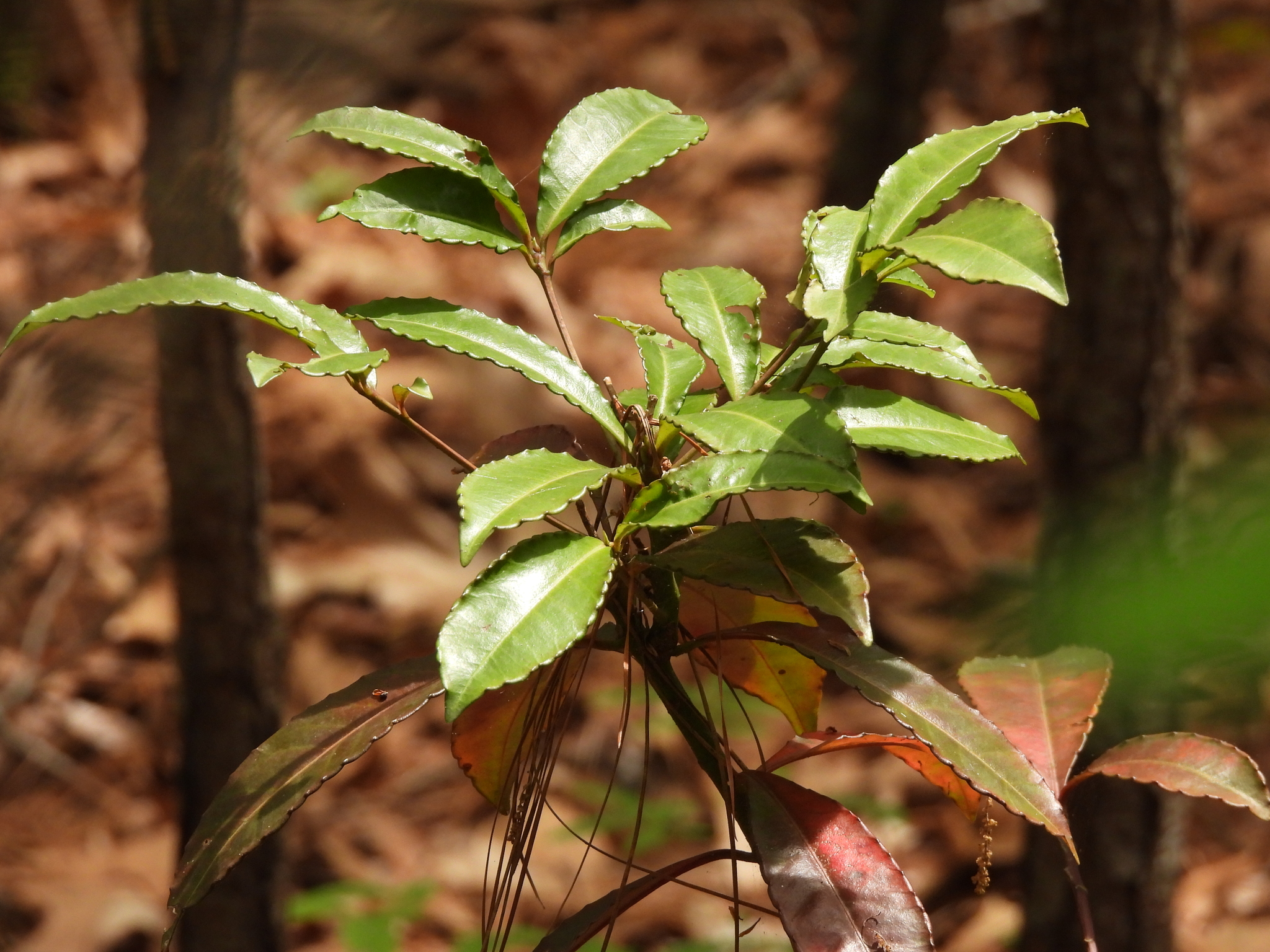
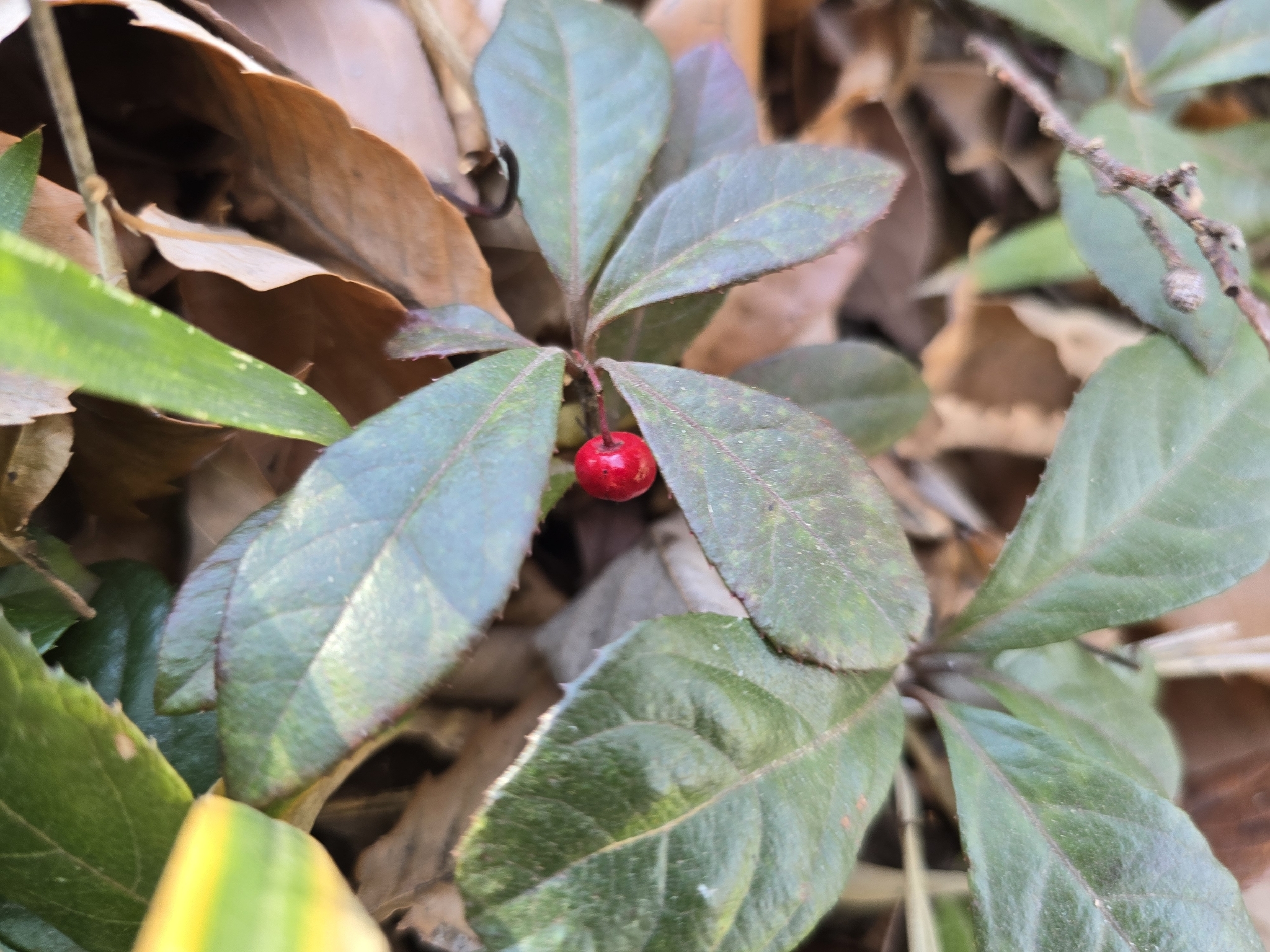
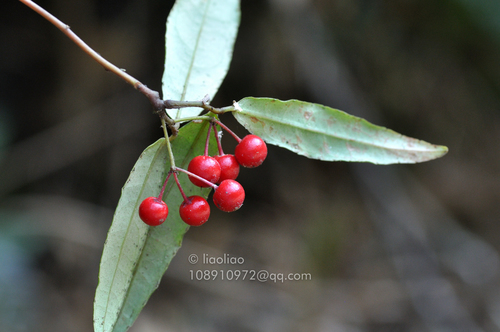
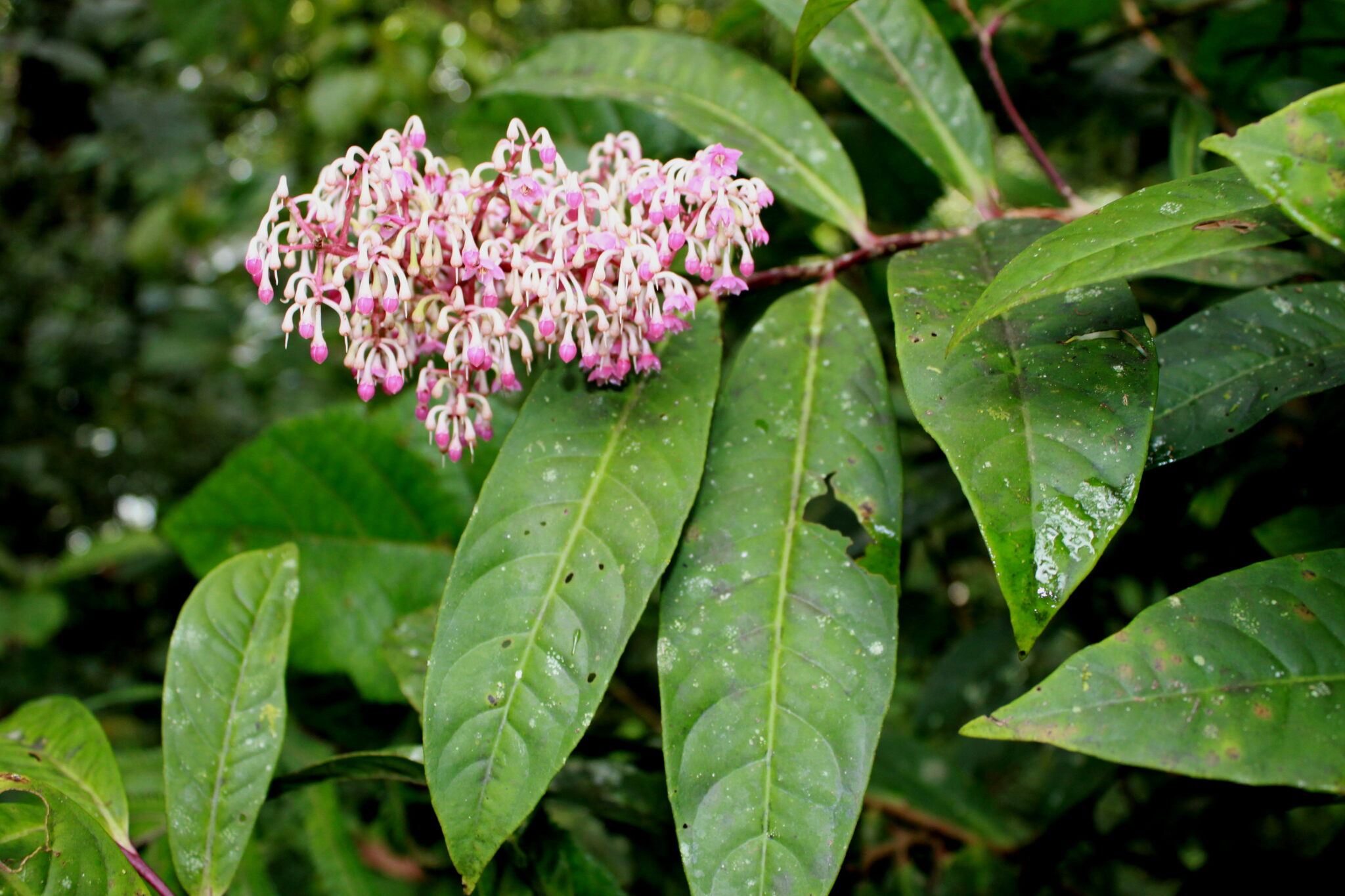
Ardisia elliptica, commonly known as shoebutton, is a species of flowering plant in the family Primulaceae. This evergreen shrub is recognized for its distinctive glossy foliage and clusters of small, star-shaped flowers, followed by attractive berry-like fruits. It is a member of a genus that includes many ornamental species, and Ardisia elliptica itself is valued in horticulture for its aesthetic appeal and adaptability. The growth habit of Ardisia elliptica is typically that of a dense, multi-branched shrub, often reaching heights of 1 to 3 meters, though it can occasionally grow taller in favorable conditions. Its leaves are simple, alternate, and ovate to elliptical in shape, measuring approximately 5 to 15 centimeters in length and 2 to 7 centimeters in width. The leaf margins are entire, and the surfaces are smooth and glossy, often with a leathery texture. The color is a deep, rich green, which provides a consistent visual interest throughout the year. During its flowering season, which can vary depending on climate but often occurs in warmer months, Ardisia elliptica produces inflorescences of cymes bearing numerous small flowers. These flowers are typically pink to white, with five petals and prominent yellow stamens, giving them a delicate, star-like appearance. Following successful pollination, the plant develops fruits that are globose, about 5 to 10 millimeters in diameter, and mature to a dark purple or black color, resembling small buttons, hence the common name. The bark is generally smooth and grayish-brown. Ardisia elliptica is native to the coastal regions of Southeast Asia, including countries like India, Malaysia, and Indonesia, as well as parts of Australia. It thrives in a variety of natural habitats, often found in coastal scrub, mangrove edges, and along the fringes of tropical forests, preferring areas with high humidity and well-drained soil. In cultivation, it is well-suited to tropical and subtropical climates and can be grown in USDA hardiness zones 9 through 11. It prefers partial shade to full sun, although it can tolerate more shade, which may result in less prolific flowering. Regular watering is beneficial, especially during dry periods, but the plant is relatively drought-tolerant once established. It is not particularly demanding regarding soil type, as long as it is well-draining, but it performs best in fertile, organic-rich soils. While not widely cultivated for food or medicine, Ardisia elliptica holds ornamental significance. Its attractive foliage and persistent, dark fruits make it a popular choice for landscaping in suitable climates, where it can be used as a specimen plant, in shrub borders, or as a container plant. The glossy leaves and the contrast of the dark fruits against the green foliage are particularly noteworthy. Ecologically, the fruits serve as a food source for various bird species in its native range, contributing to seed dispersal. There is limited scientific documentation regarding significant medicinal or culinary uses for Ardisia elliptica, and any such applications should be approached with caution and verified by scientific research. An interesting characteristic of Ardisia elliptica is its ability to adapt to a range of light conditions, making it a versatile plant for different garden settings. Its resilience and attractive features contribute to its enduring appeal in horticulture.

Photograph © 葉子 · CC0

Shoebutton Care Summary

At-a-glance light, water, soil, and growing conditions from plant data

Light

Prefers bright, indirect light.

80% intensity

Avoid intense afternoon sun.

Water

Keep soil consistently moist but not waterlogged.

70% intensity

Water when the top inch of soil is dry.

Soil

Well-draining, fertile potting mix. A blend of peat moss, compost, and perlite is suitable.

50% intensity

Temperature

Thrives in average room temperatures.

70% intensity

Ideal range 18-25°C.

Habitat

Outdoor, Indoor, Greenhouse

50% intensity

Fertilizer

Feed during the growing season.

50% intensity

Use balanced liquid fertilizer every 4-6 weeks.

Shoebutton Toxicity

Safety information from plant toxicity data

Toxicity details for Shoebutton
AttributeValue
Toxic for humansNo

0/5 intensity

Toxic for petsNo

0/5 intensity

EdibleNo

Mildly toxic to pets and humans if ingested.

Shoebutton Quick Facts

Key traits and growing stats from plant data

Plant Type
Shrub
Plant Category
Flowering, Fruit, Ornamental
Plant Place Type
Ground, Pot
Plant Environment
Outdoor, Indoor, Greenhouse
Lifespan
Perennials
Plant Height
1-3 m
Spread
1-3 m
Growth Rate
Moderate
Dormancy
None
Leaf Color
Green
Leaf Type
Simple
Flower Size
0.5-1 cm

Care guide for Shoebutton

Watering, pruning, propagation, and repotting details from plant data

Water

Water thoroughly when the top inch of soil feels dry. Ensure good drainage to prevent root rot. Reduce watering in winter.

Pruning

Prune lightly after flowering to maintain shape and encourage bushier growth. Remove any dead or damaged branches at any time.

Propagation

Easily propagated from seeds sown in spring or from semi-hardwood cuttings taken in summer. Seeds may require stratification.

Repotting

Repot young plants annually in spring. Mature plants can be repotted every 2-3 years or when root-bound, using a slightly larger pot.

Identify plants like this with ePlant

Snap a photo to get care tips and match similar species on the go.

Try for Free

Flowering & Fruiting Cycles

Monthly activity intensity for bloom and fruit across both hemispheres.

Northern hemisphere

Flowering & fruiting calendar

Peak bloom · JunPeak fruit · Mar
FloweringFruiting
02468JanFebMarAprMayJunJulAugSepOctNovDecActivity intensityMonths79
Southern hemisphere

Flowering & fruiting calendar

Peak bloom · JulPeak fruit · Oct
FloweringFruiting
02468JanFebMarAprMayJunJulAugSepOctNovDecActivity intensityMonths79

Shoebutton Names & Synonyms

Common names and botanical synonyms

Common Names

  • China-Shrub
  • Coralberry
  • Inkberry
  • Lampeni
  • Seashore Ardisia
  • Shoe-Button Ardisia
  • Shoebutton
  • Shoebutton Ardisia

Synonyms

  • Ardisia kotoensis Hayata
  • Ardisia littoralis Andrews
  • Ardisia sorsogonensis Elmer ex Merr.
  • Ardisia squamulosa C.Presl
  • Bladhia elliptica (Thunb.) Nakai
  • Bladhia kotoensis (Hayata) Nakai
  • Bladhia squamulosa (C.Presl) Nakai
  • Climacandra littoralis (Andrews) Kurz
  • Icacorea humilis Britton
  • Icacorea solanacea Britton
  • Icacorea zeylanica Lam. ex Schult.
  • Tinus squamulosa (C.Presl) Kuntze
  • Willughbeia multilocularis Blanco

Shoebutton Taxonomy

Botanical classification

Taxonomic classification of Shoebutton
RankName
kingdomPlantae
divisionTracheophyta
classMagnoliopsida
orderEricales
familyPrimulaceae
genusArdisia
speciesArdisia elliptica

Shoebutton FAQs

Answers based on plant encyclopedia data

How often should I water Ardisia elliptica?

Water when the top inch of soil feels dry. Ensure good drainage to prevent root rot. Reduce watering slightly in cooler months.

What kind of light does Shoebutton prefer?

It prefers bright, indirect light. Direct afternoon sun can scorch its leaves, but it can tolerate some direct morning sun.

Can Ardisia elliptica be grown indoors?

Yes, Ardisia elliptica is well-suited as a houseplant, provided it receives adequate light and consistent moisture.

When does Ardisia elliptica bloom?

It typically blooms in spring and summer, producing clusters of small pink to red flowers.

Is Ardisia elliptica toxic to pets?

No, Ardisia elliptica is not considered toxic to pets, and its fruits are not known to be harmful.