Skip to plant details

Shrubby SophoraSophora flavescens

  • Category: Ornamental, Medicinal
  • Type: Shrub
  • Sunlight: Prefers full sun to partial shade, requiring at least 6 hours of direct sunlight daily for optimal flowering.
  • Water: Water regularly during the growing season, allowing soil to dry slightly between waterings. Reduce in winter.
  • Temperature: Thrives in temperatures between 15-25°C. Can tolerate cooler temperatures when dormant.
  • Habitat: Outdoor, Indoor

Safety note: This plant may be toxic to humans and pets. See toxicity details.

Sophora flavescens, a deciduous shrub from East Asia, features attractive foliage and pea-like flowers. It is known for its medicinal properties.

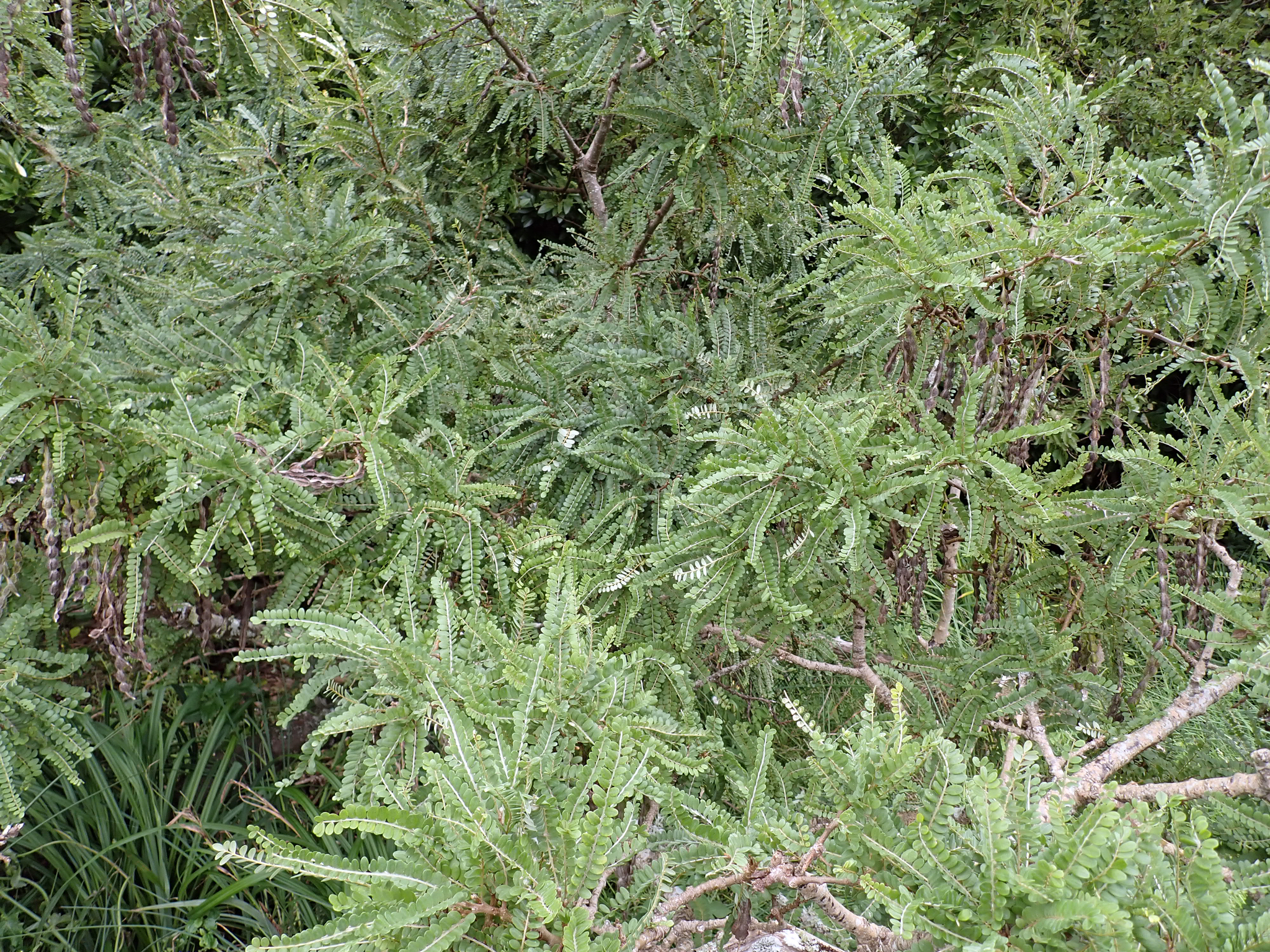
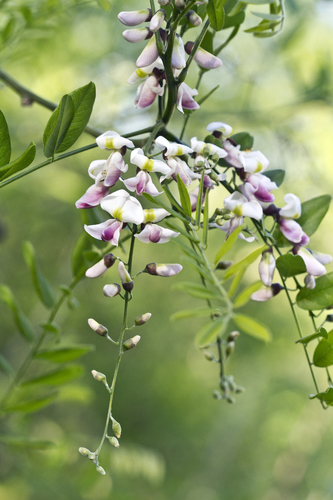
Sophora flavescens, commonly known as Shrubby Sophora, is a perennial herbaceous plant native to East Asia, with a significant presence in regions spanning China, Korea, Japan, and parts of Siberia. This species is recognized for its distinctive morphology and its historical use in traditional medicine, making it a subject of interest in both botanical and ethnobotanical studies. Physically, Sophora flavescens typically presents as an erect, somewhat woody perennial, reaching heights of 30 to 100 centimeters. Its stems are often branched, contributing to a shrubby appearance, though it remains herbaceous for much of its life cycle. The leaves are pinnately compound, with numerous small leaflets arranged along a central rachis. These leaflets are typically ovate to lanceolate, measuring about 1 to 3 centimeters in length, and are arranged alternately on the stem. The plant produces attractive inflorescences composed of numerous pea-like flowers. These flowers are usually yellow or creamy white, borne in terminal racemes or panicles. Each flower possesses the characteristic papilionaceous structure of the Fabaceae family, with a standard, wings, and keel. Following flowering, the plant develops pods, which are typically linear and moniliform, containing several seeds. The bark of the mature plant is usually grayish-brown. The seeds are small, rounded, and hard, often dark brown or black. Sophora flavescens thrives in a variety of natural habitats, commonly found in open woodlands, grasslands, and along roadsides. It prefers well-drained soils and can tolerate a range of conditions, from sandy loams to heavier clay soils, provided drainage is adequate. While its native distribution is extensive, it is also cultivated in gardens and for medicinal purposes. Its cultivation requirements generally include full sun to partial shade and moderate watering. It is known to be relatively drought-tolerant once established. Historically, Sophora flavescens has held considerable importance in traditional Chinese medicine, where its roots are a key component of various herbal preparations. The plant's medicinal properties are attributed to its rich alkaloid content, with compounds such as matrine and oxymatrine being extensively studied for their pharmacological effects. These compounds have been investigated for a range of applications, including anti-inflammatory, antiviral, and anticancer activities, though scientific validation and clinical application are ongoing areas of research. Beyond its medicinal uses, Sophora flavescens is also valued ornamentally for its attractive foliage and delicate yellow flowers, adding a touch of natural elegance to landscapes. Its ecological role, while not extensively documented for this specific species in popular literature, likely involves contributing to local biodiversity and providing habitat or sustenance for certain insect species.

Photograph © 登坂久雄 · CC-BY-NC

Shrubby Sophora Care Summary

At-a-glance light, water, soil, and growing conditions from plant data

Light

Prefers full sun to partial shade, requiring at least 6 hours of direct sunlight daily for optimal flowering.

100% intensity

Water

Water regularly during the growing season, allowing soil to dry slightly between waterings. Reduce in winter.

100% intensity

Soil

Well-draining soil is essential. Prefers sandy loam but tolerates a range of soil types, including poor soils.

50% intensity

Temperature

Thrives in temperatures between 15-25°C. Can tolerate cooler temperatures when dormant.

100% intensity

Habitat

Outdoor, Indoor

50% intensity

Fertilizer

Feed in spring with a balanced, slow-release fertilizer. Avoid over-fertilizing.

100% intensity

Shrubby Sophora Toxicity

Safety information from plant toxicity data

Toxicity details for Shrubby Sophora
AttributeValue
Toxic for humansYes

4/5 intensity

Toxic for petsYes

4/5 intensity

EdibleNo

All parts of the plant are toxic if ingested, containing quinolizidine alkaloids. Symptoms can include vomiting, diarrhea, and central nervous system effects.

Shrubby Sophora Quick Facts

Key traits and growing stats from plant data

Plant Type
Shrub
Plant Category
Ornamental, Medicinal
Plant Place Type
Ground, Garden, Pot
Plant Environment
Outdoor, Indoor
Lifespan
Perennials
Plant Height
1-2 m
Spread
1-2 m
Growth Rate
Moderate
Dormancy
Deciduous
Leaf Color
Green
Leaf Type
Compound
Flower Size
1.5-2 cm

Care guide for Shrubby Sophora

Watering, pruning, propagation, and repotting details from plant data

Water

Water moderately during the growing season, ensuring good drainage. Allow the top inch of soil to dry out between waterings. Reduce watering in cooler months.

Pruning

Prune in late winter or early spring to shape the plant and remove dead or damaged branches. Light pruning can be done after flowering to encourage bushier growth.

Propagation

Easily propagated from seeds sown in spring or from semi-hardwood cuttings taken in summer. Seedlings may require stratification.

Repotting

Repot container-grown plants every 2-3 years in spring, or when root-bound. Use a well-draining potting mix and a pot with drainage holes.

Identify plants like this with ePlant

Snap a photo to get care tips and match similar species on the go.

Try for Free

Flowering & Fruiting Cycles

Monthly activity intensity for bloom and fruit across both hemispheres.

Northern hemisphere

Flowering & fruiting calendar

Peak bloom · JulPeak fruit · Sep
FloweringFruiting
02468JanFebMarAprMayJunJulAugSepOctNovDecActivity intensityMonths77
Southern hemisphere

Flowering & fruiting calendar

Peak bloom · JunPeak fruit · Oct
FloweringFruiting
02468JanFebMarAprMayJunJulAugSepOctNovDecActivity intensityMonths77

Shrubby Sophora Names & Synonyms

Common names and botanical synonyms

Common Names

  • Shrubby Sophora

Synonyms

  • Radiusia flavescens (Aiton) Endl.

Shrubby Sophora Taxonomy

Botanical classification

Taxonomic classification of Shrubby Sophora
RankName
kingdomPlantae
divisionTracheophyta
classMagnoliopsida
orderFabales
familyFabaceae
genusSophora
speciesSophora flavescens

Shrubby Sophora FAQs

Answers based on plant encyclopedia data

Is Sophora flavescens poisonous?

Yes, all parts of Sophora flavescens are toxic if ingested due to quinolizidine alkaloids. It can cause gastrointestinal and neurological symptoms in pets and humans.

What is the best soil for Shrubby Sophora?

Shrubby Sophora prefers well-draining soil. Sandy loam is ideal, but it can grow in various soil types, including those with lower fertility, as long as drainage is adequate.

How often should I water Sophora flavescens?

Water regularly during the growing season, allowing the top inch of soil to dry out between waterings. Reduce watering significantly during the dormant winter period.

When is the best time to prune Sophora flavescens?

The best time to prune is in late winter or early spring before new growth begins. This helps shape the plant and remove any dead or damaged branches.

Can Shrubby Sophora be grown indoors?

While primarily an outdoor plant, Sophora flavescens can be grown indoors in pots, provided it receives adequate light (at least 6 hours of direct sun) and good drainage.