Skip to plant details

Siam TulipCurcuma alismatifolia

Also known as Thai Tulip Ginger

  • Category: Ornamental
  • Type: Herb
  • Sunlight: High
  • Water: Moderate
  • Temperature: Moderate
  • Habitat: Outdoor

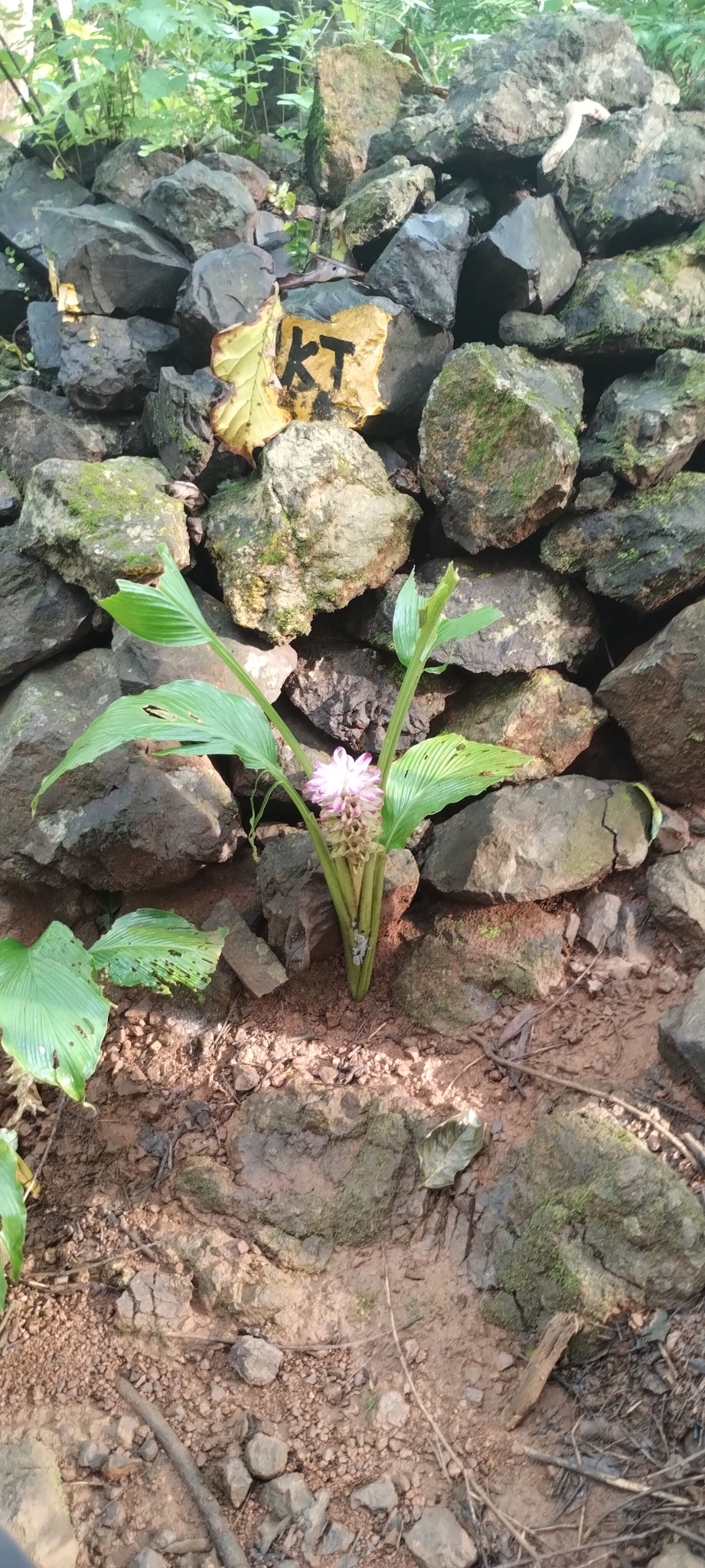
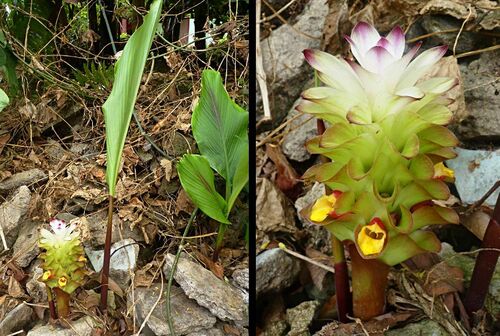
Siam Tulip (Curcuma alismatifolia) boasts vibrant, long-lasting bracts in shades of pink, red, and white, resembling tulips. It's a popular ornamental plant for tropical

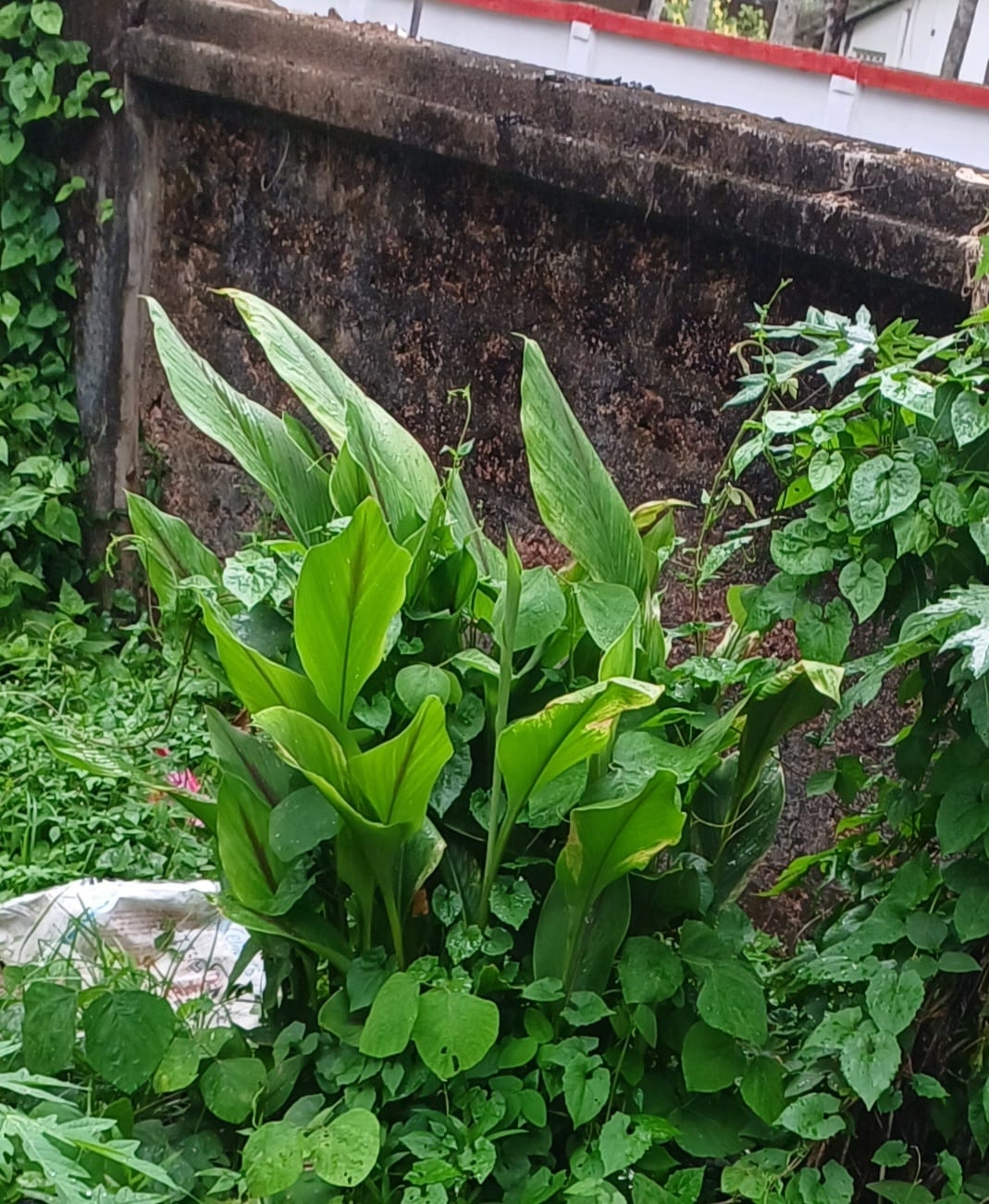
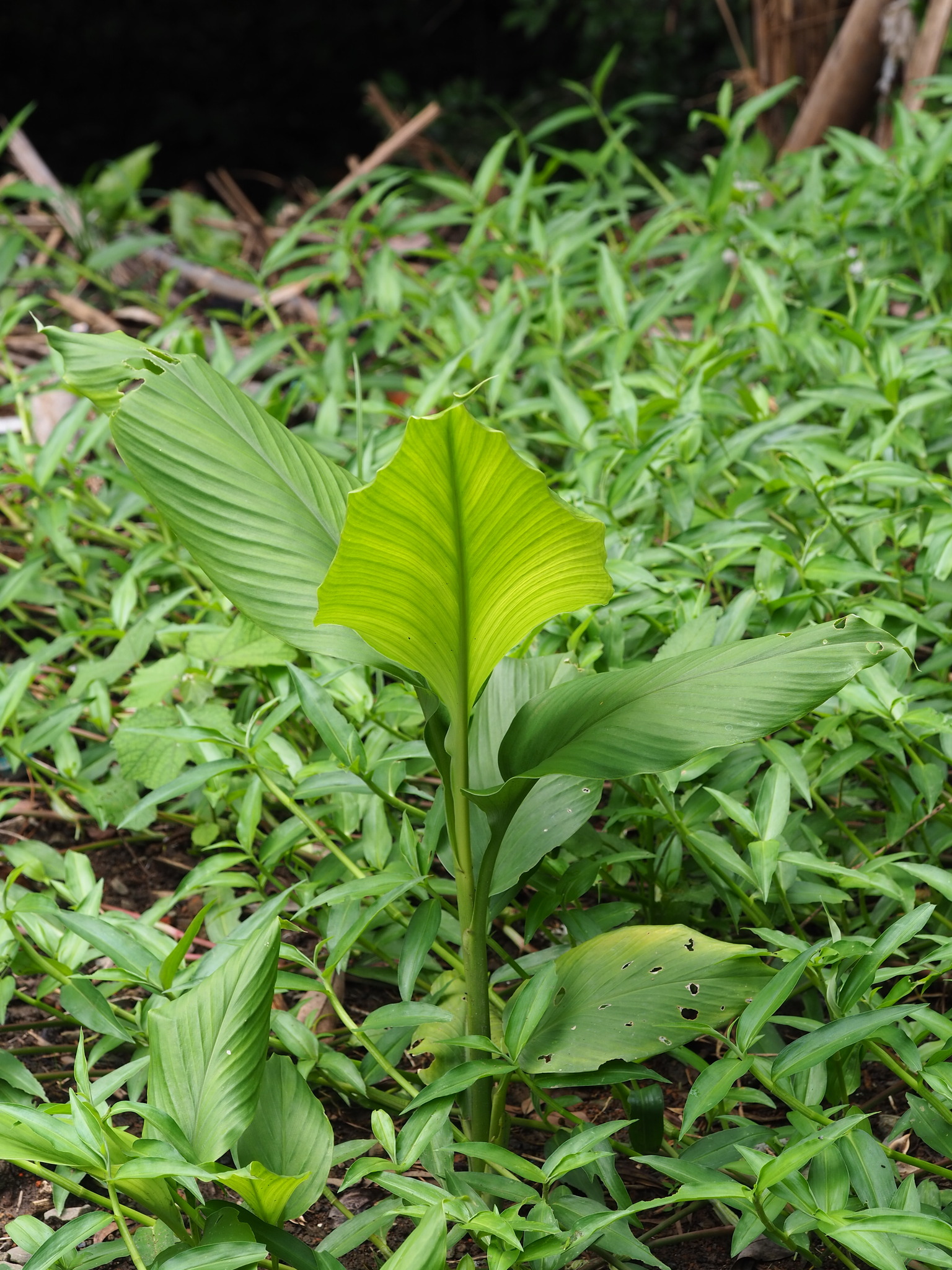
Curcuma alismatifolia, commonly known as Siam Tulip, is a striking herbaceous perennial native to Southeast Asia, particularly Thailand and Cambodia. It belongs to the Zingiberaceae family, the same family as ginger and turmeric, and is prized for its vibrant, long-lasting floral bracts that resemble true tulips, though it is not botanically related. This plant's ornamental appeal has led to its widespread cultivation in tropical and subtropical regions worldwide. The Siam Tulip typically grows from a rhizome, forming clumps of upright stems that can reach heights of 30 to 60 centimeters. Its leaves are lanceolate to ovate, glossy green, and emerge directly from the rhizome, often arching gracefully. The most distinctive feature of Curcuma alismatifolia is its inflorescence, which emerges from the center of the leaf cluster on a separate stalk. This inflorescence is composed of brightly colored, papery bracts that are often shades of pink, magenta, white, or a combination thereof, sometimes with contrasting green tips. These bracts are what give the plant its tulip-like appearance and are responsible for its ornamental value, persisting for several weeks. True flowers are small, tubular, and white or pale yellow, emerging from within the bracts, but they are less conspicuous than the bracts themselves. The plant does not typically produce prominent fruits or seeds in cultivation, and its bark is not a distinguishing feature. In its native habitat, Curcuma alismatifolia thrives in well-drained soils in open woodlands or grasslands, often in areas that experience a distinct dry season. It prefers warm, humid conditions and full sun to partial shade. For successful cultivation, it requires a well-draining potting mix, consistent moisture during the growing season, and protection from frost. In cooler climates, the rhizomes can be lifted and stored in a dry, cool place during winter. Propagation is primarily done through division of the rhizomes. The primary importance of Curcuma alismatifolia is ornamental. Its spectacular floral display makes it a popular choice for gardens, landscaping, and as a cut flower, where its bracts can last for an extended period. While other species within the Curcuma genus have well-documented medicinal and culinary uses, specific scientific documentation for such uses pertaining exclusively to Curcuma alismatifolia is not widely established. Its ecological role in its native environment involves contributing to the biodiversity of its habitat. An interesting characteristic of this plant is its adaptation to seasonal climates, where it enters dormancy during the dry season, relying on its underground rhizomes to survive and resprout when favorable conditions return. This dormancy mechanism is a common survival strategy for many Zingiberaceae species.

Photograph © 葉雅雯

Siam Tulip Care Summary

At-a-glance light, water, soil, and growing conditions from plant data

Light

High

75% intensity

Prefers bright, indirect sunlight. Can tolerate some direct morning sun but avoid intense afternoon sun which can scorch the leaves.

Watering

Moderate

50% intensity

Keep soil consistently moist during the growing season, but avoid waterlogging. Reduce watering significantly during dormancy.

Soil

Well-draining, fertile soil

50% intensity

Temperature

Moderate

50% intensity

Thrives in warm temperatures between 20-25°C. Protect from frost; it is not cold-hardy and should be moved indoors or protected in cooler climates.

Habitat

Outdoor

50% intensity

Fertilizer

Moderate

50% intensity

Feed with a balanced liquid fertilizer diluted to half strength every 4-6 weeks during the active growing season. Do not fertilize during dormancy.

Siam Tulip Toxicity

Safety information from plant toxicity data

Toxicity details for Siam Tulip
AttributeValue
Toxic for humansNo

0/5 intensity

Toxic for petsNo

0/5 intensity

EdibleNo

Non-toxic to pets and humans.

Siam Tulip Quick Facts

Key traits and growing stats from plant data

Plant Type
Herb
Plant Category
Ornamental
Plant Place Type
Garden, Pot
Plant Environment
Outdoor
Lifespan
Perennial
Plant Height
0.5-1.5 m
Spread
0.3-0.6 m
Growth Rate
Moderate
Dormancy
Yes
Leaf Color
Green
Leaf Type
Simple
Flower Size
2-5 cm
Optimal Sunlight Lux
60000

Care guide for Siam Tulip

Watering, pruning, propagation, and repotting details from plant data

Water

Keep soil consistently moist but not waterlogged. Water thoroughly when the top inch of soil feels dry.

Reduce watering during the dormant period in winter, allowing the soil to dry out more between waterings to prevent root rot.

Pruning

Remove spent flower stalks to encourage further blooming and maintain a tidy appearance. Cut back dead or yellowing foliage at the end of the growing season or before repotting. No severe pruning is typically required.

Propagation

Propagate by dividing rhizomes in spring when new growth appears. Ensure each division has at least one growth bud. Plant the divided rhizomes in well-draining potting mix and water lightly.

Repotting

Repot every 2-3 years or when the rhizomes outgrow their container, typically in spring. Use a well-draining potting mix, such as a blend for tropical plants or orchids. Ensure the new pot has drainage holes.

Identify plants like this with ePlant

Snap a photo to get care tips and match similar species on the go.

Try for Free

Flowering & Fruiting Cycles

Monthly activity intensity for bloom and fruit across both hemispheres.

Northern hemisphere

Flowering & fruiting calendar

Peak bloom · JulPeak fruit · Sep
FloweringFruiting
02468JanFebMarAprMayJunJulAugSepOctNovDecActivity intensityMonths108
Southern hemisphere

Flowering & fruiting calendar

Peak bloom · JanPeak fruit · Jan
FloweringFruiting
02468JanFebMarAprMayJunJulAugSepOctNovDecActivity intensityMonths108

Siam Tulip Names & Synonyms

Common names and botanical synonyms

Common Names

  • Siam Tulip
  • Thai Tulip Ginger

Synonyms

  • Hitcheniopsis alismatifolia (Gagnep.) Loes.

Siam Tulip Taxonomy

Botanical classification

Taxonomic classification of Siam Tulip
RankName
kingdomPlantae
divisionTracheophyta
classLiliopsida
orderZingiberales
familyZingiberaceae
genusCurcuma
speciesCurcuma alismatifolia

Siam Tulip FAQs

Answers based on plant encyclopedia data
What are the light requirements for Siam Tulip?

Siam Tulips thrive in full sun to partial shade. In hotter climates, some afternoon shade is beneficial.

How often should I water my Siam Tulip?

Keep the soil consistently moist, especially during the growing season. Water thoroughly when the top inch of soil feels dry.

When is the best time to plant Siam Tulip bulbs?

Plant rhizomes in spring after the last frost when the soil has warmed up.

Can Siam Tulips be grown indoors?

Siam Tulips can be grown indoors in pots, provided they receive ample bright light and consistent moisture. They are often treated as seasonal houseplants.

How do I overwinter Siam Tulips in colder climates?

In regions with frost, dig up the rhizomes after the foliage dies back, store them in a cool, dry place, and replant in spring.