Ligularia Sibirica (Ligularia sibirica) – Growing Guide, Benefits & Care | ePlant AI
Ligularia Sibirica (Ligularia sibirica)
Ligularia sibirica, Siberian Ligularia, is a perennial with large, heart-shaped leaves and bright yellow flower spikes in late summer.
Ligularia sibirica is a perennial herbaceous plant belonging to the Asteraceae family, commonly known as the Ligularia sibirica. This species is recognized for its striking floral displays and its presence in specific wetland environments. It is a member of a genus that includes many species valued for their ornamental qualities, particularly their bold foliage and vibrant flower heads.
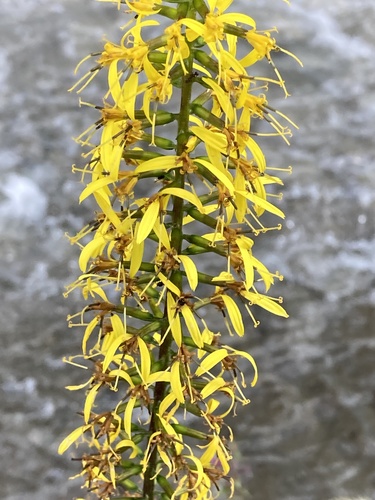
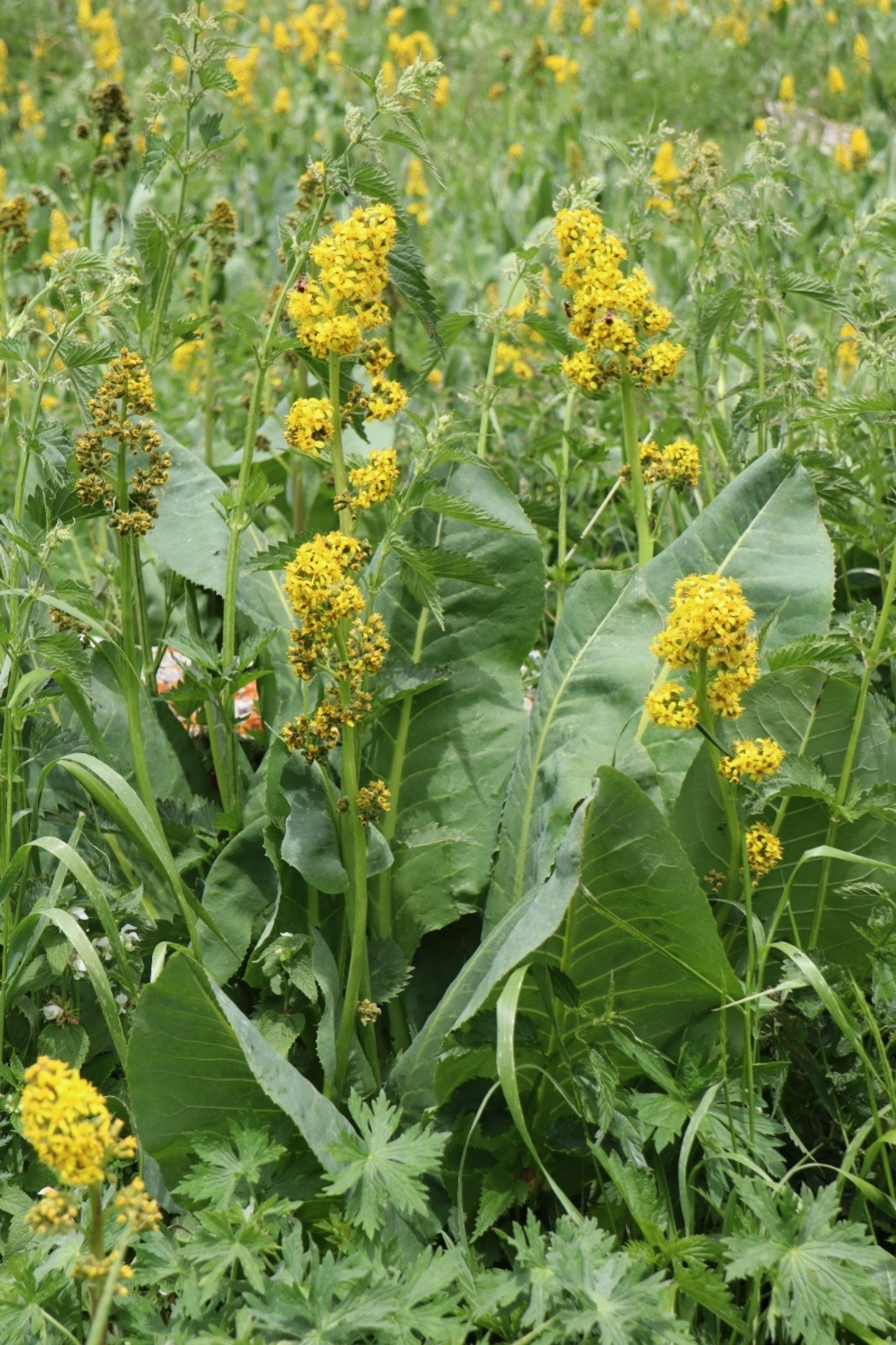
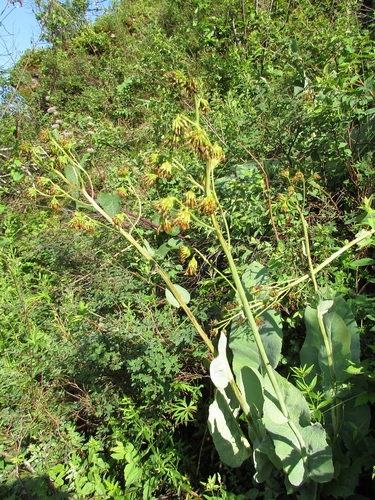
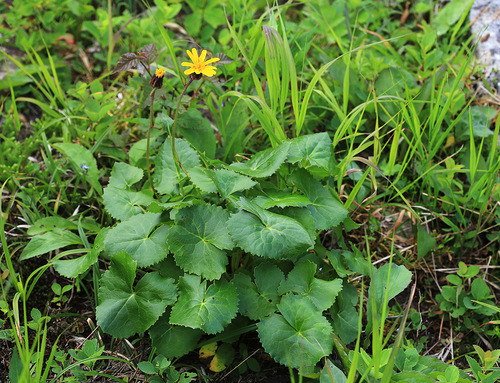
Physically, Ligularia sibirica typically grows to a height of 60 to 120 centimeters, forming clumps of substantial foliage. The leaves are a prominent feature, being large, ovate to reniform in shape, and often deeply toothed or lobed along the margins. They are borne on long petioles, contributing to the plant's robust appearance. The upper surface of the leaves is typically dark green, while the underside may be paler. During the summer months, usually from July to September, Ligularia sibirica produces an abundance of bright yellow, daisy-like flower heads. These composite flowers are arranged in racemes or panicles at the apex of sturdy stems. Each flower head consists of ray florets surrounding a central disc of tubular florets. Following flowering, the plant develops small, achene-type fruits, which are typically ribbed and contain seeds.
The native distribution of Ligularia sibirica is primarily across temperate regions of Asia, with significant populations found in Siberia, parts of Russia, and extending into Mongolia and China. It thrives in moist to wet environments, commonly inhabiting fens, bogs, wet meadows, stream banks, and damp woodland clearings. This preference for consistently moist soil dictates its cultivation requirements. In garden settings, Ligularia sibirica performs best in full sun to partial shade, provided its soil remains consistently damp. It is well-suited for bog gardens, waterside plantings, or areas where moisture retention is high. While it can tolerate some drier conditions if consistently watered, it is most vigorous and floriferous when its root zone is kept moist. The plant is generally hardy in temperate climates.
Ligularia sibirica holds ecological significance as a component of its native wetland ecosystems, providing habitat and food sources for various invertebrates. Ornamentally, its large, architectural foliage and cheerful yellow blooms make it a valuable addition to perennial borders and waterside gardens, offering a bold splash of color and texture. Its ecological role in supporting biodiversity within its natural habitats is also noteworthy. Scientifically, studies on Ligularia species often focus on their phytochemistry and potential bioactive compounds, though specific documented uses for Ligularia sibirica in traditional medicine or culinary applications are not widely established or scientifically validated.
An interesting characteristic of Ligularia sibirica, shared with many members of the genus, is its adaptation to moist, often nutrient-rich soils. The large leaf surface area is efficient at capturing sunlight, and the plant's robust growth habit allows it to compete effectively in its preferred damp habitats. The bright yellow color of its flowers is highly attractive to pollinators, playing a crucial role in its reproductive success within its native environment.
Moist, fertile, well-drained soil. Tolerates clay and loam.
Temperature
Prefers cool to moderate temperatures.
Habitat
Outdoor
Fertilizer
Feed in spring with a balanced fertilizer.
Care Requirements
Light
Prefers full sun to partial shade.
Morning sun and afternoon shade is ideal in hot climates.
Water
Keep soil consistently moist.
Prefers damp conditions and can tolerate boggy areas.
Soil
Moist, fertile, well-drained soil. Tolerates clay and loam.
Temperature
Prefers cool to moderate temperatures.
Ideal growing range is 15-25 °C.
Habitat
Outdoor
Fertilizer
Feed in spring with a balanced fertilizer.
Top-dress with compost annually.
Plant Overview
Plant Type
Herb
Plant Category
Ornamental
Plant Place Type
Ground, Garden
Plant Environment
Outdoor
Lifespan
Perennials
Plant Height
0.6-1.2 m
Spread
0.4-0.6 m
Growth Rate
Moderate
Dormancy
Deciduous
Leaf Color
Green
Leaf Type
Simple, cordate
Flower Size
2-3 cm
Image Gallery
Flowering & Fruiting Cycles
Monthly activity intensity for bloom and fruit across both hemispheres.
Northern hemisphere
Flowering & fruiting calendar
Peak bloom · JulPeak fruit · Sep
FloweringFruiting
Southern hemisphere
Flowering & fruiting calendar
Peak bloom · MayPeak fruit · Aug
FloweringFruiting
Synonyms
Cineraria sibirica (L.) L.
Hoppea sibirica (L.) Rchb.
Othonna sibirica L.
Senecillis sibirica (L.) Simonk.
Taxonomy
kingdomPlantae
divisionTracheophyta
classMagnoliopsida
orderAsterales
familyAsteraceae
genusLigularia
speciesLigularia sibirica
Toxicity
Toxic for humans
No
Rating: 0/5
Toxic for pets
No
Rating: 0/5
Edible
No
Additional Care Tips
Water regularly to maintain consistently moist soil. Ligularia sibirica thrives in damp conditions and can tolerate boggy areas.
Deadhead spent flower stalks to encourage a tidier appearance and potentially a second bloom. Cut back to the ground in late autumn or early spring before new growth emerges.
Easily propagated by division in early spring or autumn. Seeds can be sown in autumn or stratified and sown in spring. Cuttings can also be taken from basal shoots.
Not typically a container plant, but if grown in a pot, repot every 2-3 years in spring into fresh potting mix to refresh nutrients and prevent root-bound conditions.
FAQs
How often should I water Ligularia sibirica?
Keep the soil consistently moist. Water deeply whenever the top inch of soil feels dry, especially during hot weather. It thrives in damp conditions.
What kind of soil does Ligularia sibirica prefer?
This plant prefers moist, fertile, well-drained soil. It can tolerate clay and loam soils as long as they retain adequate moisture.
Can Ligularia sibirica grow in full sun?
Ligularia sibirica prefers full sun to partial shade. In hotter climates, it benefits from afternoon shade to prevent leaf scorch and wilting.
When is the best time to divide Ligularia sibirica?
The best time to divide Ligularia sibirica is in early spring as new growth begins, or in early autumn after flowering has finished.
Are there any common pests or diseases for Ligularia sibirica?
Slugs and snails can be a problem, especially on young foliage. Powdery mildew can occur in dry conditions or with poor air circulation.