Skip to plant details

Siberian PinePinus sibirica

Also known as Siberian Stone Pine · Пөш

  • Category: Ornamental
  • Type: Tree
  • Sunlight: Full Sun
  • Water: Moderate
  • Temperature: Very Hardy

Siberian Pine (Pinus sibirica) is a slow-growing coniferous tree native to Siberia, known for its edible pine nuts and striking appearance.

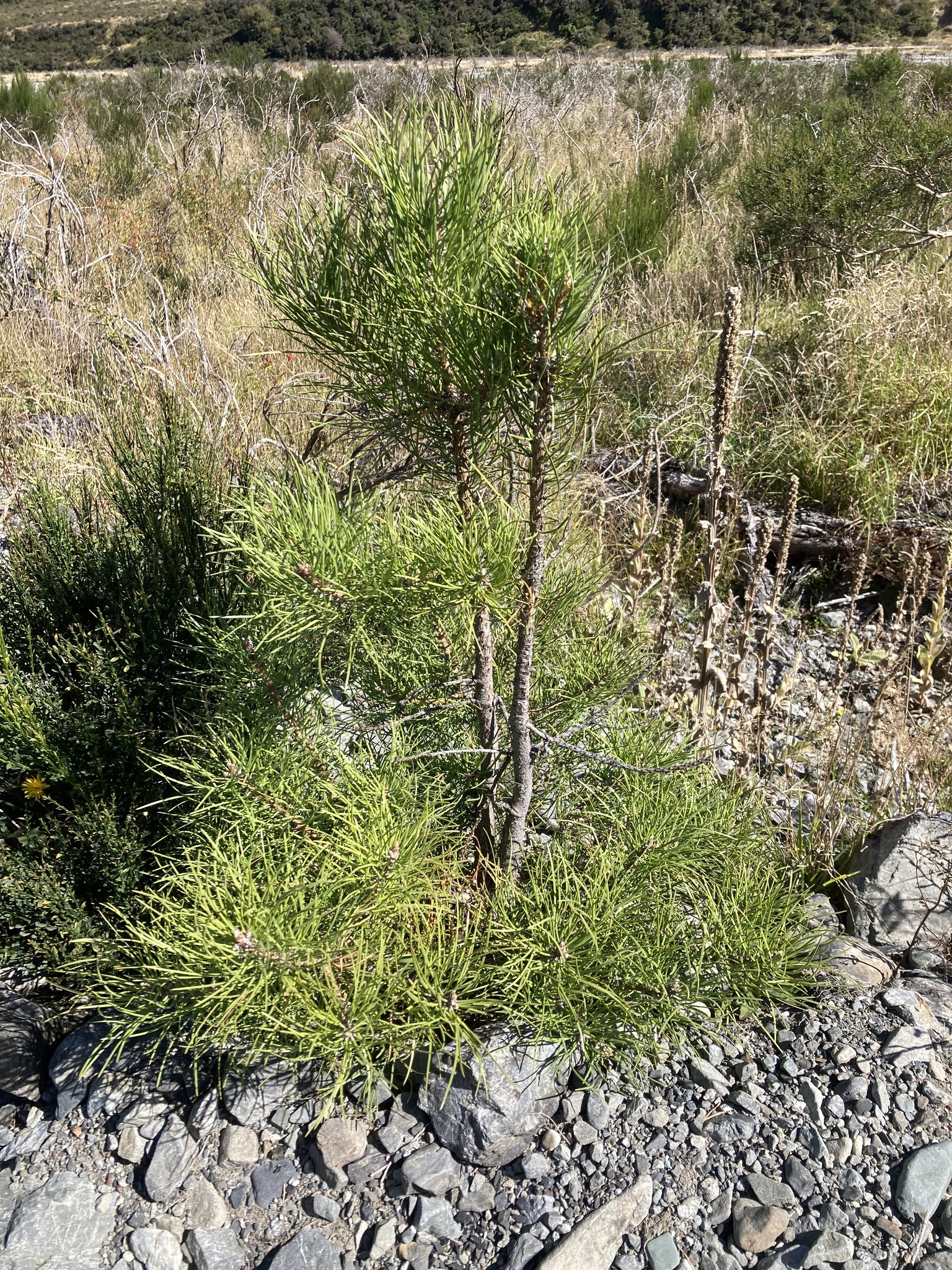
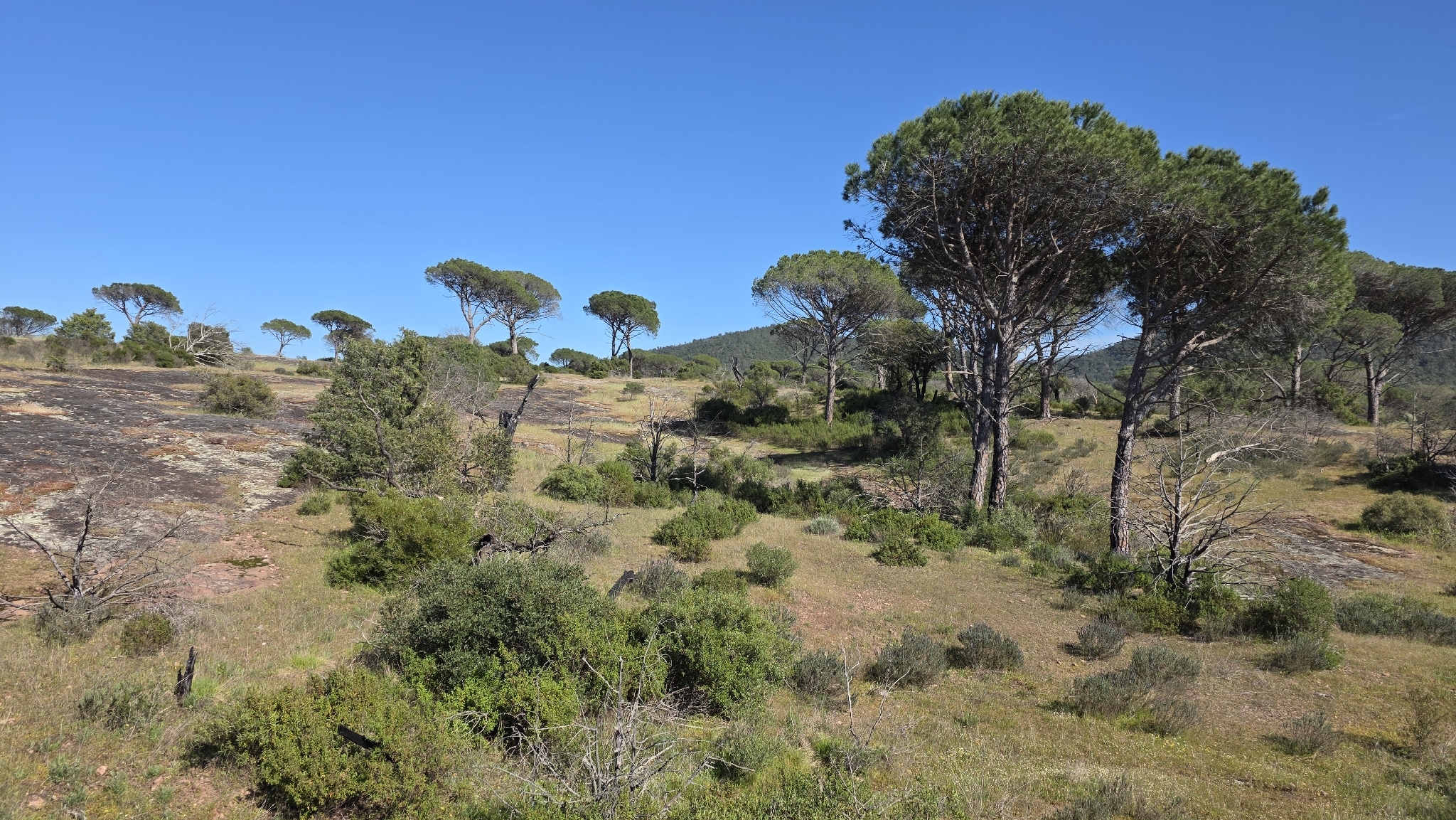
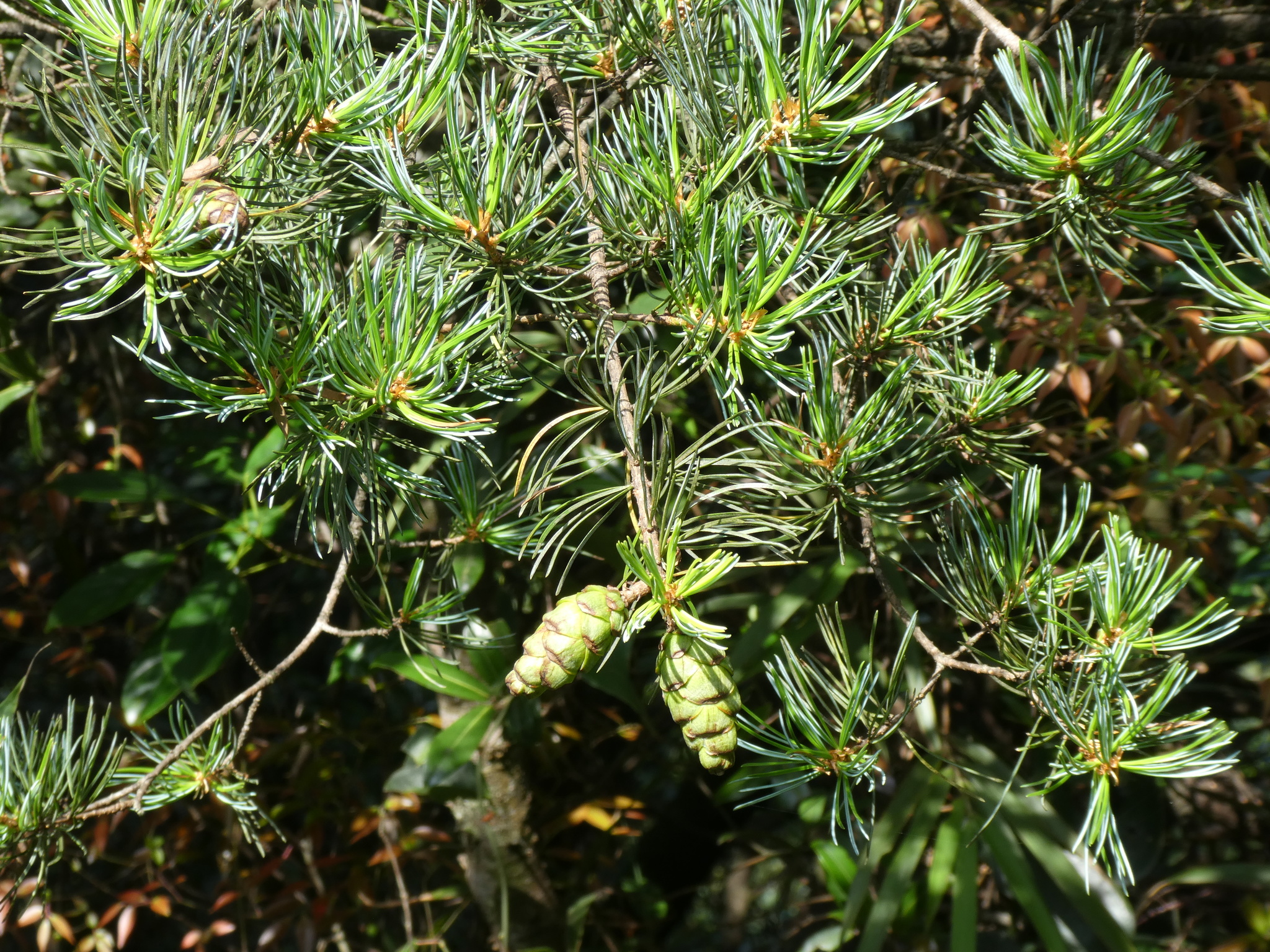
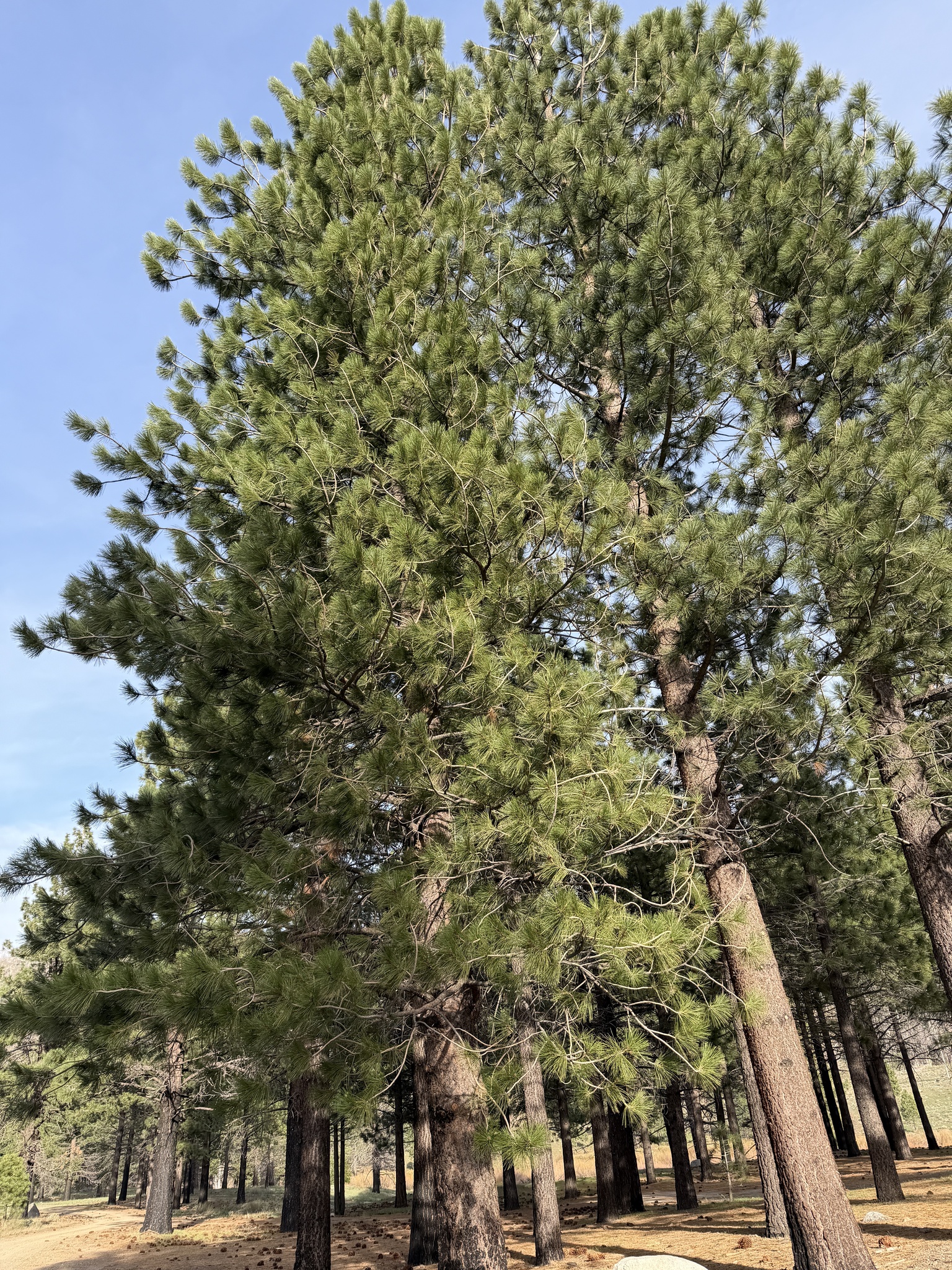
Pinus sibirica, commonly known as the Siberian Pine, is a majestic coniferous tree native to the vast boreal forests of Siberia. This species holds significant ecological importance within its native range, contributing to the biodiversity and stability of these northern ecosystems. It is a slow-growing, long-lived tree, often forming a prominent component of the taiga landscape. Physically, Pinus sibirica is characterized by its dense, pyramidal to columnar crown when young, which broadens with age, becoming more irregular in mature specimens. It typically reaches heights of 30 to 40 meters, with some individuals exceeding 45 meters. The bark is smooth and grayish on young trees, becoming thick, deeply furrowed, and reddish-brown with age. Its needles are grouped in fascicles of five, are dark green to bluish-green, and measure 5 to 10 centimeters in length. They are typically soft and flexible, with a distinct resinous aroma. The reproductive structures of Pinus sibirica include monoecious flowers, with male and female cones borne on the same tree. The female cones, or strobili, are ovoid and mature into woody cones that are 5 to 8 centimeters long. These cones are purplish when young, turning a light brown at maturity, and are often resinous. The seeds, commonly referred to as pine nuts, are edible and a valuable food source. They are wingless, ovoid, and approximately 10 to 14 millimeters long, enclosed within the cone scales. The native distribution of Pinus sibirica spans across Siberia, from the Ural Mountains eastward to the Pacific Ocean, and extends into parts of Mongolia and northern China. It thrives in continental climates with cold, long winters and short, cool summers, typically found on well-drained soils, often sandy or loamy, and can tolerate a range of soil pH. While primarily a species of natural forests, it is also cultivated in arboretums and for ornamental purposes in regions with similar climatic conditions. Its cultivation requirements generally include full sun and moderate moisture, though it is remarkably hardy and tolerant of cold temperatures. Pinus sibirica possesses considerable economic and culinary importance. Its seeds, the Siberian pine nuts, are highly prized for their rich, buttery flavor and nutritional content, being a good source of protein, healthy fats, and vitamins. These nuts are consumed raw, roasted, or used in various culinary applications, including baked goods, sauces, and oils. Historically, the wood has also been utilized for construction and fuel. Ecologically, the tree provides habitat and food for numerous wildlife species. An interesting adaptation of Pinus sibirica is its ability to thrive in harsh, cold environments. Its dense foliage and ability to shed snow effectively help it withstand heavy snow loads. The production of resin in its bark and cones also serves as a defense mechanism against insects and pathogens, further contributing to its resilience in challenging conditions. The long lifespan of this species allows it to play a crucial role in the long-term development and structure of boreal forest ecosystems.

Photograph © ugraland · CC-BY

Siberian Pine Care Summary

At-a-glance light, water, soil, and growing conditions from plant data

Light Requirements

Full Sun

100% intensity

Prefers full sun for optimal growth and health. Can tolerate some partial shade, but flowering and fruiting may be reduced.

Watering Needs

Moderate

50% intensity

Keep soil consistently moist when young, then reduce to moderate once established. Allow topsoil to dry slightly between waterings.

Soil

Loam, Sandy, Clay

50% intensity

Temperature Tolerance

Very Hardy

25% intensity

Extremely cold-hardy, thriving in cold climates. Tolerates a wide range of temperatures but prefers cooler conditions and is sensitive to extreme heat.

Fertilizer Needs

Low

25% intensity

Needs very little fertilizer once established. Use a balanced evergreen fertilizer in spring sparingly. Avoid over-fertilization.

Siberian Pine Toxicity

Safety information from plant toxicity data

Toxicity details for Siberian Pine
AttributeValue
Toxic for humansNo

0/5 intensity

Toxic for petsNo

0/5 intensity

EdibleYes

Siberian Pine Quick Facts

Key traits and growing stats from plant data

Plant Type
Tree
Plant Category
Ornamental
Plant Place Type
Garden
Lifespan
Perennial
Plant Height
20-40 m
Spread
10-20 m
Growth Rate
Slow to Moderate
Dormancy
Yes
Leaf Color
Green
Leaf Type
Needle
Optimal Sunlight Lux
64800

Care guide for Siberian Pine

Watering, pruning, propagation, and repotting details from plant data

Water

Siberian Pine prefers consistently moist soil during its establishment phase. Once mature, it becomes more drought-tolerant. Water deeply when the top few centimeters of soil feel dry.

Avoid waterlogged conditions, which can lead to root rot. Reduce watering in winter when growth slows.

Pruning

Pruning is generally minimal for Siberian Pine, primarily for shaping or removing dead, damaged, or crossing branches. This is best done in late winter or early spring before new growth begins.

Avoid heavy pruning, as it can stress the tree and hinder its natural form.

Propagation

Propagation is typically done from seed, which requires a period of cold stratification to break dormancy. Sow stratified seeds in spring in a well-draining seed mix.

Grafting onto suitable rootstock is another method, often used for specific cultivars, and is best performed in late winter.

Repotting

Repotting is only necessary for young Siberian Pines that have outgrown their containers, usually every 2-3 years. Do this in early spring before new growth emerges.

Use a well-draining potting mix and handle the root ball gently to minimize disturbance. Avoid repotting established, in-ground trees.

Identify plants like this with ePlant

Snap a photo to get care tips and match similar species on the go.

Try for Free

Flowering & Fruiting Cycles

Monthly activity intensity for bloom and fruit across both hemispheres.

Northern hemisphere

Flowering & fruiting calendar

Peak bloom · JunPeak fruit · Jan
FloweringFruiting
02468JanFebMarAprMayJunJulAugSepOctNovDecActivity intensityMonths899
Southern hemisphere

Flowering & fruiting calendar

Peak bloom · AugPeak fruit · Feb
FloweringFruiting
02468JanFebMarAprMayJunJulAugSepOctNovDecActivity intensityMonths899

Siberian Pine Names & Synonyms

Common names and botanical synonyms

Common Names

  • Siberian Pine
  • Siberian Stone Pine
  • Пөш

Synonyms

  • Pinus arolla Petrov
  • Pinus coronans Litv.
  • Pinus hingganensis H.J.Zhang

Siberian Pine Taxonomy

Botanical classification

Taxonomic classification of Siberian Pine
RankName
kingdomPlantae
divisionTracheophyta
classPinopsida
orderPinales
familyPinaceae
genusPinus
speciesPinus sibirica

Siberian Pine FAQs

Answers based on plant encyclopedia data

What are the growing conditions for Siberian Pine?

Siberian Pine prefers full sun to partial shade and well-drained soil. It is very cold-hardy and tolerates a wide range of soil types.

How tall does Siberian Pine grow?

Siberian Pine typically reaches heights of 30 to 40 meters, with a mature spread of about 15 to 20 meters.

When are Siberian Pine nuts harvested?

Pine nuts are generally harvested in late summer or early autumn when the cones mature and begin to open.

Is Siberian Pine drought tolerant?

Once established, Siberian Pine exhibits moderate drought tolerance, but performs best with consistent moisture.

Does Siberian Pine attract pests?

Siberian Pine can be susceptible to common pine pests like pine bark beetles, though it is generally considered relatively resistant.