Skip to plant details

Silver PhilodendronPhilodendron hastatum

Also known as Silver Sword

  • Category: Ornamental
  • Type: Vine
  • Sunlight: Bright, indirect light.
  • Water: Keep soil consistently moist but not waterlogged.
  • Temperature: Average room temperatures.

Safety note: This plant may be toxic to humans and pets. See toxicity details.

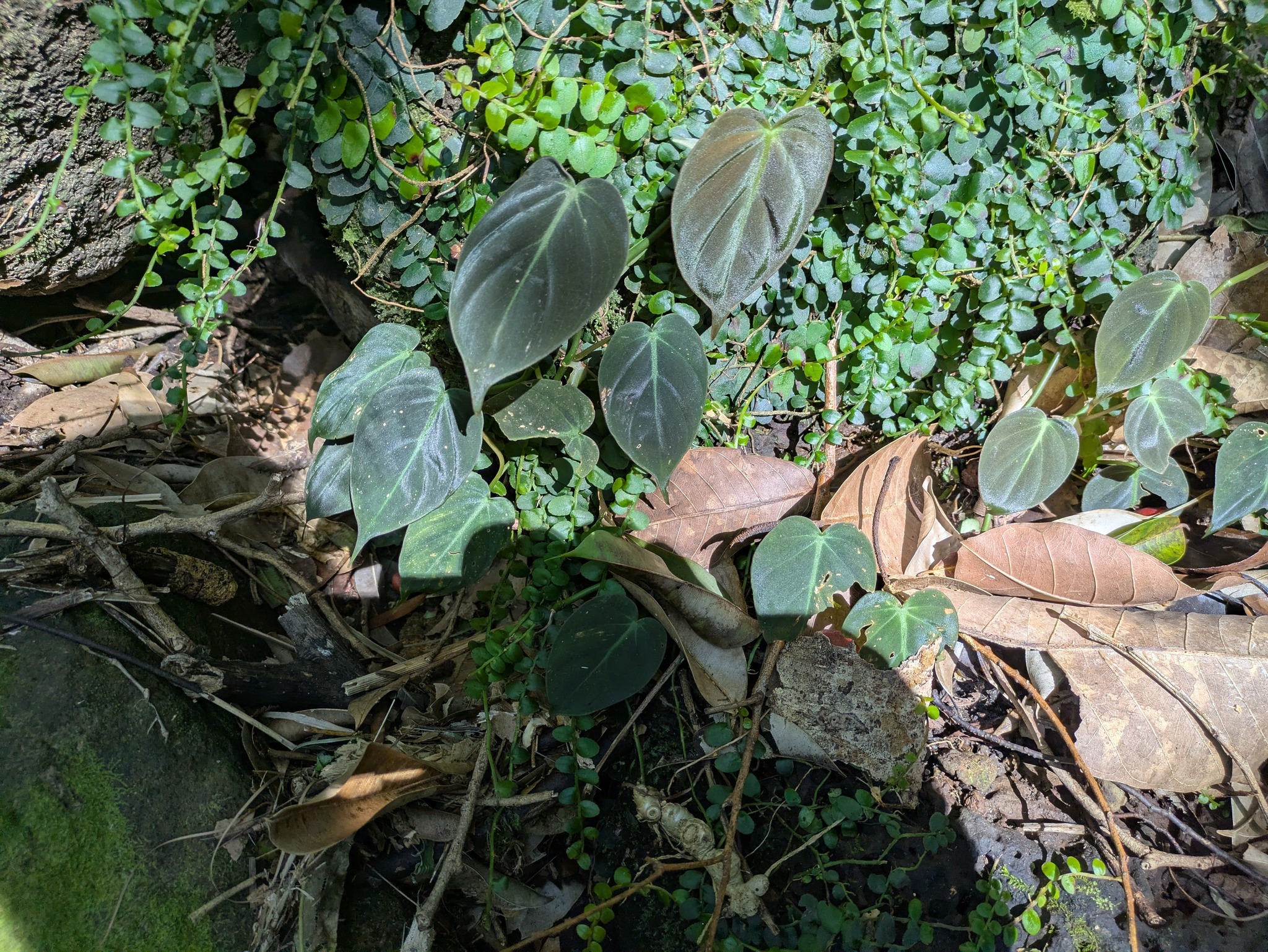
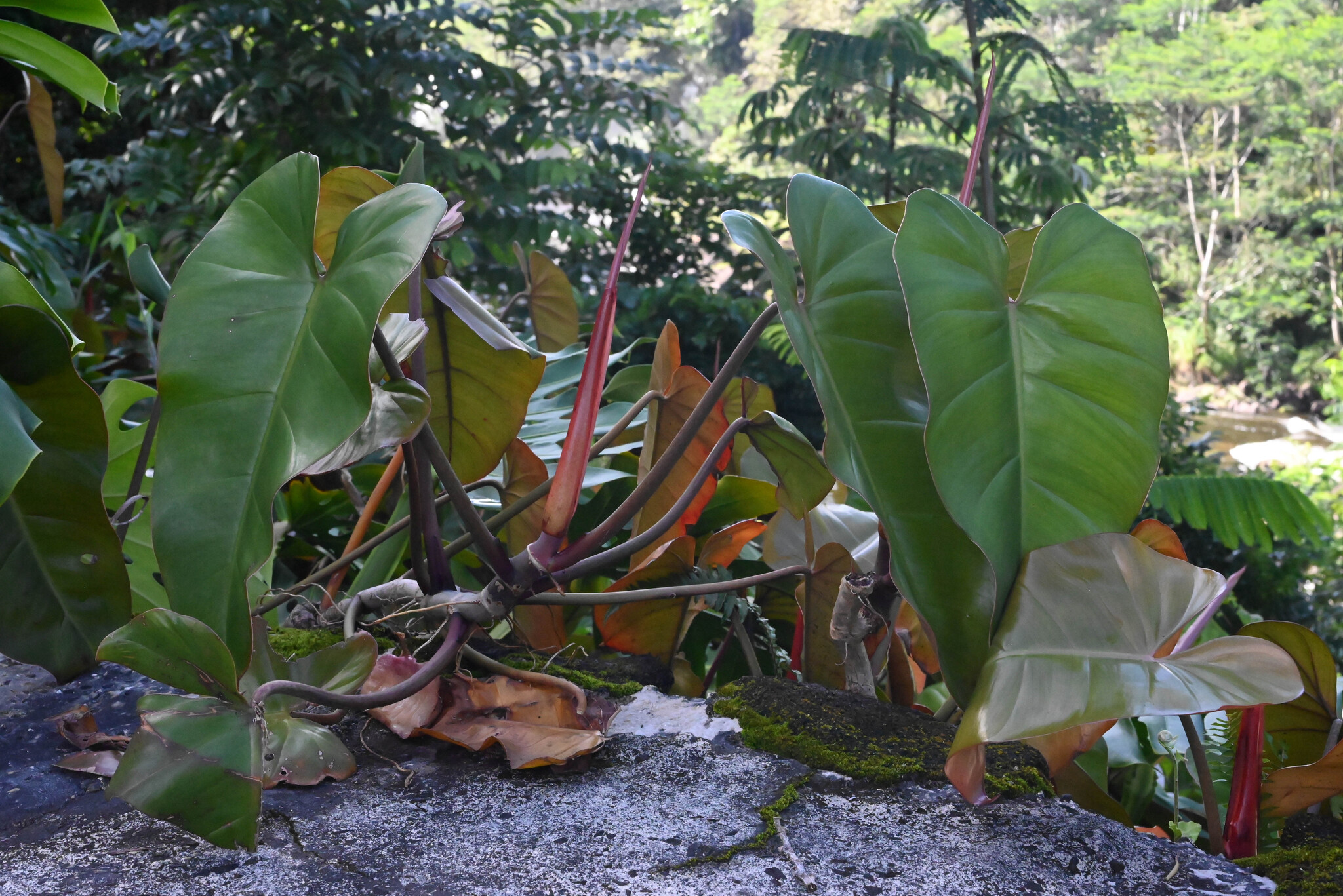
Philodendron hastatum, the Silver Philodendron, is a striking Aroid with arrow-shaped, silvery-green leaves that shimmer with age, thriving as an indoor climber.

Philodendron hastatum, commonly known as the Silver Philodendron, is a captivating species within the Araceae family, celebrated for its striking foliage. This plant is a terrestrial or hemi-epiphytic climber, native to the humid tropical forests of southeastern Brazil. Its significance lies in its ornamental appeal, making it a popular choice for indoor cultivation and in tropical and subtropical gardens. The physical characteristics of Philodendron hastatum are its most defining attributes. It exhibits a climbing growth habit, utilizing aerial roots to ascend tree trunks or other supports in its natural environment. Mature plants can reach considerable sizes, with stems extending several meters in length. The leaves are the primary ornamental feature, typically hastate or sagittate in shape, meaning they are arrowhead-shaped with basal lobes. The adaxial (upper) surface of the leaves is a glossy, deep green, often with a distinctive silvery sheen that gives the plant its common name. This silvery appearance is due to specialized epidermal cells that reflect light. The abaxial (lower) surface is usually a paler green. The petioles, or leaf stalks, are often terete or slightly ridged. While Philodendron species do produce inflorescences, typically spathes and spadices, the flowering of Philodendron hastatum is not a commonly observed or particularly showy characteristic in cultivation and is not a primary reason for its horticultural popularity. Information regarding its fruits and seeds is also less frequently documented in horticultural contexts. Philodendron hastatum thrives in its native habitat within the understory of tropical rainforests, where it benefits from high humidity, dappled light, and consistently moist, well-draining soil. In cultivation, these conditions are replicated to ensure healthy growth. It prefers bright, indirect light, avoiding direct sunlight which can scorch its leaves. Consistent moisture is crucial, with watering required when the top inch or two of soil feels dry. Well-draining potting mixes, often incorporating perlite or orchid bark to improve aeration, are ideal. High humidity is beneficial, and this can be achieved through regular misting, the use of a humidifier, or by placing the plant on a pebble tray filled with water. The primary importance of Philodendron hastatum is ornamental. Its elegant leaf shape and shimmering silver-green coloration make it a sought-after specimen for interior landscaping and as a houseplant. Its climbing nature allows for versatile display, whether allowed to trail, climb a moss pole, or ascend a support structure. Ecologically, like other climbing philodendrons, it plays a role in forest structure, providing habitat and contributing to the biodiversity of its native ecosystem. There is no widespread documentation of significant medicinal, culinary, or economic importance for this specific species. An interesting characteristic of Philodendron hastatum, common to many aroids, is its ability to produce adventitious roots, also known as aerial roots. These roots emerge from the stem and serve multiple functions, including anchoring the plant to its support, absorbing moisture and nutrients from the air and the surface of its host, and contributing to the overall stability of the climbing habit. The silvery sheen on the leaves is thought to be an adaptation to its native habitat, potentially helping to reflect excess light in the dappled shade of the forest canopy or to reduce water loss.

Photograph © Marco Pellegrini

Silver Philodendron Care Summary

At-a-glance light, water, soil, and growing conditions from plant data

Light

Bright, indirect light.

50% intensity

Avoid direct sunlight, which can scorch the leaves. Can tolerate lower light conditions but growth may be slower.

Watering

Keep soil consistently moist but not waterlogged.

50% intensity

Allow the top inch of soil to dry out between waterings.

Soil

Well-draining potting mix, rich in organic matter

50% intensity

Temperature

Average room temperatures.

50% intensity

Thrives between 18-25°C. Avoid cold drafts and temperatures below 15°C.

Fertilizing

Feed during the growing season.

50% intensity

Use a balanced liquid fertilizer diluted to half strength every 4-6 weeks from spring to summer.

Silver Philodendron Toxicity

Safety information from plant toxicity data

Toxicity details for Silver Philodendron
AttributeValue
Toxic for humansYes

3/5 intensity

Toxic for petsYes

3/5 intensity

EdibleNo

Toxic if ingested, causes oral irritation, swelling, and gastrointestinal upset.

Silver Philodendron Quick Facts

Key traits and growing stats from plant data

Plant Type
Vine
Plant Category
Ornamental
Plant Place Type
Pot
Lifespan
Perennial
Plant Height
0.5-1.5 m
Spread
0.3-0.6 m
Growth Rate
Moderate
Dormancy
None
Leaf Color
Green, Silver
Leaf Type
Arrowhead-shaped
Optimal Sunlight Lux
7000

Care guide for Silver Philodendron

Watering, pruning, propagation, and repotting details from plant data

Water

Water thoroughly when the top 2-3 cm of soil feels dry to the touch. Avoid overwatering, as this can lead to root rot. Reduce watering frequency in cooler months when the plant's growth slows down.

Ensure good drainage to prevent waterlogged conditions.

Pruning

Prune to maintain desired shape and size, or to remove yellowing or damaged leaves. Cut stems just above a node to encourage bushier growth.

Pruning can be done at any time, but is best done in spring to promote vigorous new growth.

Propagation

Easily propagated from stem cuttings. Take cuttings that are 10-15 cm long, with at least two nodes. Remove lower leaves and plant in well-draining potting mix, or root in water.

New roots and leaves should appear within a few weeks.

Repotting

Repot every 2-3 years, or when the plant becomes root-bound. Choose a pot that is slightly larger than the current one. Use a well-draining potting mix, such as a blend of peat moss and perlite.

Repot in spring for optimal recovery.

Identify plants like this with ePlant

Snap a photo to get care tips and match similar species on the go.

Try for Free

Flowering & Fruiting Cycles

Monthly activity intensity for bloom and fruit across both hemispheres.

Northern hemisphere

Flowering & fruiting calendar

Peak bloom · JulPeak fruit · Jul
FloweringFruiting
02468JanFebMarAprMayJunJulAugSepOctNovDecActivity intensityMonths76
Southern hemisphere

Flowering & fruiting calendar

Peak bloom · JanPeak fruit · Jan
FloweringFruiting
02468JanFebMarAprMayJunJulAugSepOctNovDecActivity intensityMonths6655

Silver Philodendron Names & Synonyms

Common names and botanical synonyms

Common Names

  • Silver Sword

Synonyms

  • Philodendron disparile Schott
  • Philodendron elongatum Engl.
  • Philodendron hastifolium Regel

Silver Philodendron Taxonomy

Botanical classification

Taxonomic classification of Silver Philodendron
RankName
kingdomPlantae
divisionTracheophyta
classLiliopsida
orderAlismatales
familyAraceae
genusPhilodendron
speciesPhilodendron hastatum

Silver Philodendron FAQs

Answers based on plant encyclopedia data

What are the light requirements for Philodendron hastatum?

Philodendron hastatum prefers bright, indirect light. Avoid direct sunlight, which can scorch its leaves.

How often should I water my Silver Philodendron?

Water when the top 2-3 cm of soil feels dry. Ensure good drainage to prevent root rot. Reduce watering in cooler months.

What type of soil is best for Philodendron hastatum?

A well-draining potting mix is ideal, such as a blend of peat moss, perlite, and potting soil. An orchid mix can also be beneficial.

Does Philodendron hastatum need high humidity?

Yes, this plant appreciates high humidity. Misting the leaves, using a pebble tray, or placing it near a humidifier can help.

How can I encourage Philodendron hastatum to climb?

Provide a moss pole or trellis for it to climb. As it matures, it will naturally attach itself with its aerial roots.