Hoary Mountainmint (Pycnanthemum incanum) – Care, Benefits & Growing Guide | ePlant AI
Hoary Mountainmint (Pycnanthemum incanum)
Hoary Mountain-Mint
Hoary Mountainmint
Silverleaf Mountain Mint
Hoary Mountainmint (Pycnanthemum incanum) is a fragrant, upright perennial herb native to eastern North America, known for its attractive foliage and late-season blooms.
Pycnanthemum incanum, commonly known as Hoary Mountainmint, is a perennial herb native to eastern North America. This species is a valuable member of the Lamiaceae family, recognized for its aromatic foliage and attractive floral displays, making it a significant component of its native ecosystems and a plant of interest for horticulture.
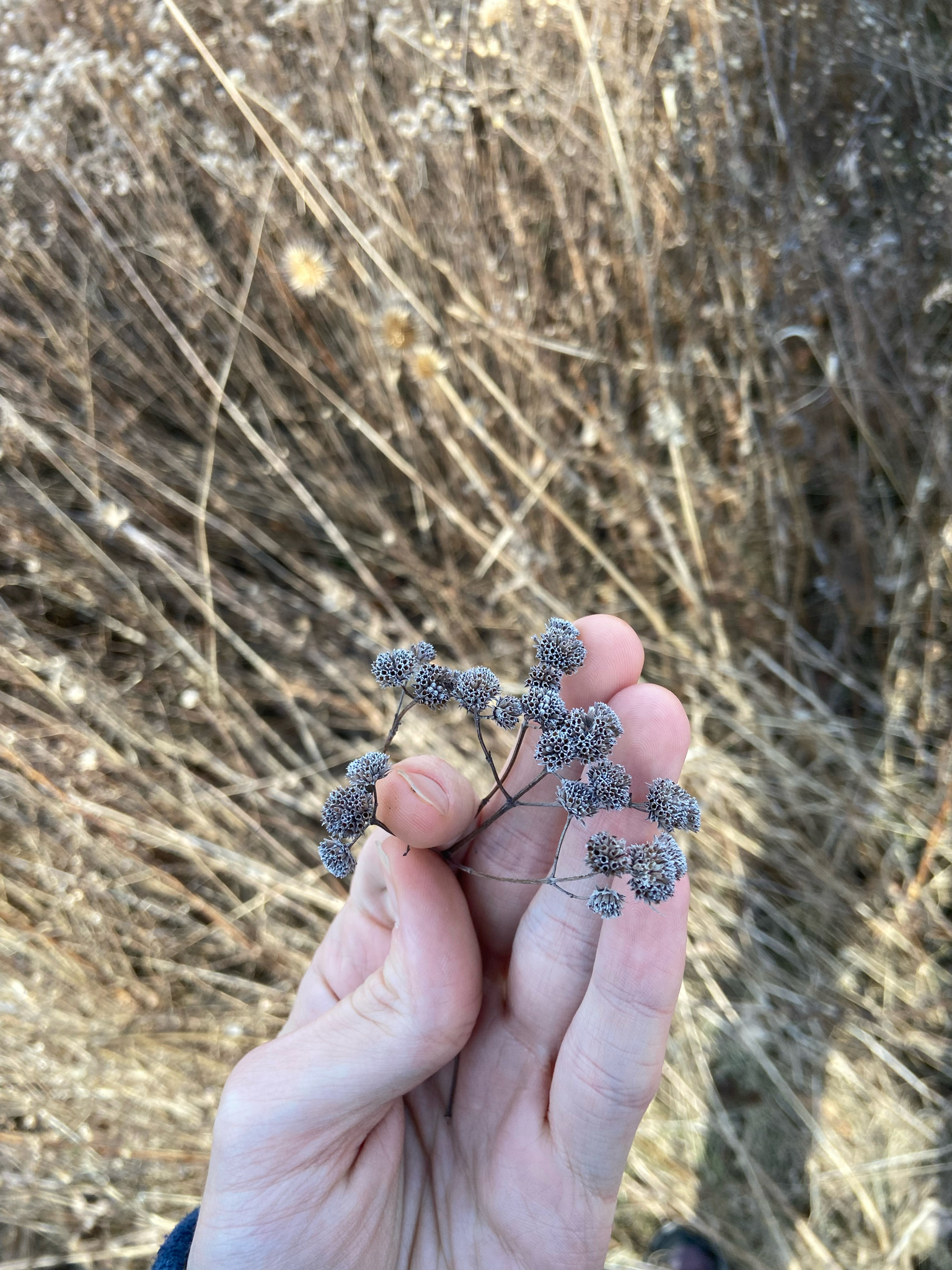
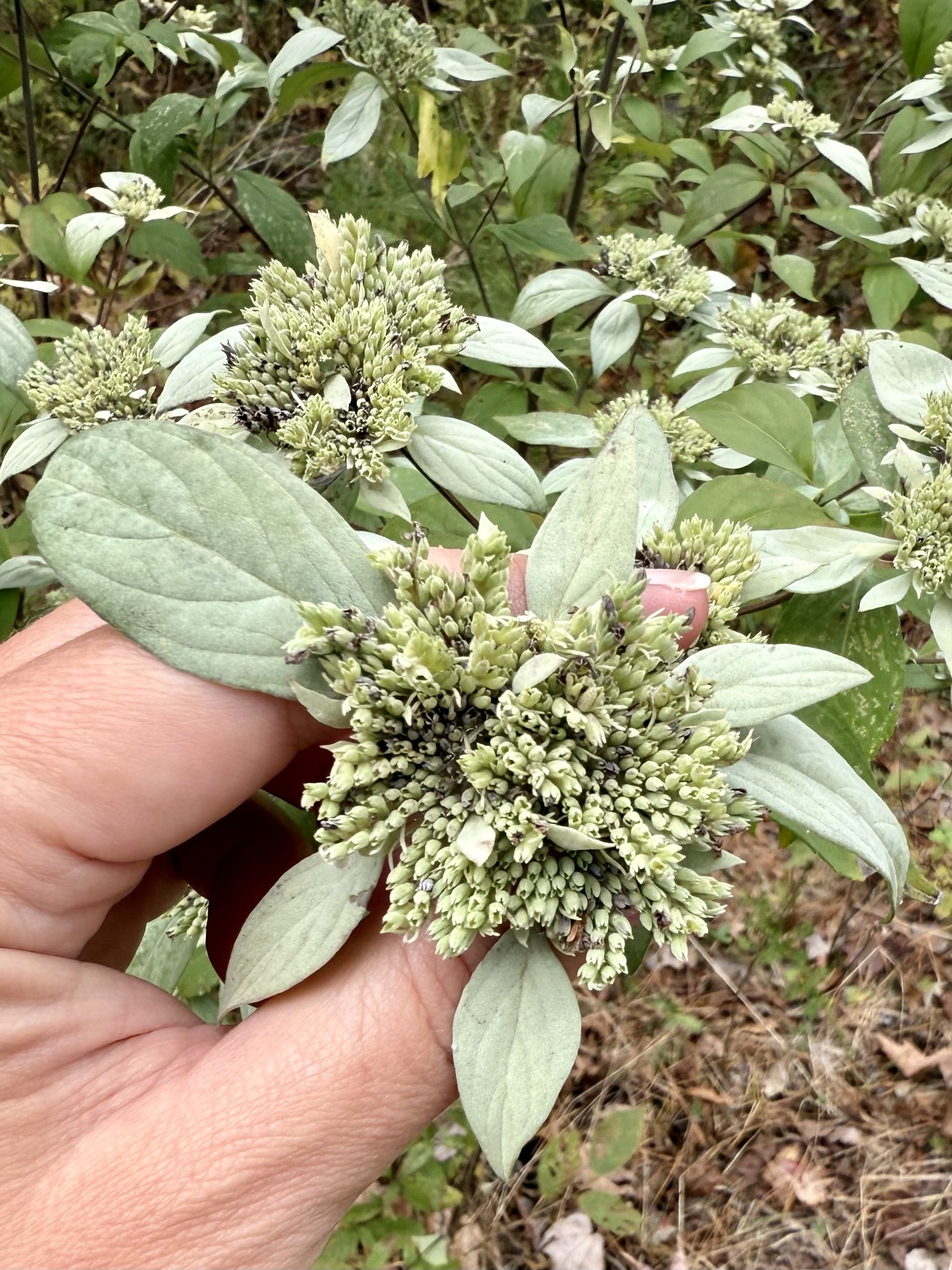
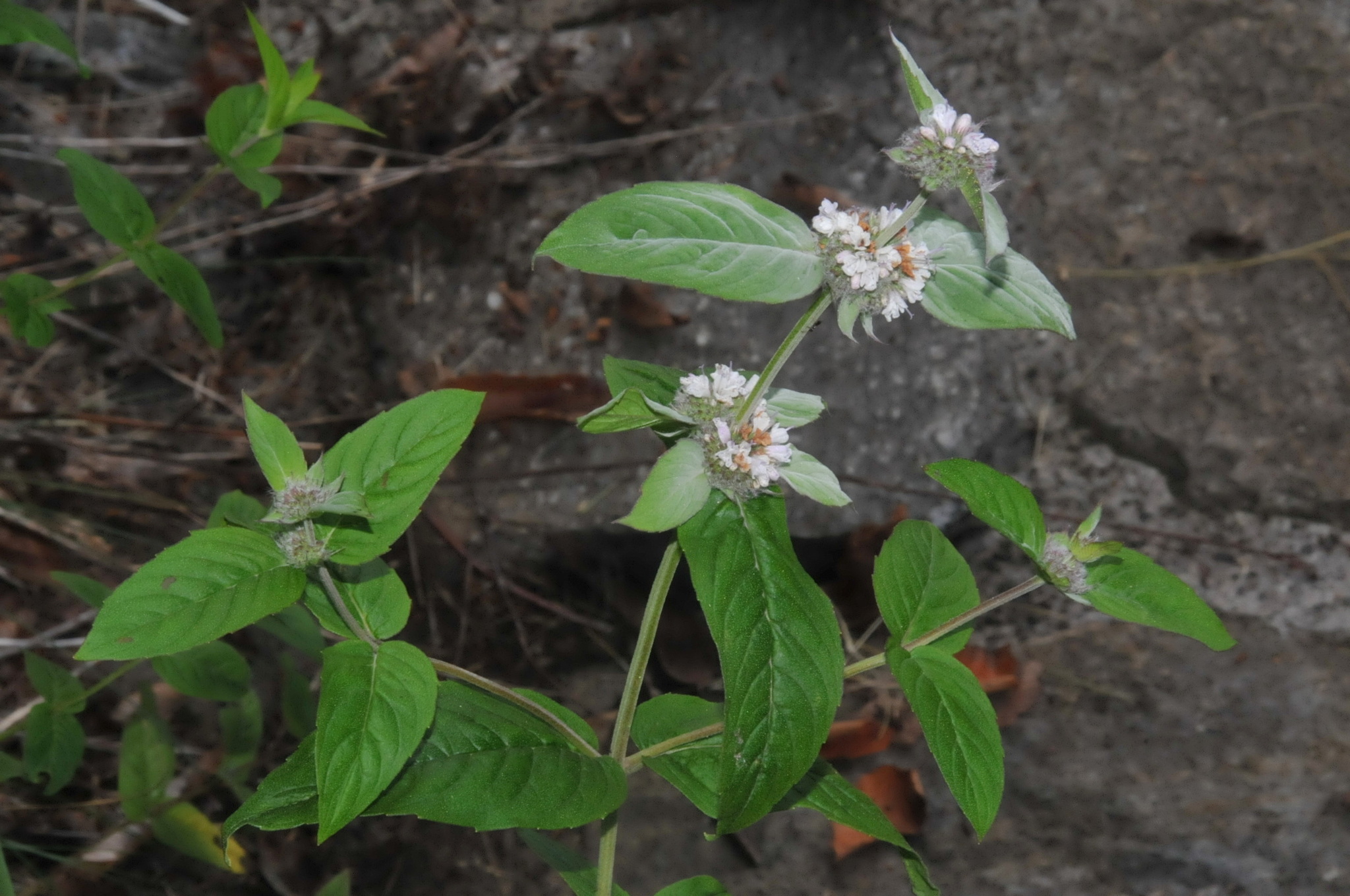
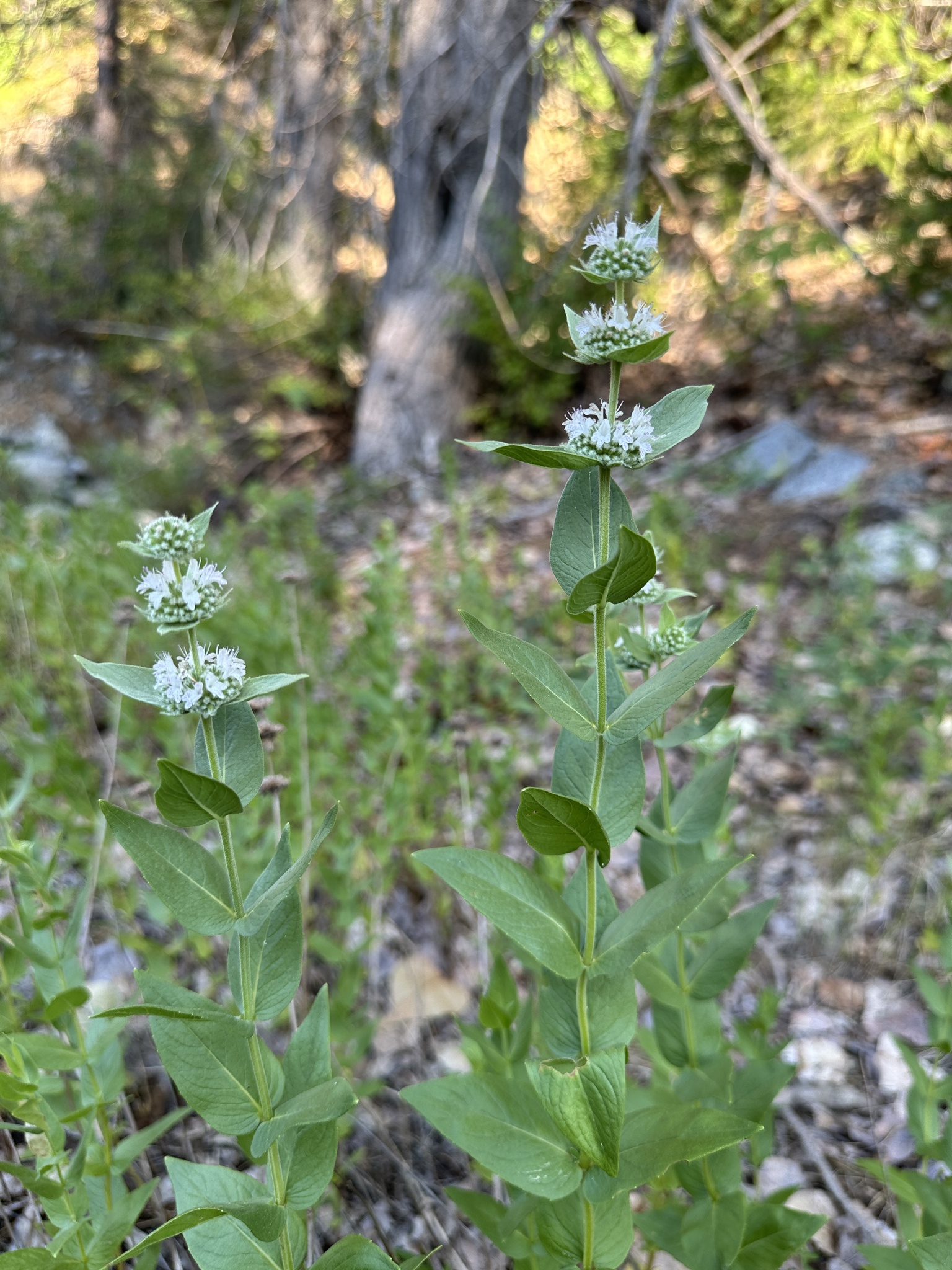
Hoary Mountainmint typically grows to a height of 2 to 4 feet, forming upright, clump-forming colonies. Its stems are square in cross-section, a characteristic common to the mint family, and are often covered in fine, soft hairs, contributing to its "hoary" appearance. The leaves are lance-shaped to ovate, measuring approximately 1 to 3 inches in length, and possess serrated margins. They are arranged oppositely along the stem and are notable for their aromatic quality when crushed, releasing a pleasant, mint-like fragrance. The plant's inflorescences are terminal clusters of small, tubular flowers, typically white to pale pink or lavender, often with purplish spotting. These blooms are highly attractive to pollinators, particularly bees and butterflies. Following flowering, small nutlets develop, which contain the seeds.
The native range of Pycnanthemum incanum extends across much of the eastern United States and into parts of southeastern Canada. It thrives in a variety of open, sunny habitats, including dry to mesic prairies, open woodlands, fields, roadsides, and sandy or gravelly areas. This species is well-adapted to well-drained soils and prefers full sun to partial shade. While it can tolerate some drought once established, consistent moisture is beneficial for optimal growth. Hoary Mountainmint is generally hardy and adaptable in cultivation, making it a suitable choice for native plant gardens, pollinator gardens, and naturalized landscapes.
Pycnanthemum incanum holds ecological importance as a nectar and pollen source for a wide array of native insects. Its aromatic foliage has also been noted for its potential uses, though scientific documentation for widespread medicinal or culinary applications specific to this species is limited compared to some other aromatic herbs. Historically, members of the genus Pycnanthemum have been used in traditional practices, but specific scientific validation for Pycnanthemum incanum's efficacy in such applications is not extensively documented in peer-reviewed literature.
A notable characteristic of Hoary Mountainmint is its ability to attract a diverse community of pollinators, contributing significantly to local biodiversity. The fine hairs covering its stems and leaves are a key feature that gives the plant its common name, "hoary," referring to its grayish-white, fuzzy appearance. This adaptation may serve to reduce water loss or deter herbivores. The plant's robust growth habit and its attraction to beneficial insects make it a valuable addition to ecological restoration projects and sustainable landscaping practices.
Water regularly, allowing soil to dry slightly between waterings.
Soil
Well-drained soil, adaptable to various types.
Temperature
Thrives in moderate temperatures.
Habitat
Outdoor
Fertilizer
Light feeding is sufficient.
Care Requirements
Light
Prefers full sun but tolerates partial shade.
Best flowering in full sun.
Water
Water regularly, allowing soil to dry slightly between waterings.
Prefers well-drained soil; avoid waterlogging.
Soil
Well-drained soil, adaptable to various types.
Temperature
Thrives in moderate temperatures.
Ideal growing range is 15-25 °C.
Habitat
Outdoor
Fertilizer
Light feeding is sufficient.
Apply balanced fertilizer in spring if needed.
Plant Overview
Plant Type
Herb
Plant Category
Flowering, Ornamental
Plant Place Type
Ground, Garden
Plant Environment
Outdoor
Lifespan
Perennials
Plant Height
0.6-1.2 m
Spread
0.3-0.6 m
Growth Rate
Moderate
Dormancy
Deciduous
Leaf Color
Green, Gray-green
Leaf Type
Opposite, lanceolate to ovate
Flower Size
0.5-1 cm
Image Gallery
Flowering & Fruiting Cycles
Monthly activity intensity for bloom and fruit across both hemispheres.
Northern hemisphere
Flowering & fruiting calendar
Peak bloom · AugPeak fruit · Sep
FloweringFruiting
Southern hemisphere
Flowering & fruiting calendar
Peak bloom · JunPeak fruit · Aug
FloweringFruiting
Synonyms
Clinopodium incanum L.
Koellia incana (L.) Kuntze
Taxonomy
kingdomPlantae
divisionTracheophyta
classMagnoliopsida
orderLamiales
familyLamiaceae
genusPycnanthemum
speciesPycnanthemum incanum
Toxicity
Toxic for humans
No
Rating: 0/5
Toxic for pets
No
Rating: 0/5
Edible
No
Additional Care Tips
Provide consistent moisture, particularly during establishment and dry spells. Avoid waterlogged conditions, as this can lead to root rot. Water deeply when the top inch of soil feels dry.
Prune back in late winter or early spring to encourage bushier growth and remove dead or damaged stems. Deadheading spent flowers can promote a longer bloom period and prevent self-seeding if desired.
Easily propagated from seed sown in spring or fall, or by division of established clumps in early spring. Stem cuttings can also be taken in late spring or early summer.
As a perennial herb typically grown outdoors, repotting is generally not applicable. If grown in a container, repot every 2-3 years in spring into fresh potting mix to refresh the soil and provide more space.
FAQs
How often should I water Hoary Mountainmint?
Water regularly, especially during dry periods, allowing the top inch of soil to dry out between waterings. Ensure good drainage to prevent root rot.
What kind of soil does Pycnanthemum incanum prefer?
It prefers well-drained soil and is adaptable to various soil types, including sandy or loamy conditions. Avoid heavy, waterlogged soils.
When is the best time to prune Hoary Mountainmint?
Prune in late winter or early spring to shape the plant, remove dead stems, and encourage a bushier habit for the growing season.
Is Hoary Mountainmint attractive to pollinators?
Yes, Pycnanthemum incanum is highly attractive to bees, butterflies, and other beneficial insects due to its nectar-rich flowers and aromatic foliage.
Can Hoary Mountainmint be grown in containers?
Yes, it can be grown in containers, provided the pot has adequate drainage and the plant receives sufficient sunlight and water. Repotting every few years is recommended.