Skip to plant details

Sitka SprucePicea sitchensis

Also known as Coast Spruce · Épinette De Sitka · Menzies's Spruce Fir

  • Category: Ornamental
  • Type: Tree
  • Sunlight: Full Sun
  • Water: Consistent Moisture
  • Temperature: Cool to Moderate

Sitka Spruce (Picea sitchensis) is the world's largest spruce, native to the Pacific coast of North America. It's a fast-growing conifer prized for its timber.

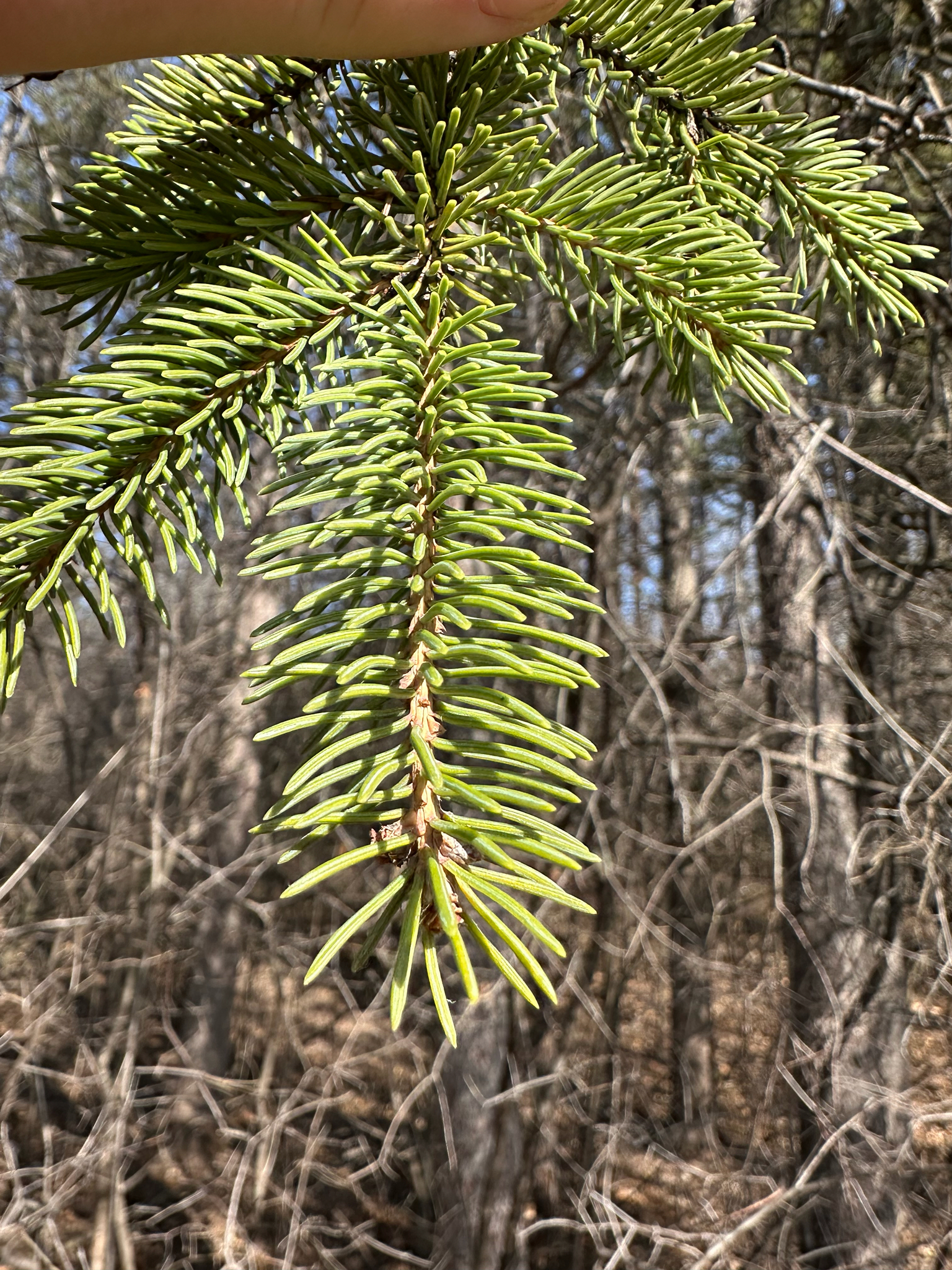
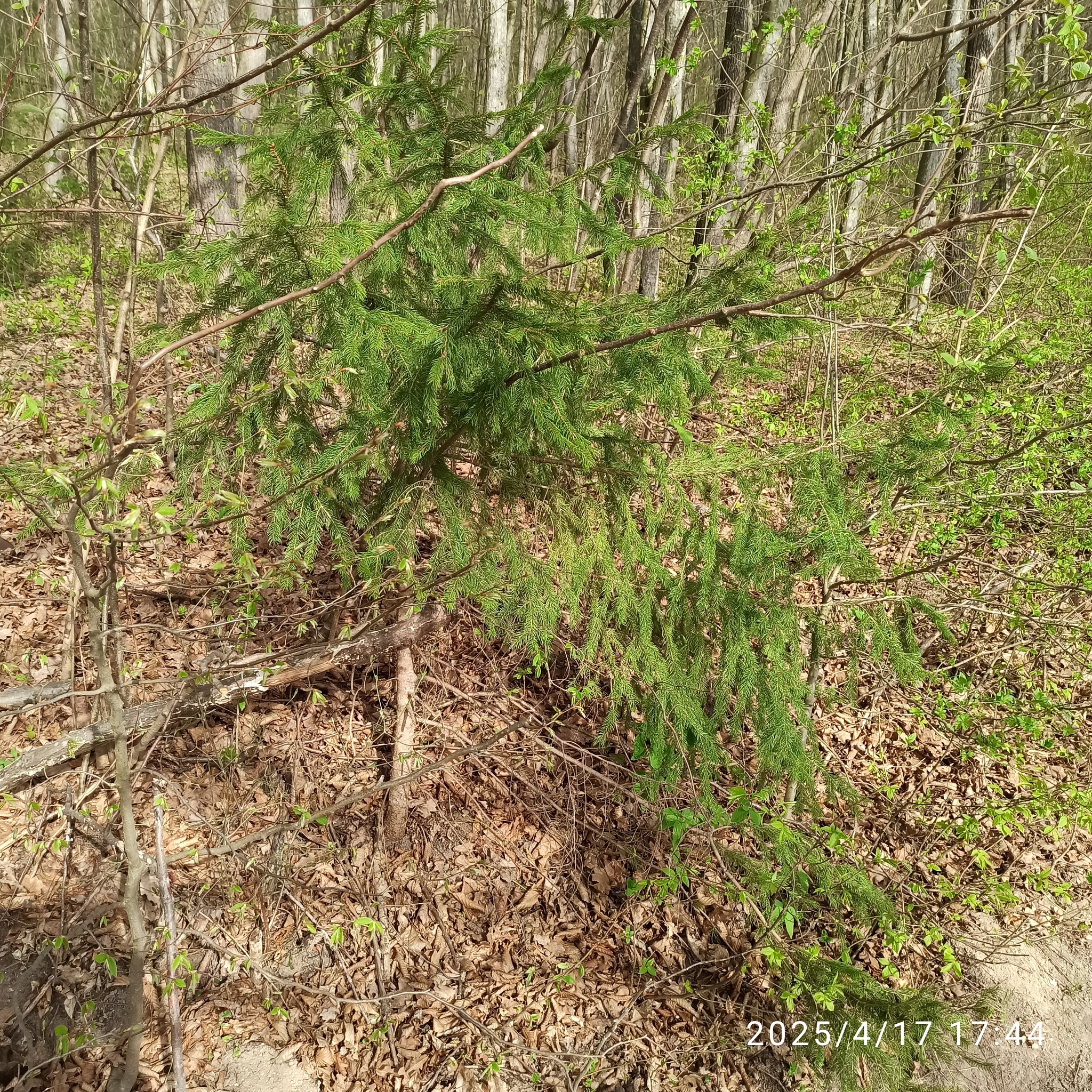
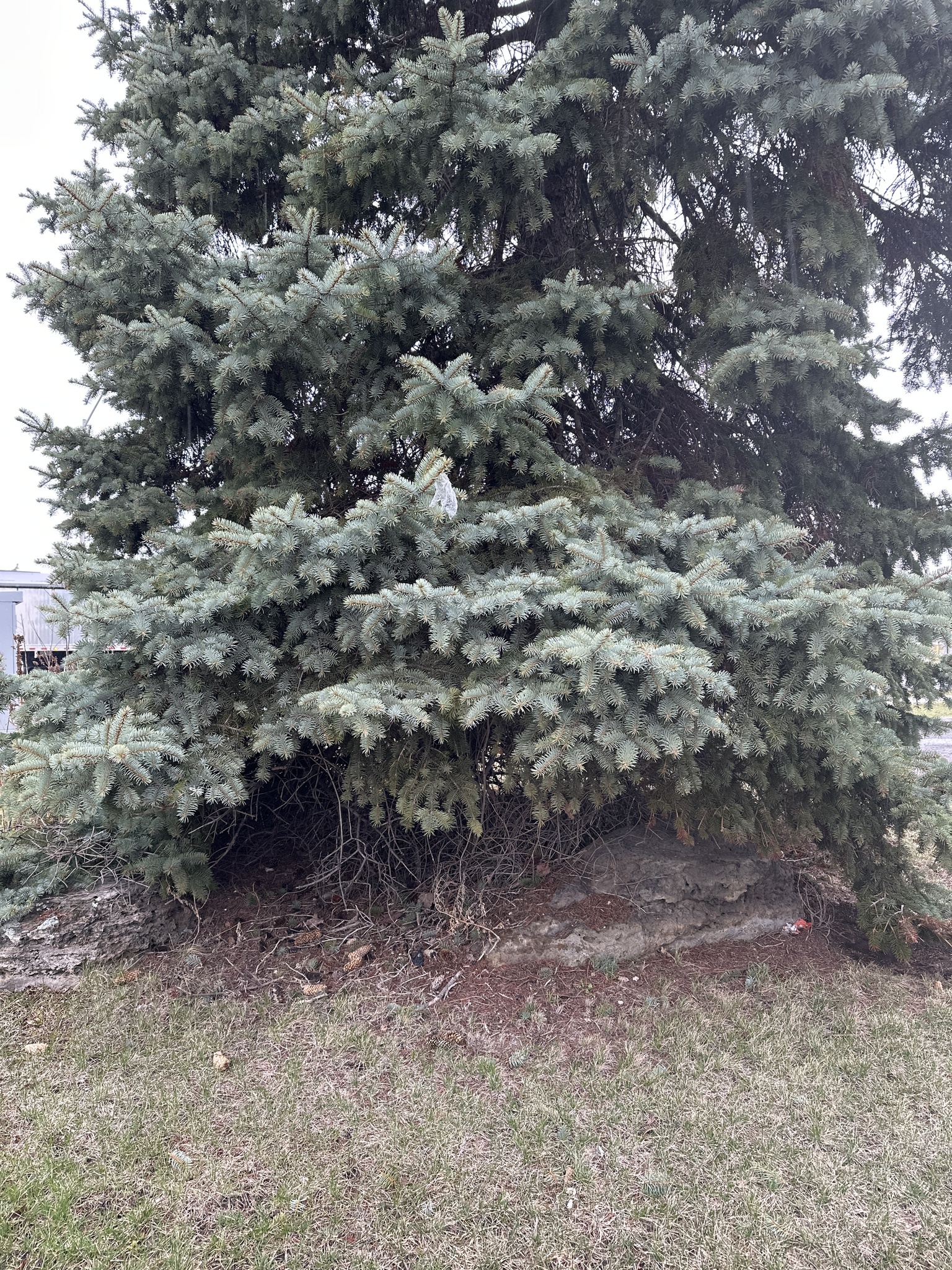
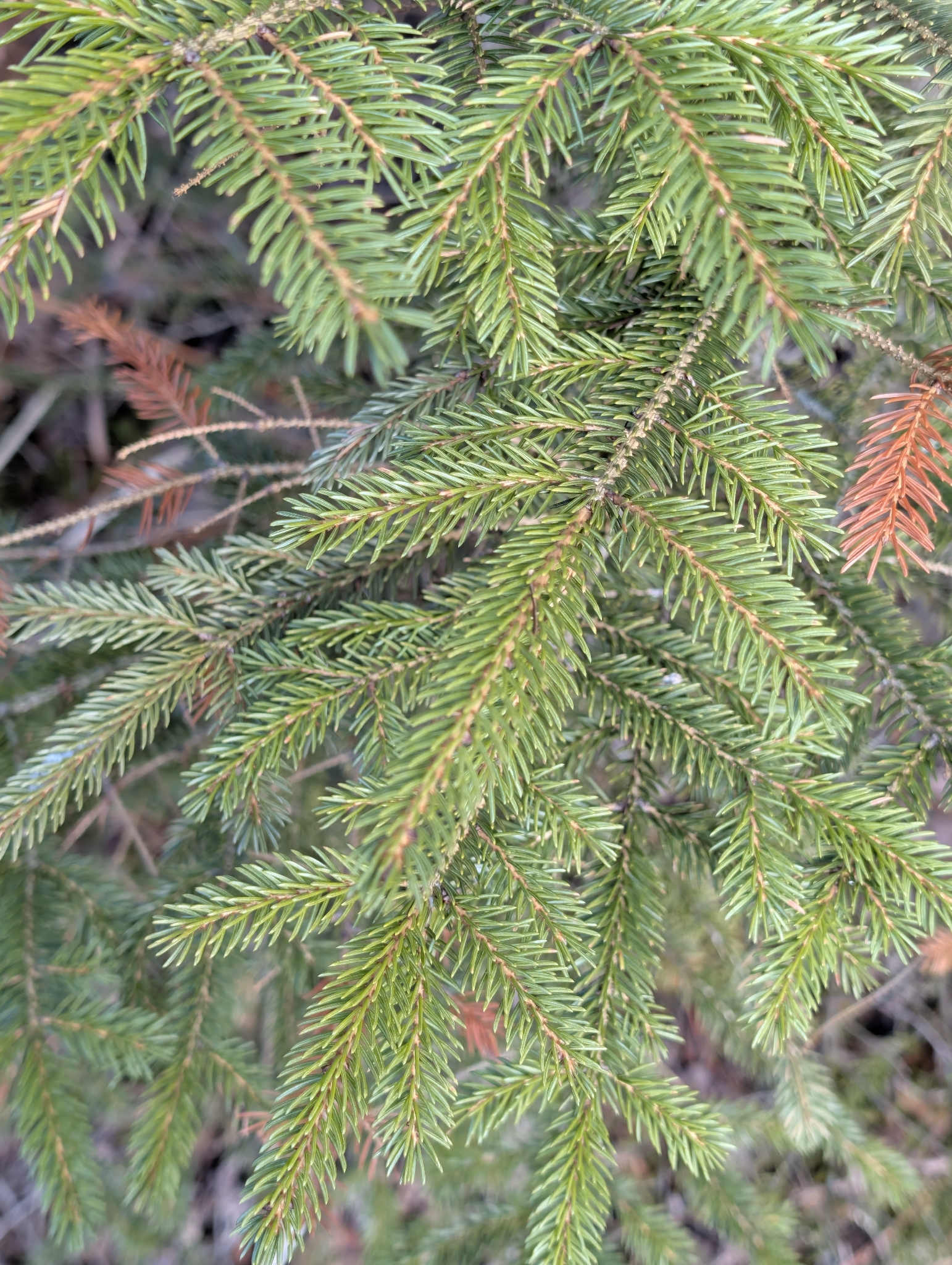
Picea sitchensis, commonly known as the Sitka spruce, is a majestic coniferous tree native to the Pacific coast of North America. It holds significant ecological importance as a dominant species in its natural range and is recognized for its impressive size and rapid growth. This species is the largest spruce in the world and the third-largest conifer globally, often forming vast, dense forests that are integral to the coastal temperate rainforest ecosystem. The physical characteristics of Picea sitchensis are striking. It typically exhibits a straight, columnar trunk that tapers towards a narrow, spire-like crown, especially in younger specimens. Mature trees can reach exceptional heights, commonly exceeding 50 meters and sometimes surpassing 90 meters, with trunk diameters frequently exceeding 2 meters. The bark is thin, scaly, and grayish-brown, becoming fissured with age. Its needles are stiff, sharp, and flattened, typically 1.5 to 3 centimeters long, with a distinctive blue-green to dark green color. They are arranged spirally around the twig, but often appear flattened on the sides of the branch due to their arrangement. The cones are pendulous, cylindrical, and typically 5 to 10 centimeters long, with thin, papery scales that are often irregularly toothed. These cones mature from green to brown and release small, winged seeds. The native distribution of Picea sitchensis is a narrow coastal strip extending from south-central Alaska south to northern California. It thrives in a cool, moist maritime climate, preferring well-drained soils, particularly those found in alluvial flats, coastal bluffs, and slopes. While it is adapted to high rainfall and frequent fog, it is sensitive to drought and extreme heat, which limits its inland expansion. In cultivation, it performs best in similar cool, humid conditions and can tolerate a range of soil types, provided they are not waterlogged. Economically, Picea sitchensis has been a vital timber species for centuries. Its wood is lightweight, strong, and possesses excellent acoustic properties, making it highly valued for construction, shipbuilding, and particularly for the soundboards of musical instruments like guitars and pianos. Historically, it was also used for aircraft construction due to its strength-to-weight ratio. Ecologically, it provides habitat and food for a variety of wildlife, and its dense forests play a crucial role in soil stabilization and watershed protection along the Pacific coast. An interesting adaptation of Picea sitchensis is its ability to tolerate salt spray, which is essential for its survival in its exposed coastal habitat. The sharp, pointed needles are also a defense mechanism against herbivores. Furthermore, its ability to regenerate from seed and its rapid growth rate contribute to its success in colonizing disturbed areas within its native range, showcasing its resilience and ecological significance.

Photograph © ngerlach

Sitka Spruce Care Summary

At-a-glance light, water, soil, and growing conditions from plant data

Light

Full Sun

100% intensity

Prefers full sun for best growth and form. Can tolerate partial shade, but may become more open.

Watering

Consistent Moisture

75% intensity

Keep soil consistently moist, especially when young. Water deeply during dry spells. Ensure good drainage.

Soil

Loam, Sand, Clay, Acidic, Well-drained

50% intensity

Temperature

Cool to Moderate

50% intensity

Best suited for cool, temperate climates. Tolerates frost well but can struggle in prolonged heat.

Fertilizer

Low

25% intensity

Requires little to no fertilization, especially in good soil. Use a balanced fertilizer sparingly in early spring if growth is weak.

Sitka Spruce Toxicity

Safety information from plant toxicity data

Toxicity details for Sitka Spruce
AttributeValue
Toxic for humansNo

0/5 intensity

Toxic for petsNo

0/5 intensity

Sitka Spruce Quick Facts

Key traits and growing stats from plant data

Plant Type
Tree
Plant Category
Ornamental
Plant Place Type
Garden
Lifespan
Perennial
Plant Height
30-70 m
Spread
6-12 m
Growth Rate
Fast
Dormancy
Yes
Leaf Color
Green
Leaf Type
Needle
Optimal Sunlight Lux
60000

Care guide for Sitka Spruce

Watering, pruning, propagation, and repotting details from plant data

Water

Sitka Spruce prefers consistent moisture, especially when young. Water deeply during dry periods, ensuring the soil drains well to prevent waterlogging.

Reduce watering in winter, allowing the soil surface to dry slightly between waterings. Aim for moist, not saturated, soil.

Pruning

Prune Sitka Spruce primarily to remove dead, damaged, or diseased branches. Minimal structural pruning is usually required. If shaping is desired, do so in late winter or early spring before bud break.

Avoid heavy pruning, as it can stress the tree.

Propagation

Sitka Spruce is typically propagated by seeds sown in a cold frame in autumn or spring. Cuttings can be taken from semi-hardwood in summer, but success rates can be variable. Grafting is also used for specific cultivars.

Repotting

Repotting is rarely necessary for mature Sitka Spruce trees due to their large size. For young plants in containers, repot every 2-3 years in spring to refresh soil and provide more space.

Use a well-draining potting mix suitable for conifers.

Identify plants like this with ePlant

Snap a photo to get care tips and match similar species on the go.

Try for Free

Flowering & Fruiting Cycles

Monthly activity intensity for bloom and fruit across both hemispheres.

Northern hemisphere

Flowering & fruiting calendar

Peak bloom · MayPeak fruit · Sep
FloweringFruiting
02468JanFebMarAprMayJunJulAugSepOctNovDecActivity intensityMonths58
Southern hemisphere

Flowering & fruiting calendar

Peak bloom · SepPeak fruit · Apr
FloweringFruiting
02468JanFebMarAprMayJunJulAugSepOctNovDecActivity intensityMonths58

Sitka Spruce Names & Synonyms

Common names and botanical synonyms

Common Names

  • Coast Spruce
  • Épinette De Sitka
  • Menzies's Spruce Fir
  • Silver Spruce
  • Sitka Spruce
  • Tideland Spruce
  • Yellow Spruce

Synonyms

  • Abies falcata Raf.
  • Abies merkiana Fisch. ex Parl.
  • Abies sitchensis (Bong.) Lindl. & Gordon
  • Abies trigona Raf.
  • Picea falcata (Raf.) Valck.Sur.
  • Picea menziesii (Douglas ex D.Don) Carrière
  • Pinus menziesii Douglas ex D.Don
  • Pinus sitchensis Bong.
  • Sequoia rafinesquei Carrière
  • Tsuga sitchensis (Bong.) Regel

Sitka Spruce Taxonomy

Botanical classification

Taxonomic classification of Sitka Spruce
RankName
kingdomPlantae
divisionTracheophyta
classPinopsida
orderPinales
familyPinaceae
genusPicea
speciesPicea sitchensis

Sitka Spruce FAQs

Answers based on plant encyclopedia data

What are the ideal growing conditions for Sitka Spruce?

Sitka Spruce thrives in moist, well-drained soils and prefers full sun to partial shade. It requires a cool, humid climate and is tolerant of salt spray, making it suitable for coastal environments.

How tall can a Sitka Spruce grow?

Sitka Spruce is the world's largest spruce species and can reach heights of up to 90 meters (approximately 300 feet) or more, with a trunk diameter of 2 meters (approximately 6.5 feet).

Is Sitka Spruce suitable for small gardens?

No, Sitka Spruce is a very large tree and is not suitable for small gardens. It requires significant space to grow to its mature size.

What is the lifespan of a Sitka Spruce?

Sitka Spruce trees can live for several hundred years, with some individuals estimated to be over 800 years old.

Does Sitka Spruce have any significant pests or diseases?

Sitka Spruce can be susceptible to various pests such as the Sitka spruce weevil and diseases like white pine blister rust. Proper site selection and care can help mitigate these issues.