Cecropia Palmata Outdoor Foliage Tree Care Guide | ePlant AI
Cecropia Palmata (Cecropia palmata)
Cecropia palmata is a fast-growing tree native to the Amazon rainforest, known for its distinctive palmate leaves and hollow stems.
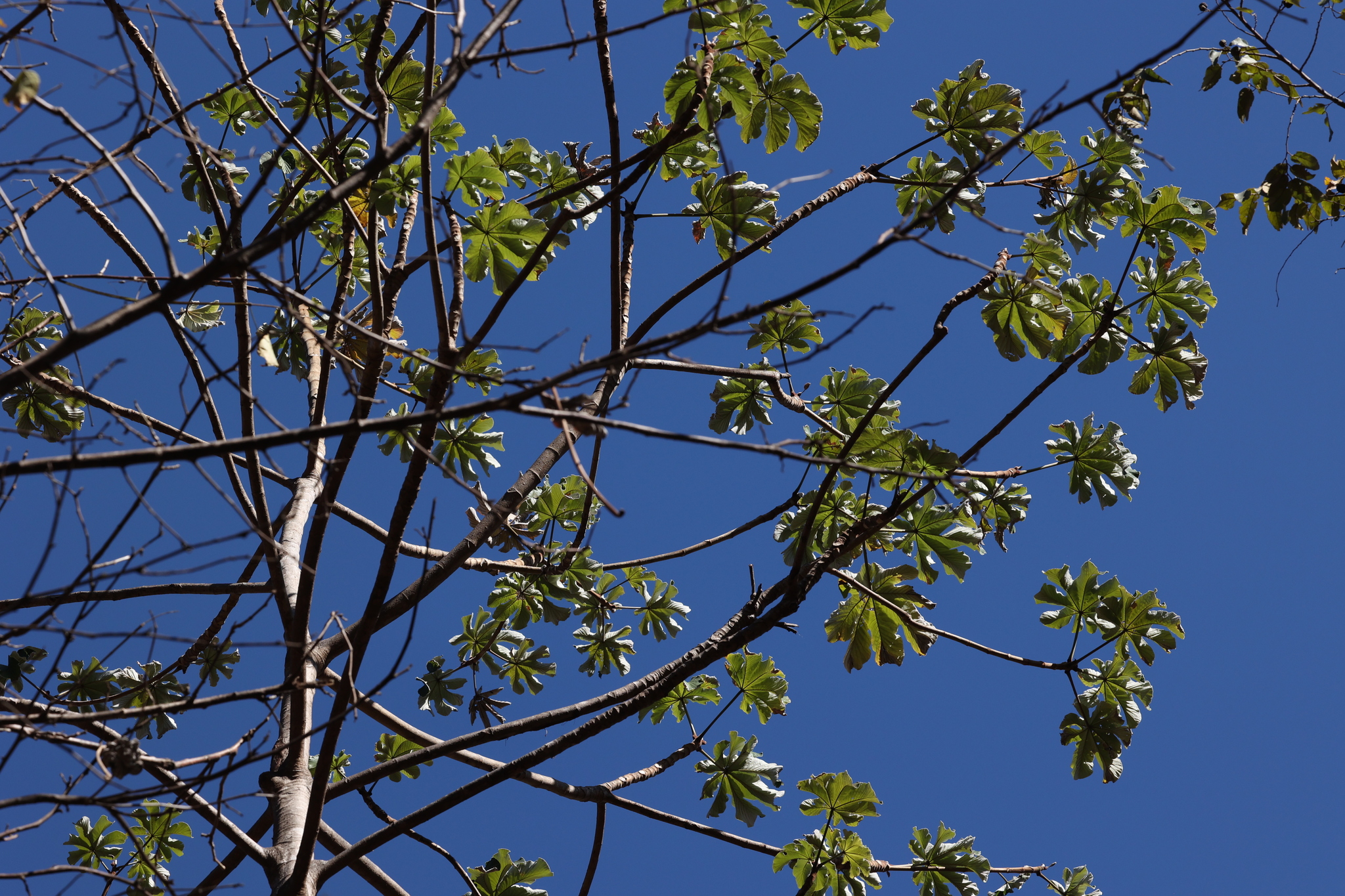
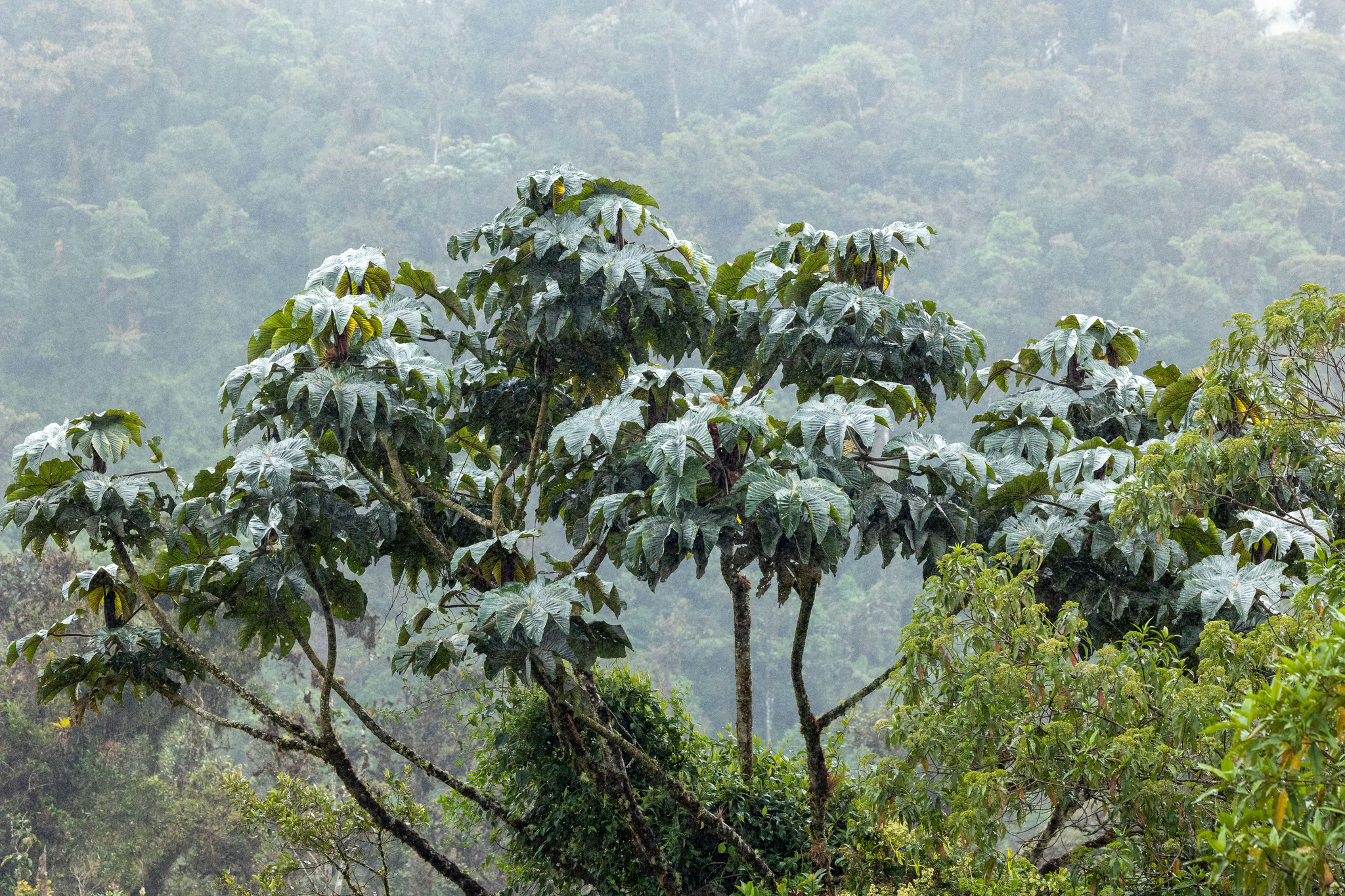
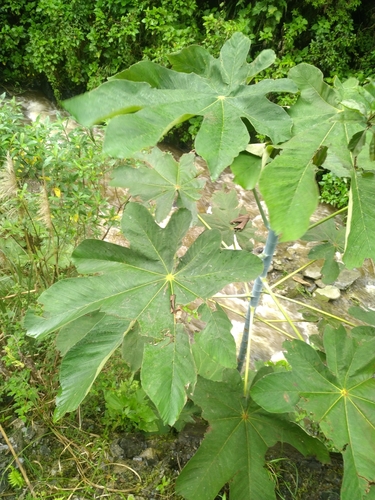
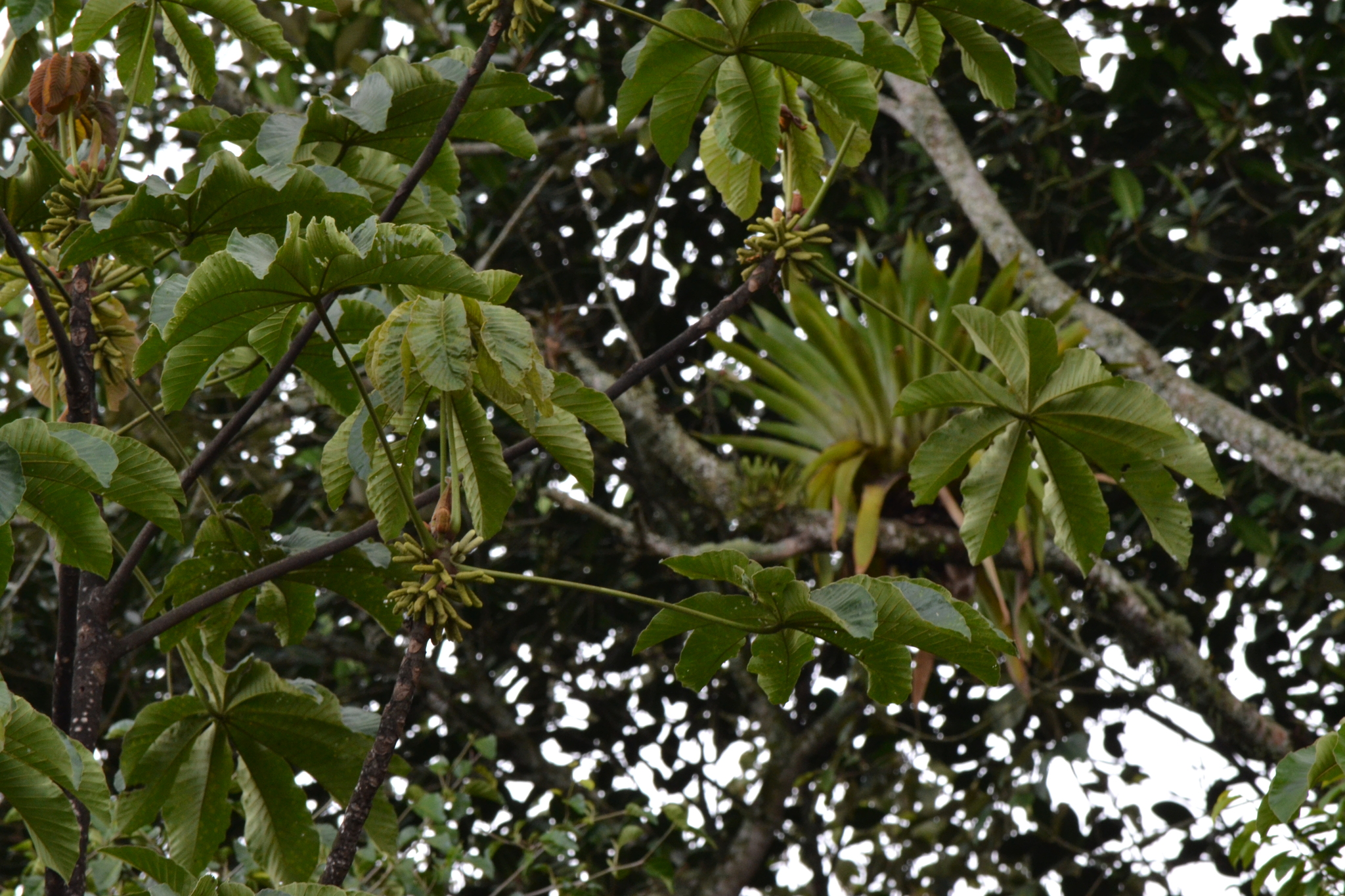
Cecropia palmata is a distinctive tree species recognized for its rapid growth and prominent role in tropical ecosystems. As a member of the *Cecropia* genus, it is often referred to by its scientific name, Cecropia palmata, and is a significant component of early successional vegetation in its native range. These trees are characterized by their slender, often unbranched or sparsely branched trunks that are typically hollow and segmented, resembling bamboo in their structure. The bark is smooth and pale gray, often marked with ring-like scars where fallen leaves once attached. The most striking feature of Cecropia palmata is its large, palmate leaves, which are deeply lobed and can reach considerable diameters. These leaves are borne at the apex of the trunk, creating a distinctive umbrella-like canopy. The underside of the leaves is often covered in a dense layer of fine, white hairs, which can give the foliage a silvery appearance.
The reproductive structures of Cecropia palmata are borne on separate male and female trees, a characteristic known as dioecy. The flowers are small and inconspicuous, clustered in cylindrical spikes that emerge from the leaf axils. Following pollination, female trees produce small, fleshy fruits that are aggregated into similar spike-like structures. These fruits are a food source for various birds and mammals, playing a role in seed dispersal. The seeds themselves are tiny and are dispersed by wind and animals.
Cecropia palmata is native to the Neotropics, with its distribution extending across various parts of South America. It thrives in disturbed habitats, such as cleared forests, riverbanks, and roadsides, where it can quickly colonize open spaces. This species is well-adapted to tropical climates with consistent rainfall and warm temperatures. While it is a pioneer species, its cultivation requirements are generally straightforward in suitable environments, favoring well-drained soils and ample sunlight.
Ecologically, Cecropia palmata is highly significant. Its rapid growth and ability to fix nitrogen contribute to soil improvement and nutrient cycling in degraded areas. The hollow stems of Cecropia trees often serve as nesting sites for ants, particularly Azteca ants, which form a mutualistic relationship with the tree. The ants protect the tree from herbivores and competing vegetation, while the tree provides shelter and food for the ants. This symbiotic relationship is a fascinating example of co-evolution in tropical forests. While not widely cultivated for ornamental purposes outside its native range, its unique form and ecological importance make it a subject of interest for botanists and ecologists studying tropical forest dynamics. Its role in providing habitat and food for wildlife further underscores its ecological value.
Requires well-draining soil. A fertile, loamy soil is ideal, but it can tolerate a range of soil types.
Temperature
Thrives in warm temperatures.
Habitat
Outdoor, Greenhouse
Fertilizer
Feed during the growing season.
Care Requirements
Light
Prefers full sun to partial shade.
Bright, indirect light is ideal indoors.
Water
Keep soil consistently moist but not waterlogged.
Water more frequently during active growth.
Soil
Requires well-draining soil. A fertile, loamy soil is ideal, but it can tolerate a range of soil types.
Temperature
Thrives in warm temperatures.
Ideal range is 20-30°C. Protect from frost.
Habitat
Outdoor, Greenhouse
Fertilizer
Feed during the growing season.
Use a balanced liquid fertilizer every 4-6 weeks.
Plant Overview
Plant Type
Tree
Plant Category
Foliage
Plant Place Type
Ground
Plant Environment
Outdoor, Greenhouse
Lifespan
Perennials
Plant Height
10-15 m
Spread
5-8 m
Growth Rate
Fast
Dormancy
None
Leaf Color
Green
Leaf Type
Palmate
Image Gallery
Flowering & Fruiting Cycles
Monthly activity intensity for bloom and fruit across both hemispheres.
Northern hemisphere
Flowering & fruiting calendar
Peak bloom · JunPeak fruit · Jul
FloweringFruiting
Southern hemisphere
Flowering & fruiting calendar
Peak bloom · DecPeak fruit · Nov
FloweringFruiting
Synonyms
Ambaiba palmata (Willd.) Kuntze
Cecropia bureauiana Aladar Richt.
Taxonomy
kingdomPlantae
divisionTracheophyta
classMagnoliopsida
orderRosales
familyUrticaceae
genusCecropia
speciesCecropia palmata
Toxicity
Toxic for humans
No
Rating: 0/5
Toxic for pets
No
Rating: 0/5
Additional Care Tips
Maintain consistently moist soil, especially during the growing season. Allow the top inch of soil to dry slightly between waterings.
Prune to shape the tree and remove any dead or damaged branches. Pruning can also be done to control size, though it is a fast grower.
Easily propagated from seeds or stem cuttings. Cuttings root readily in moist soil or water.
As a fast-growing tree, it is not typically grown in pots long-term. If necessary, repot in spring into a larger container with fresh, well-draining soil.
FAQs
What kind of soil does Cecropia palmata prefer?
Cecropia palmata prefers well-draining, fertile, loamy soil. It can adapt to various soil types as long as drainage is adequate.
How often should I water Cecropia palmata?
Water regularly to keep the soil consistently moist but not waterlogged. Reduce watering slightly in cooler temperatures or during dormancy.
Can Cecropia palmata be grown indoors?
While it is a large tree, young plants can be grown indoors in bright, indirect light and high humidity. They require ample space as they mature.
What is the growth rate of Cecropia palmata?
Cecropia palmata is known for its very fast growth rate, often colonizing disturbed areas quickly in its native habitat.
Does Cecropia palmata produce flowers or fruit?
Cecropia palmata produces small, inconspicuous flowers followed by tiny fruits, but it is primarily grown for its distinctive foliage and rapid growth habit.