Skip to plant details

SnowbushBreynia disticha

Also known as Barrios · Chinese Fringe Flower · Foliage-Flower

  • Category: Ornamental
  • Type: Shrub
  • Sunlight: Bright Indirect Light
  • Water: Moderate
  • Temperature: Average to Warm

Snowbush (Breynia disticha) is a striking ornamental shrub known for its variegated foliage, featuring pink, white, and green coloration that provides year-round visual i

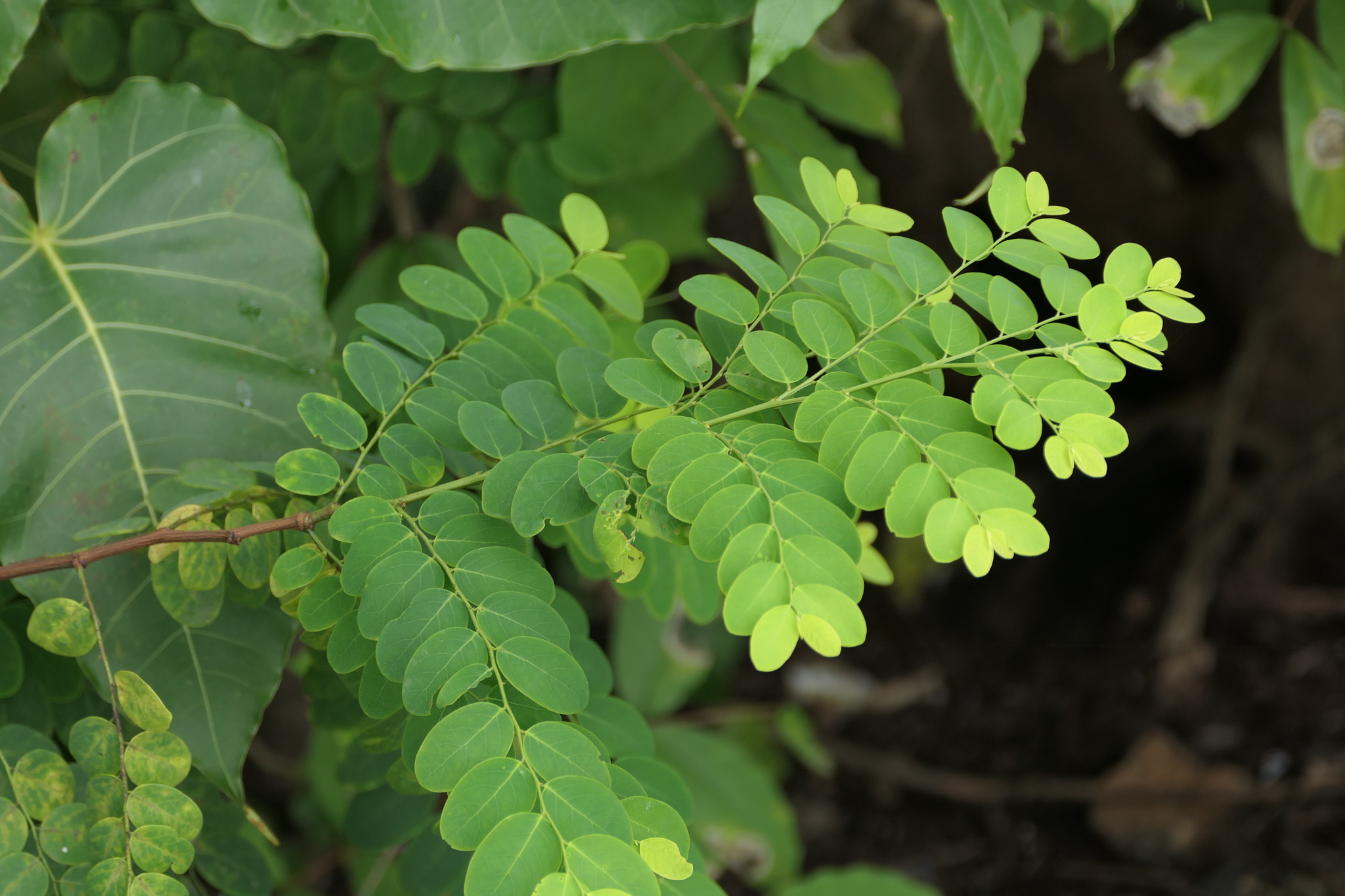
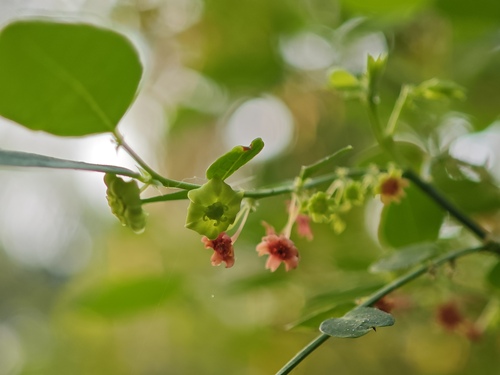
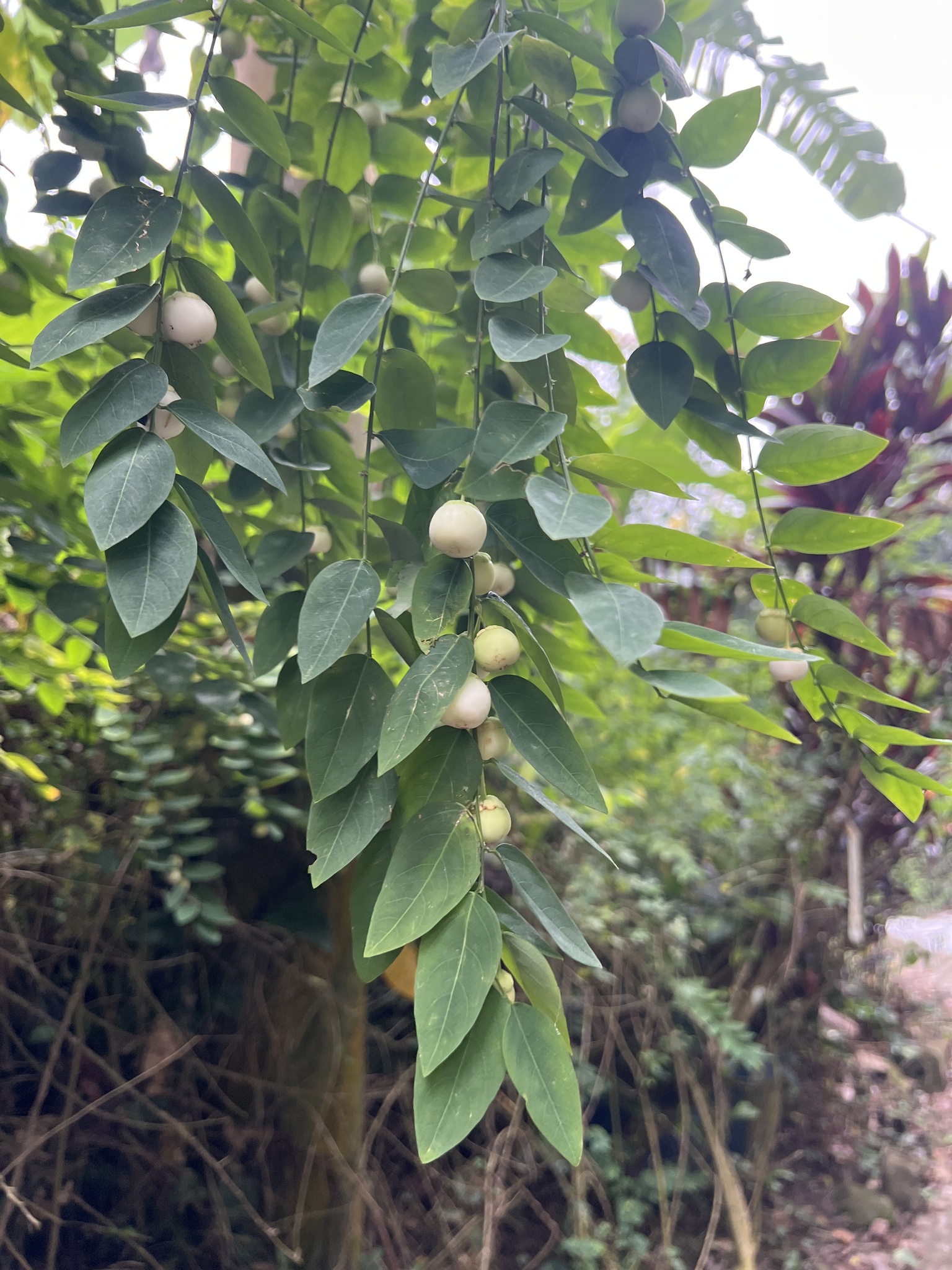
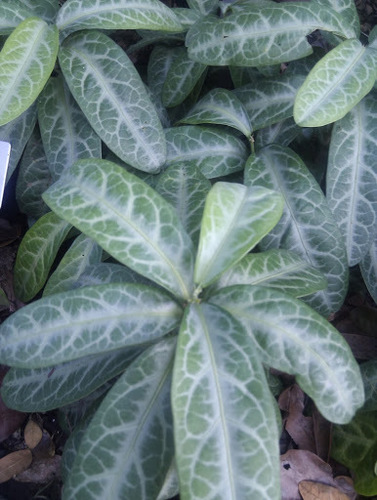
Breynia disticha, commonly known as Snowbush, is an attractive evergreen shrub valued for its striking foliage. This plant belongs to the Phyllanthaceae family and is native to the Pacific Islands, particularly Fiji and Vanuatu. Its ornamental appeal stems primarily from its variegated leaves, which create a visually dynamic effect throughout the year. Snowbush typically grows as a rounded, multi-stemmed shrub, reaching a mature height of approximately 1 to 2 meters (3 to 6 feet) and a similar spread. Its growth habit is dense and bushy, making it a popular choice for hedges, borders, and specimen plantings. The most distinctive feature of Breynia disticha is its foliage. The leaves are ovate to elliptic, measuring about 2.5 to 7.5 cm (1 to 3 inches) in length. In its most common ornamental forms, the leaves are heavily mottled and splashed with white, cream, or pink, contrasting sharply with a green background. This variegation is most pronounced on new growth, giving the plant a "snow-dusted" appearance, hence its common name. The stems are slender and often reddish-brown. Small, inconspicuous flowers are produced, typically greenish or yellowish, and are not a significant ornamental feature. Following flowering, small, fleshy fruits may develop, which are usually globose and dark purple to black when ripe, though they are rarely prominent. In its native habitat, Breynia disticha is found in coastal areas and open woodlands, often on sandy soils. It thrives in warm, humid climates and prefers full sun to partial shade. While it is a tropical and subtropical plant, it can be cultivated in temperate regions in containers, which can be brought indoors during colder months. For optimal growth, it requires well-drained soil and consistent moisture. It is relatively drought-tolerant once established but performs best with regular watering. Pruning can be done to maintain shape and encourage denser growth and more vibrant foliage coloration. Snowbush is primarily grown for its ornamental value in landscaping. Its colorful and variegated foliage provides year-round interest and can add a bright, tropical flair to gardens. It is particularly effective when used as a contrasting element against plants with solid green foliage or when planted in mass to create a striking visual display. While not widely recognized for medicinal, culinary, or economic uses, its horticultural significance is well-established. An interesting characteristic of Breynia disticha is the variability in its variegation. Different cultivars exist, exhibiting varying degrees and patterns of white, pink, and green coloration on their leaves. This variation contributes to its popularity among gardeners seeking unique and colorful plant options. The plant's ability to tolerate a range of light conditions, from full sun to partial shade, allows for flexibility in its placement within a landscape, although the most intense coloration is typically achieved in brighter light.

Photograph © EcoProf · CC-BY-NC

Snowbush Care Summary

At-a-glance light, water, soil, and growing conditions from plant data

Light Requirements

Bright Indirect Light

75% intensity

Prefers bright, indirect sunlight. Can tolerate some morning sun. Too much direct sun can scorch leaves.

Watering Needs

Moderate

50% intensity

Keep soil consistently moist but not waterlogged. Allow top layer to dry slightly between waterings.

Soil

Well-drained, fertile soil

50% intensity

Temperature Preferences

Average to Warm

50% intensity

Thrives in temperatures between 18-24°C. Protect from frost and avoid sudden temperature fluctuations.

Fertilizing Needs

Moderate

50% intensity

Feed with a balanced liquid fertilizer diluted to half strength during the growing season.

Snowbush Toxicity

Safety information from plant toxicity data

Toxicity details for Snowbush
AttributeValue
Toxic for humansNo

0/5 intensity

Toxic for petsNo

0/5 intensity

EdibleNo

Non-toxic

Snowbush Quick Facts

Key traits and growing stats from plant data

Plant Type
Shrub
Plant Category
Ornamental
Plant Place Type
Garden, Pot
Lifespan
Perennial
Plant Height
0.6-1.8 meters
Spread
0.6-1.8 meters
Growth Rate
Moderate
Dormancy
Evergreen
Leaf Color
Green, Pink, White, Variegated
Leaf Type
Simple
Optimal Sunlight Lux
60000

Care guide for Snowbush

Watering, pruning, propagation, and repotting details from plant data

Water

Water regularly, allowing the top 2-3 cm of soil to dry out between waterings. Avoid waterlogging, as this can lead to root rot.

Reduce watering slightly during cooler winter months, but do not let the soil become completely dry. Consistent moisture is key for healthy growth and vibrant foliage.

Pruning

Prune annually in late winter or early spring to maintain shape and encourage bushier growth. Remove any dead, damaged, or crossing branches. Light pinching of new growth can also promote a more compact habit.

Heavy pruning is tolerated if needed to rejuvenate an older plant.

Propagation

Propagate from semi-hardwood cuttings taken in summer. Insert cuttings into a well-draining potting mix. Keep the cuttings consistently moist and in a warm, bright location. Rooting typically occurs within 4-6 weeks.

Cuttings from vibrant new growth tend to root best.

Repotting

Repot every 2-3 years, or when the plant becomes root-bound, preferably in spring. Use a well-draining potting mix. Choose a pot one size larger than the current one.

Ensure good drainage holes to prevent water accumulation around the roots.

Identify plants like this with ePlant

Snap a photo to get care tips and match similar species on the go.

Try for Free

Flowering & Fruiting Cycles

Monthly activity intensity for bloom and fruit across both hemispheres.

Northern hemisphere

Flowering & fruiting calendar

Peak bloom · AugPeak fruit · Aug
FloweringFruiting
02468JanFebMarAprMayJunJulAugSepOctNovDecActivity intensityMonths78
Southern hemisphere

Flowering & fruiting calendar

Peak bloom · FebPeak fruit · Feb
FloweringFruiting
02468JanFebMarAprMayJunJulAugSepOctNovDecActivity intensityMonths78

Snowbush Names & Synonyms

Common names and botanical synonyms

Common Names

  • Barrios
  • Chinese Fringe Flower
  • Foliage-Flower
  • Jazz Hands
  • Leaf Flower
  • Red-Leaf Breynia
  • Snowbush

Synonyms

  • Breynia axillaris Spreng.
  • Breynia nivosa (W.Bull) Small
  • Melanthesa neocaledonica Baill.
  • Phyllanthus atropurpureus Van Geert
  • Phyllanthus nivosus W.Bull
  • Phyllanthus roseopictus Burb.

Snowbush Taxonomy

Botanical classification

Taxonomic classification of Snowbush
RankName
kingdomPlantae
divisionTracheophyta
classMagnoliopsida
orderMalpighiales
familyPhyllanthaceae
genusBreynia
speciesBreynia disticha

Snowbush FAQs

Answers based on plant encyclopedia data
What are the light requirements for Snowbush?

Snowbush prefers full sun to partial shade. In hotter climates, afternoon shade is beneficial to prevent leaf scorch.

How often should I water Snowbush?

Water regularly, especially during dry periods, keeping the soil consistently moist but not waterlogged. Reduce watering in winter.

What type of soil is best for Snowbush?

Snowbush prefers well-draining soil. It is adaptable to a range of soil types but thrives in fertile, loamy soils.

When is the best time to prune Snowbush?

Pruning is best done in late winter or early spring before new growth begins. This helps maintain its shape and encourages denser foliage.

Is Snowbush sensitive to cold temperatures?

Yes, Snowbush is a tropical to subtropical plant and is sensitive to frost. It is best grown in USDA hardiness zones 9-11. In colder climates, it can be grown in containers and overwintered indoors.