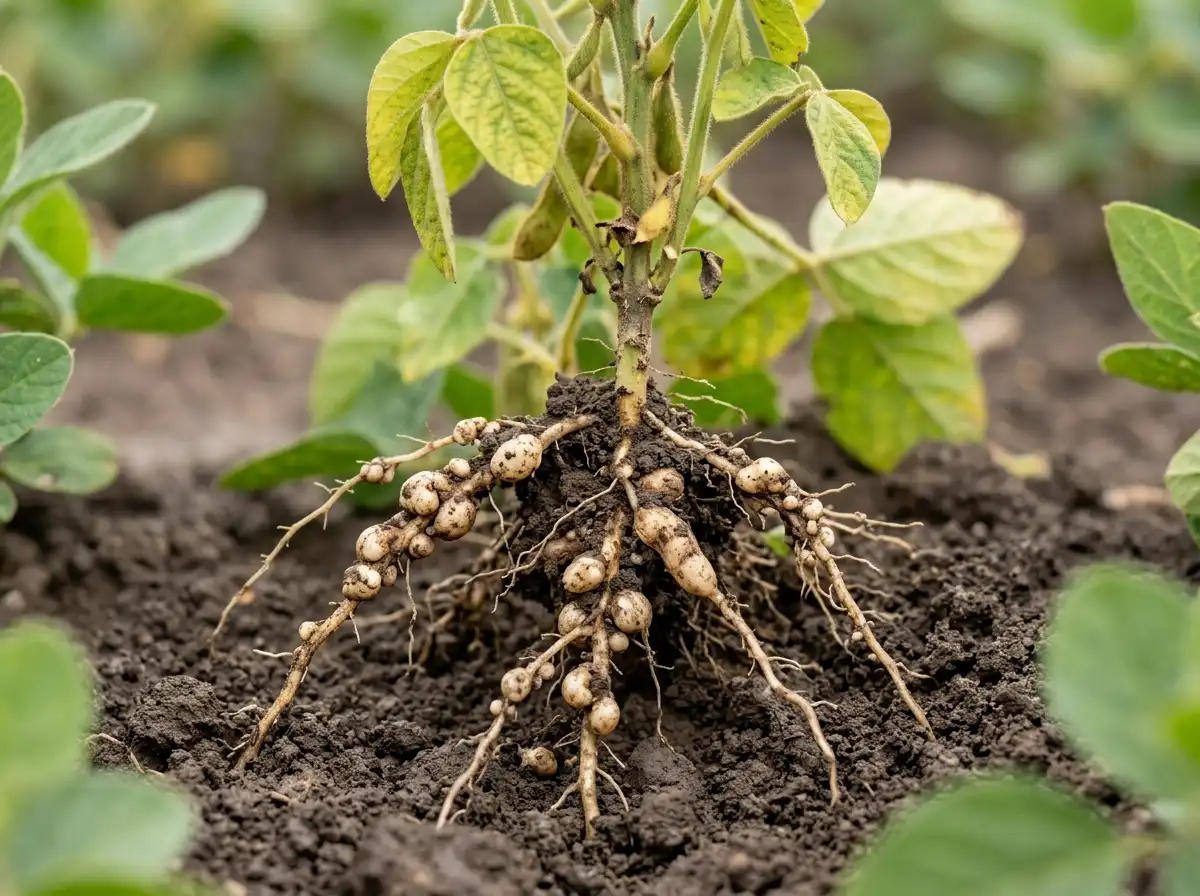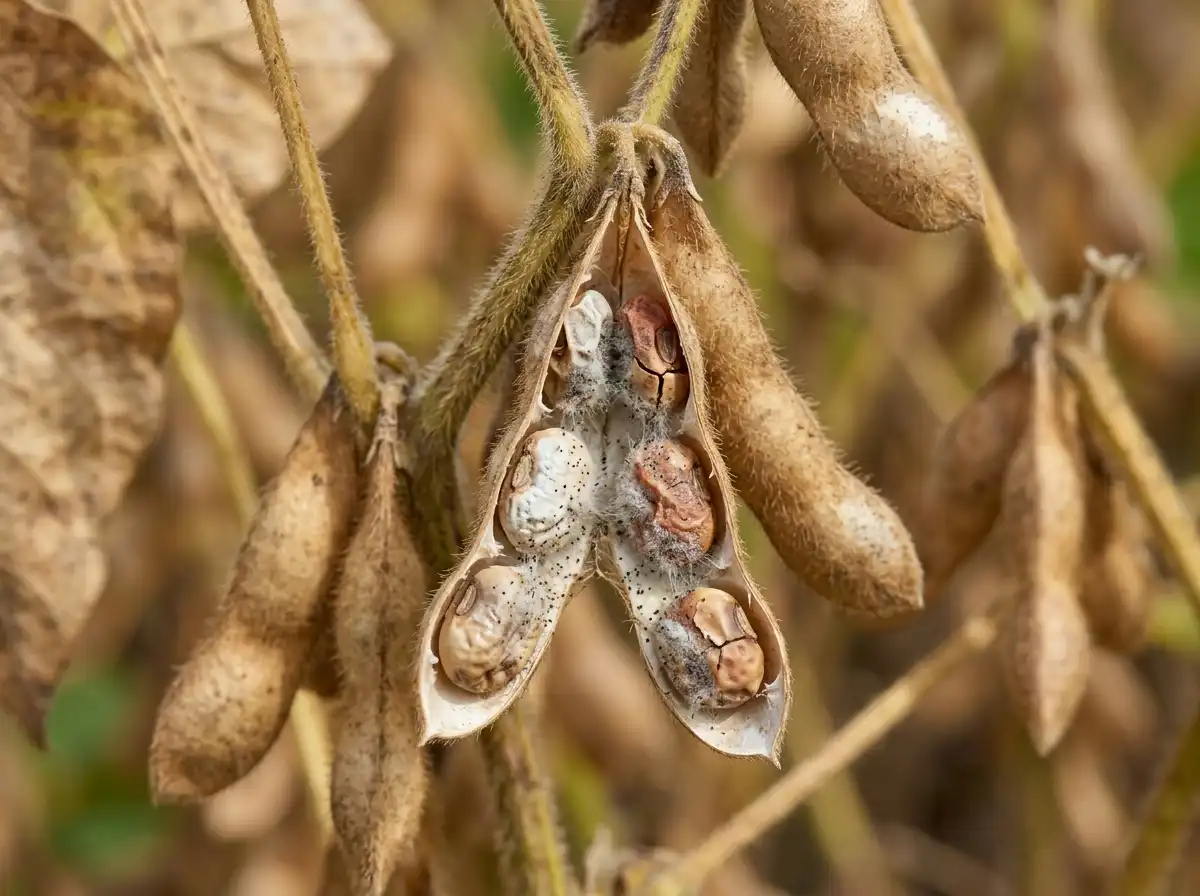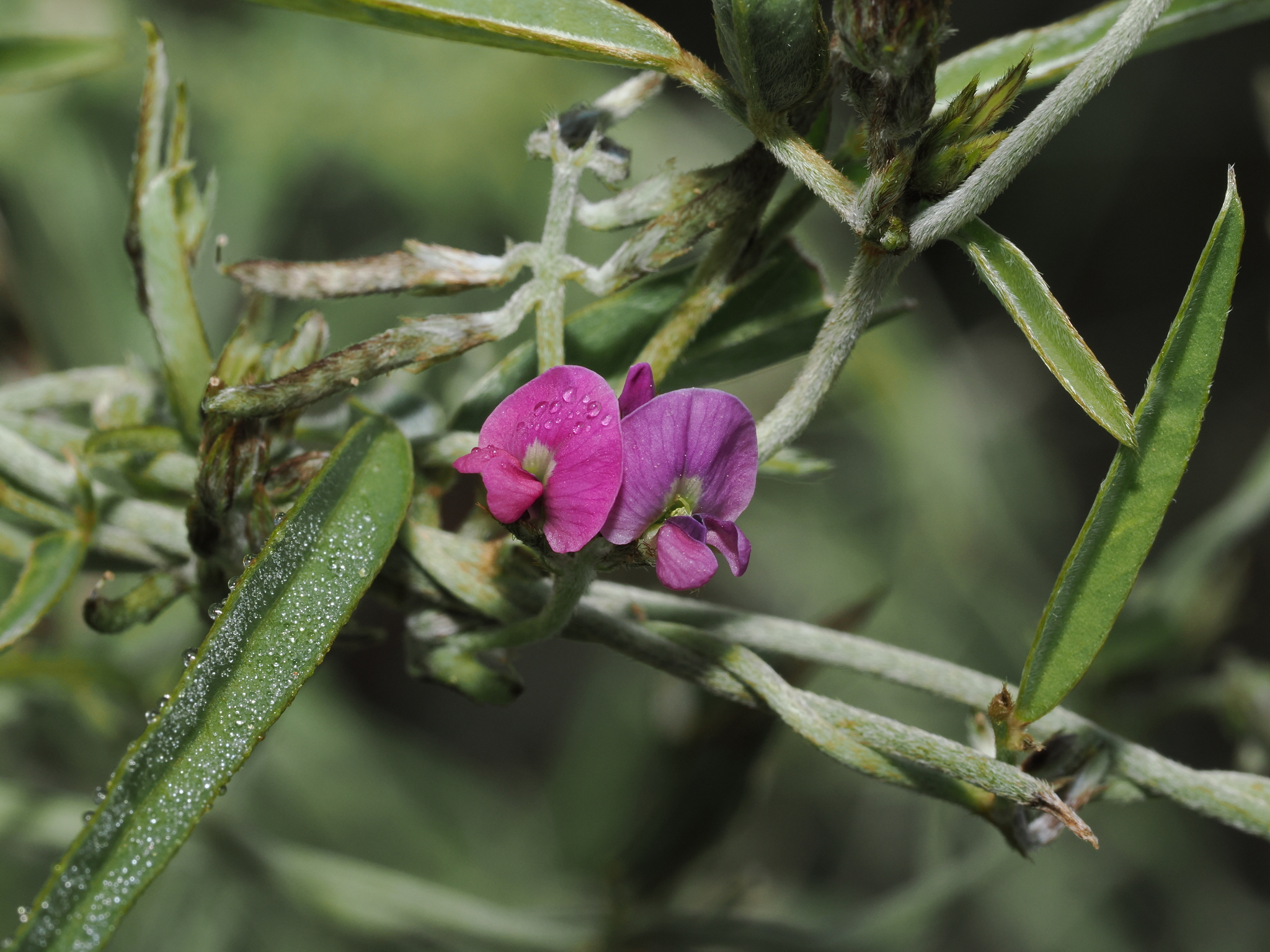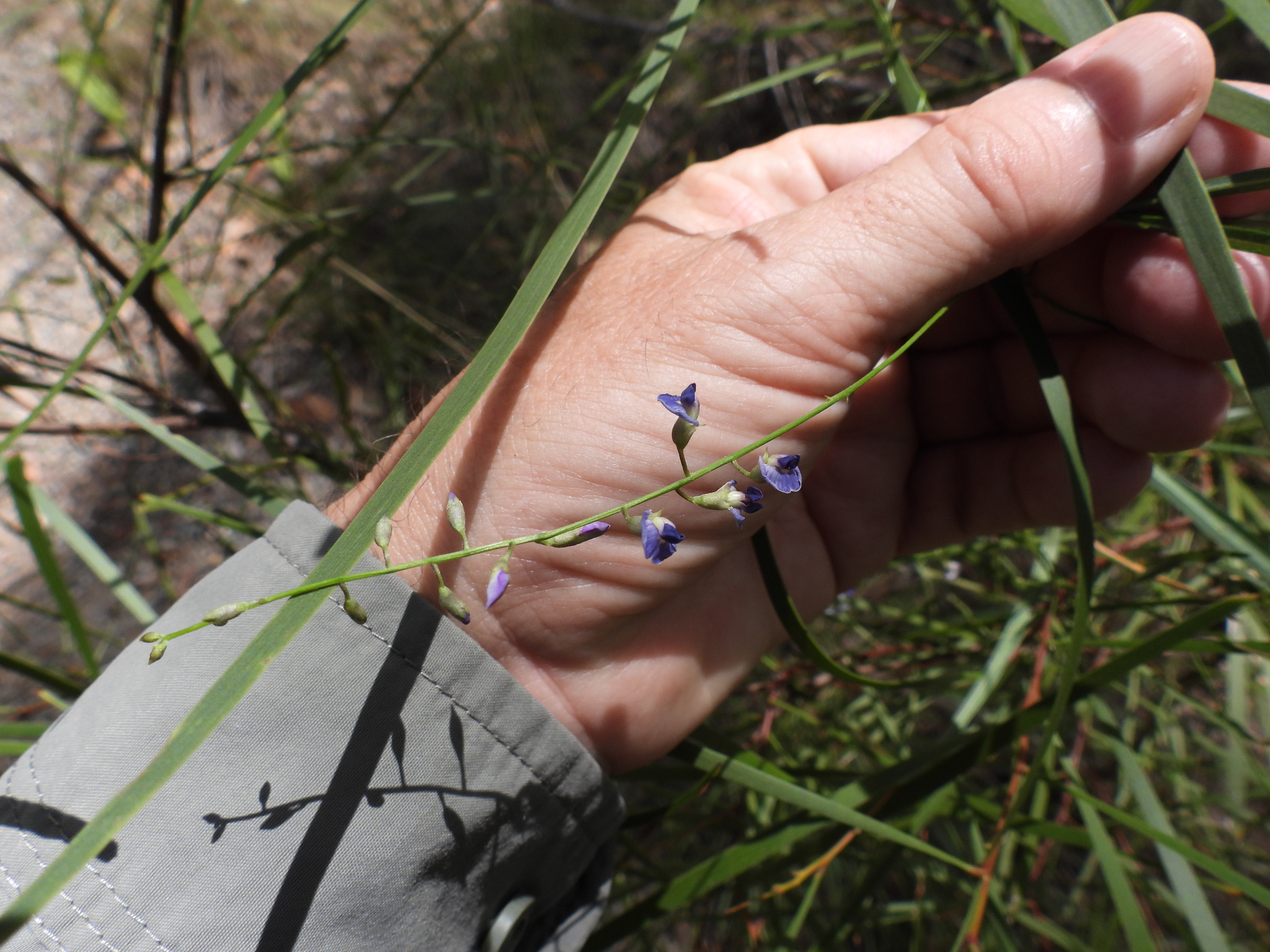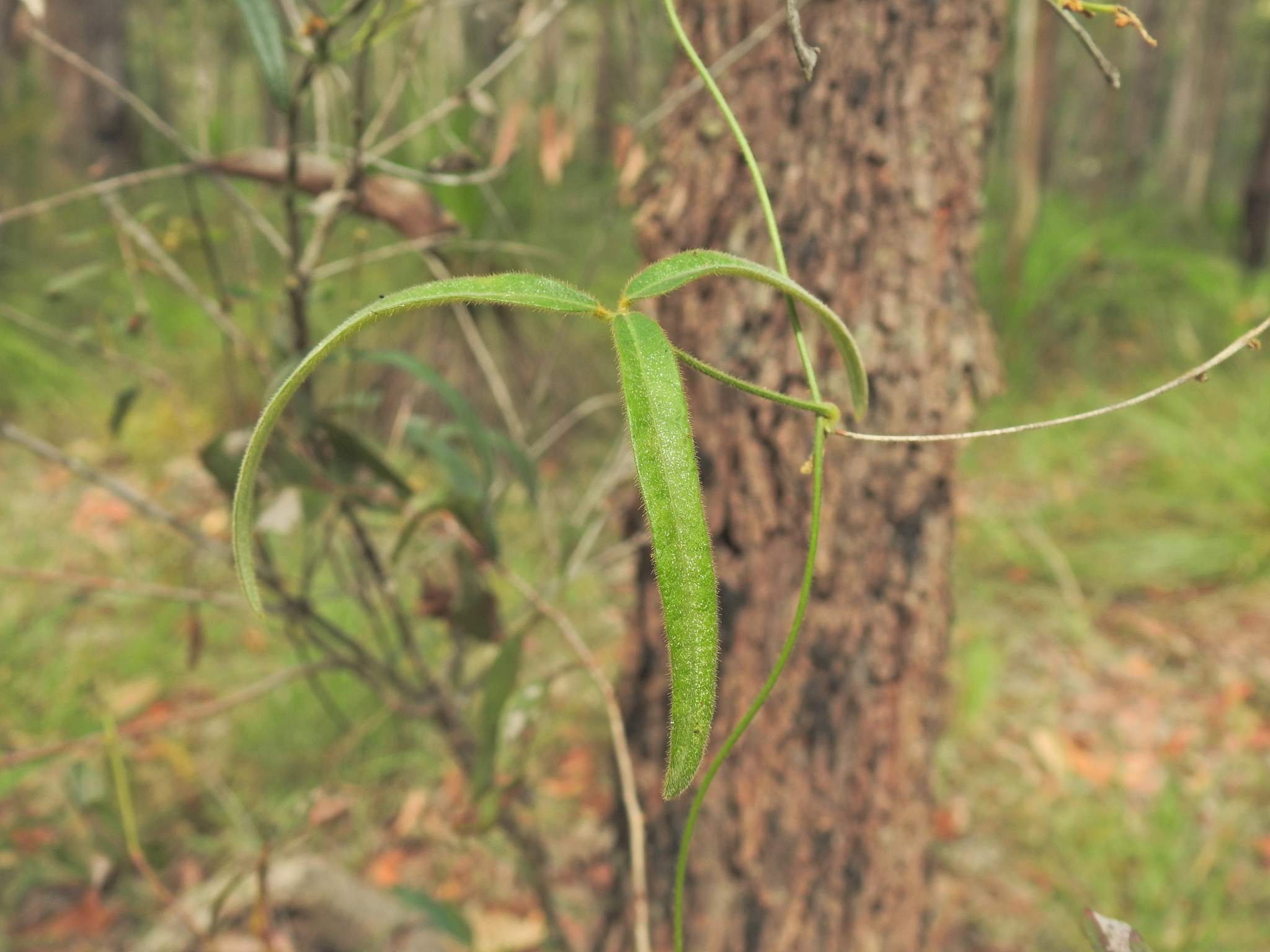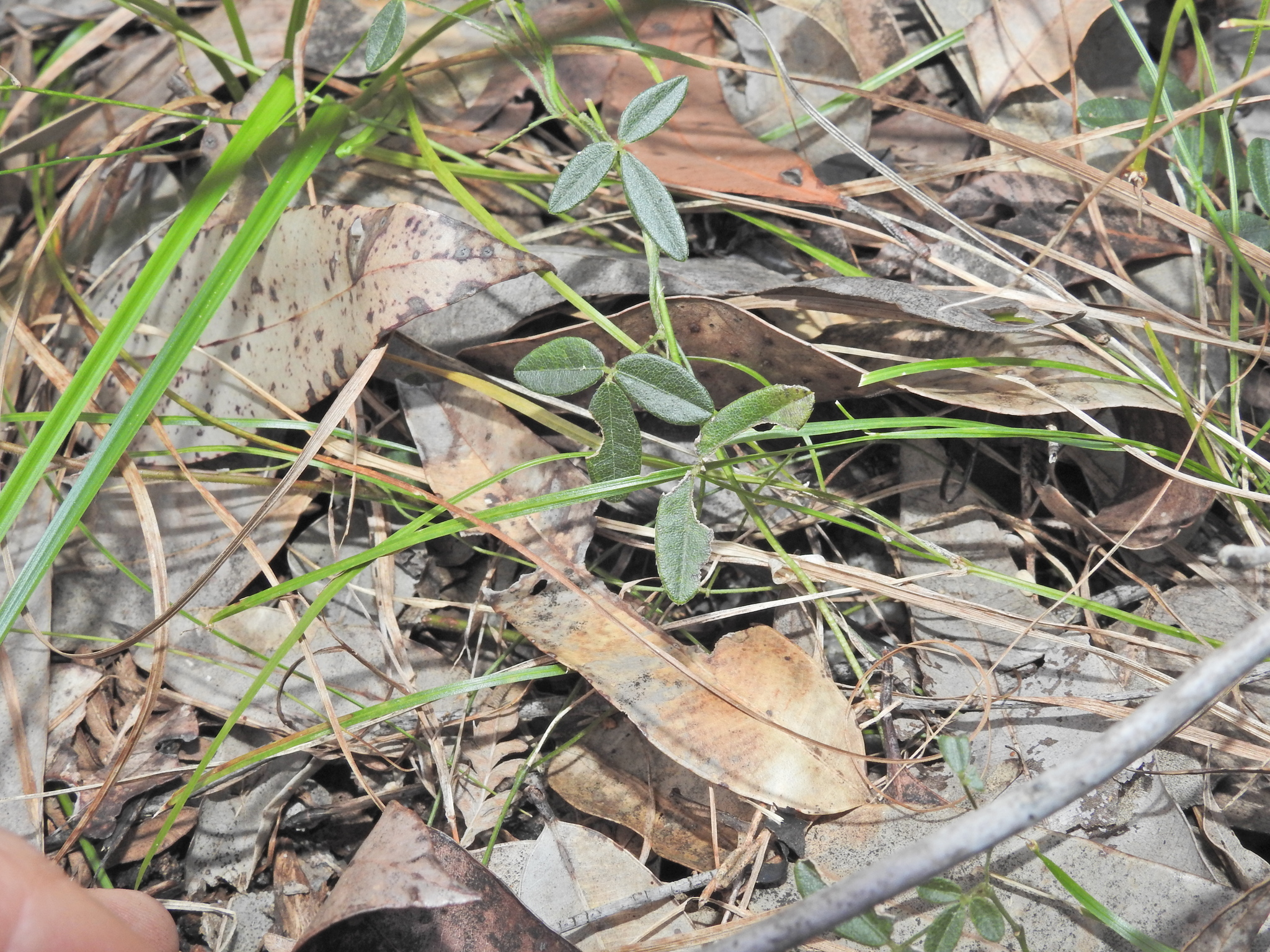
Soybean (Glycine max) is a globally significant annual legume crop, primarily cultivated for its edible beans rich in protein and oil. It thrives in warm climates and ful
Above information is sourced from Wikipedia
Sunlight
Requires full sun for optimal growth and yield, at least 6-8 hours of direct sunlight daily.
Watering
Keep soil consistently moist, especially during flowering and pod formation. Avoid waterlogging. Reduce watering as pods mature.
Soil
Well-drained, fertile loam, pH 6.0-7.0
Temperature
Thrives in warm temperatures between 20-30 °C. Sensitive to frost.
Habitat
Outdoor
Fertilizer
Soybeans are nitrogen-fixing legumes, so they generally require less nitrogen fertilizer. Apply phosphorus and potassium as needed based on soil tests.
Requires full sun for optimal growth and yield, at least 6-8 hours of direct sunlight daily.
Keep soil consistently moist, especially during flowering and pod formation. Avoid waterlogging. Reduce watering as pods mature.
Well-drained, fertile loam, pH 6.0-7.0
Thrives in warm temperatures between 20-30 °C. Sensitive to frost.
Outdoor
Soybeans are nitrogen-fixing legumes, so they generally require less nitrogen fertilizer. Apply phosphorus and potassium as needed based on soil tests.
Plant Type
Herb
Plant Category
Vegetable
Plant Place Type
Ground, Garden, Pot
Plant Environment
Outdoor
Lifespan
Annuals
Plant Height
0.3-1.5 m
Spread
0.3-0.6 m
Growth Rate
Moderate
Leaf Color
Green
Leaf Type
Trifoliate
Flower Size
0.5-0.7 cm
Optimal Sunlight Lux
75000
Monthly activity intensity for bloom and fruit across both hemispheres.
Flowering & fruiting calendar
Toxic for humans
Yes
Rating: 4/5
Toxic for pets
No
Rating: 0/5
Edible
Yes
Raw soybeans contain antinutritional factors like trypsin inhibitors and lectins, which can cause digestive upset. These compounds are destroyed by cooking, making processed soybeans safe and nutritious for consumption.